
 By admin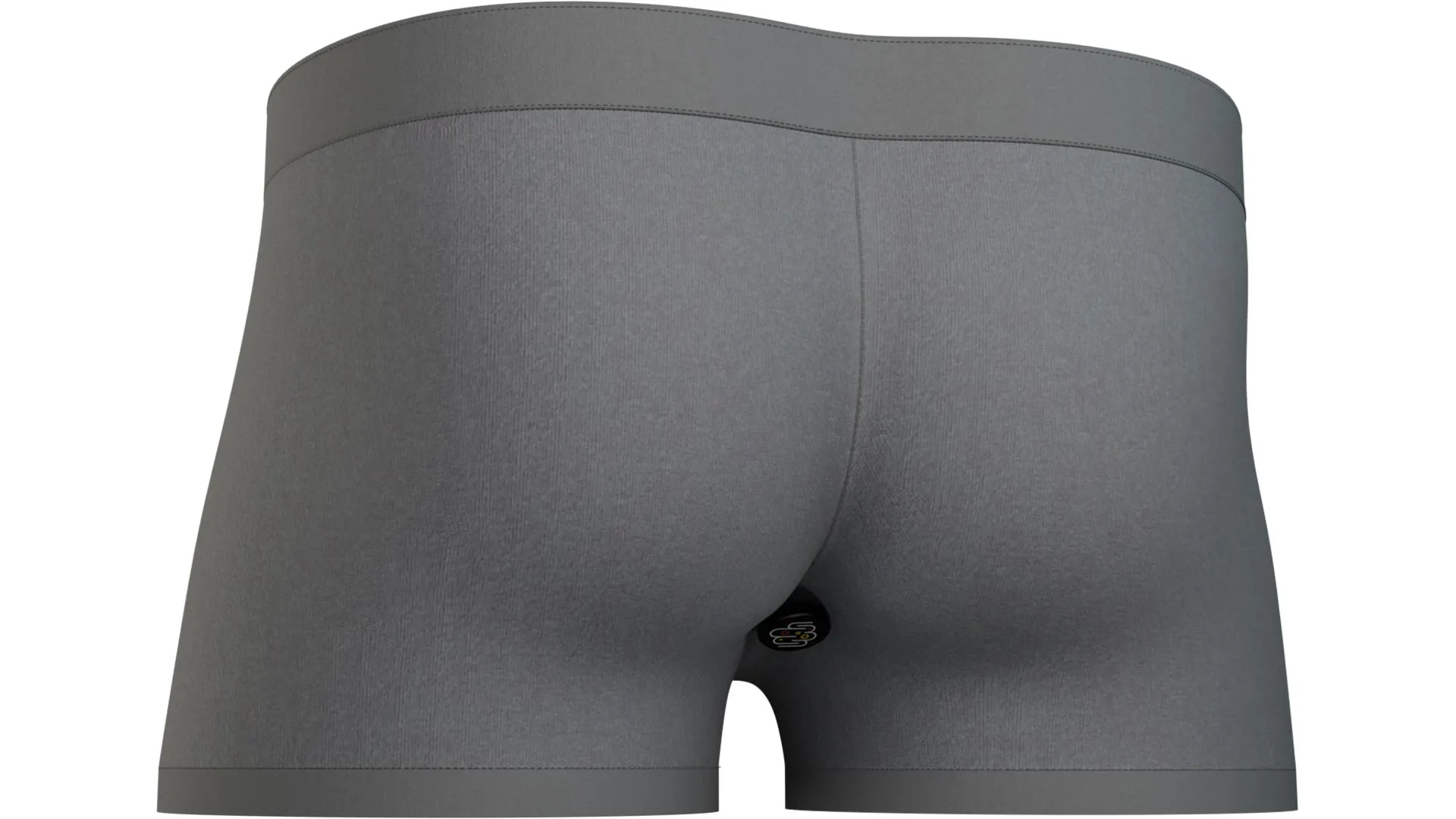
For decades, clinicians and researchers have grappled with the elusive nature of intestinal gas, a common complaint that significantly impacts quality of life for millions. The tools available to evaluate patients reporting issues like bloating, discomfort, and excessive flatulence have historically been remarkably limited, often relying on subjective patient reports or cumbersome, invasive laboratory procedures. This diagnostic vacuum was eloquently articulated in 2000 by gastroenterologist Michael Levitt, often dubbed the "King of Farts" for his pioneering research in the field. Levitt famously noted, "It is virtually impossible for the physician to objectively document the existence of excessive gas using currently available tests." This statement underscored a profound challenge: without objective data, distinguishing between normal physiological variation and genuine gastrointestinal dysfunction remained an educated guess, hindering accurate diagnosis and effective treatment strategies. Previous attempts to quantify flatulence involved highly invasive methods, such as collecting gas via rectal catheters or even housing participants in whole-room calorimeters designed to capture all expelled gases. These techniques, while providing some data, were inherently artificial, uncomfortable, and impractical for long-term monitoring in real-world settings, often altering natural gut function and limiting studies to very small, unrepresentative cohorts.
A Wearable Revolution: Tracking Intestinal Gas with Unprecedented Precision
To surmount this long-standing diagnostic hurdle, a dedicated research team at the University of Maryland (UMD), led by Brantley Hall, an assistant professor in the Department of Cell Biology and Molecular Genetics, engineered "Smart Underwear." This compact and ingenious wearable device is designed for ultimate discretion and comfort, clipping unobtrusively onto regular underwear. At its core, the device houses advanced electrochemical sensors capable of continuously monitoring intestinal gas production throughout the day and night. This continuous, non-invasive measurement represents a paradigm shift from previous episodic or self-reported data collection methods, offering a truly objective and comprehensive picture of an individual’s gas patterns.
The initial findings from this technology, published in the esteemed journal Biosensors and Bioelectronics: X, are already challenging established medical wisdom. A pivotal study, spearheaded by UMD assistant research scientist Santiago Botasini, utilized the Smart Underwear to meticulously measure flatulence in a cohort of healthy adults. The results were striking: participants produced flatus an average of 32 times per day. This figure is approximately double the long-cited estimate of 14 (±6) daily events frequently referenced in older medical literature and textbooks. Furthermore, the study revealed an astonishing range of individual variation, with daily totals spanning from a mere four flatus events to as many as 59. This wide spectrum highlights the immense physiological diversity among individuals and the potential for misdiagnosis when relying on generalized averages.
The discrepancy between the new objective measurements and older estimates is easily explained by the limitations of prior research. Earlier studies, as Levitt indicated, were often hampered by their dependence on invasive measurement techniques, which were typically conducted in highly controlled, often unnatural, laboratory environments with small groups of participants. These methods could not capture the full spectrum of daily life or gas production during sleep. Alternatively, reliance on self-reporting introduced significant biases, including imperfect memory, social stigma associated with discussing flatulence, and the inability to consciously record events during sleep or when otherwise distracted. People also differ significantly in visceral sensitivity; two individuals might produce similar quantities of gas but perceive and report them very differently, further skewing subjective data. "Objective measurement gives us an opportunity to increase scientific rigor in an area that’s been difficult to study," remarked Hall, the senior author of the study, emphasizing the critical role of this technology in moving beyond anecdotal evidence to verifiable scientific data.
Unlocking Gut Microbial Secrets Through Hydrogen Gas
The scientific utility of Smart Underwear extends far beyond simply counting gas events. Its true power lies in its ability to track specific gas components, particularly hydrogen. In the majority of individuals, flatus is composed primarily of hydrogen, carbon dioxide, and nitrogen, with some individuals also producing methane. Crucially, hydrogen gas is generated almost exclusively by the myriad microbes inhabiting the human gut. Therefore, the continuous measurement of hydrogen in flatus provides a direct, real-time signal of microbial fermentation activity—the metabolic processes by which gut bacteria break down undigested food components, particularly dietary fibers.
This capability transforms Smart Underwear into a powerful diagnostic and research tool, akin to a "continuous glucose monitor, but for intestinal gas," as Hall aptly described it. Just as a glucose monitor provides a dynamic picture of blood sugar levels, the Smart Underwear offers a continuous stream of data on gut microbial activity, allowing researchers to observe how the microbiome responds to different foods and interventions. The device’s efficacy was clearly demonstrated when it detected a significant increase in hydrogen production after participants consumed inulin, a well-known prebiotic fiber. Inulin, a non-digestible carbohydrate, serves as a fermentable substrate for beneficial gut bacteria, leading to increased gas production. The sensor identified these increases with an impressive 94.7% sensitivity, underscoring its accuracy and potential for precise monitoring of dietary impacts on the gut microbiome. This capability opens doors to personalized nutrition strategies, allowing individuals and their healthcare providers to understand how specific foods influence their unique gut ecosystem.
The Human Flatus Atlas: Defining "Normal" for Gut Health
Despite the universal experience of flatulence, a fundamental knowledge gap persists in medicine: there is no widely accepted baseline or "normal range" for flatus production. For many other vital health measures—such as blood glucose, cholesterol levels, or blood pressure—scientists have meticulously established normal ranges, providing essential benchmarks for diagnosing disease and monitoring health. For flatulence, however, this crucial baseline has been conspicuously absent. "We don’t actually know what normal flatus production looks like," Hall stated. "Without that baseline, it’s hard to know when someone’s gas production is truly excessive and potentially indicative of an underlying health issue."
To address this critical void, Hall’s laboratory is embarking on an ambitious and large-scale endeavor: the Human Flatus Atlas. This pioneering project aims to establish the definitive normal range of flatus production among adults in the United States aged 18 and over. The study will leverage the Smart Underwear technology to measure flatulence patterns continuously in hundreds of participants. Beyond gas measurements, the project will integrate comprehensive analyses of participants’ diets and gut microbiome composition, offering a holistic view of the factors influencing intestinal gas. To ensure broad representation and ease of participation, the Smart Underwear devices will be shipped directly to volunteers, enabling adults across the United States to contribute to this groundbreaking research from the comfort of their own homes. This remote participation model is crucial for gathering the diverse, real-world data necessary to create a robust and representative atlas of human flatulence.
Categorizing and Understanding Different Types of Gut Gas Producers
To fully capture the vast spectrum of variation in gut microbial activity and gas production, researchers for the Human Flatus Atlas are actively recruiting volunteers who fit into several distinct categories identified during early research. These categories are designed to illuminate the diverse biological and microbial factors that influence flatulence:
-
Zen Digesters: These intriguing individuals consume diets rich in fiber (typically 25-38 grams daily, aligning with recommended intake) yet produce remarkably little flatus. Studying Zen Digesters could unlock secrets about highly efficient microbiomes that process fiber with minimal gas byproduct, or perhaps harbor specific microbial species or metabolic pathways that reduce hydrogen production. Understanding their unique gut ecosystems may provide insights into how to cultivate a gut microbiome that can effectively utilize high-fiber diets without the common side effect of excessive gas.
-
Hydrogen Hyperproducers: At the opposite end of the spectrum are individuals who frequently pass gas. Examining this group is vital for identifying the biological factors that drive high gas production. This could include specific types of microbial overgrowth (e.g., in conditions like Small Intestinal Bacterial Overgrowth, SIBO), differences in enzyme activity, or particular dietary sensitivities that lead to increased fermentation and hydrogen generation. Insights from Hydrogen Hyperproducers could inform targeted interventions for managing conditions characterized by excessive gas.
-
Normal People: This category encompasses individuals whose gas production falls between these two extremes, providing the essential baseline data for the Human Flatus Atlas.
To delve deeper into the microbial mechanisms underpinning these differences, the research team plans to collect stool samples from both Zen Digesters and Hydrogen Hyperproducers for comprehensive microbiome analysis. This will allow them to correlate specific microbial compositions and functional capabilities with observed gas patterns. As Hall explains, "We’ve learned a tremendous amount about which microbes live in the gut, but less about what they’re actually doing at any given moment." The Human Flatus Atlas, by linking direct gas measurement with microbiome composition and dietary intake, aims to bridge this knowledge gap. "The Human Flatus Atlas will establish objective baselines for gut microbial fermentation, which is essential groundwork for evaluating how dietary, probiotic or prebiotic interventions change microbiome activity," he added. This detailed understanding will be instrumental in developing personalized dietary recommendations and targeted microbial therapies.
Participation and Future Outlook
Individuals interested in contributing to this groundbreaking scientific endeavor can find more information and sign up to participate in the Human Flatus Atlas study at flatus.info. Enrollment is open to adults aged 18 years or older residing in the United States. Participants will receive a Smart Underwear device and will be asked to wear it continuously, both day and night, for the duration of the study period. Given the novelty and significance of this research, enrollment is limited, underscoring the exclusivity of this opportunity to contribute to a pivotal area of human health research.
The potential impact of Smart Underwear extends far beyond academic research. Patent applications have already been filed for the technology, listing Brantley Hall and Santiago Botasini as the primary inventors. Further demonstrating its commercial viability and commitment to bringing this innovation to broader use, both Hall and Botasini are co-founders of Ventoscity LLC, a company that has licensed the device. This commercialization pathway indicates a strong intent to translate this research into practical diagnostic tools for clinical settings. This pioneering research has received significant backing, including support from the University of Maryland, the Maryland Innovation Initiative Phase I, and the UM Ventures Medical Device Development Fund, highlighting the recognition of its transformative potential.
The development of Smart Underwear marks a new era in gastroenterology. This technology promises to provide clinicians with an objective, continuous, and non-invasive means to diagnose and monitor conditions related to gut gas, such as irritable bowel syndrome (IBS), small intestinal bacterial overgrowth (SIBO), and inflammatory bowel disease (IBD). Beyond diagnostics, it opens avenues for personalized dietary interventions, allowing individuals to fine-tune their nutrition based on real-time feedback from their gut microbiome. As our understanding of the gut-brain axis and the profound impact of the microbiome on overall systemic health continues to grow, tools like Smart Underwear will be indispensable in unraveling the complexities of human physiology and paving the way for truly personalized medicine.