
 By admin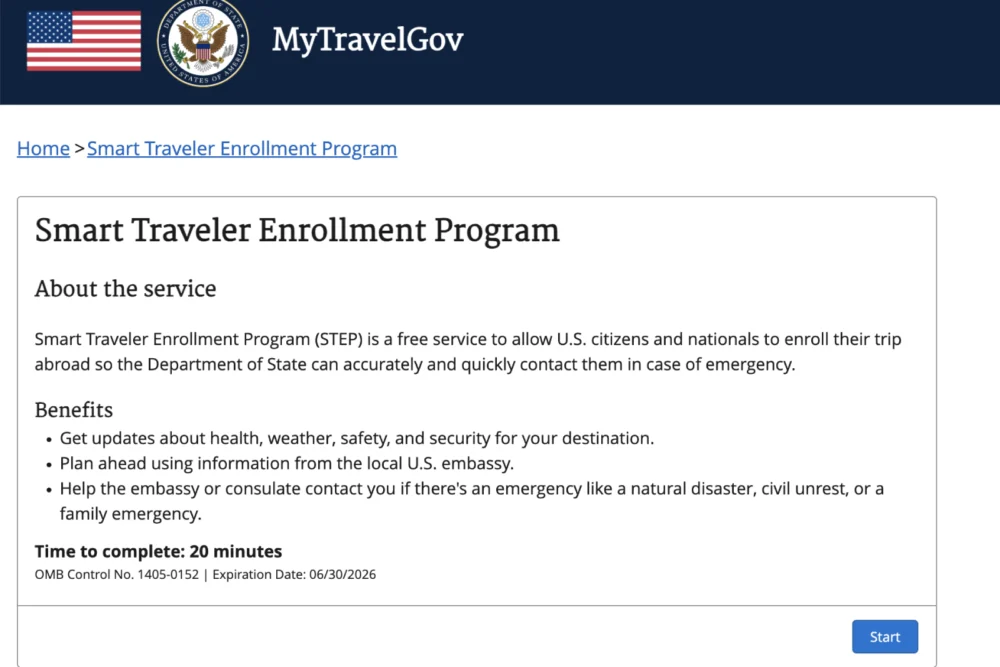
In an era where international travel has returned to pre-pandemic levels—with tens of millions of Americans crossing borders annually—the importance of situational awareness cannot be overstated. According to data from the National Travel and Tourism Office, outbound travel from the United States has seen a significant resurgence, yet many travelers remain unaware of the digital tools available to protect them. STEP is not merely an email list; it is a critical component of the federal government’s mandate to protect American citizens abroad. By registering their itineraries, travelers ensure that the State Department knows where they are and how to reach them should a crisis arise.
Understanding the Architecture of STEP
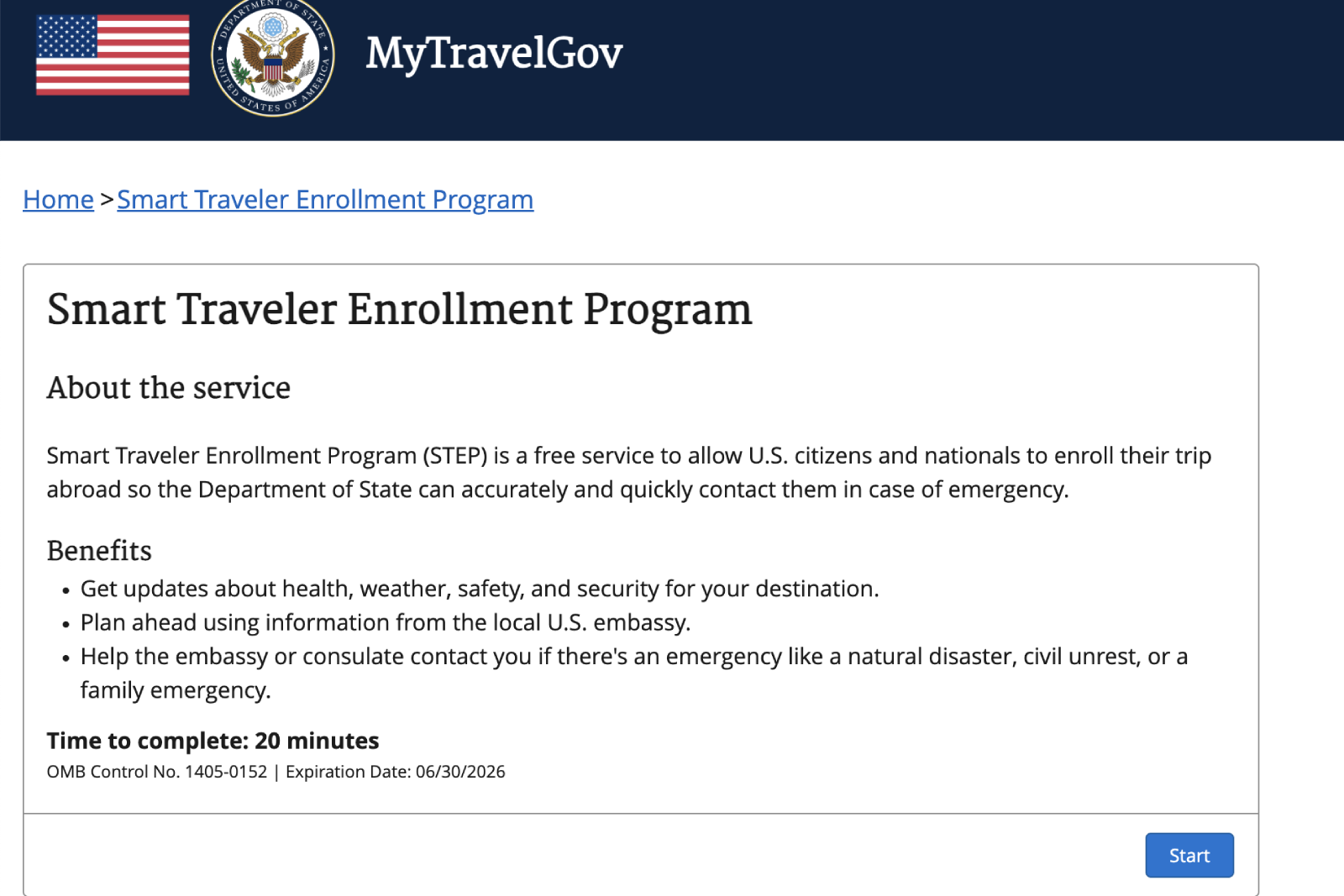
The primary objective of the Smart Traveler Enrollment Program is to facilitate rapid communication during emergencies. When a traveler enrolls, they are essentially checking in with the local diplomatic mission in their destination country. This registration serves several vital functions. First, it allows the U.S. Embassy to send routine and emergency messages regarding safety conditions in the specific country or region. These alerts can range from warnings about planned political demonstrations and transit strikes to urgent notices regarding natural disasters like hurricanes or earthquakes.

Second, STEP plays a pivotal role in "welfare and whereabouts" searches. If a traveler’s family in the United States is unable to contact them during a crisis, they can reach out to the State Department. If that traveler is enrolled in STEP, the Department has a starting point to verify their safety. In extreme cases, such as the sudden onset of civil unrest or a coup d’état, the information provided in STEP is used to coordinate evacuation efforts. During the early stages of the COVID-19 pandemic in 2020, the State Department utilized STEP data to organize the repatriation of over 100,000 Americans stranded in 136 countries—a feat that would have been significantly more difficult without the contact information provided by registered citizens.
Who Should Register and Why?
While STEP is beneficial for every American traveling outside the 50 states and the District of Columbia, certain demographics find it particularly indispensable. For students participating in study abroad programs, enrollment is frequently a mandatory requirement of the sponsoring university or organization. Young adults living in foreign environments for the first time may not be as attuned to local news cycles, making the direct alerts from the consulate a necessary safeguard.
Business travelers and expatriates living abroad also represent a significant portion of the STEP user base. For those residing in a foreign country for extended periods, "Residence Enrollment" allows them to receive long-term updates about their host country’s security posture. Furthermore, for those visiting high-risk areas—classified by the State Department as Level 3 (Reconsider Travel) or Level 4 (Do Not Travel)—STEP is the most effective way to stay informed about the shifting "ground truth" that may not be captured by mainstream media.

The Registration Process: A Step-by-Step Breakdown
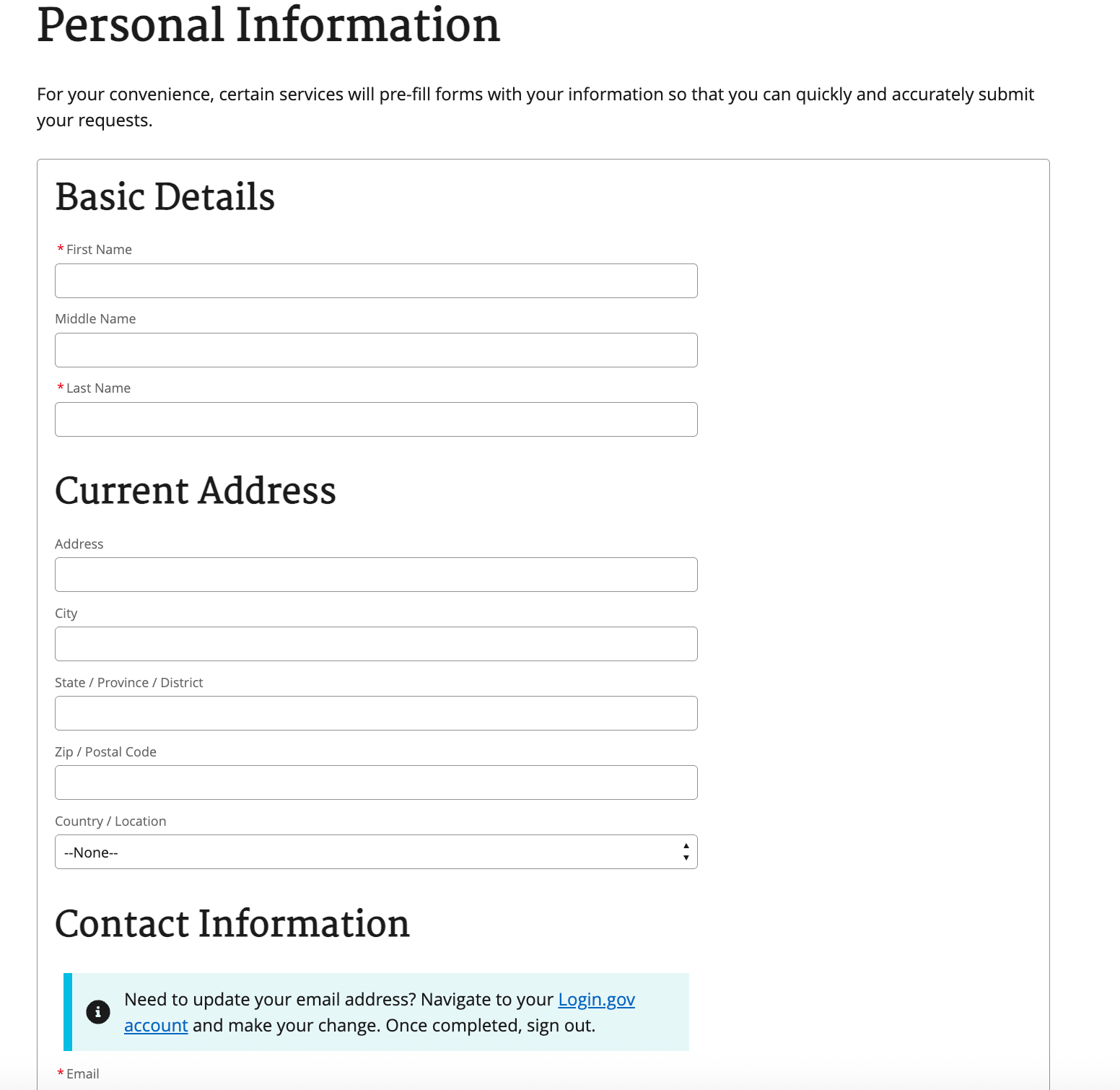
The Department of State has streamlined the enrollment process by integrating it with Login.gov, a secure sign-in service used by many government agencies. This integration ensures that the personal data of travelers, including passport numbers and contact information, is protected by high-level encryption and multi-factor authentication.
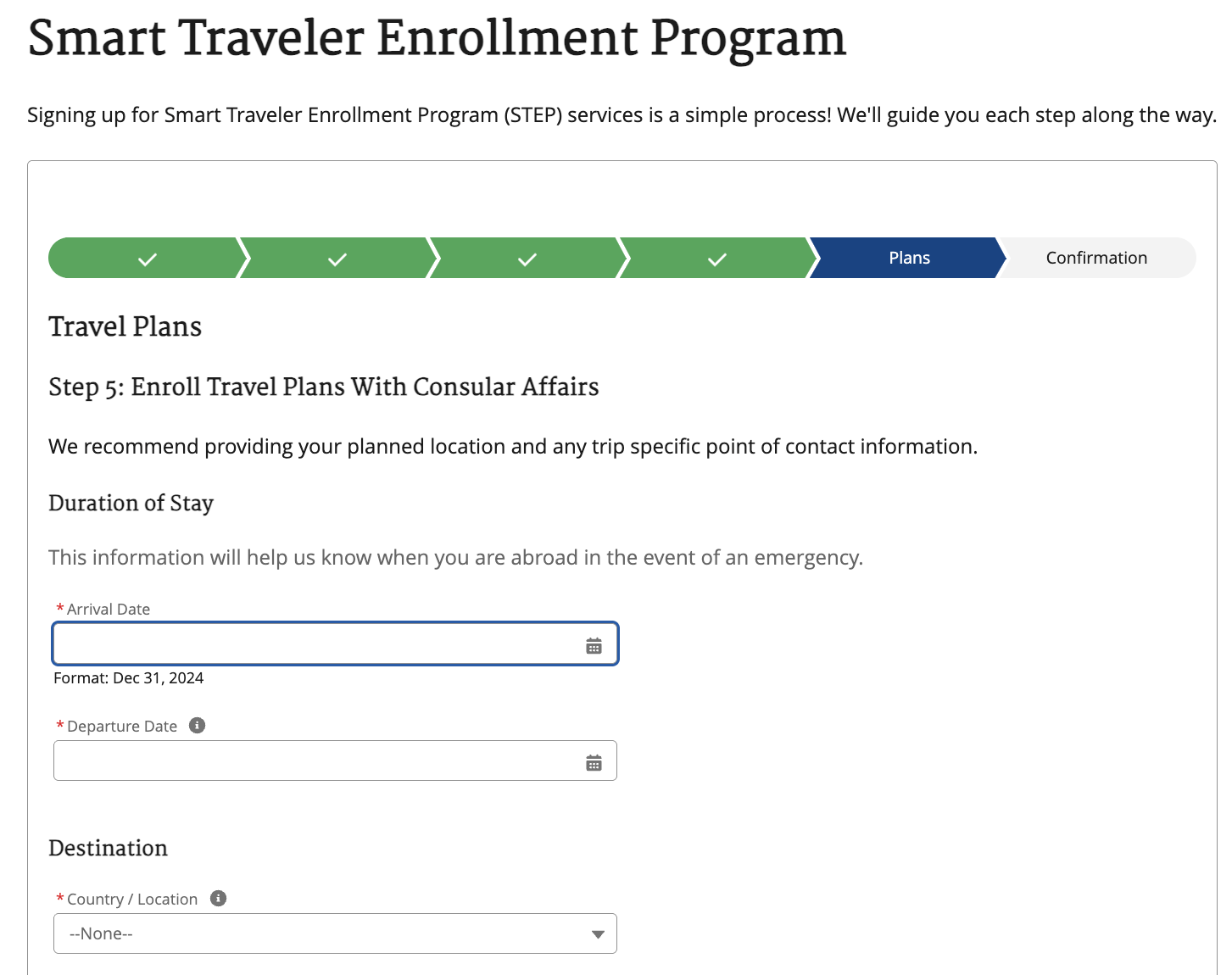
To begin, a traveler creates a profile on the STEP website. This profile includes permanent contact information and emergency contacts within the United States. Once the profile is established, the user can "Add a Trip." This section requires specific details: the destination country, the dates of travel, a local phone number or address (such as a hotel or rental property), and the purpose of the trip.
A crucial part of the process is selecting the nearest U.S. Embassy or Consulate. In many countries, the U.S. maintains multiple diplomatic posts. For example, a traveler to Mexico might choose the Embassy in Mexico City or one of the several consulates in cities like Guadalajara, Monterrey, or Merida, depending on their specific itinerary. This ensures that the alerts received are geographically relevant. The system is designed to be intuitive; as a user types their destination, the system auto-fills the corresponding diplomatic missions.
The Difference Between Travel Advisories and Security Alerts
One of the most valuable aspects of being a STEP member is the nuance of the information provided. The State Department issues two primary types of notices. Travel Advisories are broad, country-wide assessments of safety, ranked from Level 1 (Exercise Normal Precautions) to Level 4 (Do Not Travel). These are generally updated every few months or when a significant policy change occurs.
Security Alerts, however, are often "real-time" notifications. If a specific neighborhood in a European capital is experiencing a violent protest, or if a tropical storm is projected to hit a specific Caribbean island within 24 hours, STEP subscribers in those specific locations receive an email or text alert. This localized intelligence allows travelers to adjust their plans—perhaps by staying in their hotel or avoiding a certain part of the city—long before the situation escalates into a headline-grabbing crisis.
Addressing Privacy and Data Security
In an age of digital skepticism, some travelers are hesitant to share their itineraries with the government. However, it is important to understand the legal framework governing STEP. The information provided is protected under the Privacy Act of 1974. The State Department is legally prohibited from sharing this data with other agencies or third parties unless it is for the specific purpose of protecting the traveler’s welfare or as required by law. The data is not used for tax tracking, immigration surveillance, or general monitoring of citizens. Its sole utility is the preservation of life and safety.
Expert Perspectives: A Critical Tool for Modern Travel
Travel security experts often compare STEP to travel insurance. "It is a service you hope you never actually need, but the moment you do, it becomes the most valuable thing in your luggage," says Sarah Thompson, a global risk consultant. Experts point out that while travel insurance focuses on financial indemnification—covering the cost of lost bags or medical bills—STEP focuses on the logistics of physical safety and communication.
Moreover, the State Department’s Bureau of Consular Affairs emphasizes that the "Smart" in Smart Traveler Enrollment Program refers to the proactive nature of the tool. By reading the country-specific information provided during the sign-up process, travelers are forced to confront the potential risks of their destination, which in turn encourages better preparation.
Beyond the Digital: Holistic Safety Abroad
While STEP is a powerful tool, it should be part of a broader safety strategy. The State Department encourages travelers to also follow their official social media accounts, such as @TravelGov on X (formerly Twitter), and to bookmark the international travel pages on travel.state.gov. These resources provide deeper dives into entry and exit requirements, local laws (such as strict medication regulations or photography bans), and health information from the Centers for Disease Control and Prevention (CDC).
Additionally, travelers should be aware of what a U.S. Consulate can and cannot do. A consulate can help replace a lost or stolen passport, contact family members, provide a list of local doctors and lawyers, and monitor the welfare of arrested Americans. However, they cannot act as a travel agent, pay legal fees, or get a citizen out of jail if they have broken local laws. STEP ensures that if you find yourself in a situation where the consulate’s help is needed, the bridge to that help is already built.
Conclusion: The Value of Preparation
The world remains a beautiful and inviting place, but it is also unpredictable. The Smart Traveler Enrollment Program represents a unique partnership between the citizen and the state, leveraging technology to provide a safety net that spans the globe. The time investment required for enrollment—roughly five minutes for an initial profile and two minutes for each subsequent trip—is a negligible price to pay for the peace of mind it affords.
Whether you are embarking on a luxury cruise through the Mediterranean, a backpacking trek through Southeast Asia, or a routine business trip to a regional hub, STEP ensures that you are never truly alone. By staying informed, connected, and registered, American travelers can focus on the enrichment that travel provides, knowing that the full resources of the U.S. diplomatic corps are only an alert away. In the final analysis, being a "smart traveler" is not just about where you go, but how well you prepare for the journey.