
 By admin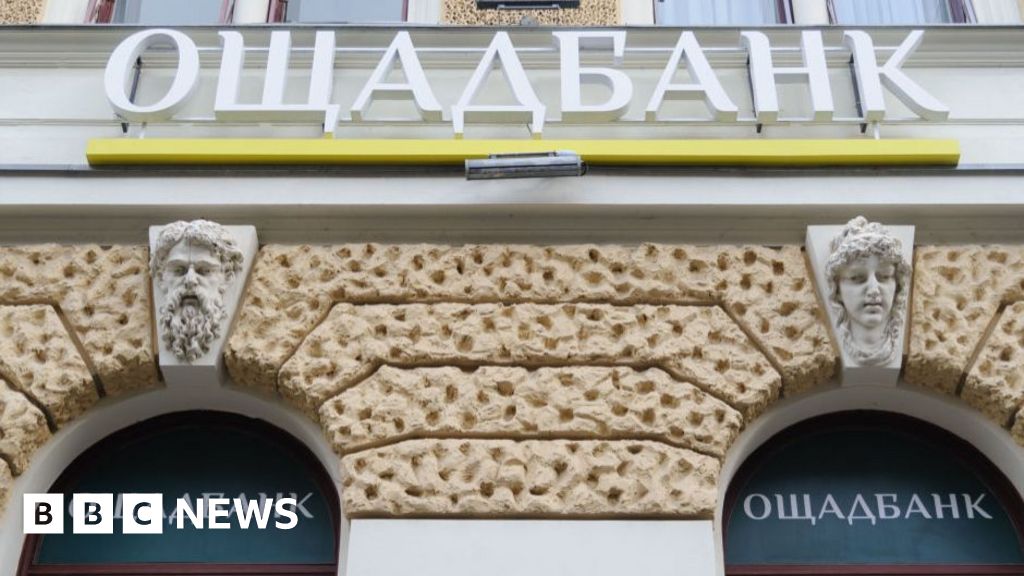
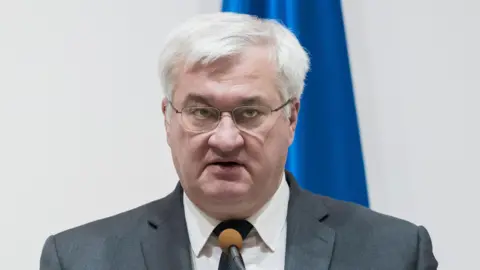
Hungary has expelled seven Ukrainian bank employees who were apprehended on Thursday while transporting an astonishing $80 million (£60 million) in cash and 9 kilograms of gold via cash-transport vehicles to Ukraine. The dramatic incident has ignited a fiery exchange between Kyiv and Budapest, pushing already strained relations to a new low. Ukrainian Foreign Minister Andrii Sybiha vehemently accused Hungarian authorities of holding the group hostage and outright stealing the seized assets. In stark contrast, Hungary’s tax authority, NAV, stated that the individuals were detained on suspicion of money laundering, initiating criminal proceedings and noting the convoy was overseen by a former general of Ukraine’s intelligence service.
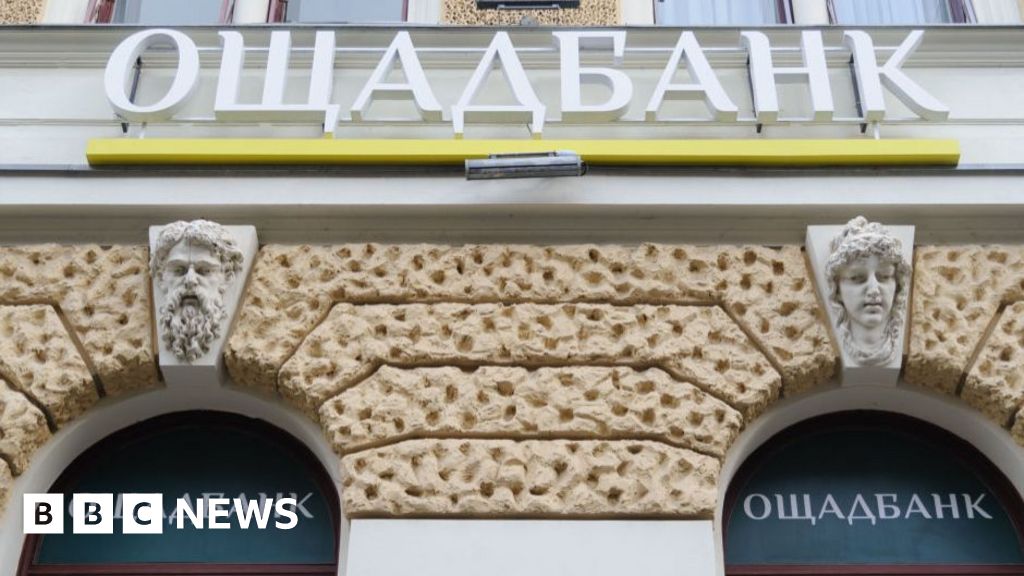
The Ukrainian state savings bank, Oschadbank, has maintained that the detained individuals were engaged in a routine transport operation between Austria and Ukraine, asserting their "unjustifiable detention." The fate of the substantial cash and gold remains unclear, though Polish Foreign Minister Radek Sikorski publicly declared, "they’ve stolen the money," underscoring the international gravity of the situation.
This latest confrontation unfolds against a backdrop of deeply entrenched animosity between Ukraine and Hungary, significantly exacerbated by Russia’s ongoing full-scale invasion of Ukraine. The dispute over a halt to Russian oil supplies through the vital Druzhba pipeline, which traverses Ukraine, has become a recurring point of contention, fueling a protracted war of words between the two nations.
The arrest of the bank workers is particularly sensitive given its timing amidst Hungary’s fiercely contested election campaign. Prime Minister Viktor Orbán, a figure known for his often Russia-friendly stance within the European Union, is currently trailing in opinion polls, with the election just over a month away. Hungarian media reports painted a vivid picture of the raid, describing how black-clad officials from Hungary’s TEK counter-terrorism centre intercepted the Ukrainian-registered vehicles, subsequently escorting their convoy to Budapest.
Foreign Minister Sybiha did not mince words in his condemnation, accusing Orbán of cynically dragging Ukraine into Hungary’s "domestic politics and electoral campaign." He declared unequivocally that Kyiv would not tolerate "this state banditism." His Hungarian counterpart, Foreign Minister Péter Szijjártó, countered by questioning the unusual method of transporting such vast sums. "If this is truly a transaction between banks, why was it not carried out by transfer?" Szijjártó posited, implicitly questioning the legitimacy of the operation.
Prime Minister Orbán, in his customary Friday radio address, made no direct mention of the detained bank workers. However, he did reiterate his stance on transit shipments critical to Ukraine, stating they would remain halted until the dispute over Russian oil supplies was resolved. Orbán, widely perceived as Russia’s closest ally within the EU, has consistently blamed Ukraine for deliberately disrupting the flow of Russian oil through the Druzhba pipeline. Ukraine, in turn, asserts that the pipeline was damaged by a Russian air strike in January. Orbán, however, has controversially claimed that satellite imagery contradicts this, suggesting no operational impediment and has even threatened to "force the Ukrainians to restart deliveries."
Adding another layer to the diplomatic friction, Orbán has also been actively blocking a crucial €90 billion (£78 billion) EU aid package, deemed essential for Ukraine’s financial stability. His objective, it appears, is to leverage this obstruction to compel the resumption of oil supplies. Orbán has repeatedly voiced opposition to EU financial support for Ukraine, arguing that it merely prolongs the conflict. His election campaign has increasingly focused on an anti-Ukraine narrative, amplifying his concerns about the war’s impact on Hungary. Last month, he ordered enhanced security measures for Hungary’s energy infrastructure, citing unsubstantiated claims that Kyiv was preparing "further actions to disrupt" the energy system.
Ukrainian President Volodymyr Zelensky has been a vocal critic of Orbán’s obstruction of the EU aid package. On Thursday, he expressed skepticism about the Druzhba pipeline’s operational status, suggesting it might take another four to six weeks to become functional again. Zelensky’s frustration was palpable as he stated, "To be honest, I would not restore it. This is my position. I expressed it to European leaders… because this is Russian oil. Russians are killing Ukrainians and we have to give oil to Orbán, because he, the poor thing, cannot win the election without this oil."
President Zelensky went further, issuing a thinly veiled threat, warning that if Orbán persisted in blocking EU funding, the Ukrainian armed forces would be provided with his address to "call him and communicate with him in their own language." This apparent threat drew sharp criticism from Péter Magyar, whose opposition Tisza party is currently leading in opinion polls ahead of the April 12th election. The European Commission also weighed in, with spokesperson Olof Gill stating, "That type of language is not acceptable; there must not be threats against EU member states." Gill emphasized that the Commission was actively engaged in discussions with all parties, aiming to encourage a de-escalation of rhetoric and a renewed focus on pressuring Russia to end its "war of aggression."
The Druzhba pipeline is a critical artery for Russian oil deliveries to Hungary and Slovakia. Shipments to both nations have been completely halted since January 27th.
In a separate, albeit related, diplomatic development this week, Hungary’s foreign minister undertook a trip to Moscow, where he successfully secured the release of two ethnic Hungarian prisoners of war. Hungary claims these individuals, originating from Ukraine’s Transcarpathia region, hold dual Hungarian and Ukrainian citizenship and has accused Kyiv of forcibly conscripting them into the Ukrainian army. Kyiv, however, has denounced their transfer to Hungary as a "gross violation of international humanitarian law," highlighting the complex and often contentious nature of dual citizenship in the context of the ongoing conflict. The incident underscores the deep geopolitical currents and conflicting narratives at play between these Eastern European nations, with the war in Ukraine serving as a constant catalyst for further entanglement and dispute.