
 By admin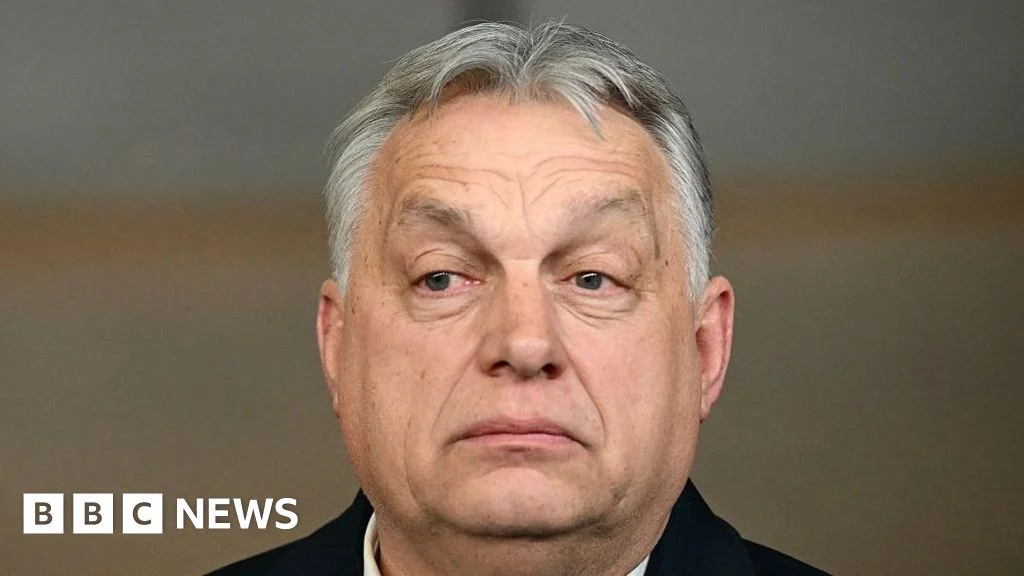
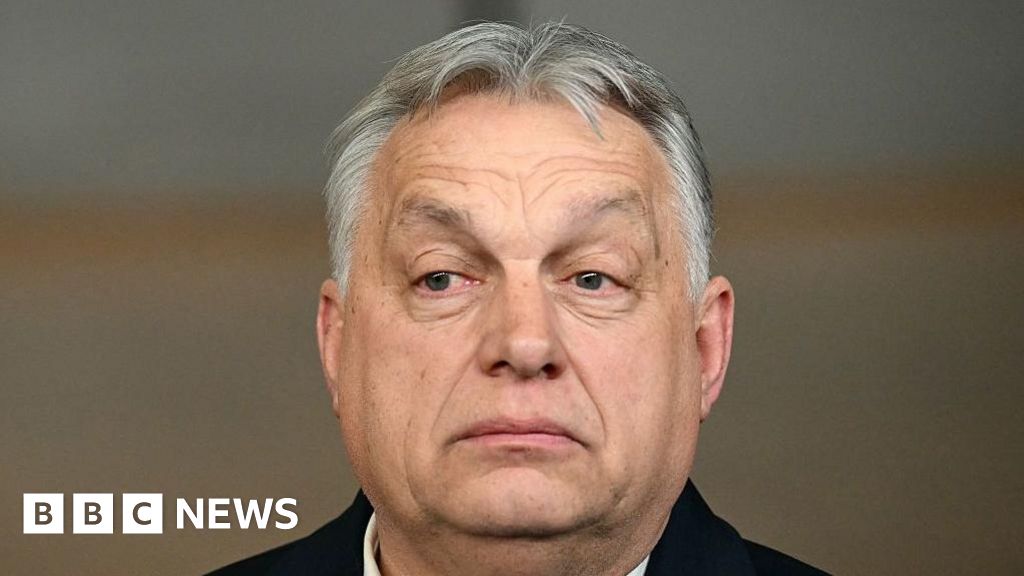
In a dramatic escalation of tensions within the European Union, Hungarian Prime Minister Viktor Orbán has been accused of egregious disloyalty and blatant blackmail by his fellow leaders after unilaterally blocking a crucial €90 billion (approximately £77 billion) loan package for Ukraine. The move, which sent shockwaves through the Brussels summit, has cast a dark shadow over EU unity and its commitment to supporting Kyiv amidst Russia’s ongoing full-scale invasion. Orbán’s defiant stance, rooted in a contentious dispute over a vital oil pipeline, has been met with widespread condemnation, with senior European officials labeling his actions as unprecedented and deeply damaging to the bloc’s credibility.
"No oil = no money," declared Orbán in a pointed post on X, formerly Twitter, immediately following the fraught summit in Brussels. His refusal to lift his veto, despite earlier indications of approval, was directly linked to a long-standing feud concerning the Druzhba pipeline, a Soviet-era infrastructure project that plays a critical role in transporting Russian oil to Hungary and other Central European nations, including Slovakia, via Ukraine. The impasse has effectively halted a significant portion of the financial lifeline the EU had pledged to Ukraine for its ongoing defense and economic recovery efforts.
The gravity of Orbán’s actions was underscored by the sharp rebukes from prominent European figures. German Chancellor Friedrich Merz, a leading voice within the Christian Democratic Union, did not mince words, describing Orbán’s obstructionism as "a gross act of disloyalty" within the very fabric of the European Union. Echoing this sentiment, European Council President António Costa unequivocally characterized the Hungarian Prime Minister’s tactics as "tantamount to blackmail." These strong condemnations highlight the deep-seated frustration and anger that Orbán’s maneuver has provoked among his EU counterparts, who view it as a betrayal of shared European values and strategic objectives.
Viktor Orbán, a figure who has consistently maintained a close and often controversial relationship with Russia since the Kremlin’s full-scale invasion of Ukraine in February 2022, has increasingly made anti-Ukrainian sentiment a central plank of his political messaging, particularly as Hungary approaches pivotal elections scheduled for April 12th. This domestic political calculus appears to be heavily influencing his foreign policy decisions, even at the expense of EU consensus and broader European security interests. Hungary’s strategic dependence on Russian energy supplies has been a recurring theme in Orbán’s rhetoric, and he has repeatedly accused Ukraine of deliberately disrupting these vital energy flows.
The crux of Orbán’s current grievance lies in the operational status of the Druzhba pipeline. Hungary, along with Slovakia, relies on this pipeline for a significant portion of its crude oil imports originating from Russia. Orbán has accused Ukraine of failing to adequately repair damage to a section of the pipeline that traverses its territory. Kyiv, however, presents a different narrative, asserting that the pipeline sustained damage in January as a direct consequence of Russian aerial bombardments. Ukrainian authorities maintain that while repairs are underway and are expected to take several weeks to complete, the resumption of oil flow through the pipeline would, in effect, undermine existing sanctions imposed on Moscow. This conflicting account of the pipeline’s condition and the rationale for its current disuse lies at the heart of the diplomatic standoff.
Despite having ostensibly agreed to the release of EU funds for Ukraine in an earlier meeting, Orbán has now leveraged his veto power to freeze the disbursement of these critical financial resources. This tactic, employed at the highest level of EU decision-making, has left many member states bewildered and incensed, particularly given the urgent needs of Ukraine.
The summit, which convened on Thursday and extended late into the night, was marked by palpable tension and expressions of thinly veiled fury directed at Orbán’s obstructionist tactics. "Colleagues who have been members of the European Council far longer than I have were deeply angered by what happened today," revealed German Chancellor Friedrich Merz to reporters during a press conference held in the early hours of Friday. He further elaborated, stating, "It is a gross act of disloyalty within the European Union. I am firmly convinced that it will leave deep marks." His words reflect a widespread sentiment that Orbán’s actions have not only jeopardized Ukraine’s financial stability but have also inflicted significant damage on the internal cohesion and credibility of the European Union itself.
French President Emmanuel Macron, a vocal proponent of robust support for Ukraine, described the outcome of the meeting as "unprecedented." He stressed the imperative for the loan package’s release to be "implemented without delay," underscoring the urgency of the situation for Ukraine. Council President António Costa joined the chorus of discontent, branding Hungary’s stance as "completely unacceptable" and emphatically stating, "Nobody can blackmail the European institutions." This firm rejection of Orbán’s leverage underscores the belief that vital geopolitical and humanitarian aid should not be subject to such demands and coercive tactics.
Despite the barrage of criticism and the evident displeasure of his counterparts, Viktor Orbán remained unyielding in his position. "It was a tough debate, but we stood our ground," he reiterated on X, defiantly asserting Hungary’s right to dissent. "We have the right to say ‘no’ to the Ukrainian war loan. As long as @ZelenskyyUa does not lift the oil blockade, they will not receive any money from Brussels." This direct challenge to Ukrainian President Volodymyr Zelenskyy highlights the personal nature of the feud and the strategic leverage Orbán seeks to wield.
Adding another layer of complexity to the situation, Slovakia’s Prime Minister Robert Fico, another leader who has cultivated a close relationship with Russian President Vladimir Putin, also withheld his endorsement of the summit’s conclusions regarding the Ukraine loan. The release of such significant financial aid requires unanimous consent from all EU member states, and the summit’s final communiqué indicated that the matter would be deferred to the leaders’ next scheduled meeting, effectively prolonging the uncertainty and the disruption to Ukraine’s financial support.
In response to Orbán’s blockade, European Commission President Ursula von der Leyen issued a firm commitment that the loan would ultimately be delivered, stating it would be achieved "one way or the other." President Macron echoed this resolve, asserting that there would be "no plan B" for the funds, as "plan A must be implemented." These pronouncements signal the EU’s determination to find a way to bypass Hungary’s obstruction, even if it requires exploring alternative mechanisms and diplomatic avenues.
Prior to the summit, Ukrainian President Volodymyr Zelenskyy had made a direct appeal to EU leaders, emphasizing the critical importance of the financial aid package. "For the third month now, the most important financial security guarantee for Ukraine from Europe is not working – the €90bn support package for this year and the next," he addressed the leaders during the summit. Zelenskyy underscored the dire consequences of the delay, stating, "This is critical for us. It is a resource to protect lives." His plea served as a stark reminder of the human cost of these political disputes and the immediate impact on Ukraine’s ability to defend itself and sustain its civilian population.
This is not the first instance of Viktor Orbán significantly impeding EU efforts to support Ukraine or to hold Russia accountable for its aggression. He has repeatedly been instrumental in delaying the implementation of EU aid packages for Ukraine and has also historically stalled successive rounds of sanctions against Russia. His consistent pattern of obstruction has made him a recurring source of friction within the bloc, raising questions about his commitment to the EU’s collective foreign policy objectives and its fundamental values.
The domestic political landscape in Hungary also provides context for Orbán’s increasingly assertive and often confrontational stance on the international stage. With his Fidesz party currently lagging behind their main rivals in opinion polls ahead of the April 12th elections, Orbán may be employing a strategy of galvanizing his base by adopting a hardline, nationalist posture and challenging perceived external pressures from Brussels and other EU capitals. This electoral calculus could be a significant driving factor behind his willingness to risk alienating allies and creating significant diplomatic fallout. The long-term implications of Orbán’s actions for EU unity, its foreign policy effectiveness, and its commitment to democratic values remain a subject of intense debate and concern among political observers and policymakers across the continent.