
 By admin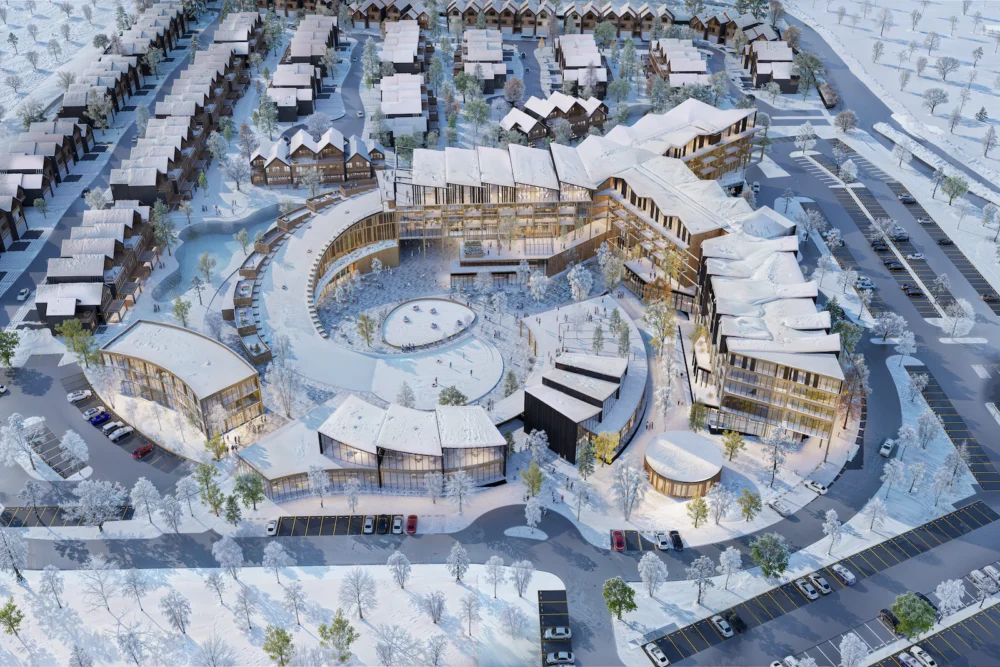
Beyond the logistical shifts in loyalty programs, February saw a surge in "experiential" hospitality, where hotels are no longer merely places to sleep but destinations for holistic wellness and hyper-local culture. The opening of the Alila Mayakoba in Mexico marks another milestone for Hyatt’s luxury portfolio, bringing its signature minimalist aesthetic and eco-conscious philosophy to the Riviera Maya. This opening coincides with a broader industry trend of brand proliferation, exemplified by IHG Hotels & Resorts launching its 21st brand. This rapid expansion reflects a strategic push by major hotel conglomerates to capture niche market segments, from "conversion" brands that allow independent hotels to join a global system to lifestyle brands targeting Gen Z and Millennial travelers who prioritize unique design over corporate uniformity.
The financial ecosystem of travel also evolved this month with Chase adding Wyndham Rewards as a transfer partner for its Ultimate Rewards program. This is a tactical win for cardholders, as it opens up a vast network of budget and mid-scale properties, as well as unique redemption opportunities through Wyndham’s partnership with Vacasa vacation rentals. For many travelers, the ability to transfer points to a program that covers everything from roadside motels to luxury condos adds a layer of versatility to their "points and miles" strategy that was previously missing from the Chase ecosystem.
In the realm of wellness, the industry is moving far beyond the traditional massage and sauna. The "Longevity" movement is taking center stage, particularly in Europe. The Lake Como Edition, set to debut its Longevity Spa in March, is a prime example of this evolution. Located in one of Italy’s most prestigious retreat destinations, the spa is designed to resemble a futuristic sanctuary. Its focus on biohacking—a practice of using science and technology to optimize the body’s performance—includes treatments like dry float therapy and hydrogen-oxygen therapy. These interventions are aimed at reducing inflammation and boosting collagen production, catering to a growing demographic of "wellness tourists" who view travel as an opportunity for biological "resetting."
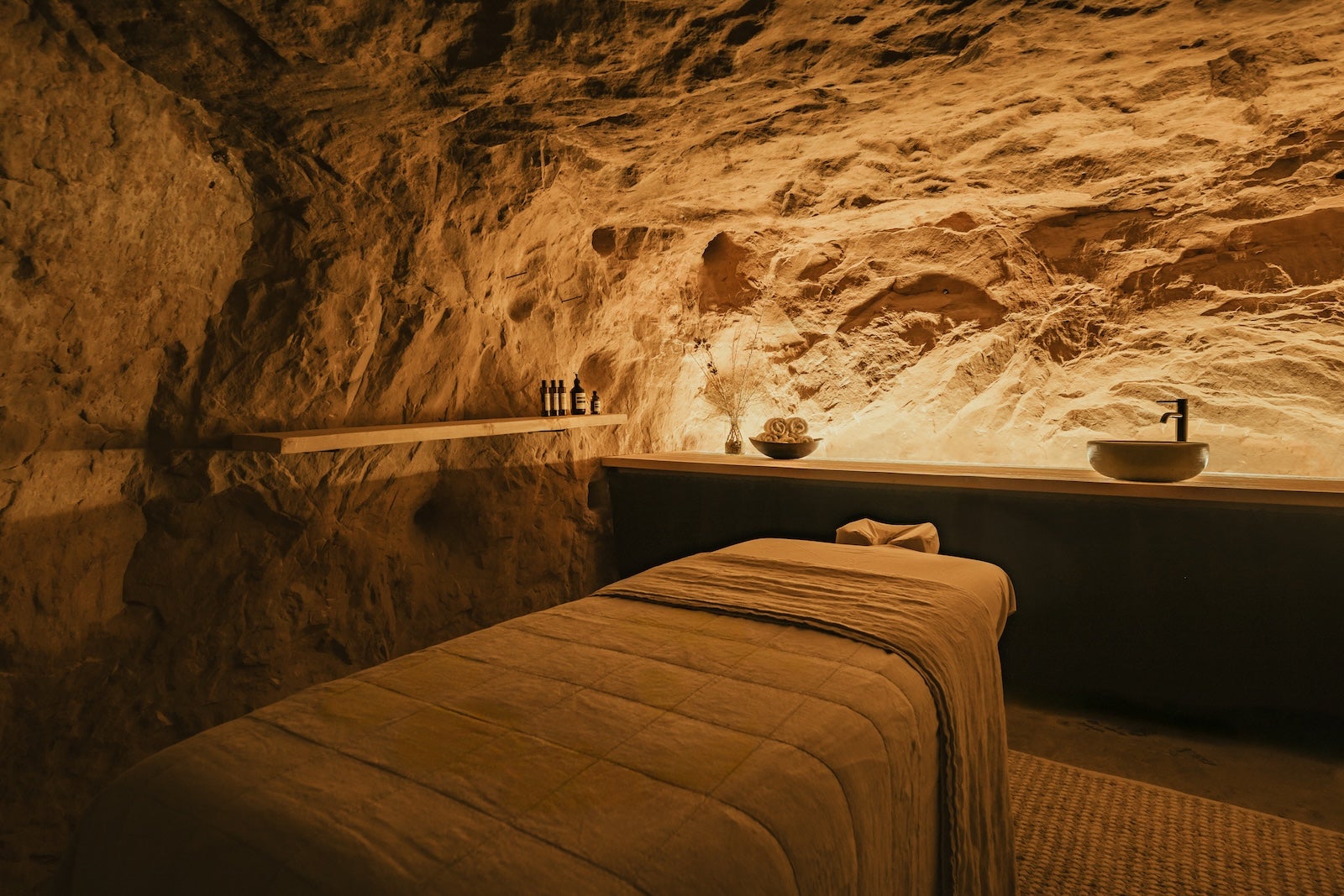
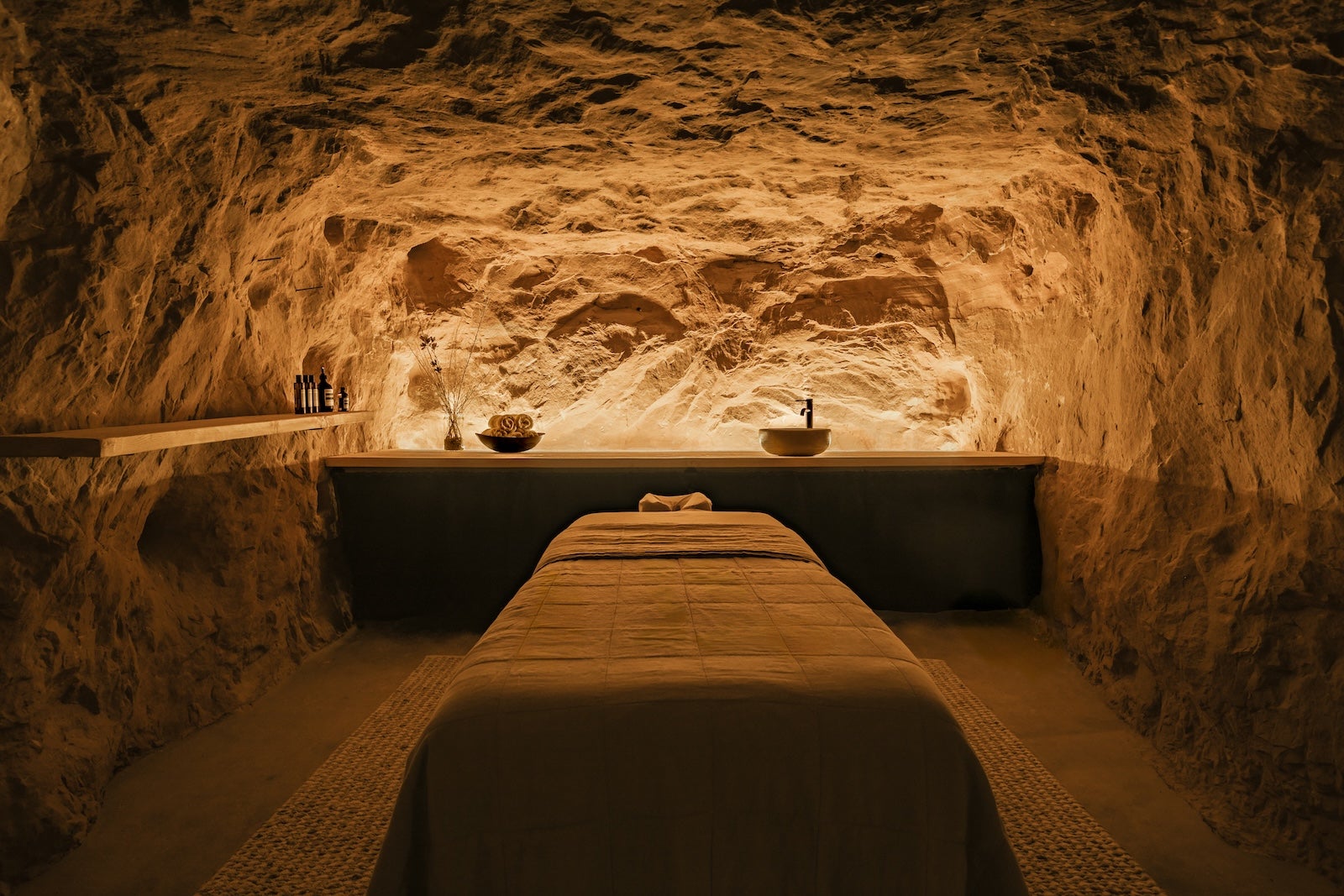
Simultaneously, the American West is embracing wellness through the lens of "nature immersion." In Utah, the luxury glamping brand Under Canvas is elevating its Ulum Moab property with the introduction of a massage cave. This "rock cave sanctuary" utilizes the natural thermal properties of the earth to maintain a serene, ambient temperature, offering a stark yet luxurious contrast to the rugged desert terrain of Moab. By integrating spa services into the natural geology of the site, Hyatt and Under Canvas are tapping into the "slow travel" movement, where guests seek out environments that feel fundamentally connected to the landscape.
Domestic hospitality in the United States is also seeing a resurgence of "Southern Charm" mixed with modern technology. The Alida Hotel in Savannah, Georgia—part of Marriott’s Tribute Portfolio—has introduced a whimsical yet highly functional "Biscuit Button." While technically a QR-code-based system, the feature allows guests to order a tray of fresh biscuits, butter, and jam to their room with a single scan. This move toward "frictionless indulgence" highlights a broader trend in the industry: the use of technology to deliver localized, high-touch experiences that feel personal rather than automated. It reinforces the idea that luxury is often found in the simplest comforts, provided they are delivered with regional authenticity.
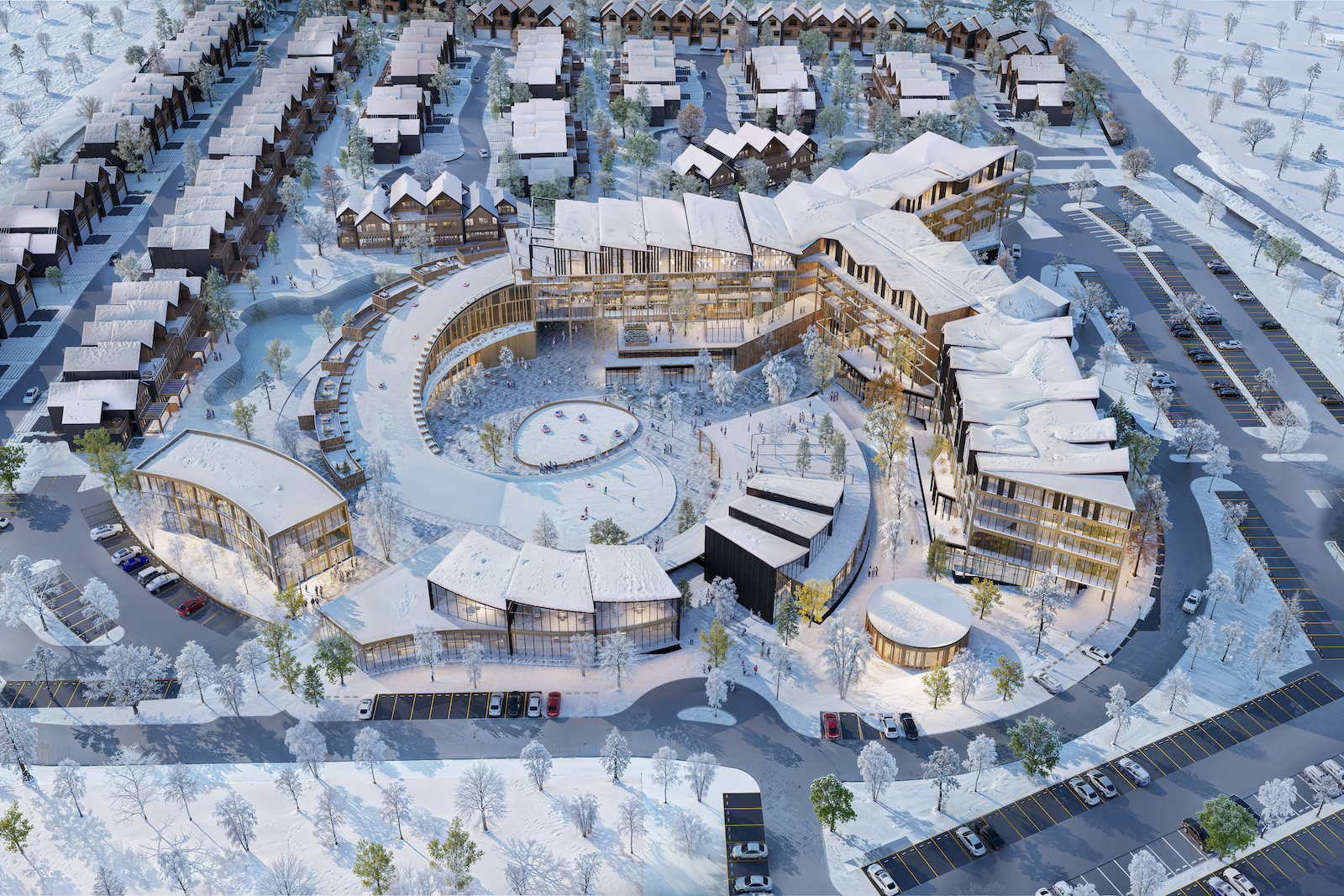
Looking toward the end of the decade, the development pipeline remains robust, with several brands venturing into new territories. Hyatt’s Andaz brand, known for its urban and resort lifestyle properties, is set to make its "alpine" debut in 2029 with the Andaz Heber Valley in Utah. This 85-room resort will provide a sophisticated alternative to the traditional lodge experience, offering World of Hyatt members a new luxury gateway to Utah’s premier ski slopes. The choice of Heber Valley is strategic, as it positions the hotel near the high-demand markets of Park City and Deer Valley while offering a slightly more secluded, boutique atmosphere.
International expansion is equally aggressive, with Hilton making significant moves in the Mediterranean and Southeast Asia. In 2027, the Conrad Meia Praia Algarve is scheduled to open on the southern coast of Portugal. The Algarve has long been a favorite for European holidaymakers, but it is currently seeing an influx of high-spending international travelers from North America and Asia. The new Conrad property will feature 116 ocean-facing rooms, positioning itself as a flagship for Hilton’s luxury offerings in the region. This development is part of a larger trend of "luxury clustering" in Portugal, as brands like W and Anantara also expand their footprint to meet the growing demand for upscale beach resorts.
In Vietnam, Hilton is leaning into the cultural heritage of the region with the Hilton Quang Hanh Onsen Resort. Located near the UNESCO World Heritage site of Ha Long Bay, this resort is a masterclass in cross-cultural hospitality. By incorporating traditional Japanese onsen (hot spring) culture into a Vietnamese mountain setting, the resort offers a unique therapeutic experience. With 178 villas and a focus on hydrotherapy, the property caters to the burgeoning East Asian luxury market, where hot spring resorts are viewed as essential for health and relaxation.
Perhaps the most culturally significant news of the month comes from Egypt, where Mandarin Oriental is planning a massive expansion. The brand is not only reopening the historic Shepheard Hotel in Cairo but is also taking over two of the most iconic properties in the country: the Sofitel Legend Old Cataract in Aswan and a sister property in Luxor. The Old Cataract, famously the setting for Agatha Christie’s "Death on the Nile," is a crown jewel of Victorian-era architecture. Mandarin Oriental’s stewardship of these properties, combined with the launch of a branded Nile river cruise, signals a "Grand Tour" revival. This strategy aims to capture the luxury traveler who wants to experience Egypt’s ancient wonders through a single, trusted brand lens, ensuring a consistent level of service from the bustling streets of Cairo to the tranquil waters of the Upper Nile.
Collectively, these updates from February illustrate an industry in a state of high-velocity evolution. From the restructuring of loyalty charts to the integration of biohacking and the preservation of historic landmarks, the hospitality world is responding to a more sophisticated, data-driven, and health-conscious consumer. Whether it is through the "Biscuit Button" in Georgia or a "Massage Cave" in Utah, the message is clear: the future of travel is about more than just a room; it is about the curated, unforgettable moments that happen within and around it. As we move toward the rollout of Hyatt’s new pricing and the opening of these global resorts, travelers are encouraged to be both strategic with their points and adventurous with their itineraries.