
 By Titik Puspa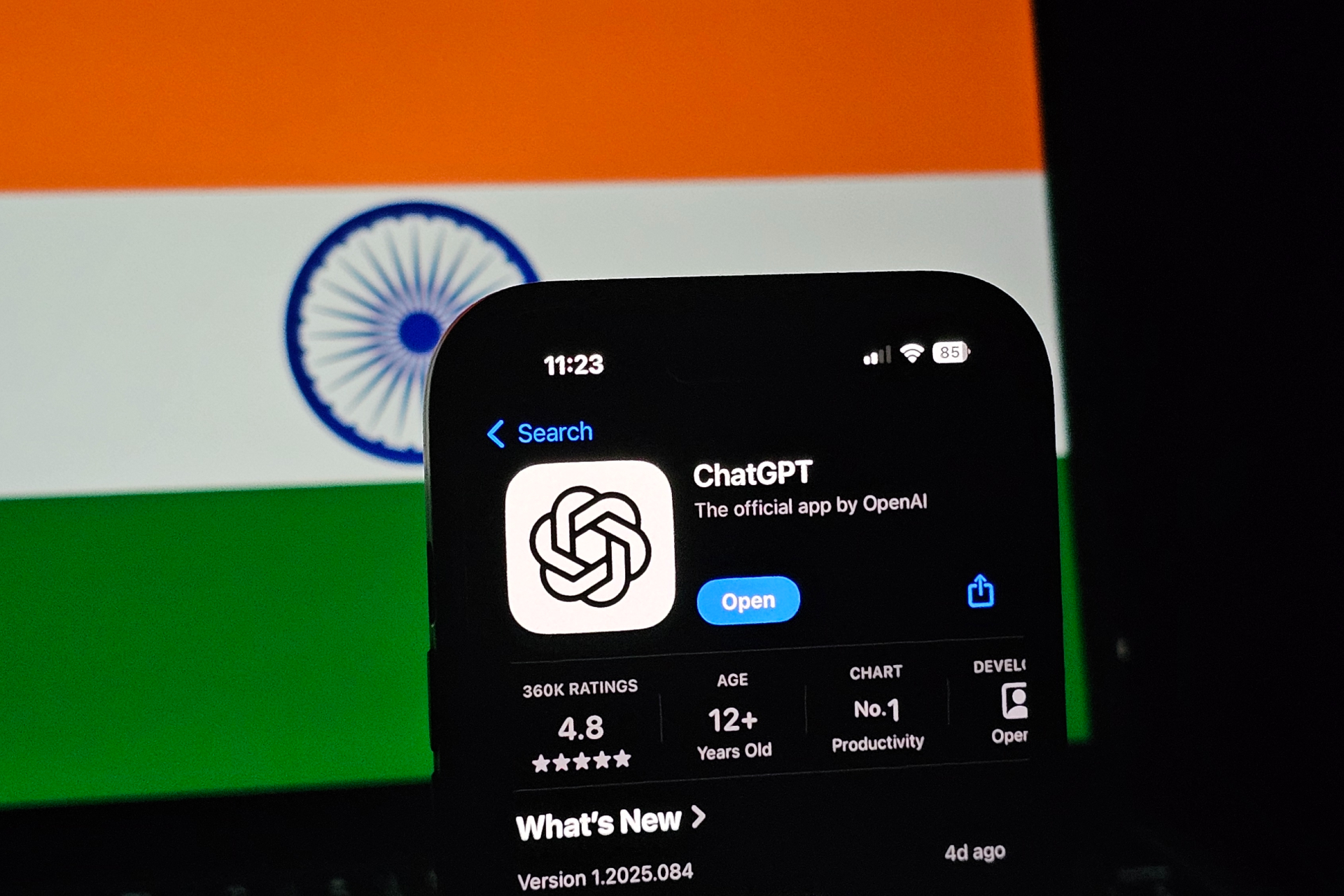
In a significant revelation highlighting India’s burgeoning role in the global artificial intelligence landscape, OpenAI CEO Sam Altman announced that the nation boasts an astonishing 100 million weekly active users of ChatGPT. This staggering figure positions India as one of OpenAI’s largest and most crucial markets worldwide, a testament to the country’s rapid digital adoption and its increasingly central position in the AI revolution. Altman’s announcement, made just ahead of a pivotal government-hosted AI summit, underscores the strategic importance of India for leading AI development and deployment.
Altman’s insights into ChatGPT’s remarkable growth trajectory in India were shared through an opinion piece published in the esteemed Indian English daily, The Times of India. This timely article coincides with OpenAI’s formal participation in the five-day India AI Impact Summit, commencing in New Delhi. The summit itself promises to be a landmark event, drawing together senior executives from many of the world’s most influential AI companies, signifying India’s ambition to be at the forefront of global AI discussions and policy-making. Altman’s presence at the summit alongside other AI luminaries further amplifies the significance of this gathering.
The exponential growth of ChatGPT in India is part of a broader trend among leading AI firms, including OpenAI, to tap into the nation’s vast and youthful demographic, coupled with its more than a billion internet users, as a powerful engine for global expansion. Recognizing this potential, the ChatGPT maker strategically established its New Delhi office in August 2025, following months of meticulous groundwork and engagement within the country. OpenAI has demonstrated a nuanced understanding of the Indian market’s unique characteristics, particularly its price sensitivity. This has led to innovative pricing strategies, including the introduction of a competitively priced sub-$5 ChatGPT Go tier, a move that was later enhanced by making this accessible plan free for all Indian users for an entire year. This aggressive pricing and accessibility strategy has clearly resonated with a wide swathe of the Indian population.
In his op-ed, Altman explicitly stated that India now stands as ChatGPT’s second-largest user base, trailing only the United States. This declaration underscores the South Asian nation’s rapidly escalating influence on OpenAI’s overarching global strategy. The disclosure arrives at a time when ChatGPT’s overall worldwide usage has experienced an unprecedented surge. As of October 2025, the platform had already achieved a monumental 800 million weekly active users, with recent reports indicating it is rapidly approaching the 900 million mark. This widespread adoption, particularly in a diverse and populous nation like India, significantly contributes to these global figures and highlights the platform’s immense reach.
Altman further illuminated a key driver behind this impressive adoption: the significant role played by students. He emphasized that India hosts the largest cohort of student users of ChatGPT globally. This insight points to a critical demographic that is not only embracing AI tools for learning but is also likely to be instrumental in shaping future AI adoption and innovation within the country and beyond. The eagerness of Indian students to engage with advanced AI technologies suggests a generation that is digitally native and forward-thinking, poised to leverage these tools for academic and professional advancement.
The prominence of Indian students as a key growth segment for leading AI companies extends beyond just ChatGPT. Major players are actively vying to integrate their AI tools into educational environments and learning workflows across India. Google, for instance, has mirrored this strategy by offering Indian students a complimentary one-year subscription to its AI Pro plan in September 2025. This initiative reflects a broader understanding that the education sector represents a significant gateway for AI adoption. Furthermore, Chris Phillips, Google’s Vice President and General Manager for Education, recently highlighted that India accounts for the highest global usage of Gemini specifically for learning purposes. This indicates a strong preference and a substantial engagement with AI tools within the Indian academic community.
Altman’s vision for India’s role in the AI revolution was articulated with optimism. He wrote, "With its focus on access, practical AI literacy, and the infrastructure that supports widespread adoption, India is well positioned to broaden who benefits from the technology and to help shape how democratic AI is adopted at scale." This statement reflects a belief in India’s potential to not only benefit from AI but also to influence its ethical and equitable development globally. The emphasis on "democratic AI" suggests a desire for AI technologies that are accessible to all and serve the broader societal good, a principle that resonates deeply with India’s developmental aspirations.
However, the rapid growth of ChatGPT and other AI tools in India also brings to the fore a critical challenge for AI companies: the complex task of translating widespread adoption into sustained and meaningful economic impact. While the user numbers are impressive, the path to monetization and robust economic returns in the Indian market is nuanced. To address these potential gaps, the Indian government has launched ambitious initiatives such as the IndiaAI Mission. This national program is designed to bolster computing capacity, provide crucial support to AI startups, and accelerate the integration of AI technologies into public services. Such government-led efforts are vital for creating an ecosystem that fosters both innovation and widespread societal benefit from AI.
Despite these efforts, the inherent characteristics of the Indian market, including its price-sensitive consumer base and existing infrastructure constraints, present unique challenges for large-scale deployment and monetization compared to more developed economies. The affordability of AI services and the accessibility of robust digital infrastructure are critical factors that will determine the pace and extent of AI’s economic integration. Overcoming these hurdles will require continued innovation from both technology providers and policymakers.
Altman also sounded a note of caution, emphasizing the potential ramifications of uneven AI adoption. He wrote, "Given India’s size, it also risks forfeiting a vital opportunity to advance democratic AI in emerging markets around the world." This warning highlights the risk that if access and adoption remain concentrated among a select few, the economic benefits of AI could be disproportionately enjoyed by a small segment of the population, exacerbating existing inequalities. The aspiration for "democratic AI" necessitates a concerted effort to ensure that the transformative power of artificial intelligence is distributed equitably.
Looking ahead, Altman signaled OpenAI’s intent to forge deeper ties with the Indian government. He indicated that the company is poised to announce new partnerships in the near future, specifically aimed at expanding access to AI technologies across the country. While specific details were not disclosed, the stated focus is on broadening the reach of AI tools and empowering a larger segment of the population to leverage them for practical applications. This commitment suggests a long-term strategic vision for OpenAI in India, moving beyond user acquisition to fostering deeper integration and impact.
The India AI Impact Summit itself serves as a significant platform, expected to convene a diverse array of global technology leaders and political figures. Anticipated attendees include Dario Amodei, CEO of Anthropic; Sundar Pichai, CEO of Google; and prominent Indian business figures such as Mukesh Ambani and Nandan Nilekani. The presence of international political leaders, including Emmanuel Macron, Sheikh Khaled bin Mohamed bin Zayed Al Nahyan, and Luiz Inácio Lula da Silva, further underscores India’s growing stature and its ambition to position itself as a pivotal player in global AI discourse and policy. This confluence of leaders signifies the international recognition of India’s emerging role in shaping the future of AI.
For global AI firms, the summit underscores a pivotal shift: India’s vast user base is no longer just a market but is increasingly translating into significant influence over the trajectory and evolution of artificial intelligence itself. The preferences, needs, and adoption patterns observed in India are likely to inform product development, ethical considerations, and regulatory frameworks for AI technologies worldwide. As these companies navigate the complexities and opportunities of the Indian market, they are simultaneously contributing to and being shaped by the nation’s unique approach to AI. OpenAI, in particular, has demonstrated a proactive engagement strategy, recognizing that sustained success in India requires a deep understanding of local dynamics and a commitment to inclusive growth.