
 By Isnaini Azizah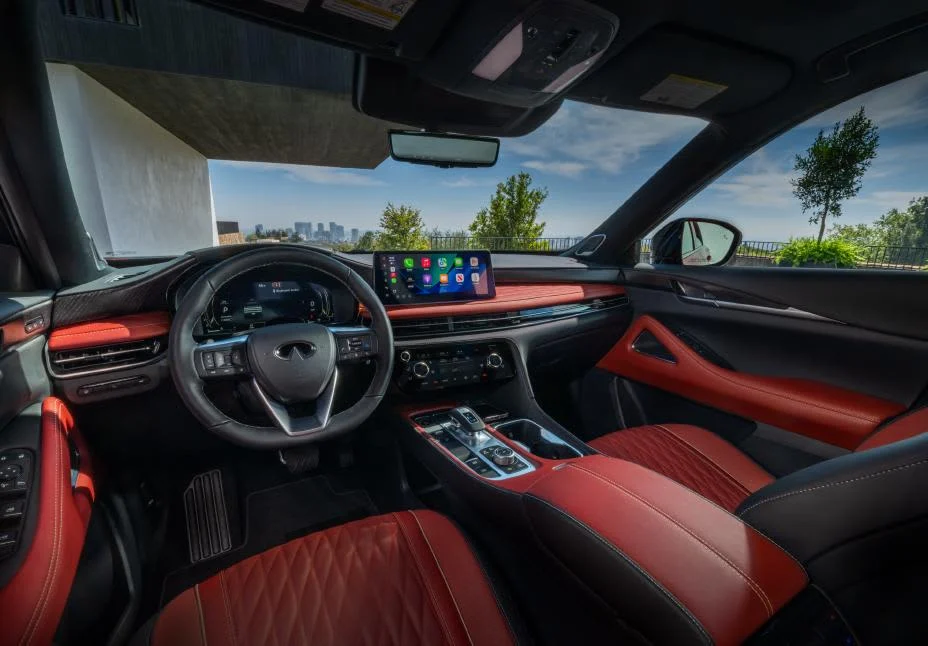
At the heart of the 2027 Infiniti QX65 lies a 268-horsepower VC-Turbo engine, a piece of sophisticated engineering that delivers 286 foot-pounds of torque. The "VC" stands for Variable Compression, a proprietary Nissan technology that allows the engine to physically transform its compression ratio on the fly. This enables the vehicle to optimize for either high-performance power or maximum fuel efficiency depending on driver input, providing a bridge between the raw power of traditional luxury SUVs and the efficiency demands of modern consumers. Inside the cabin, the QX65 leans heavily into the digital age, featuring a dual 12.3-inch display setup that integrates infotainment and driver instrumentation into a seamless, high-definition interface. This technological focus is critical for a brand that has recently been criticized for aging interiors and lagging behind the rapid innovation cycles of European and domestic competitors.
The stakes for this launch could not be higher. Eric Ledieu, vice president of Infiniti Americas, characterized the QX65 as the vehicle that "accelerates INFINITI into its next era." This "next era" is necessitated by a sobering reality: Infiniti has been in a state of precipitous decline for several years. In 2017, the brand reached its zenith in the United States, moving a record 153,000 vehicles. It was a time when Infiniti was seen as a legitimate, spirited alternative to Lexus and the German "Big Three." However, the years following that peak have been characterized by what industry analysts call a "product lull." According to data from Haig Partners, a firm specializing in automotive dealer transactions, Infiniti sales have plummeted 65.6% from their 2017 peak. Last year, the brand managed to sell only about a third of its record high, and in 2025 alone, sales dipped another 9% compared to the previous year.
The report from Haig Partners paints a stark picture of a brand in a "tough position," noting that until the arrival of the QX65, Infiniti has been operating with a dangerously thin lineup of only two primary nameplates on many dealer lots. This lack of variety has made it difficult for retailers to maintain foot traffic and brand loyalty. In contrast, Infiniti’s primary Japanese rival, Lexus, has seen its fortunes soar. Even after a record-breaking 2024, Lexus saw sales climb an additional 7.1% in 2025. Acura, another key competitor, also managed a slight growth of just under 1% during the same period. The divergence suggests that while the luxury market remains healthy, consumers have been migrating away from Infiniti toward brands with more frequent product updates and a clearer identity.
Stephanie Brinley, a principal automotive analyst at S&P Global Mobility, points out that Infiniti’s struggles are partly tied to the broader challenges faced by its parent company, Nissan. "Nissan has had a lot on its plate," Brinley noted, referencing the corporate restructuring and leadership transitions that have occupied the company in recent years. While the intent to support Infiniti as a premium pillar has always existed, the execution has "faltered a little bit" due to these external pressures. The result was a period where Infiniti lacked the "aggressive cadence" of new models required to keep pace with the industry.
The QX65 is designed to address this by targeting the midsize SUV segment—one of the most lucrative and high-volume categories in the United States. To compete, Infiniti is employing an aggressive pricing strategy. With a starting manufacturer’s suggested retail price (MSRP) of $53,990, the QX65 is positioned as a high-value proposition. According to Cox Automotive, the average luxury midsize vehicle currently commands an MSRP of approximately $77,000. By undercutting the segment average by more than $20,000, Infiniti is hoping to lure buyers who want the prestige and features of a luxury SUV without the skyrocketing price tags associated with brands like BMW, Mercedes-Benz, or Porsche.
Design-wise, the QX65 looks to the past to find its future. Brinley and other observers have noted that the vehicle draws significant inspiration from the old Infiniti FX line. The original FX, which debuted in the early 2000s, was a revolutionary vehicle for its time. It eschewed the boxy, utilitarian look of traditional SUVs in favor of a sleek, "bionic cheetah" aesthetic that emphasized performance and style. "Those vehicles were terrific," Brinley remarked, recalling their "super stylish" and "performance-oriented" nature. By channeling the spirit of the FX, Infiniti is attempting to reclaim its reputation for daring design—a move that could resonate with Gen X and Millennial buyers who remember the brand’s era of peak coolness.
The manufacturing of the QX65 will take place at Nissan’s sprawling assembly plant in Smyrna, Tennessee. This domestic production is a strategic move, ensuring that the brand can respond quickly to U.S. market demands and navigate global supply chain complexities more effectively. The choice of Smyrna also underscores the brand’s commitment to the American market, which remains the primary theater for its survival. Vehicles are expected to begin arriving at retailers in early summer of 2026 as 2027 models, marking the start of a new, albeit deliberate, product rollout.
Infiniti has announced that it will not attempt a frantic, overnight transformation. Instead, the company plans to release one new vehicle annually over the next five years. This "one-per-year" cadence is a calculated risk; while it ensures that the brand remains in the news cycle with fresh offerings, it also means that the turnaround will be a slow, methodical process. For a brand currently sitting in a "tough position," this measured approach is intended to ensure quality and brand consistency rather than flooding the market with half-baked designs.
The road to recovery is fraught with challenges. The luxury automotive sector is currently undergoing a massive shift toward electrification, and Infiniti will need to balance its traditional internal combustion and VC-Turbo offerings with a credible EV strategy in the coming years. Furthermore, the brand must rebuild its dealer network’s confidence. Years of declining sales have strained the relationship between the manufacturer and its retail partners, many of whom have had to rely on a limited inventory to survive.
However, the QX65 represents a legitimate "reset" button. By combining high-tech engine technology, a competitive price point, and a design language that evokes the brand’s most successful era, Infiniti is making its most coherent play for the American consumer in nearly a decade. The use of high-profile influencers like Gronkowski and Edelman, combined with a high-visibility launch in the heart of Manhattan, suggests a marketing budget and a level of corporate ambition that has been absent for some time.
As Stephanie Brinley concluded, "Hopefully they can turn this into a turnaround. But it’s going to take some time." The 2027 QX65 is not merely a car; it is the first step in a long-distance marathon. Whether it can truly "accelerate" Infiniti back to the 150,000-unit heights of 2017 remains to be seen, but for the first time in years, the brand has a modern, competitively priced weapon in the heart of the SUV market. As the first units roll off the line in Smyrna next year, the automotive industry will be watching closely to see if this Japanese icon can regain its luster or if the "product lull" has left a gap too wide to close.