
 By admin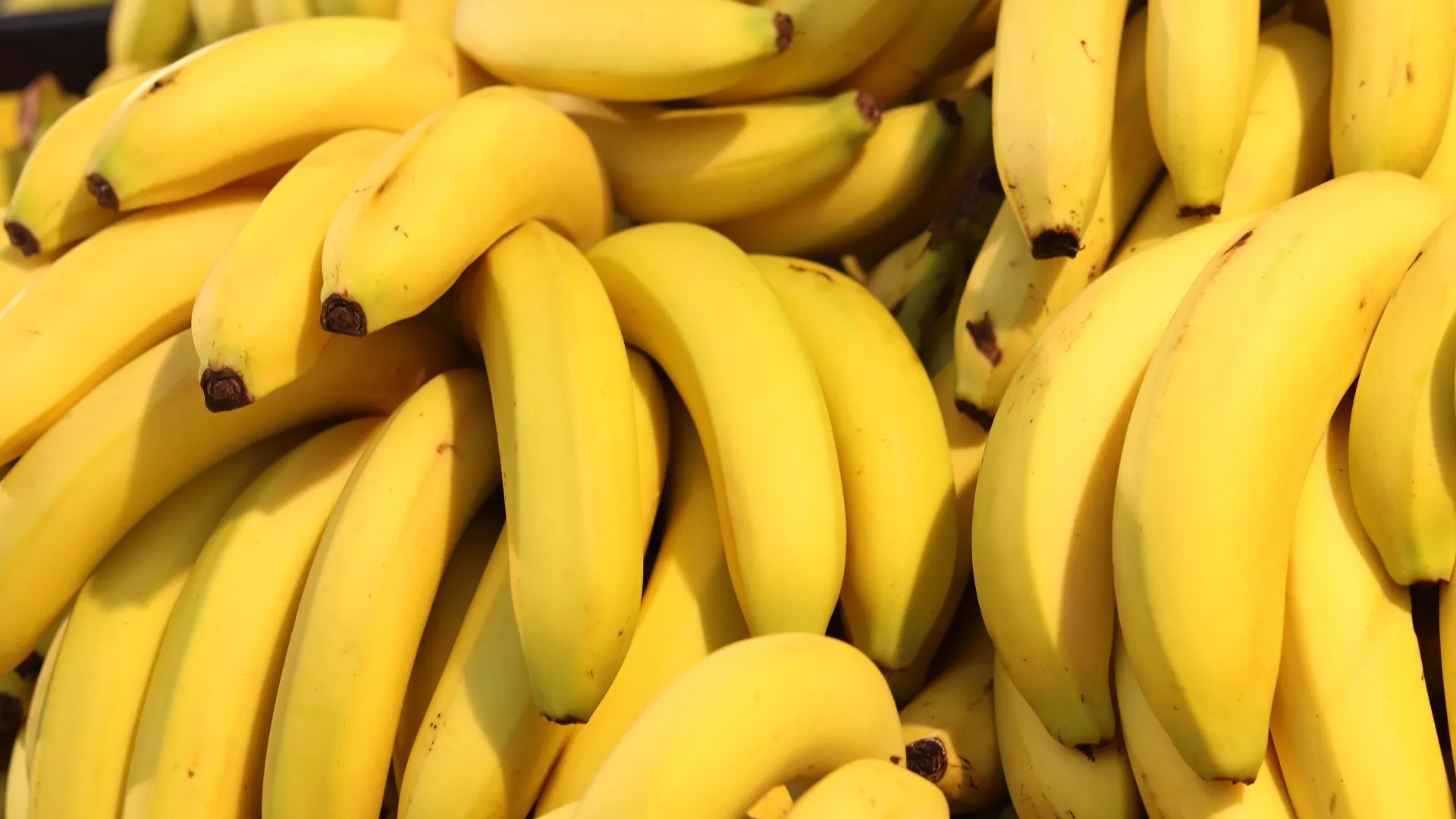
An interdisciplinary team of researchers spanning soil science, environmental engineering, and public health from the University of São Paulo (USP) and the Federal University of Espírito Santo (UFES) in Brazil, alongside the University of Santiago de Compostela in Spain, has conducted a critical investigation into the safety of crops cultivated in the vicinity of the Doce River estuary. Specifically focusing on the municipality of Linhares, Espírito Santo, the area has been under persistent environmental stress due to contamination by iron mining waste since the catastrophic collapse of the Fundão tailings dam in Minas Gerais in November 2015. Their comprehensive study aimed to determine whether locally grown produce posed a potential health risk to consumers, particularly vulnerable populations.
The Fundão dam collapse, occurring on November 5, 2015, near Mariana, Minas Gerais, stands as Brazil’s—and arguably one of the world’s—most devastating environmental disasters. Owned by Samarco, a joint venture between the Brazilian mining giant Vale and the Anglo-Australian BHP Billiton, the dam unleashed an estimated 60 million cubic meters of toxic iron ore tailings. This "mud tsunami" tragically claimed 19 lives, obliterated entire communities, and scoured over 600 kilometers of the Doce River basin, ultimately discharging into the Atlantic Ocean. The sheer volume and hazardous composition of the tailings, laden with heavy metals and other mining byproducts, transformed the river into a lifeless artery, profoundly impacting biodiversity, water quality, and the livelihoods of countless communities reliant on the river system. The environmental fallout has been ongoing, with long-term monitoring and remediation efforts still grappling with the pervasive contamination.
Against this backdrop of enduring ecological trauma, the research team honed its focus on three staple crops integral to the local diet and economy: bananas, cassava, and cocoa pulp. These crops were selected due to their widespread cultivation in areas affected by the disaster and their significance as food sources for the local population. The investigation meticulously examined the levels of several potentially toxic elements (PTEs)—cadmium, chromium, copper, nickel, and lead—all known to be associated with iron oxides, the primary constituent of the mining tailings. The findings from their rigorous analysis painted a concerning picture, particularly for young children: consuming bananas cultivated in the contaminated soil may present a significant potential health risk for children aged six years and younger.
"Our research group has been deeply immersed in studying the multifarious impacts of the Fundão dam collapse for years, a commitment born from the immediate recognition of the disaster’s profound scale," recounted Tiago Osório, a distinguished agronomist and professor in the Department of Soil Science at the Luiz de Queiroz College of Agriculture at the University of São Paulo (ESALQ-USP). "We managed to obtain the very first samples just seven days after the catastrophic accident. That early sampling unequivocally revealed an imminent and widespread risk of contamination across various environmental compartments—plants, soil, water bodies, and aquatic life, including fish. However, a crucial and more complex question lingered: Does this pervasive contamination translate into a tangible and direct risk to human health, especially through the food chain?" This pressing question became the driving force behind the current comprehensive study.
The detailed methodology and significant findings of this study were recently published in the esteemed journal Environmental Geochemistry and Health. The article elucidates the intricate mechanisms by which plants absorb potentially toxic elements (PTEs) from mining waste-laden soils and subsequently store these contaminants within their edible tissues. Furthermore, it meticulously outlines the pathways through which these hazardous substances can migrate from the environment into the human food supply, posing a direct threat to public health. This groundbreaking research constitutes a pivotal component of Amanda Duim’s doctoral work at ESALQ, under the guidance of Professor Osório. Duim’s exceptional thesis has already yielded an impressive seven international publications, a testament to its breadth and impact. Her scholarly contributions have garnered significant recognition, including two major accolades anticipated in 2025: the prestigious USP Thesis Award in Sustainability and the highly competitive Capes Thesis Award, bestowed by the Brazilian Ministry of Education’s Coordination for the Improvement of Higher Education Personnel (CAPES), which recognizes outstanding doctoral research nationwide. Duim’s doctoral studies were made possible through generous support from FAPESP, Brazil’s leading research funding agency, via a doctoral scholarship.
How Contaminated Soil Transfers Metals Into Plants
Amanda Duim, the lead author of the study, emphasized the research’s unique contribution in establishing a direct and quantifiable link between the movement of potentially toxic elements from contaminated soil and their accumulation in crops, ultimately correlating this transfer to human health risks. "A critical finding of our work is the direct correlation between the iron oxide content present in the soil—which, notably, constitutes the main component of the mining tailings—and its corresponding content within the plant tissues," Duim explained. "Our investigation meticulously traced the pathway of these constituents, originating from the tailings in the soil, moving into the water absorbed by plants, and subsequently being translocated throughout the plant structure, including its leaves and, crucially, its fruits."
The process by which plants absorb these elements is complex, influenced by various factors such as soil pH, organic matter content, and the specific chemical speciation of the metals. Heavy metals in soil can exist in different forms, some more "bioavailable" (i.e., readily taken up by living organisms) than others. When iron oxides, which act as a sink for many heavy metals, undergo dissolution or interact with plant root exudates (organic acids released by roots), the bound metals can be released into the soil solution, becoming available for plant uptake.
Professor Osório underscored the foundational necessity of understanding the contaminants themselves: "Before we can even begin to comprehend the intricate biochemical dynamics of their release and subsequent uptake, we must first establish precisely which elements are present in the contaminated environment and, critically, in what quantities." This initial characterization is vital for predicting the behavior of these elements in the soil-plant system and assessing their potential impact.
Duim commenced her doctoral research in 2019 with an initial focus on exploring whether specific plant species, particularly those thriving in flood-prone areas, possessed the capacity to assist in the restoration of contaminated environments. Her early work involved evaluating both cultivated crops and native plant species. "In the case of native species, our objective was to investigate their role in affecting the dissolution of iron oxide. Through this process, we sought to understand if and how the PTEs associated with this waste material could enter the plant, given that different species exhibit varying abilities to accumulate these elements," she elaborated. "The broader aim was to identify the most effective native species for phytoremediation—the use of plants to clean up contaminated sites—and we successfully identified more than one species capable of fulfilling this crucial function, with these results already published. Conversely, for cultivated species, our primary concern shifted to whether these potentially toxic elements would be transferred to the fruits and other edible parts of the plants, directly impacting food safety." This strategic shift from phytoremediation potential to direct food safety assessment highlights the evolving understanding of the disaster’s long-term implications.
To accurately quantify the contamination levels, the researchers implemented a rigorous and systematic sampling protocol. They meticulously collected both soil and plant samples from the affected areas, ensuring representative collection and minimizing external contamination. Once collected, the fresh plant samples underwent a series of preparatory steps: they were thoroughly washed to remove surface contaminants, then weighed. Following this, they were carefully dried in controlled conditions and weighed again to determine dry biomass, a standard metric in plant analysis. Crucially, the plant material—roots, stems, leaves, and peeled fruits—was ground separately into a fine powder. "We then proceeded to dissolve this ‘plant powder’ by transforming it into a solution using a combination of various strong acids," Duim described. "This acidic digestion process ensures that all the bound metals are released into the solution. Subsequently, we determined the precise concentration of these elements in the solution using highly sensitive analytical techniques such as Inductively Coupled Plasma Mass Spectrometry (ICP-MS). Finally, we converted this concentration calculation back to the original weight of the diluted plant material, thereby obtaining the PTE concentration expressed in milligrams per kilogram of dry biomass, a standard unit for reporting contaminant levels in plant tissues."
The analysis of plant tissues revealed distinct patterns of accumulation among the crops studied. In both bananas and cassava, a significant majority of the potentially toxic elements, with the notable exception of chromium, were found to accumulate in higher concentrations below ground, specifically in their roots and tubers. This pattern is often observed in root crops, as their edible parts are in direct contact with the soil, and they serve as storage organs for absorbed nutrients and, unfortunately, contaminants. Cocoa, however, exhibited a different accumulation profile, with elevated levels of PTEs detected in its stems, leaves, and, critically, its fruits. Within the cocoa pulp, a concerning finding emerged: the concentrations of both copper and lead exceeded the maximum permissible limits established by the Food and Agriculture Organization of the United Nations (FAO) for human consumption.
Upon discovering that certain edible portions of these staple crops contained PTE levels surpassing internationally recognized safety standards, the research team recognized the imperative to move beyond mere quantification and conduct a formal and comprehensive human health risk assessment. This step was crucial to translate the analytical findings into actionable insights regarding potential dangers to the local population.
Health Risk Assessment for Children and Adults
To precisely evaluate the potential health implications for the local population, the scientists employed a standardized human health risk assessment framework. They calculated the risk quotient (RQ), risk index (RI), and total risk index (TRI) for individuals consuming bananas, cassava rhizomes, and cocoa pulp grown in the contaminated areas. A crucial aspect of this assessment was the separate evaluation of two distinct population groups: young children (defined as under six years of age) and adults (over 18 years of age). The Risk Quotient (RQ) serves as a comparative metric, juxtaposing a person’s estimated daily intake of a specific substance from the consumed food against a predetermined reference dose that is considered safe for daily exposure. The Total Risk Index (TRI) is a comprehensive measure designed to determine the potential for non-carcinogenic health risks stemming from cumulative exposure to multiple potentially toxic elements. A TRI value below 1 is generally interpreted as indicating a low or negligible risk of adverse non-carcinogenic health effects.
"It is important to acknowledge that these elements, such as lead and cadmium, exist naturally in the environment, and consequently, we are all exposed to them, albeit typically at much lower, background concentrations," explained Tamires Cherubin, a health sciences Ph.D. and a co-author of the study, emphasizing the natural presence of these substances. "However, in the aftermath of an environmental catastrophe like the one that unfolded in Mariana, where exposure levels are expected to increase significantly and acutely, it becomes absolutely imperative to exercise an elevated degree of caution and scrutiny." Standard toxicological methods are employed to evaluate the bioavailability of these elements—that is, the proportion of the ingested substance that is actually absorbed by the body and becomes available to cause systemic effects. Cherubin highlighted the range of severe health consequences associated with elevated concentrations of these metals, which can include chronic kidney and heart problems, acute gastrointestinal discomfort, and lung damage if inhaled. In the short term, more immediate effects such as skin irritation and eye problems can also manifest.
To ensure the relevance and accuracy of their risk assessment, the researchers meticulously factored in the local dietary habits and consumption patterns of the residents. They utilized detailed food consumption data obtained from the Brazilian Institute of Geography and Statistics (IBGE), which provided robust information on how much locally grown food residents typically consume. Additionally, the assessment considered other critical parameters: the potential duration of an individual’s exposure to these contaminated food sources, the significant differences in body weight between children and adults (children having a higher intake relative to their body mass), and the necessary time frame for harmful health effects to develop following chronic exposure.
Cherubin elaborated on the specific safety thresholds used in their calculations: "According to the internationally recognized reference daily intake doses for contaminants, as extensively covered by the scientific literature, we considered the following limits for the presence of these elements in fruits and tubers: for cadmium, 0.05 mg/kg-1 in fruits and 0.1 mg/kg-1 in tubers; for chromium, 0.5-1.0 mg/kg-1; for copper, 20.0 mg/kg-1; for nickel, 0.5-1.0 mg/kg-1; for lead, 0.8-2.3 mg/kg-1; and for zinc, 50.0 mg/kg-1." These reference doses are crucial for benchmarking observed contamination levels against established safe intake limits.
The results of the health risk assessment provided a mixed but concerning picture. For most of the metals analyzed, the calculated TRI values remained below 1 for adults consuming these foods from the Doce River estuary, suggesting a low likelihood of significant non-carcinogenic health risks for the adult population. However, a stark exception emerged: the TRI for bananas consumed by children significantly exceeded the threshold of 1, signaling possible and substantial health concerns for this vulnerable demographic. Elevated lead levels were identified as the primary driver behind this alarming finding, with cadmium concentrations in bananas also surpassing the recommended limits set by the FAO. The researchers underscored the severe implications of chronic lead exposure, emphasizing that even at low levels, it can inflict permanent damage on brain development in children, potentially leading to a measurable reduction in IQ scores and contributing significantly to attention deficits and behavioral problems that can persist throughout their lives.
Long-Term Cancer Concerns and Ongoing Exposure
Beyond the immediate non-carcinogenic risks, the research team issued a critical caution regarding the cumulative effects of prolonged exposure. They highlighted that consuming food grown in contaminated soil over many years, potentially spanning decades, could lead to insidious and severe health outcomes. "Over an extended period, particularly when considering the average life expectancy in Brazil, which currently hovers around 75 years, there exists a very real possibility of a significant carcinogenic risk," warned Cherubin. "This is due to the potential for both direct and indirect damage to cellular DNA, which can accumulate over time." Such chronic genetic damage is known to increase the likelihood of developing various cancers, specifically affecting the central nervous system, the digestive tract, and the vital blood-forming tissues. "Ultimately, the manifestation and severity of these long-term health effects are contingent upon the human body’s intrinsic capacity to effectively absorb, metabolize, and detoxify these potentially harmful elements that are continually available in the environment," she added, highlighting the variability in individual susceptibility.
The findings of this study carry profound implications for public health policy and environmental management in the regions affected by the Fundão disaster. They underscore the critical need for continuous, long-term monitoring of agricultural produce in the Doce River basin, particularly in areas susceptible to tailings contamination. Beyond monitoring, there is an urgent demand for robust public health interventions, which may include targeted dietary advice for vulnerable populations, especially children, and potentially the implementation of alternative food sourcing strategies to mitigate exposure risks. Furthermore, the research provides a compelling impetus for the development and deployment of effective soil remediation technologies to reduce the bioavailability of these toxic metals in agricultural lands. This scientific work serves as a stark reminder of the enduring legacy of environmental catastrophes and the paramount importance of safeguarding the food supply to protect human health, particularly that of the youngest and most vulnerable members of society. Future research should focus on long-term biomonitoring of residents in affected areas, expanding crop testing to a wider variety of locally consumed produce, and evaluating the efficacy of different remediation strategies to ensure the sustainable recovery and safety of the Doce River region.