
 By admin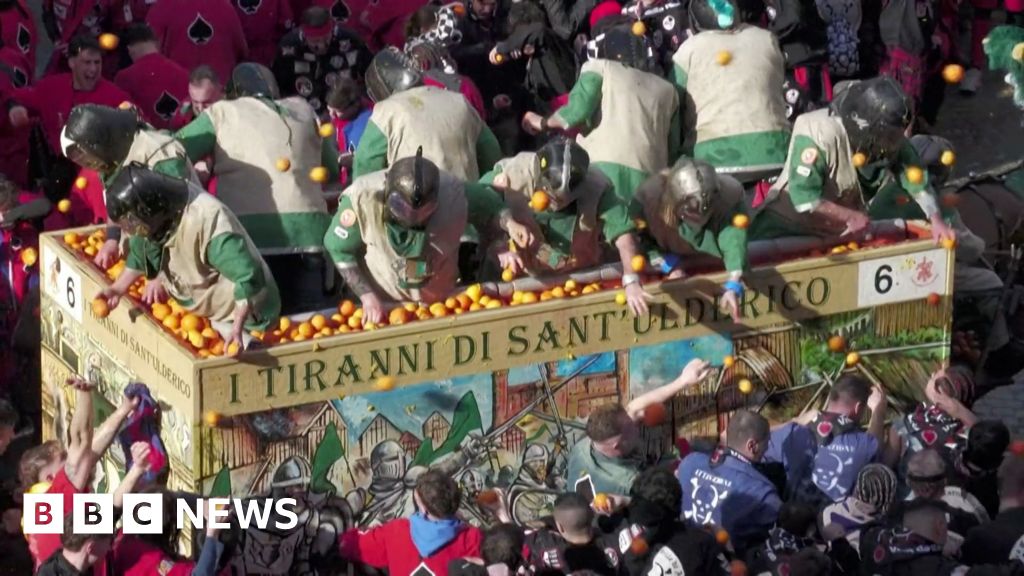
In the heart of Piedmont, nestled near the majestic Alps and the vibrant city of Turin, the ancient town of Ivrea has once again ignited its streets with a tradition as exhilarating as it is steeped in history: the annual Battle of the Oranges. This extraordinary carnival celebration, a visceral reenactment of a pivotal moment in Ivrea’s past, transforms the picturesque medieval town into a battlefield of citrus, where thousands of participants engage in a spirited and surprisingly strategic hurling of oranges, all in the name of commemorating a legendary act of defiance.
The roots of Ivrea’s carnival run deep, intertwining with the very fabric of the town’s identity. Unlike many carnivals that focus on revelry and masked parades, Ivrea’s is a potent narrative, a living history lesson played out with a unique, fruity intensity. At its core lies the legend of Violetta, a courageous miller’s daughter who, according to local lore, ignited a popular uprising against a tyrannical lord who was systematically starving the town. Her bravery and the subsequent rebellion are not just remembered; they are actively relived each year, with the vibrant, tangy projectiles serving as the tangible representation of the people’s struggle and ultimate triumph.
The Battle of the Oranges is a meticulously orchestrated spectacle, a testament to the enduring power of collective memory. The town is divided into nine distinct teams, each representing the heroic factions of commoners who rose up against oppression. These "foot soldiers" are the heart of the popular rebellion, their numbers swelling with enthusiastic townsfolk and visitors alike, all armed with an arsenal of oranges. Their adversaries, representing the oppressive feudal armies, are mounted on magnificent, horse-drawn carriages, their ranks filled with skilled throwers who unleash a barrage of citrus from their elevated positions. The contrast between the grounded determination of the foot teams and the imposing presence of the carriage teams creates a dynamic and visually arresting spectacle. The sheer volume of oranges in play is staggering, creating a vibrant, fragrant cloud that envelops the town for the duration of the battle.
The logistical intricacies of such an event are considerable, and the sourcing of the thousands upon thousands of oranges is a critical component. An organiser, speaking with a mixture of pride and practical insight, revealed that the oranges used are specifically chosen for their suitability for the battle. "These are not the pristine, perfectly formed fruits you’d find in a supermarket," they explained. "They are often slightly bruised, imperfect, or simply not up to the rigorous standards for commercial sale." This pragmatic approach ensures that no perfectly good fruit goes to waste, transforming a potential agricultural surplus into a vital element of a cherished cultural tradition. Furthermore, the commitment to sustainability is evident even in the aftermath. Once the exhilarating fray subsides, the remnants of the battle are meticulously collected, with the bruised and battered oranges destined to be transformed into valuable fertilizer, returning to the earth and nourishing the very land that provides for Ivrea.
The historical context of Ivrea’s uprising offers a compelling backdrop to the modern-day spectacle. The medieval period was a time of significant social and political upheaval across Europe, with feudal lords wielding immense power over their subjects. Towns and cities often struggled for autonomy, and stories of popular resistance, like that of Violetta, served as potent symbols of hope and inspiration. Ivrea, with its strategic location and historical significance, would have been a prime site for such power struggles. The legend of Violetta, therefore, is not merely a whimsical tale but likely reflects genuine historical tensions and a deeply ingrained desire for self-determination among the townspeople. The carnival, in this light, becomes a powerful act of remembrance, ensuring that the sacrifices and bravery of past generations are not forgotten and continue to resonate with contemporary audiences.
The cultural impact of the Battle of the Oranges extends far beyond the confines of Ivrea. It has become a unique tourist attraction, drawing visitors from across Italy and around the globe, eager to witness firsthand this extraordinary display of communal spirit and historical reenactment. The economic benefits for the town are significant, with hotels, restaurants, and local businesses experiencing a surge in activity during the carnival period. However, the true value lies in the preservation of a unique cultural heritage. In an increasingly homogenized world, traditions like Ivrea’s carnival serve as vital anchors to the past, offering a tangible connection to the stories, values, and struggles that have shaped communities over centuries.
The psychology of participation in such an event is also fascinating. For the "aranceri," the orange throwers, the battle is more than just a game; it’s an immersion into history. The adrenaline rush, the camaraderie, and the shared purpose create a powerful sense of belonging and collective identity. The strategic element of the battle, with teams devising tactics and anticipating the movements of their opponents, adds another layer of engagement. The shouts of encouragement, the thud of oranges, and the laughter that erupts even amidst the intense competition all contribute to a unique sensory experience. For spectators, the visual spectacle is captivating. The vibrant hues of the oranges against the backdrop of Ivrea’s ancient architecture, the dynamic movements of the participants, and the palpable energy of the crowd create an unforgettable tableau.
The symbolism inherent in the Battle of the Oranges is rich and multifaceted. The orange itself, a symbol of vitality, abundance, and sweetness, is transformed into a weapon of rebellion. This juxtaposition highlights the power of the people to reclaim even the most ordinary objects and imbue them with extraordinary meaning in their fight for freedom. The act of throwing, often associated with aggression and anger, here becomes a cathartic release and a joyous celebration of liberation. The battle, therefore, is not about inflicting harm but about the shared experience of struggle and the collective joy of overcoming adversity.
Beyond the immediate spectacle, the organisation of the Battle of the Oranges involves extensive planning and coordination. The nine teams are not arbitrary groupings; they represent specific historical divisions and alliances within Ivrea. Each team has its own colours, banners, and traditions, adding to the rich tapestry of the carnival. The carriages, often elaborately decorated, are themselves a spectacle, representing the grandeur and power of the feudal system that the people sought to overthrow. The careful selection and preparation of the oranges, ensuring they are safe and effective for throwing, is a testament to the dedication of the organisers and volunteers.
The modern-day relevance of Ivrea’s carnival is also worth considering. In a world often grappling with issues of social injustice and inequality, the story of Violetta and the Battle of the Oranges serves as a potent reminder of the power of collective action and the enduring human spirit’s capacity for resistance. It underscores the importance of remembering historical struggles and celebrating the victories of those who fought for a better future. The carnival provides a platform for intergenerational dialogue, where older generations can pass down the stories and traditions to younger ones, ensuring that the lessons of the past are not lost.
The event also fosters a strong sense of community within Ivrea. The months leading up to the carnival are filled with preparations, meetings, and shared activities, strengthening bonds between residents. The Battle of the Oranges is a unifying force, transcending social and economic divides, bringing everyone together in a common purpose. The shared experience of the battle, the cheers, the playful rivalries, and the collective pride in their town’s unique heritage create a powerful sense of belonging.
In conclusion, Ivrea’s annual Battle of the Oranges is far more than just a quirky local tradition; it is a profound and exhilarating expression of history, culture, and community. It is a vibrant testament to the enduring power of legend, a visceral reenactment of a fight for freedom, and a joyous celebration of collective identity. Through the strategic hurling of thousands of oranges, the people of Ivrea not only commemorate their past but also actively engage with it, creating a living, breathing spectacle that continues to captivate and inspire generations, proving that even in the face of historical oppression, the spirit of rebellion can blossom, fragrantly and vibrantly, like the very fruit that defines their extraordinary carnival.