
 By admin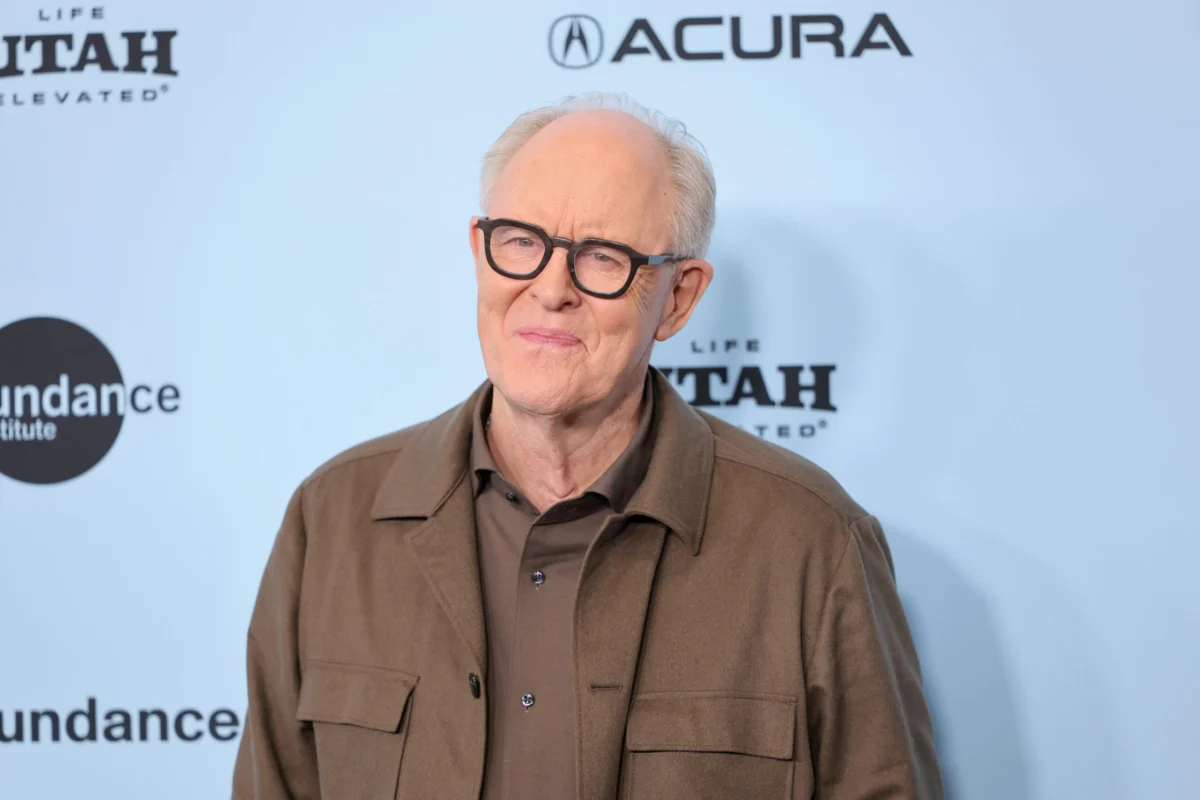
The highly anticipated return of the "Harry Potter" universe to the small screen, with an ambitious HBO Max television reboot, has been shadowed by controversy, with reports revealing that veteran actor John Lithgow, cast as the iconic Hogwarts headmaster Albus Dumbledore, seriously contemplated withdrawing from the project. This significant development stems from the widespread backlash that erupted following the announcement of his casting, directly linked to the persistent anti-transgender rhetoric espoused by the series’ creator, J.K. Rowling. Lithgow’s internal struggle and eventual decision to remain with the show offer a compelling glimpse into the complex ethical considerations faced by actors working within established franchises tied to controversial figures.
In a candid interview with The New York Times, Lithgow articulated his personal stance on the matter. While he explicitly stated his disagreement with Rowling’s views on transgender issues, he simultaneously defended the literary merit and underlying moral compass of the "Harry Potter" books themselves. He described the novels as "clearly on the side of the angels, against intolerance and bigotry," suggesting a perceived disconnect between the author’s personal opinions and the inclusive themes embedded within her celebrated literary work. This nuanced perspective, however, did little to shield him from the intense scrutiny and criticism that flooded online platforms upon his casting.
The New York Times report detailed how Lithgow was "stung" by the vociferous online reaction, leading him to "consider quitting the series but decided not to." This internal deliberation underscores the profound impact of public sentiment and the pressure actors can face when associated with figures whose public statements generate significant societal division. Lithgow acknowledged the inescapable nature of this issue, candidly admitting that the subject of Rowling’s controversial opinions would likely be a recurring topic in "every interview I will ever do for the rest of my life." This foresight highlights the long-term implications of such associations and the challenges of navigating a career intertwined with a polarizing creator.
The ethical quandaries surrounding Lithgow’s involvement were further amplified by his recent role in the film "Jimpa," where he portrayed the grandfather of a transgender teenager played by Aud Mason-Hyde, who is openly transgender. In a separate interview with Out magazine, Mason-Hyde offered a mixed perspective on Lithgow’s casting in the "Harry Potter" reboot. While describing Lithgow as "such a beautiful human to make work with," they also confessed that his decision to join the project felt "disconcerting" and acknowledged that "there’s an element of this that feels vaguely hurtful." This sentiment from a transgender performer directly involved with Lithgow’s recent work provides a poignant counterpoint to his defense of the books and illuminates the emotional impact of such casting decisions on the very communities often marginalized by Rowling’s statements.
Lithgow is not an isolated figure grappling with these ethical dilemmas within the burgeoning "Wizarding World" franchise. Other actors joining the HBO Max series have also taken steps to distance themselves from J.K. Rowling’s contentious beliefs. Paapa Essiedu, slated to portray Severus Snape, is among a significant cohort of industry professionals who have publicly voiced their support for transgender rights. Essiedu was a signatory to an open letter demanding concrete action from major industry institutions, including BAFTA, the BBC, the BFI, and Channel 4, to actively protect and include transgender individuals. This collective action by actors within the "Harry Potter" reboot signifies a broader movement within the entertainment industry to challenge and condemn transphobic rhetoric, even when it originates from the creators of beloved franchises.
The timing of this open letter was particularly resonant, arriving just weeks after a highly contentious ruling by the U.K. Supreme Court. This ruling, which prohibited trans women from being legally recognized as women, sparked widespread condemnation from LGBTQ+ advocates and allies. Notably, J.K. Rowling publicly celebrated this decision on social media, further solidifying her position on the issue and intensifying the controversy surrounding her involvement in any "Harry Potter" related projects. Essiedu’s participation in the open letter, therefore, can be interpreted as a direct response to Rowling’s public endorsement of a decision perceived as detrimental to transgender rights.
The HBO Max "Harry Potter" series, envisioned as a decade-long endeavor aiming to faithfully adapt each of the seven books, faces an uphill battle in balancing creative fidelity with contemporary social consciousness. The casting process itself has become a minefield, with each announcement scrutinized through the lens of Rowling’s public statements. The inherent challenge lies in separating the artistic creation from its creator, a distinction that many fans and industry observers find increasingly untenable.
The legacy of "Harry Potter" is undeniable. For over two decades, the books and subsequent films have captivated a global audience, fostering a sense of community and shared experience. The franchise has been credited with encouraging a love of reading, promoting themes of friendship, courage, and the fight against prejudice. However, the author’s increasingly vocal and, to many, discriminatory views on gender identity have cast a long shadow over this legacy. Rowling’s public pronouncements, often made on platforms like Twitter, have been widely criticized as transphobic, fueling a significant debate about her continued influence and the responsibility of those involved in her associated media ventures.
The backlash against Rowling has not been confined to online discourse. Numerous LGBTQ+ advocacy groups have issued statements condemning her views and urging individuals and organizations to reconsider their support for her work. This pressure has translated into tangible consequences for the "Wizarding World" brand. Merchandise sales have seen fluctuations, and public opinion polls have indicated a growing segment of the audience that is disillusioned with the franchise due to its association with Rowling.
For actors like John Lithgow and Paapa Essiedu, the decision to participate in the "Harry Potter" reboot is fraught with personal and professional considerations. On one hand, the opportunity to embody beloved characters within a globally recognized franchise offers significant career advancement and creative fulfillment. On the other hand, their involvement risks being perceived as an endorsement of Rowling’s controversial views, potentially alienating fans and compromising their own values. The careful wording of their statements, the nuanced defenses of the books, and the active participation in pro-transgender initiatives all point to a deliberate strategy to navigate this complex terrain.
The "Harry Potter" television series represents a significant gamble for HBO Max. The streaming giant has invested heavily in this ambitious reboot, hoping to recapture the magic that made the original franchise a cultural phenomenon. However, the ongoing controversy surrounding J.K. Rowling presents a substantial risk to its success. The show’s creators and Warner Bros. Television face the unenviable task of appeasing long-time fans while also addressing the valid concerns of a more socially aware audience. This may involve exploring new narrative avenues, emphasizing diverse voices within the creative team, and potentially re-evaluating the extent to which Rowling’s direct involvement influences the final product.
The decision by John Lithgow to remain with the series, despite his internal conflict and the external pressure, suggests a belief in the power of storytelling to transcend the flaws of its author. It also hints at a strategic calculation: that by participating, he might be able to subtly advocate for inclusivity from within, or at least ensure that the narrative itself continues to promote positive values. However, the experiences of Aud Mason-Hyde serve as a stark reminder that for many, the association with Rowling remains a deeply personal and painful issue.
The ongoing saga of the "Harry Potter" reboot and its entanglement with J.K. Rowling’s controversial views serves as a critical case study in the evolving relationship between creators, their work, and public perception in the digital age. As the series moves forward, its ability to achieve widespread critical and commercial success will undoubtedly be influenced by how effectively it can address these deeply rooted ethical and social concerns, and whether it can forge a new path that honors the beloved stories while actively disassociating from the divisive rhetoric of their creator. The journey of Albus Dumbledore, once a symbol of unwavering wisdom and benevolence, has become unexpectedly intertwined with the complexities of contemporary social justice movements, forcing a reckoning for all involved in bringing the Wizarding World back to life.