
 By Isnaini Azizah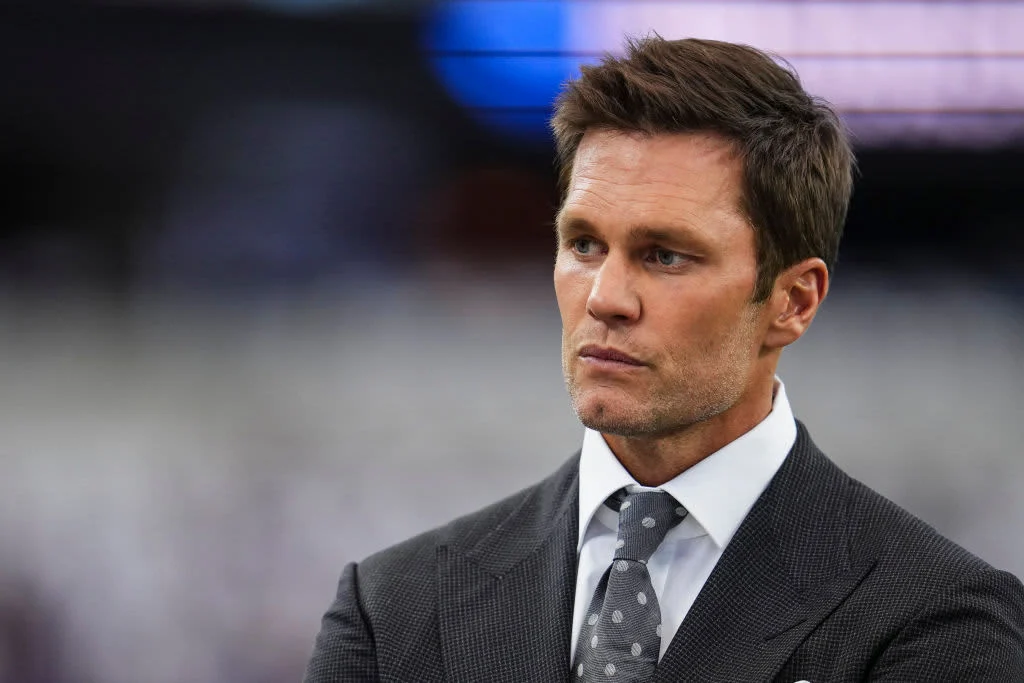
In an ambitious move to address the systemic financial challenges facing professional athletes, JPMorgan Chase, the largest bank in the United States by assets, has officially launched the JPMorgan Chase Athlete Council. This high-powered initiative brings together a coalition of some of the most iconic figures in modern sports history—including seven-time Super Bowl champion Tom Brady and three-time NBA champion Dwyane Wade—to reform how wealth is managed and preserved within the athletic community. The council is designed to bridge the gap between sudden, massive wealth and long-term financial security, a gap that has historically led many of the world’s most talented performers into the depths of bankruptcy and financial ruin.
The council’s roster reads like a "who’s who" of sports excellence. Led by Wade, a two-time NBA Hall of Famer who has successfully transitioned into a prolific investor and team owner, the group includes WNBA superstars Sue Bird and A’ja Wilson, soccer legends Alex Morgan and Megan Rapinoe, and New York Knicks star Jalen Brunson. These athletes will collaborate directly with JPMorgan Chase executives to develop specialized financial programs, educational resources, and advisory frameworks tailored to the unique lifecycle of a professional athlete—from the first college NIL (Name, Image, and Likeness) deal to the twilight of a professional career and the often-difficult transition into retirement.
The necessity of such a program is backed by sobering data. For decades, the narrative of the "broke athlete" has been a recurring tragedy in American culture. According to research cited by JPMorgan, including a seminal study from the National Bureau of Economic Research (NBER), approximately 16% of NFL players declare bankruptcy within 12 years of their retirement. Other estimates suggest that the figures are even more dire across other leagues when including "financial distress" that falls just short of legal bankruptcy. The reasons are multifaceted: short career spans, the lack of foundational financial education in traditional schooling, high-pressure social circles, and a predatory industry of unqualified "advisors" who often target young, newly wealthy individuals.
Kristin Lemkau, CEO of JPMorgan Wealth Management, emphasized the urgency of the initiative during a recent interview. She noted that the bank repeatedly observed a pattern where young athletes, suddenly coming into life-changing sums of money, developed "unsustainable lifestyles" without the guardrails of sound financial advice. "Those are the lucky ones," Lemkau remarked, referring to those who at least had the opportunity to earn significantly before losing it. The council aims to ensure that "luck" is replaced by a structured, institutionalized approach to wealth preservation.
The timing of this launch is particularly strategic. The landscape of American sports is undergoing a seismic shift due to the legalization of NIL deals in collegiate athletics. Today, a 19-year-old college quarterback or basketball star can earn millions of dollars before they even graduate or sign a professional contract. This "sudden wealth" phenomenon has moved the timeline of financial risk earlier than ever before. JPMorgan’s new initiative seeks to intercept these young athletes at the collegiate level, providing them with the "Athlete Center of Excellence"—a specialized hub staffed by financial professionals who have specific experience navigating the nuances of the sports industry.
The "Athlete Center of Excellence" is more than just a marketing slogan; it represents a dedicated vertical within the bank’s wealth management division. It will offer a suite of services including tax planning for multi-state income (a common complication for athletes who play in various jurisdictions), specialized lending for business ventures, and a "roster of advisors" guide designed to help athletes vet the accountants, lawyers, and agents who populate their inner circles. The bank is also launching a comprehensive content hub that provides checklists for NIL management, helping young stars understand the difference between gross income and the net income they actually keep after taxes and fees.
Dwyane Wade’s leadership of the council is a cornerstone of the project’s credibility. Wade has been vocal about his own financial journey, which includes ownership stakes in the NBA’s Utah Jazz, the WNBA’s Chicago Sky, and a diverse portfolio of consumer brands. "Having the right educational resources and guidance is critical to making smart decisions about money as your career evolves," Wade stated. His involvement signals a shift in the "athlete-entrepreneur" model. Rather than simply being a face for a brand, modern athletes like Wade and Brady are becoming the owners of the brands. However, this transition requires a sophisticated understanding of venture capital, private equity, and liquidity—areas where even the most talented athletes may lack expertise.
Tom Brady’s participation further underscores the council’s mission. As an athlete who played for 23 seasons, Brady represents the "gold standard" of career longevity and post-career business scaling. From his TB12 wellness brand to his massive broadcasting contract with Fox Sports and his recent efforts to acquire a minority stake in the Las Vegas Raiders, Brady exemplifies the need for long-term strategic planning. By lending his voice to the JPMorgan council, Brady helps normalize the conversation around financial literacy, which has often been a taboo subject in locker rooms.
The inclusion of WNBA stars A’ja Wilson and Sue Bird highlights a specific and growing segment of the market. While the earning power of female athletes has historically lagged behind their male counterparts, the recent explosion in popularity of the WNBA and women’s soccer has created new wealth opportunities. However, the financial margin for error for many female athletes is slimmer, making disciplined investing and brand management even more critical. A’ja Wilson noted the importance of "building boundaries" and establishing trust with financial partners, emphasizing that the council’s goal is to empower the next generation to take control of their financial narratives from day one.
From a corporate strategy perspective, JPMorgan Chase is positioning itself to win a larger share of the ultra-high-net-worth market. The bank is facing stiff competition from rivals like Morgan Stanley, which has a long-standing Global Sports & Entertainment division, and Goldman Sachs, which has aggressively pursued athlete-investors. By creating a council of "peers," JPMorgan is leveraging the psychological aspect of wealth management. Athletes are more likely to trust financial advice when it is endorsed by legends like Brady or Bird who have "been there" and faced similar pressures.
Furthermore, the bank’s initiative addresses the "Sudden Wealth Syndrome," a psychological condition where the rapid acquisition of money leads to anxiety, guilt, and poor decision-making. The council intends to provide a peer-support element that goes beyond spreadsheets and portfolios. By sharing "hard-won experiences," the council members can warn younger players about the pitfalls of "get-rich-quick" schemes and the social pressure to support large entourages—a factor that has historically drained the bank accounts of many stars.
The broader economic impact of this initiative cannot be overstated. As professional sports contracts continue to skyrocket—with billion-dollar deals becoming a reality in leagues like MLB and the NBA—the amount of capital managed by athletes is reaching unprecedented levels. If this capital is managed correctly, it can be a force for economic development, philanthropy, and community investment. If it is squandered, it represents a massive loss of generational wealth, particularly for athletes coming from underserved backgrounds.
The JPMorgan Chase Athlete Council is also focusing on the "exit strategy." For many athletes, the end of their playing days is a period of identity crisis and financial contraction. The bank’s programs will include modules on "life after sports," helping athletes pivot their skills into new industries. This holistic approach recognizes that an athlete’s career is not just a job, but a high-intensity period of capital accumulation that must fund a 40-to-50-year retirement.
As the program rolls out, the bank plans to host summits and workshops that bring together college athletic departments, professional league representatives, and the athletes themselves. By integrating financial literacy into the very fabric of the sports world, JPMorgan Chase is attempting to change the culture of money in athletics. The goal is to move away from a culture of conspicuous consumption toward a culture of sustainable wealth creation.
In conclusion, the formation of the JPMorgan Chase Athlete Council represents a landmark moment in the intersection of finance and professional sports. By combining the institutional power of the world’s largest bank with the lived experience of sports’ greatest icons, the initiative seeks to solve a decades-old problem. Through education, specialized services, and peer-to-peer mentorship, the council aims to ensure that the next generation of stars is known not just for their performance on the field, but for their financial acumen and long-term stability off it. As Tom Brady, Dwyane Wade, and their colleagues begin this work, they are setting a new standard for what it means to be a professional athlete in the 21st century—one where the final whistle is just the beginning of a secure and prosperous future.