
 By admin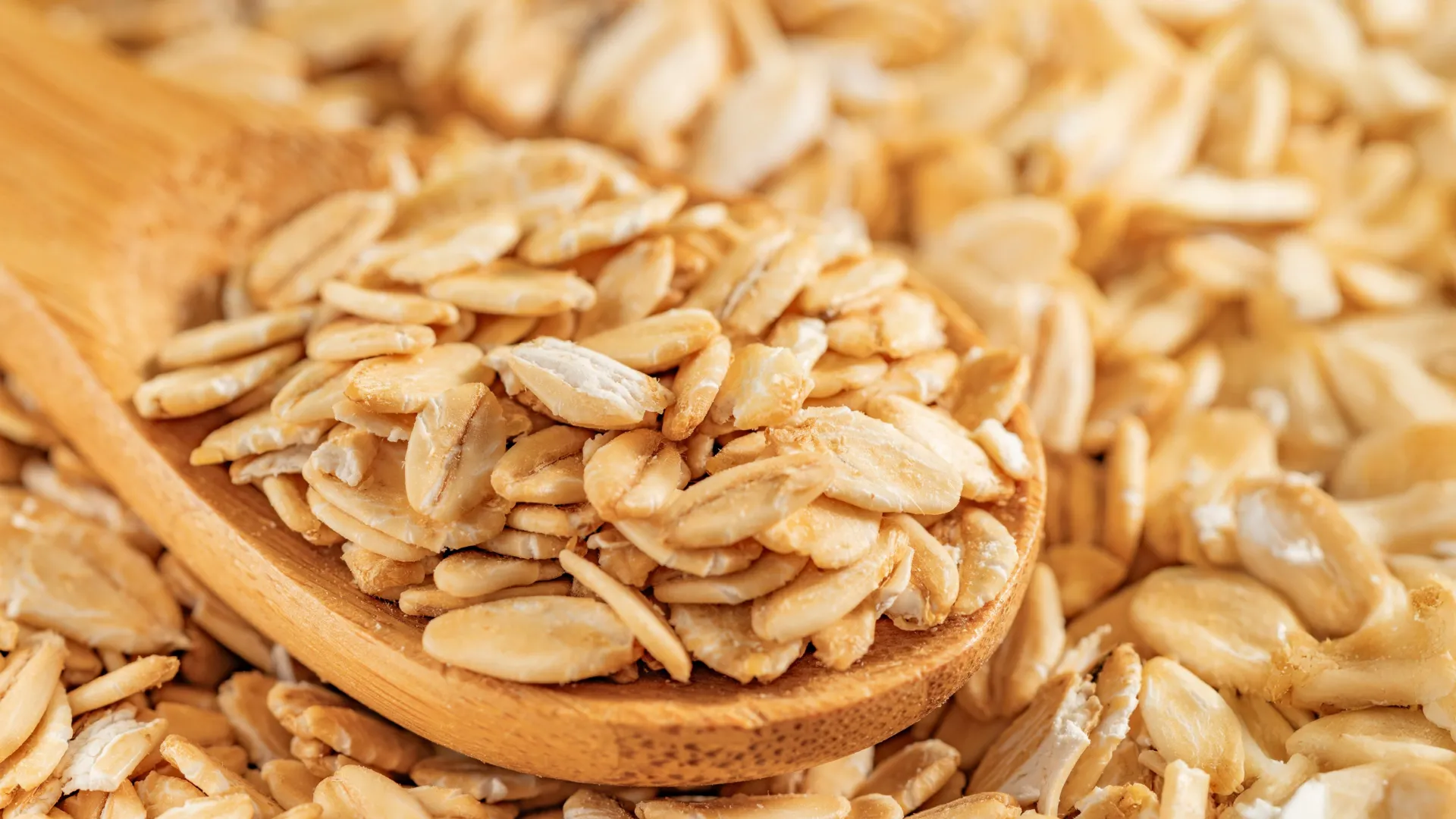
The findings offer a compelling, albeit intensive, dietary strategy to combat elevated cholesterol, a primary risk factor for heart disease. Compared with a control group that also adhered to a reduced-calorie regimen but excluded oats, those on the oat-based plan exhibited a markedly greater improvement in their cholesterol levels. Specifically, the level of particularly harmful LDL cholesterol — often dubbed "bad" cholesterol — plummeted by an average of 10 percent. This substantial reduction, while not directly comparable to the immediate and potent effects of modern pharmaceutical interventions like statins, represents a significant clinical improvement achievable through dietary means alone. Crucially, the beneficial effects on cholesterol remained noticeable even six weeks after the initial two-day intervention, suggesting a sustained physiological shift rather than a transient response.
Beyond the measurable changes in blood lipids, researchers also uncovered a profound impact on the participants’ gut microbiome. The dietary intervention was found to alter the balance and composition of gut bacteria, increasing the presence of certain beneficial microbial species. Substances produced by these reconfigured gut microbes appear to play a pivotal role in mediating the observed health benefits linked to oats, suggesting a sophisticated interplay between diet, gut microbiota, and host metabolism.
A Historic Diabetes Therapy Revisited with Modern Science
The concept of oats as a therapeutic food is far from new. Historically, oats have been intimately associated with metabolic health and have a rich, albeit largely forgotten, medical past. In the early 20th century, a pioneering German physician named Carl von Noorden garnered significant attention for his innovative use of oats to treat patients with diabetes. His reports detailed strong, positive results, showcasing oats’ potential in managing this complex metabolic disorder long before the advent of modern pharmaceuticals.
"Today, effective medications are available to treat patients with diabetes," explains Marie-Christine Simon, junior professor at the Institute of Nutritional and Food Science at the University of Bonn and a lead researcher on the study. "As a result, this method has been almost completely overlooked in recent decades." The rapid development of insulin therapy in the 1920s, followed by oral hypoglycemic agents and later a multitude of other diabetes medications, shifted the focus away from dietary interventions as primary treatments, relegating them often to a supportive role. However, the escalating global prevalence of metabolic diseases, coupled with a growing interest in holistic and preventive health, has spurred renewed scientific inquiry into traditional and natural remedies.
The volunteers recruited for this contemporary study did not have diagnosed diabetes, but they were selected because they exhibited metabolic syndrome. Metabolic syndrome is not a disease in itself but rather a cluster of interconnected conditions that significantly elevate an individual’s risk of developing serious health problems, including type 2 diabetes, heart disease, and stroke. This pervasive condition is clinically defined by the presence of at least three of the following five factors: excess abdominal weight, high blood pressure (hypertension), elevated fasting blood sugar levels, high triglyceride levels, and low levels of high-density lipoprotein (HDL) cholesterol (often referred to as "good" cholesterol). The prevalence of metabolic syndrome is alarming, affecting roughly one-third of the adult population in many developed countries, underscoring the urgent need for effective preventive and management strategies.
"We wanted to know how a special oat-based diet affects patients," says Simon, whose research aligns with broader goals of the University of Bonn’s Transdisciplinary Research Areas "Life & Health" and "Sustainable Futures." The choice of participants with metabolic syndrome was strategic, as they represent a population at a critical juncture where lifestyle interventions can potentially avert the progression to full-blown chronic diseases.
The Intensive 48-Hour Protocol: 300 Grams of Oatmeal Per Day
The core of the intervention involved a highly structured and intensive dietary regimen. During the crucial two-day phase, participants consumed boiled oatmeal three times daily. Their dietary intake was strictly controlled, allowing only minimal additions of fruit or vegetables to the oatmeal, ensuring that oats constituted the overwhelming majority of their caloric intake. In total, 32 women and men successfully completed this demanding two-day oat-based intervention. Each individual consumed precisely 300 grams of oatmeal per day, meticulously weighed and prepared, alongside a significant reduction in their usual caloric intake—roughly cutting it in half. A control group, matched for age and body mass index, also reduced their calorie intake by a similar proportion but did not consume oats, instead following a diet that avoided grains.
As expected, both groups experienced some immediate health benefits simply from the reduction in caloric intake, including modest weight loss. However, the improvements were unequivocally stronger and more pronounced among those who consumed the oat-rich diet. "The level of particularly harmful LDL cholesterol fell by 10 percent for them – that is a substantial reduction, although not entirely comparable to the effect of modern medications," stresses Simon. In addition to the significant cholesterol drop, participants in the oat group also lost an average of two kilograms in weight and experienced a slight but measurable reduction in their blood pressure, further contributing to their overall metabolic health improvement.
The reduction of LDL cholesterol is of paramount importance for cardiovascular health. High levels of LDL cholesterol are a major risk factor for atherosclerosis, a condition where cholesterol, fats, and other substances accumulate inside the walls of arteries, forming hard, thick plaques. These plaques progressively narrow the blood vessels, impeding blood flow. More dangerously, these plaques can become unstable and rupture, particularly during periods of physical exertion, emotional stress, or sudden spikes in blood pressure. A ruptured plaque can trigger the formation of a blood clot, which can completely block blood flow to vital organs or travel through the bloodstream to the heart or brain, resulting in a heart attack or stroke, respectively. Therefore, a 10 percent reduction in LDL cholesterol, achieved rapidly through diet, represents a clinically meaningful step towards mitigating these life-threatening risks.
Gut Microbiome Changes: Unraveling the Mechanism of Action
To understand the underlying mechanisms by which oats exerted such a potent impact, researchers turned their attention to the intricate world of the gut microbiome. "We were able to identify that the consumption of oatmeal increased the number of certain bacteria in the gut," says Linda Klümpen, the study’s lead author. This observation is significant because scientists are increasingly recognizing the central role of gut bacteria in mediating numerous physiological processes, including how the body processes and metabolizes food, extracts nutrients, and even regulates immune responses.
The gut microbiome, a vast ecosystem of trillions of microorganisms residing in the human digestive tract, generates a diverse array of metabolic byproducts. These microbial metabolites are not merely waste products; many are crucial for human health, nourishing intestinal cells, supporting the integrity of the gut barrier, and modulating host metabolism. Some of these bacterial products are even absorbed into the bloodstream, where they can exert systemic effects on distant organs, including the liver and brain.
"For instance, we were able to show that intestinal bacteria produce phenolic compounds by breaking down the oats," Klümpen explains. Oats are rich in various bioactive compounds, including avenanthramides and ferulic acid, which are types of phenolic compounds known for their antioxidant and anti-inflammatory properties. The study specifically highlighted ferulic acid. "It has already been shown in animal studies that one of them, ferulic acid, has a positive effect on the cholesterol metabolism. This also appears to be the case for some of the other bacterial metabolic products," she adds. This suggests that the gut bacteria are not merely digesting the oats but actively transforming their components into more bioavailable and potent metabolites that directly influence lipid metabolism.
Furthermore, the study revealed another fascinating aspect of microbial activity: certain microbes facilitated the elimination of the amino acid histidine. Without this crucial microbial process, the body has the potential to convert histidine into a compound known as imidazole propionate. Imidazole propionate has been implicated in promoting insulin resistance, a hallmark feature of type 2 diabetes mellitus, by interfering with insulin signaling pathways. By fostering bacteria that help remove histidine, the oat-based diet may therefore offer a protective mechanism against the development or worsening of insulin resistance, further underscoring its multifaceted benefits for metabolic health.
Short Intensive Plan Outperformed Longer Moderate Intake
The persistence of the cholesterol-lowering effects six weeks after the short, two-day intervention was a particularly striking finding. This suggests that even a brief, intense dietary shift can induce lasting physiological changes. "A short-term oat-based diet at regular intervals could be a well-tolerated way to keep the cholesterol level within the normal range and prevent diabetes," suggests Junior Professor Simon, envisioning a future where such interventions could be integrated into routine health maintenance.
However, the study also provided crucial insights into the dose-response relationship of oats. The benefits were most pronounced and significant when oats were consumed in high amounts in conjunction with calorie restriction. In a separate, longer phase of the study, participants were instructed to consume 80 grams of oatmeal per day over a six-week period, but without any additional specific dietary limits or calorie restrictions. This more moderate approach, while still incorporating oats, produced only modest and statistically less significant changes in cholesterol levels and other metabolic markers. This finding underscores the importance of the intensity and calorie restriction component for achieving rapid and substantial improvements. "As a next step, it can now be clarified whether an intensive oat-based diet repeated every six weeks actually has a permanently preventative effect," Simon adds, highlighting future research directions that could establish a practical, intermittent dietary strategy.
How the Randomized Controlled Trials Were Conducted
The robustness of these findings is underpinned by the rigorous methodology employed. A total of 68 people participated in the comprehensive research project. For the pivotal two-day oat-based study, 17 participants were assigned to the oat group and 15 to the control group, all of whom completed the trial. Two individuals in the control group withdrew for personal reasons, a common occurrence in human intervention studies. In the six-week intervention phase, 17 participants in each group successfully finished the study. The researchers meticulously determined the group size of 17 participants per arm based on earlier interventional data and statistical power calculations, ensuring that the study had sufficient power to detect clinically meaningful differences.
Both the short-term, intensive and the longer-term, moderate interventions were designed as randomized controlled trials (RCTs). RCTs are considered the gold standard in clinical research because they minimize bias and provide the strongest evidence of cause-and-effect relationships. In these trials, participants are randomly assigned to different groups, ensuring that any pre-existing differences between groups are distributed evenly. One group receives the intervention being tested (in this case, the oat-rich diet), while the control group receives an alternative or no intervention.
A critical aspect of RCTs is "blinding," where participants and/or researchers are unaware of which group a participant belongs to. Ideally, participants are "blind" to their group assignment, which helps to reduce the placebo effect—where expectations of a treatment can influence outcomes. In nutrition studies, achieving full blinding is often challenging because people are typically aware of what they are eating. This was indeed the case here, as participants clearly knew whether they were consuming oatmeal. However, to mitigate potential bias, the laboratory teams responsible for analyzing blood and stool samples were "blinded," meaning they were unaware of which group the samples originated from. The same blinding protocol was applied to blood pressure and weight measurements, significantly reducing the chance that researchers’ expectations or preconceived notions could inadvertently influence the results.
Before any dietary changes were implemented, researchers conducted a comprehensive baseline assessment. This involved collecting blood and stool samples, and meticulously measuring various anthropometric and physiological parameters, including blood pressure, weight, height, waist circumference, and body fat percentage. Following the two-day oat phase, follow-up assessments were immediately conducted, and then repeated at two, four, and six weeks post-intervention to track the sustained effects. The same detailed measurements and sample collections were replicated at each follow-up point. Participants in the six-week moderate oatmeal group underwent identical testing procedures at baseline and throughout their intervention period.
Blood samples were rigorously analyzed for key biomarkers, including LDL cholesterol levels, and for dihydroferulic acid, a specific phenolic compound hypothesized to be produced by beneficial gut bacteria from oat components. Stool samples provided invaluable insights into the gut microbiome. Researchers isolated 16S ribosomal RNA (16S rRNA), a molecule unique to bacteria that varies slightly between species, allowing for precise identification and quantification of bacterial species present, akin to a microbial fingerprint. Beyond identifying species, researchers also employed advanced metabolomic techniques to examine the full spectrum of metabolic byproducts present in the stool, providing a comprehensive picture of microbial activity.
The study’s extensive scope and meticulous execution were made possible through generous funding from multiple reputable organizations, including the German Federal Ministry of Education and Research (BMBF), the German Diabetes Association (DDG), the German Research Foundation (DFG), the German Cereal Processing, Milling and Starch Industries’ Association (VGMS), and RASO Naturprodukte.
In conclusion, this University of Bonn study offers compelling evidence that a short, intensive dietary intervention centered on oatmeal can rapidly and significantly improve cholesterol levels, promote weight loss, and positively modulate the gut microbiome in individuals with metabolic syndrome. While the two-day regimen is highly restrictive, its sustained benefits and the identification of specific microbial mechanisms open new avenues for dietary strategies to prevent and manage metabolic diseases. The findings serve as a powerful reminder of the therapeutic potential of whole foods and underscore the intricate connections between our diet, our gut inhabitants, and our overall health. Future research exploring the long-term efficacy and practical implementation of intermittent oat-based interventions could revolutionize preventive healthcare for millions at risk.