
 By admin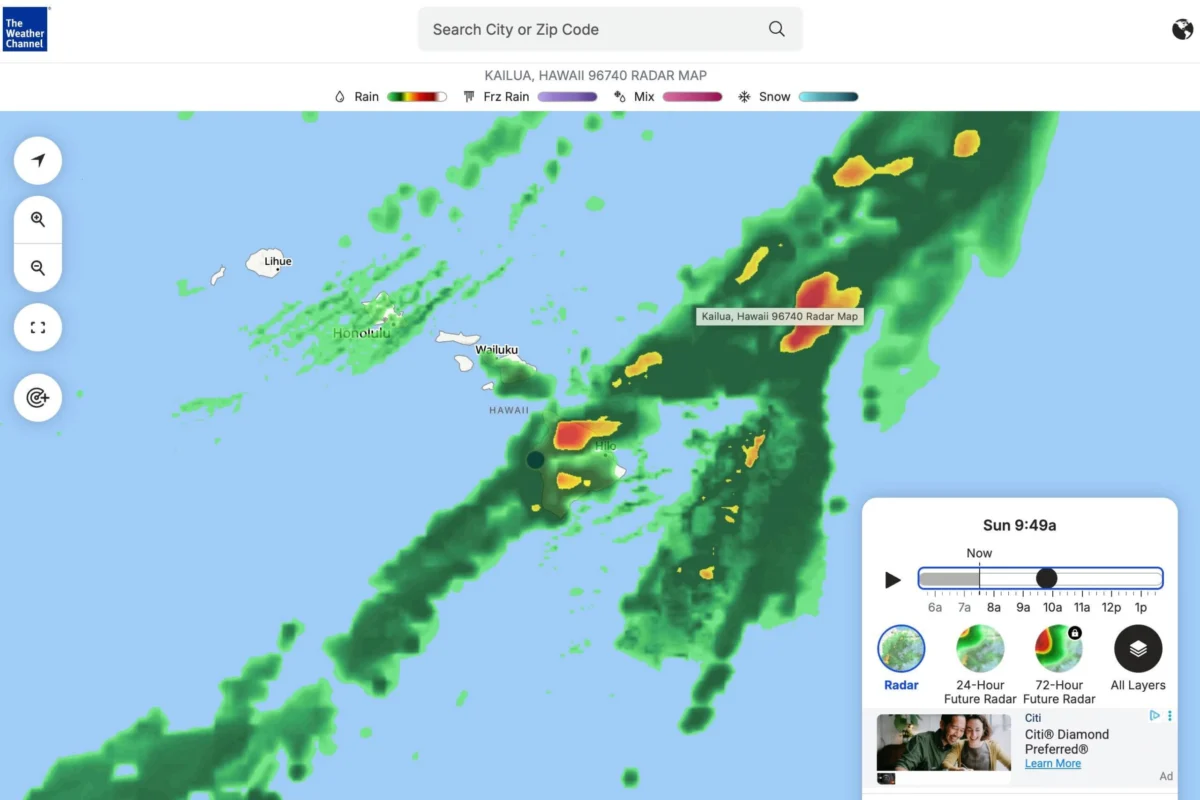
A powerful Kona storm, a type of seasonal cyclone unique to the Central Pacific, has been blowing through the Hawaiian Islands this weekend, causing widespread flooding, washed-out roads, severe wind advisories, and a wave of flight cancellations that have left thousands of travelers reevaluating their spring itineraries. While Hawaii is synonymous with tropical sunshine, the arrival of this mid-March tempest serves as a stark reminder of the volatile atmospheric dynamics that can emerge when low-pressure systems disrupt the region’s traditional trade wind patterns. As the storm progresses, some islands have been affected far more severely than others, creating a patchwork of emergency conditions across the archipelago.
Maui bore the initial brunt of the storm’s fury on Saturday, experiencing torrential downpours that overwhelmed local drainage systems and transformed scenic coastal routes into impassable waterways. As the system pivots, Hawaii Island is currently in the crosshairs, with heavy showers and high-velocity winds forecasted to persist through Monday. For those with immediate travel plans to the Aloha State, the situation requires a blend of vigilance, flexibility, and a thorough understanding of the logistical hurdles currently facing the tourism infrastructure.
Understanding the Kona Storm Phenomenon
To understand the severity of the current situation, one must look at the meteorology of a Kona storm. Unlike the typical trade wind showers that hit the "windward" (northeastern) sides of the islands, a Kona storm is a subtropical cyclone that develops when a deep cold-core low-pressure system moves south, disrupting the usual high-pressure ridge. This shifts the wind direction to the "kona" or leeward (southwesterly) side. Because the leeward sides of the islands—such as Kihei on Maui or the Kona coast on the Big Island—are generally much drier and not topographically prepared for extreme precipitation, the impact of a Kona storm is often disproportionately destructive. These systems can dump several inches of rain in a matter of hours, leading to flash floods in areas that rarely see significant runoff.
Is it Safe to Travel to Hawaii Right Now?
The question of safety is currently nuanced and depends entirely on your specific destination and planned activities. While the airports remain open and the majority of the state’s critical infrastructure is functioning, the "ground truth" varies significantly by district. If you have an upcoming trip, the primary recommendation from local authorities is to maintain constant communication with your airline and lodging providers.
The reality for many travelers currently on the ground is one of unexpected extension. A significant number of visitors are effectively stranded on certain islands until at least Wednesday. This backlog is a direct result of the weekend’s flight cancellations; as airlines work to clear the queue of displaced passengers, available seats on outbound flights have become a rare commodity.
On Maui, the popular tourist hub of Kihei has faced some of the most visible damage. Flooding in South Kihei washed out several key roads, making local transit hazardous. According to reports from Hawaii News Now, the volume of water moving through residential and commercial corridors was sufficient to carry debris and compromise asphalt. Beyond Kihei, multiple road closures remain in effect across the island. Travelers are urged to consult the Maui County government website for real-time updates before attempting to navigate the island’s southern or eastern coastal roads.
The storm’s center of gravity is now hovering over Hawaii Island (the Big Island). Conditions there are expected to remain volatile through the end of Monday. The Hawaii Tourism Authority (HTA) has issued a storm warning banner across its digital platforms, emphasizing that visitors must verify their flight status before heading to the airport. In summary, while it is generally safe to be in Hawaii if you remain indoors and avoid flood-prone areas, the "vacation experience" is currently compromised by closures and safety restrictions.
Island-by-Island Travel Advisories
The geographical diversity of the Hawaiian Islands means that weather impacts are rarely uniform. Here is the current status of the major islands as of March 15, 2026:
Maui County: A flood watch remains in effect until Monday, March 16, at 6:00 a.m. local time. One of the most significant impacts for tourists is the closure of the famous Road to Hana. This iconic highway, known for its 620 curves and 59 bridges, is currently restricted to local traffic only. The risk of mudslides and falling trees along the narrow cliffs makes it extremely dangerous for recreational travel. No estimated reopening date has been provided by Maui County officials, as damage assessments are ongoing.
Oahu County: In Honolulu and the surrounding areas, the situation is stabilizing. While a wind advisory was in effect through the early part of the weekend, the City and County of Honolulu Department of Emergency Management has noted that weather conditions are improving. Most tourist activities on Oahu are resuming, though ocean conditions remain rough, and beachgoers are advised to heed lifeguard warnings regarding high surf and strong currents.
Hawaii Island: The Big Island is currently facing the storm’s peak intensity. The Hawaii Department of Emergency Management and The Weather Channel have warned that heavy rain and high winds will persist into Monday. The western side of the island, which includes the resort areas of Kailua-Kona, is particularly vulnerable to the "Kona" winds that give the storm its name. Travelers should expect localized power outages and potential disruptions to outdoor excursions, including tours to Hawaii Volcanoes National Park or Mauna Kea.
Aviation Disruptions and Airline Policies
The aviation sector has been hit hard by the visibility issues and high winds associated with the cyclone. On Sunday, March 15, FlightAware data indicated a spike in delays and cancellations across HNL (Honolulu), OGG (Kahului), KOA (Kona), and LIH (Lihue). Smaller commuter hubs are also seeing intermittent ground stops.
In response, major carriers have activated flexible rebooking policies. Understanding these nuances is vital for avoiding steep change fees:
- Hawaiian Airlines and Alaska Airlines: These carriers have harmonized their policies for the current crisis. The advisory applies to tickets purchased on or before March 11, 2026, for travel dates spanning March 11 through March 21. Passengers can change their flights without a fee or fare difference if they remain in the same cabin. Alternatively, travelers can cancel and receive a credit certificate. This is particularly helpful for those whose "window of travel" has been entirely consumed by the storm.
- American Airlines: American’s policy is slightly more restrictive, covering original travel dates of March 12–15. Changes must have been initiated by March 15 for travel by March 18. While they waive the fare difference for immediate rebooking, those wishing to push their trip further into the year may be subject to price fluctuations.
- United Airlines: United has issued waivers for HNL, KOA, LIH, and OGG for travel through March 15. Rebooked flights must depart by March 22 to qualify for the fare-difference waiver.
- Delta and Southwest: As of the latest update, these airlines have not issued a blanket travel waiver, though they have canceled several specific flights, such as Delta’s routes between Kona and Los Angeles/Seattle. Passengers on these specific flights are entitled to refunds or rebooking under federal law.
Accommodations and Insurance: Protecting Your Investment
For those with hotel or vacation rental bookings, the financial implications of a storm can be complex. Major hospitality brands like Hilton, Hyatt, IHG, and Marriott typically do not issue global waivers unless the property itself is forced to close. However, individual general managers often have the discretion to waive cancellation fees in the event of a natural disaster. If you are within your cancellation window, it may be prudent to reschedule.
The situation with vacation rentals via platforms like Airbnb is governed by the "Major Disruptive Events Policy." This policy can override a host’s individual cancellation rules if severe weather results in a total loss of access to the property (e.g., the only access road is washed out) or if essential utilities like electricity and water are cut off for an extended period. Travelers will likely need to provide documentation, such as flight cancellation notices or local news reports of road closures, to qualify for a full refund under this policy.
Furthermore, many travelers overlook the protections offered by their credit cards. Premium cards, such as the Chase Sapphire Reserve or the American Express Platinum Card, often include Trip Cancellation and Interruption Insurance. This coverage can reimburse non-refundable expenses—including tours and prepaid excursions—if a "natural disaster" (which a Kona storm qualifies as) renders your trip impossible. It is important to note that this insurance only applies to the portion of the trip paid for with that specific card.
Looking Ahead: The Recovery Phase
As the Kona storm eventually moves away from the islands, the focus will shift to infrastructure repair and environmental cleanup. The heavy runoff often leads to "Brown Water Advisories" issued by the Hawaii Department of Health. After intense storms, coastal waters can become contaminated with runoff from overflowing cesspools, pesticides, and animal carcasses. Tourists are strongly advised to stay out of the ocean in areas where the water is turbid or brown, as the risk of bacterial infections like leptospirosis increases significantly.
The bottom line for any traveler with plans in the next seven to ten days is proactive monitoring. The tail end of a Kona storm can sometimes trigger "wraparound" moisture, leading to lingering showers even after the main system has passed. By staying informed through local emergency management channels and maintaining a flexible mindset, visitors can navigate this seasonal challenge while staying safe and protecting their financial interests. Proactively checking your airline’s mobile app and the Hawaii Tourism Authority’s official alerts remains the best strategy for managing a trip during this turbulent period.