
 By admin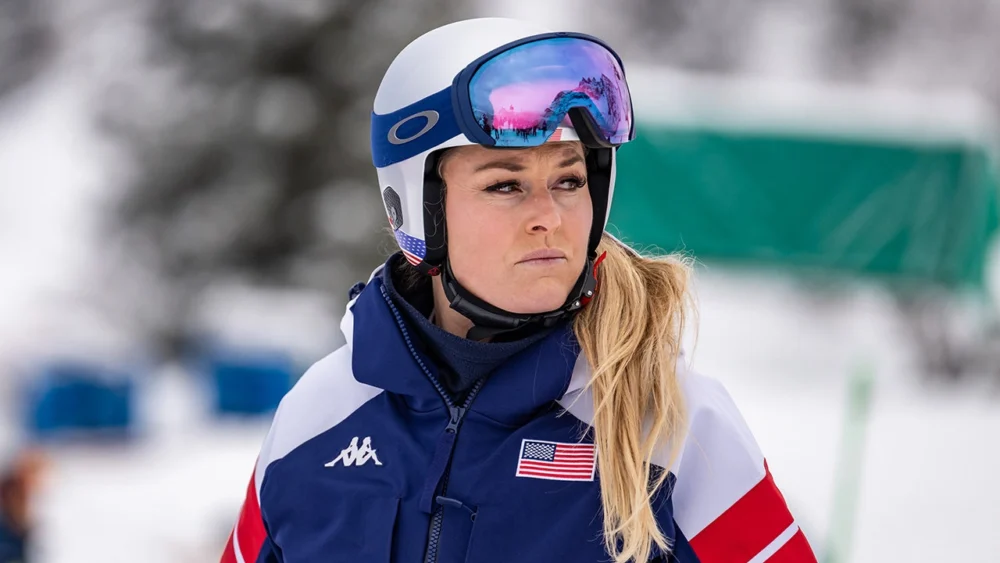
American Olympic legend Lindsey Vonn, a household name synonymous with alpine skiing excellence, revealed a harrowing account of her recent injury, disclosing that she narrowly avoided a leg amputation and required a blood transfusion following a severe crash at the Winter Games. The revelation, shared via an emotional video on her Instagram, paints a stark picture of the physical toll the injury has taken, describing the past two weeks as "by far the most extreme and painful and challenging injury" she has ever endured. Vonn extended her profound gratitude to Dr. Tom Hackett, the surgeon credited with performing the life-altering procedures on her severely damaged leg.
The accident, which occurred during a high-stakes event at the Winter Games, resulted in a cascade of critical injuries. Vonn detailed the extent of the damage, stating, "Basically, I had a complex tibia fracture. I also fractured my femur head, my tibia plateau, kinda just everything was in pieces." The situation was exacerbated by the development of compartment syndrome, a dangerous condition where excessive bleeding and swelling within a confined space of the body leads to a critical buildup of pressure. This pressure, Vonn explained, threatened to crush vital tissues: "And compartment syndrome is when you have so much trauma to one area of your body that there’s too much blood and it gets stuck and it basically crushes everything in the compartment. So, all the muscle and nerves and tendons, it all kind of dies."
It was in this dire scenario that Dr. Tom Hackett intervened with a life-saving surgical procedure. "Dr. Tom Hackett saved my leg," Vonn stated emphatically. "He saved my leg from being amputated and did what is called a fasciotomy where he cut open both sides of my leg, kind of fileted it open so to speak, let it breathe and he saved me." The fasciotomy procedure involves surgically cutting through the layers of fascia—the connective tissue that encloses muscles—to relieve pressure and restore blood flow, a critical intervention in cases of compartment syndrome.
The gravity of Vonn’s injury was further underscored by the significant blood loss she experienced. "I lost a lot of blood during the surgeries and needed a blood transfusion," she confirmed. The extensive surgical intervention, which lasted an arduous six hours, was aimed at reconstructing her shattered leg. "I feel very lucky and grateful for him, the six-hour surgery he put in on Wednesday to rebuild it, which went amazingly well," Vonn expressed. However, the aftermath of the surgery presented its own set of challenges. Vonn remained hospitalized longer than anticipated due to critically low hemoglobin levels, a direct consequence of the profound blood loss. "I was in the hospital longer than I had hoped because I had very low hemoglobin from all the blood loss of all the surgeries. I was really struggling. The pain was a little bit outta control. I had to have a blood transfusion and that helped me a lot. I turned the corner, and now I am out," she recounted.
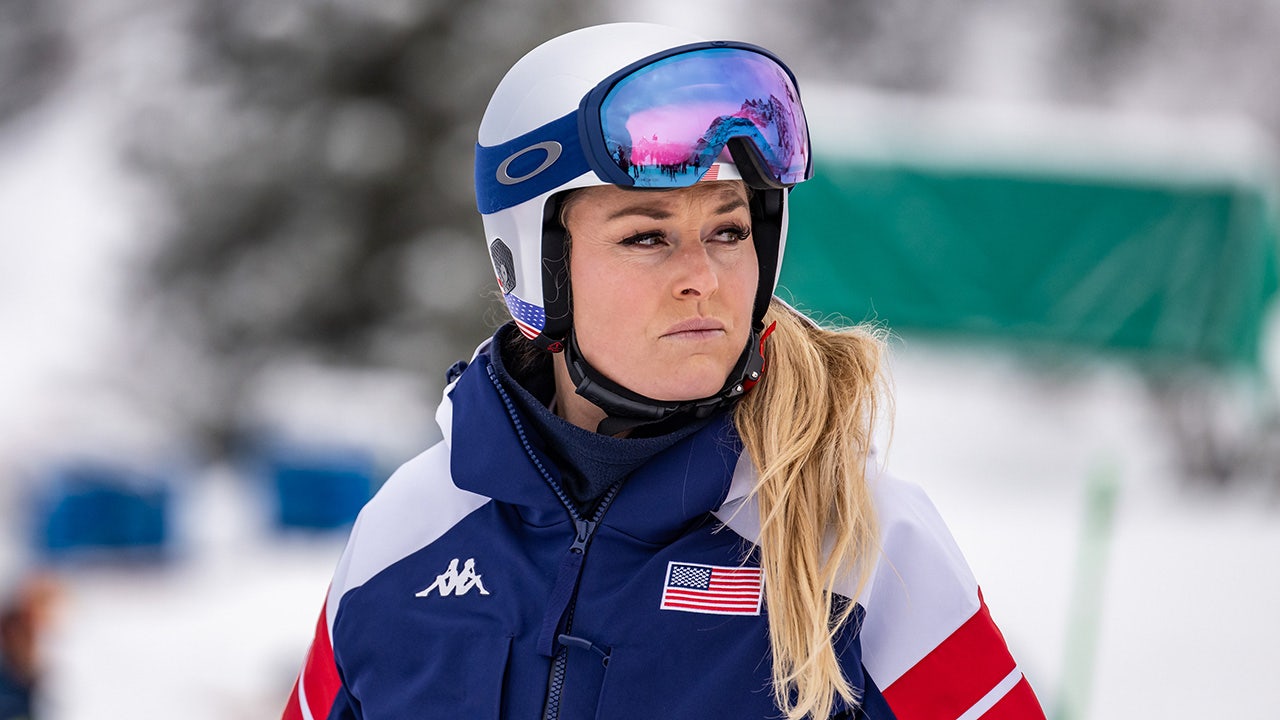
The path to recovery is expected to be a long and arduous one. Vonn indicated her immediate goal is to transition from a wheelchair to crutches, a milestone she anticipates will take at least two months. "It will be a long road but I’ll get there. At least I’m out of the hospital," she concluded in her social media post, a testament to her indomitable spirit.
This latest injury adds another chapter to Vonn’s history of overcoming adversity in her illustrious career. Her participation in the alpine skiing women’s downhill event, where the crash occurred, was itself a testament to her resilience. She had battled through a ruptured ACL to even have a chance at competing for a medal, demonstrating a level of determination that has defined her athletic journey. The helicopter evacuation from the mountain following the crash highlighted the severity of the incident. Subsequent to the initial emergency care at the Winter Games, Vonn underwent multiple surgeries before being transported back to the United States for further treatment and rehabilitation.
Lindsey Vonn’s career is one of unparalleled achievement in alpine skiing. Born on October 18, 1984, in Minneapolis, Minnesota, she quickly rose through the ranks to become one of the most dominant forces in the sport. Her career was punctuated by numerous accolades, including multiple Olympic medals, World Championship titles, and an unprecedented number of World Cup victories. She is the most successful American ski racer in history and the most decorated female skier in World Cup history, with 82 World Cup wins, a record previously held by Ingemar Stenmark. Her dominance in the speed disciplines – downhill and super-G – was particularly remarkable, earning her the moniker "The Queen of Speed."
Vonn’s Olympic journey began in Salt Lake City in 2002, where she competed as a teenager. Her breakthrough performance came at the 2010 Vancouver Olympics, where she captured the gold medal in the downhill event, becoming the first American woman to win Olympic gold in downhill skiing. She also secured a bronze medal in the super-G. Despite battling injuries throughout her career, she continued to compete at the highest level, earning a bronze medal in the combined event at the 2018 PyeongChang Olympics. Her final competitive appearance was at the 2019 World Championships, where she won a bronze medal in the downhill event.
Beyond her athletic achievements, Vonn has been a prominent figure in the sports world, known for her grace, charisma, and advocacy. She has openly discussed the challenges of competing with injuries, bringing greater awareness to the physical and mental fortitude required of elite athletes. Her willingness to share her struggles, as evidenced by her recent Instagram post, further humanizes her and inspires others facing their own battles.
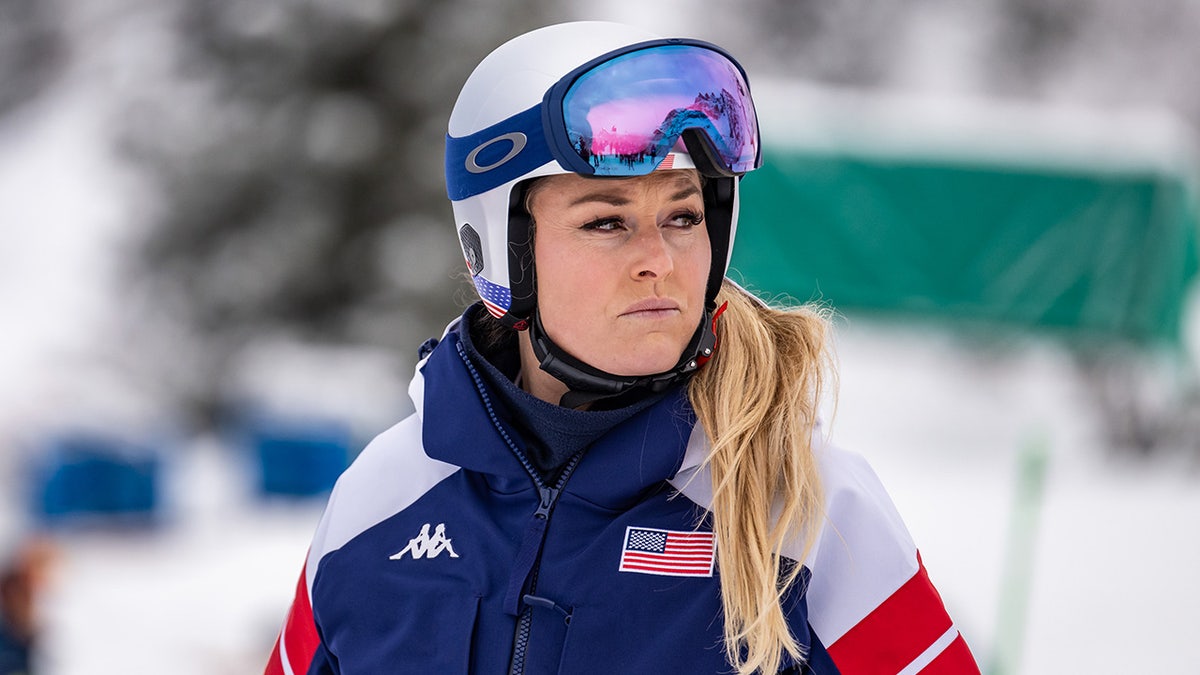
The medical implications of compartment syndrome are severe and require immediate attention. When pressure builds within a muscle compartment, it restricts blood flow, leading to a lack of oxygen and nutrients for the tissues. If left untreated, this can result in permanent muscle and nerve damage, potentially leading to chronic pain, loss of function, and even the need for amputation. Vonn’s description of the condition vividly illustrates the life-threatening nature of her injury and the critical role of Dr. Hackett’s timely intervention.
The road to recovery for athletes like Vonn, who have experienced such severe trauma, is multifaceted. It involves not only the physical healing of bones and tissues but also the psychological aspect of regaining confidence and overcoming the fear associated with returning to high-risk sports. Physical therapy plays a pivotal role, focusing on restoring strength, flexibility, and range of motion. Athletes often work with a team of specialists, including orthopedic surgeons, physical therapists, athletic trainers, and sports psychologists, to ensure a comprehensive approach to rehabilitation.
Vonn’s commitment to her recovery, despite the daunting prognosis, is a testament to her competitive spirit. Her previous battles with injuries, including a severe knee injury that forced her to miss the 2014 Sochi Olympics, have demonstrated her remarkable ability to persevere. Her return to competition after such setbacks has often been met with admiration and awe from fans and peers alike.
The mention of her needing a blood transfusion further highlights the severity of the blood loss. Blood transfusions are critical medical procedures used to replace lost blood volume and red blood cells, which are essential for carrying oxygen throughout the body. Following major trauma or extensive surgery, patients can lose significant amounts of blood, leading to a condition known as hypovolemic shock if not adequately treated. The transfusion would have been crucial in stabilizing Vonn and supporting her body’s healing processes.
The timeline Vonn has outlined for her recovery – being on crutches for at least two months – suggests a significant period of immobility and reliance on assistive devices. This phase of recovery is often characterized by gradual progression, with increasing weight-bearing and strengthening exercises as tolerated. The ultimate goal is to regain the ability to perform daily activities and, for an elite athlete, to return to the demanding physical requirements of their sport.
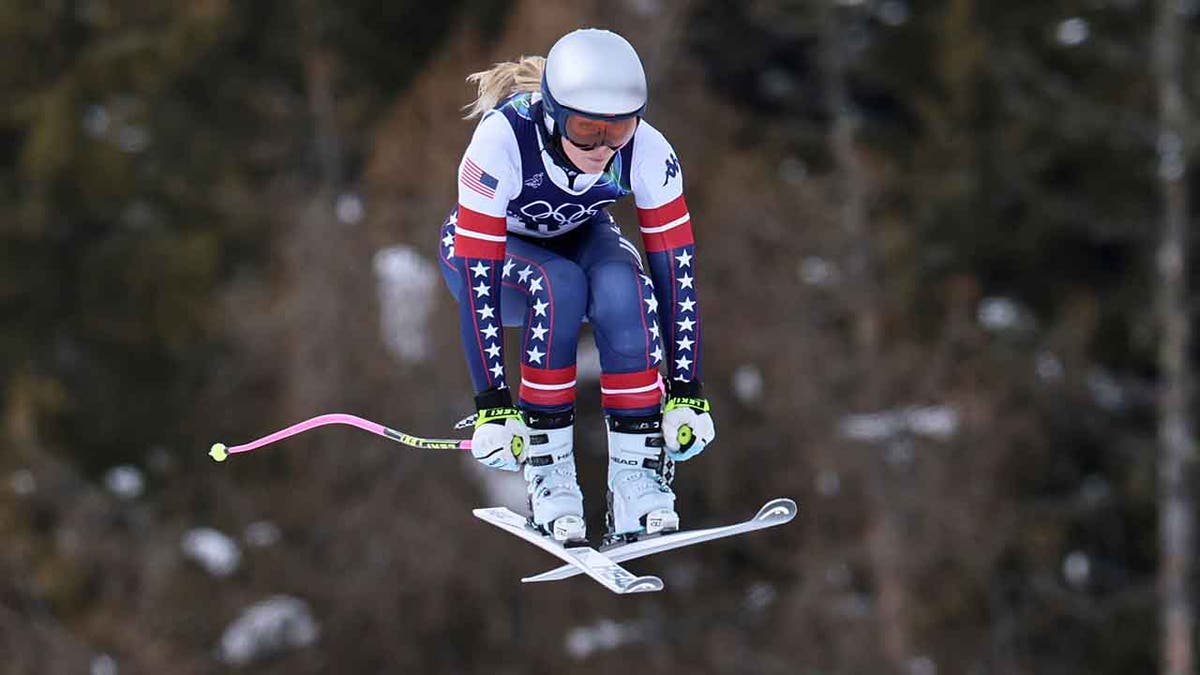
The news of Vonn’s near-amputation and the subsequent struggle has resonated deeply within the sports community and beyond. Many have taken to social media to express their support and admiration for her strength and resilience. Her story serves as a powerful reminder of the inherent risks involved in professional sports, particularly in disciplines like alpine skiing, where athletes push the boundaries of human performance at extreme speeds and on challenging terrain.
As Vonn embarks on this latest phase of her recovery, the focus will undoubtedly be on her health and well-being. While her competitive future remains uncertain, her impact on the sport of skiing and her legacy as an inspirational figure are already firmly established. Her candor in sharing such a personal and harrowing experience offers a valuable glimpse into the realities faced by elite athletes and the profound courage it takes to overcome life-altering challenges. The medical expertise of individuals like Dr. Tom Hackett, combined with Vonn’s own determination, will be instrumental in her journey back to a life of activity and wellness. The path ahead is long, but Vonn has consistently demonstrated an extraordinary capacity to rise above adversity, making her recovery a story that many will follow with keen interest and unwavering support.