
 By admin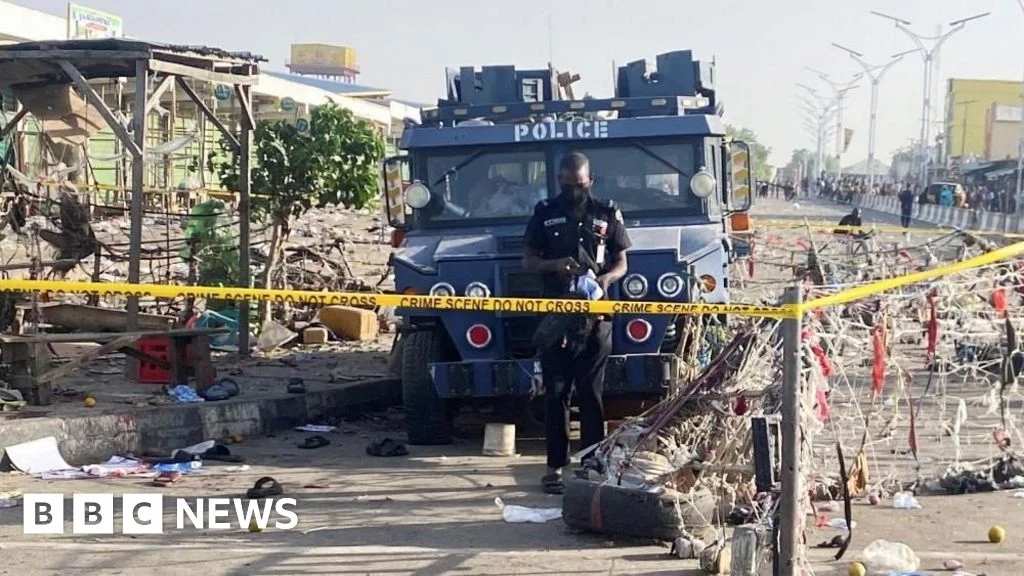
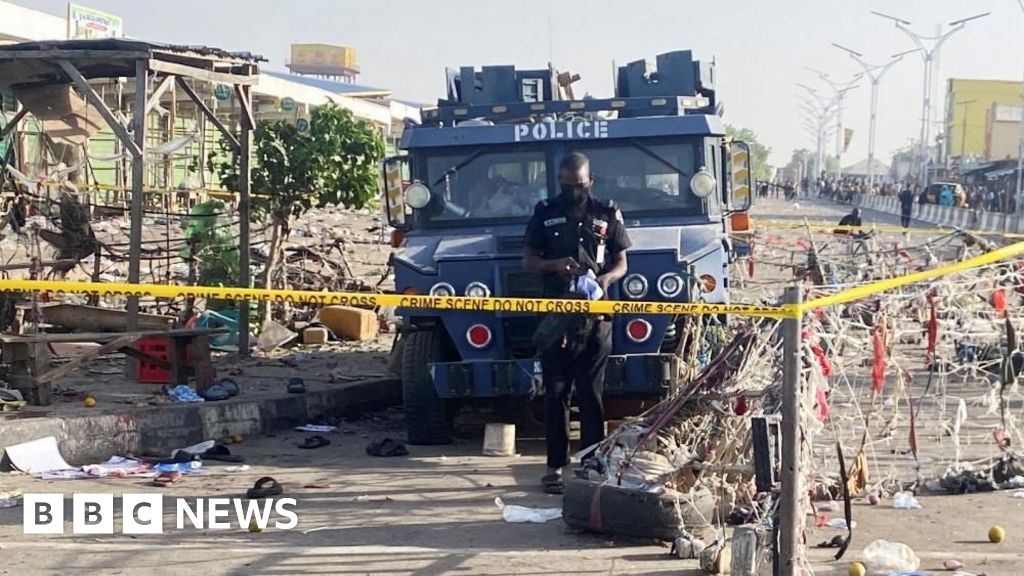
In a devastating series of attacks that have sent shockwaves through northeast Nigeria, at least 23 people were killed and a further 108 injured in a coordinated onslaught of suspected suicide bombings in Maiduguri, the capital of Borno state. The attacks, which occurred on Monday evening, represent one of the most severe assaults on the city in recent memory and have shattered a period of relative calm, underscoring the persistent threat posed by Islamist militants in the region.
The meticulously planned assaults unfolded within minutes of each other, targeting three of Maiduguri’s most frequented locations: a post office, a popular weekly market, and the University of Maiduguri Teaching Hospital. The bombings struck around 19:30 local time (18:30 GMT), a period when these areas would have been teeming with activity as residents gathered after breaking their day-long fast during the holy month of Ramadan. The choice of these specific locations, known for their high footfall, suggests a deliberate attempt by the perpetrators to maximize casualties and sow widespread terror.
The Nigerian military has unequivocally blamed the notorious Boko Haram group for the bombings. This attribution is particularly significant given Boko Haram’s origins in Maiduguri, a city that has long served as the epicentre of the Islamist group’s brutal insurgency, which erupted in 2009. The insurgency has been characterized by extreme violence, including mass kidnappings, indiscriminate killings, and widespread displacement, fundamentally altering the social and economic landscape of northeast Nigeria. While the group has fractured into various factions and experienced territorial losses in recent years, its capacity to launch significant attacks, especially within urban centers, remains a grave concern.
The timing of these attacks is also noteworthy. Maiduguri had, in the preceding months, begun to experience a degree of normalcy and a reduction in large-scale violence. Intensified military operations, coupled with regional cooperation, had reportedly pushed armed groups into more remote border areas, fostering a cautious optimism among residents and authorities alike. This recent resurgence of deadly attacks, particularly those occurring deep within the city and targeting civilian hubs, signals a potential shift in Boko Haram’s strategy, moving from overt territorial control to a more insidious campaign of terror aimed at destabilizing the population and undermining government efforts to restore peace and order.
The Borno state police, in a statement released following the attacks, confirmed that preliminary investigations pointed towards the involvement of suspected suicide bombers. "Preliminary investigation reveals that the incidents were carried out by suspected suicide bombers," the statement read, adding that a comprehensive investigation was underway to ascertain the identities of the attackers and their network. The use of suicide bombers, a hallmark of extremist groups like Boko Haram and its offshoot, the Islamic State West Africa Province (ISWAP), allows for the delivery of devastating blows with a high degree of unpredictability and psychological impact.
Eyewitness accounts paint a harrowing picture of the chaos and terror that ensued. Modu Bukar, a resident who was present at the market during the blast and assisted in transporting victims to the hospital, recounted the terrifying moments to the AFP news agency. "We were sitting when we suddenly heard a loud explosion. Everyone immediately started running in fear," he said. "As we ran, people kept shouting that we should keep going." The instinctive reaction of panic and flight highlights the immediate and overwhelming terror instilled by the explosions.
Another survivor, Mala Mohammed, 31, described the panicked scramble towards the post office area, a location situated not far from the market entrance. "Unfortunately, as they were running towards the post office, the person who had the explosive device ran into the crowd while people were still trying to escape," he told AFP, illustrating the calculated cruelty of the attackers who exploited the chaos to inflict further casualties. This detail suggests a degree of coordination, with at least one bomber detonating their device amidst the fleeing crowd, amplifying the devastation.
The gravity of the situation prompted an immediate response from the highest levels of government. Nigerian President Bola Tinubu condemned the attacks on Tuesday, describing them as "profoundly upsetting" and "desperate acts of the evil-minded terrorist groups." In a decisive move, President Tinubu ordered his security chiefs to immediately relocate to Maiduguri and "take charge of the situation." This directive underscores the federal government’s commitment to confronting the resurgent threat and signals a renewed focus on restoring security to the affected region. The deployment of top security officials directly to the scene indicates a recognition of the urgency and a desire for a hands-on approach to intelligence gathering, strategic planning, and operational command.
The attacks occurred in the immediate aftermath of another security incident. Just hours before the coordinated bombings, security forces had successfully repelled an overnight attack by suspected Islamist fighters on a military post in the Ajilari Cross area, situated on the outskirts of Maiduguri. While this earlier incident was contained, it may have served as a precursor or a diversionary tactic, indicating a heightened level of militant activity in and around the city. The success of the security forces in repelling the Ajilari Cross attack, juxtaposed with the devastating success of the subsequent bombings within the city, highlights the complex and multi-faceted nature of the counter-insurgency efforts.
The sheer scale and the deliberate targeting of civilian areas within Maiduguri have deeply shaken its residents. Many had begun to cautiously believe that the darkest days of the Boko Haram insurgency, which saw the group controlling significant swathes of territory and launching relentless assaults, were behind them. The insurgency, at its peak around 2015, caused immense suffering and displacement, with millions forced to flee their homes. While the intensity of the violence has somewhat subsided from those devastating heights, the recent uptick in attacks by both Boko Haram and ISWAP in the northeastern parts of Nigeria serves as a stark reminder that the threat remains potent and adaptable.
The ongoing conflict in northeast Nigeria is a complex humanitarian and security crisis. The insurgency has not only resulted in widespread loss of life and displacement but has also crippled essential services, devastated agricultural livelihoods, and fueled a cycle of poverty and desperation. The attacks in Maiduguri, therefore, have far-reaching implications, potentially exacerbating the humanitarian crisis and hindering efforts to achieve sustainable peace and development.
Experts in counter-terrorism and regional security have expressed grave concerns over the recent escalation. Dr. Amina Bello, a security analyst specializing in West African conflicts, commented that "the coordinated nature of these attacks, targeting multiple high-profile civilian areas simultaneously, suggests a degree of planning and sophistication that is worrying. It indicates that the militant groups, despite facing military pressure, are still capable of regrouping and launching impactful operations." She further noted that "the Ramadan period, with its increased social gatherings, often becomes a target for extremist groups seeking to maximize casualties and psychological impact. This makes the attacks particularly reprehensible."
The Nigerian government, while condemning the violence, faces immense pressure to not only bring the perpetrators to justice but also to implement robust strategies that address the underlying causes of the insurgency, including poverty, unemployment, and social marginalization. The president’s order to deploy security chiefs to Maiduguri is a step in the right direction, signaling a commitment to an elevated response. However, long-term solutions will likely require a comprehensive approach that integrates security operations with socio-economic development initiatives, community engagement, and efforts to counter extremist ideologies.
The international community has also voiced its concern and offered support. Many nations and international organizations have consistently provided humanitarian assistance and security support to Nigeria in its fight against terrorism. The recent attacks are likely to prompt renewed calls for enhanced international cooperation and the provision of vital resources to bolster Nigeria’s counter-insurgency capabilities.
As Maiduguri grapples with the immediate aftermath of these horrific bombings, the focus remains on providing medical care to the injured, identifying the victims, and comforting the bereaved. The psychological scars left by such indiscriminate violence are profound, and the long road to recovery for the affected communities will be arduous. The renewed wave of terror serves as a somber reminder of the persistent challenges faced by Nigeria in its struggle against extremism, and the urgent need for sustained and multifaceted efforts to ensure the safety and security of its citizens. The coming days and weeks will be crucial in understanding the full impact of these attacks and observing the effectiveness of the government’s response in restoring confidence and preventing further atrocities. The resilient spirit of Maiduguri’s residents will undoubtedly be tested, but their determination to overcome this tragedy will be a testament to their strength in the face of adversity. The ongoing threat, however, necessitates constant vigilance and adaptive strategies from both security forces and humanitarian organizations working tirelessly in the region.