
 By Titik Puspa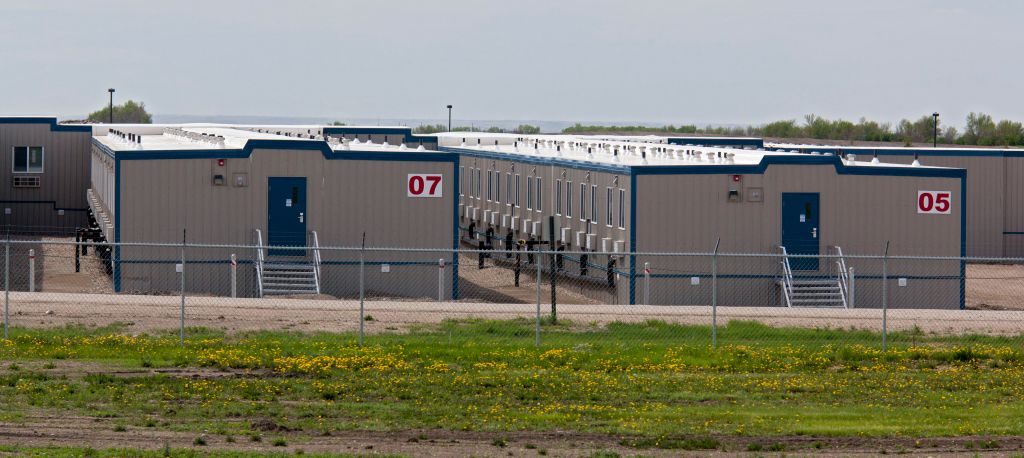
The burgeoning artificial intelligence revolution, a force reshaping global economies and technological landscapes, is concurrently igniting a less discussed, yet critically important, infrastructure challenge: housing the legions of temporary workers required for its construction. As massive AI data centers, behemoths of computing power, sprout across the nation, developers are increasingly turning to a familiar, albeit often debated, solution: temporary villages colloquially known as "man camps." These self-contained communities, once primarily associated with the resource extraction industries, are now becoming indispensable for the rapid deployment of the AI infrastructure that underpins our digital future.
This emergent trend was starkly highlighted in rural Dickens County, Texas, where a former Bitcoin mining facility is undergoing a dramatic transformation into a colossal 1.6-gigawatt data center. The sheer scale of this undertaking necessitates a substantial workforce, numbering in the hundreds, and potentially thousands, of temporary laborers. To accommodate this influx, developers have embraced the "man camp" model. As reported by Bloomberg, these workers are now residing in functional, gray housing units that, while basic, offer a suite of amenities designed to maintain morale and productivity in remote locations. These include access to a communal gym for physical well-being, a laundromat to manage personal needs, recreation rooms offering a respite from demanding workdays, and a central cafeteria that goes above and beyond by grilling steaks on-demand, a small but significant perk for those far from home.
The company at the forefront of providing these vital housing solutions is Target Hospitality. This corporation has secured multiple contracts, collectively valued at an impressive $132 million, for the construction and ongoing operation of the Dickens County camp. This single project has the potential to house over 1,000 workers, underscoring the immense demand for such facilities. Target Hospitality’s chief commercial officer, Troy Schrenk, has openly articulated the company’s strategic focus, describing the U.S. data center construction boom as "the largest, most actionable pipeline I’ve ever seen." This statement signals a significant shift in the company’s market strategy, recognizing the immense, and potentially long-term, demand for temporary worker housing driven by the relentless expansion of data center infrastructure.
The rise of the "man camp" for AI data centers is not entirely novel. This model gained prominence decades ago, serving as essential accommodation for men working in the remote and often challenging conditions of oil fields. The oil booms in regions like North Dakota and West Texas saw the rapid proliferation of these camps, designed to provide essential services and a semblance of community for transient workforces. The current demand from the AI sector echoes these historical patterns, albeit with a different technological focus. The need for rapid, large-scale deployment of data centers, driven by the insatiable appetite for AI processing power, mirrors the urgency and logistical complexities faced by the energy sector during its peak expansion phases.
The appeal of the "man camp" model for data center developers lies in its efficiency and speed. Building permanent housing for a temporary workforce is often economically unfeasible and time-consuming. "Man camps" offer a prefabricated, scalable solution that can be deployed quickly to project sites, minimizing delays and maximizing construction momentum. These camps are designed for modularity, allowing for rapid expansion or contraction as project needs evolve. Furthermore, they centralize essential services, streamlining logistics and ensuring that workers have access to food, shelter, and basic amenities without requiring extensive travel or local infrastructure development. This focus on operational efficiency is paramount in the high-stakes, time-sensitive world of large-scale technology infrastructure projects.

However, the history and current application of "man camps" are not without significant controversy. Target Hospitality’s involvement in the Dickens County project also brings to light a concerning aspect of its business operations. The company also operates the Dilley Immigration Processing Center in Texas, a facility that houses families detained by Immigration and Customs Enforcement (ICE). Court filings related to this facility have painted a disturbing picture, alleging issues such as worm-infested and moldy food, and inadequate accommodations for children with allergies and special dietary needs. This juxtaposition – providing essential, albeit basic, services for burgeoning tech workers while simultaneously being associated with facilities facing severe human rights allegations – raises critical questions about the ethical considerations and oversight surrounding the companies that are becoming integral to the infrastructure of both immigration enforcement and the AI revolution.
The historical context of "man camps" also reveals a pattern of social and environmental impacts that warrant careful consideration. In areas experiencing rapid industrial development, such as the Bakken oil fields in North Dakota, the influx of thousands of temporary male workers often led to strain on local communities. Issues such as increased demand on public services, localized housing shortages for permanent residents, and a rise in social problems, including increased rates of sexual assault and domestic violence, were reported in some instances. While modern "man camps" often incorporate enhanced security measures and on-site amenities to mitigate these risks, the potential for social disruption and the impact on local communities remain a valid concern, especially as these camps are established in increasingly rural or remote areas.
Experts in labor relations and urban planning have highlighted the dual nature of these temporary housing solutions. Dr. Anya Sharma, a sociologist specializing in transient workforces, notes, "On one hand, ‘man camps’ are an efficient and necessary tool for rapid infrastructure development. They provide essential shelter and services to workers who are crucial for our technological advancement. However, we cannot ignore the potential for social isolation, the impact on local economies and social fabrics, and the ethical responsibilities of the companies providing these services. Robust oversight and community engagement are paramount to ensure these developments are sustainable and equitable."
The sheer scale of investment in AI infrastructure suggests that the demand for "man camps" is likely to persist and even grow. Projections indicate that the global data center market will continue its exponential growth trajectory, fueled by the increasing adoption of AI, machine learning, and the ever-expanding volume of digital data. This sustained demand will translate into a continuous need for large construction and maintenance workforces, thereby perpetuating the reliance on temporary housing solutions. Companies like Target Hospitality are strategically positioned to capitalize on this trend, but the ethical scrutiny and public discourse surrounding their operations will undoubtedly intensify.
The future of AI development is inextricably linked to the practicalities of housing its human workforce. While "man camps" offer a pragmatic solution to an immediate logistical challenge, their historical baggage and the current controversies surrounding their operators necessitate a more nuanced approach. Policymakers, developers, and the companies themselves must engage in transparent dialogue and implement stringent ethical guidelines. This includes ensuring fair labor practices, promoting the well-being of workers, mitigating negative social and environmental impacts on local communities, and upholding human rights standards in all aspects of their operations. The progress of artificial intelligence should not come at the expense of human dignity or community well-being. The "man camp" model, while a powerful tool for construction, must evolve to become a responsible and equitable component of the AI revolution’s infrastructure. The critical question remains: can these temporary villages provide necessary shelter without perpetuating past problems and while upholding the highest ethical standards? The answer will shape not only the physical landscape of our technological future but also the social and ethical foundations upon which it is built. The Dickens County project, and others like it, will serve as a crucial test case for this evolving paradigm.