
 By admin
The current geopolitical climate, defined by escalating conflict in the Middle East and the resulting instability in global energy markets, has cast a long shadow over the American consumer’s wallet. While much of the initial economic analysis regarding these tensions focused on the volatility of international airfares and the disruption of shipping lanes in the Red Sea, the ripple effects have now reached the local gas station. As crude oil prices fluctuate in response to supply chain anxieties and the threat of broader regional involvement, the national average price at the pump has surged to approximately $3.88 per gallon, according to data from AAA. This represents a staggering increase from the average of $2.90 per gallon recorded just one month prior, signaling a rapid tightening of the energy market that is hitting motorists hard just as the spring and summer travel seasons approach.

Understanding the mechanics of these price spikes requires a look at both global and domestic factors. Oil is a global commodity, and even as the United States has increased its domestic production, the "Brent" and "West Texas Intermediate" benchmarks remain sensitive to disruptions in the Middle East—a region that accounts for a significant portion of the world’s proven oil reserves and daily production capacity. Furthermore, the transition from "winter-blend" to "summer-blend" gasoline, which is more expensive to produce due to its lower volatility requirements to prevent smog, typically occurs during this time of year, creating a perfect storm of rising costs. For the average commuter or the family planning a cross-country road trip, the necessity of fuel efficiency has shifted from an environmental preference to a financial imperative. Fortunately, a combination of behavioral changes, mechanical maintenance, and strategic planning can significantly mitigate these costs.
One of the most immediate and effective ways to combat rising fuel prices is to adjust driving speeds. While modern vehicles are engineering marvels, they cannot escape the fundamental laws of physics. Aerodynamic drag increases exponentially with speed; specifically, the power required to overcome air resistance increases with the cube of the vehicle’s speed. For most consumer vehicles, fuel economy reaches its peak at speeds between 35 and 50 miles per hour. Once a vehicle surpasses the 50-mph threshold, efficiency begins to decline sharply. According to the Department of Energy, every 5 mph a driver travels over 50 mph is effectively the same as paying an additional 27 cents per gallon for gasoline. On a long-distance highway trip, the time saved by driving 80 mph instead of 70 mph is often negligible compared to the significant increase in fuel consumption and the associated cost. By adhering to posted speed limits and maintaining a steady pace, drivers can reclaim a substantial portion of their fuel budget.
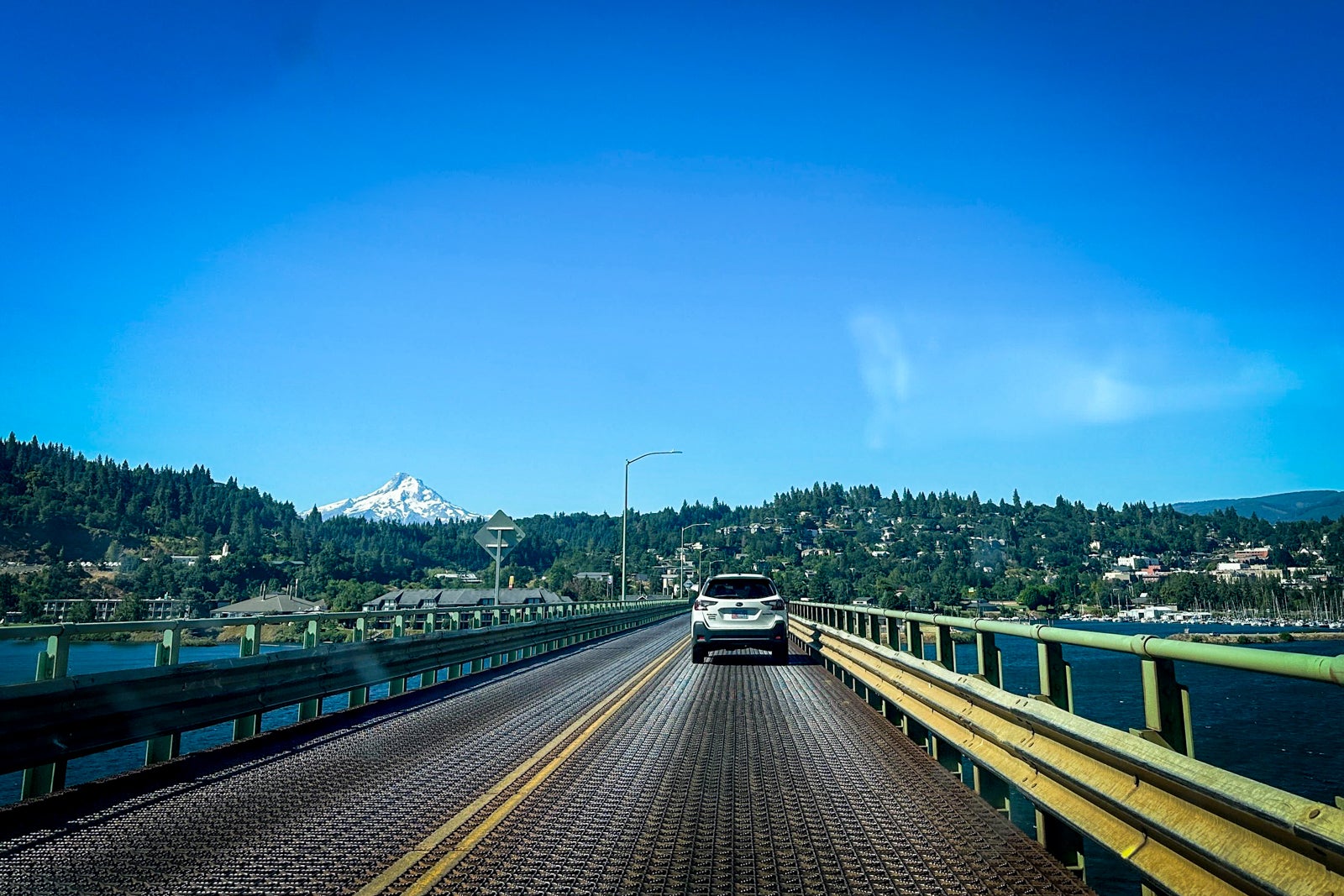
Beyond the speed on the speedometer, the manner in which a driver reaches that speed is equally critical. Conservative driving—characterized by gentle acceleration and anticipatory braking—is a cornerstone of fuel conservation. AAA reports that aggressive driving habits, such as "jackrabbit" starts and hard braking, can reduce a vehicle’s fuel economy by as much as 15% to 40% depending on the driving environment. When a driver accelerates rapidly, the engine requires a rich fuel-to-air ratio, burning significantly more gasoline than it would during a gradual increase in speed. Conversely, hard braking wastes the kinetic energy that the engine has already burned fuel to create. To maximize efficiency, drivers should imagine an egg under their accelerator pedal, applying pressure smoothly. Maintaining a generous following distance allows a driver to modulate their speed using the throttle rather than the brakes, smoothing out the stop-and-go nature of heavy traffic. Additionally, the use of cruise control on flat, dry highways can help maintain a consistent speed, though it should be avoided in hilly terrain where the system may downshift aggressively to maintain speed, or in wet conditions where it could lead to hydroplaning.
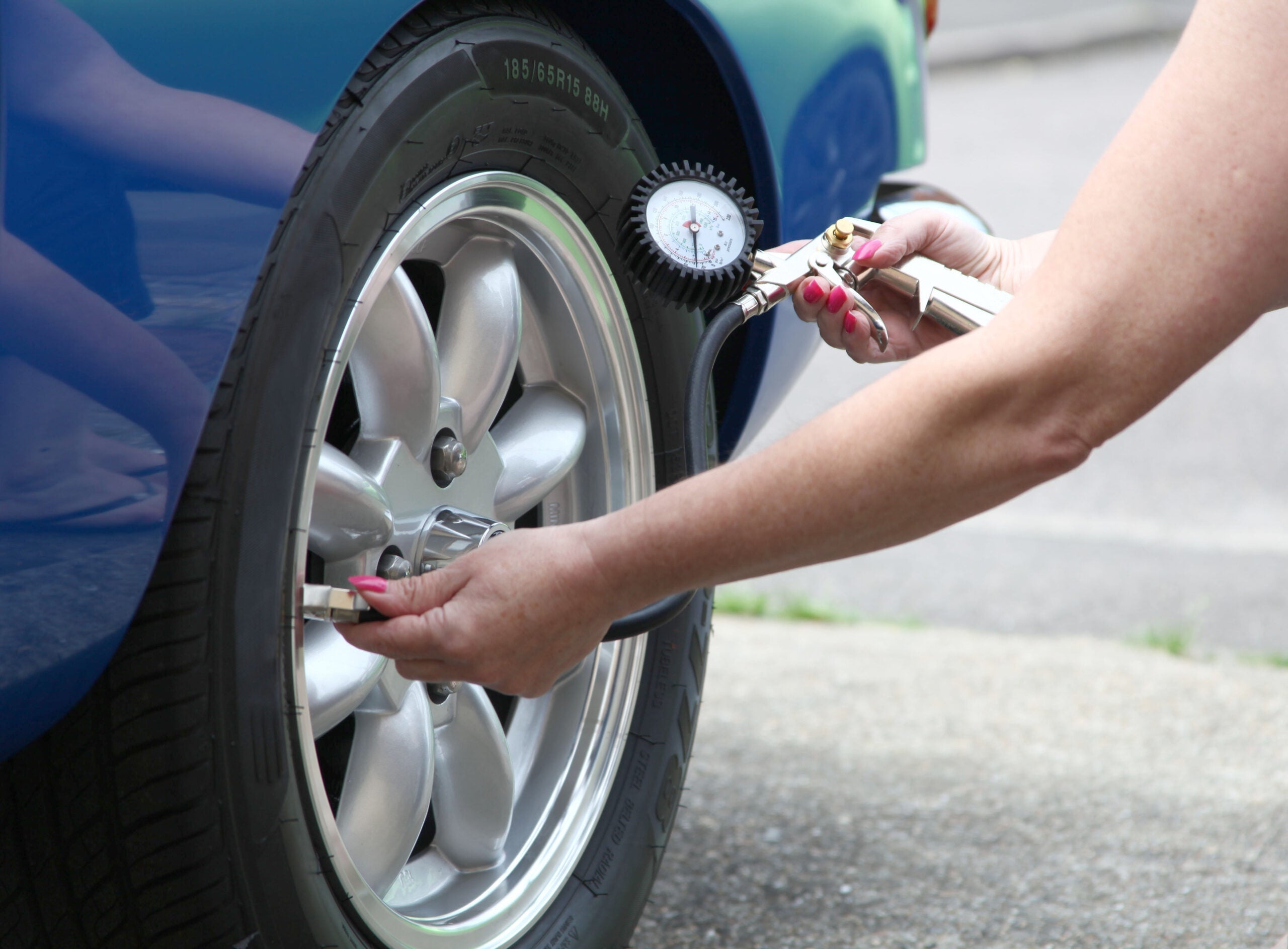
Mechanical maintenance, specifically regarding tire pressure, offers another avenue for significant savings. Tires are the only point of contact between a vehicle and the road, and their "rolling resistance" plays a major role in how hard the engine must work. Underinflated tires have a larger "footprint" on the pavement, creating more friction and requiring more energy to move. Data from Kelley Blue Book suggests that even a slight drop in pressure can lead to a measurable decrease in miles per gallon. Tires naturally lose between 1 and 3 pounds per square inch (psi) of pressure every month due to permeation through the rubber, and this loss is exacerbated by drops in ambient temperature. Many modern vehicles are equipped with Tire Pressure Monitoring Systems (TPMS), but these often only alert the driver when the pressure has dropped dangerously low. For maximum efficiency, drivers should manually check their tire pressure at least once a month using a reliable gauge, ensuring the tires are inflated to the manufacturer’s recommended level, which is typically found on a placard inside the driver-side door jamb.

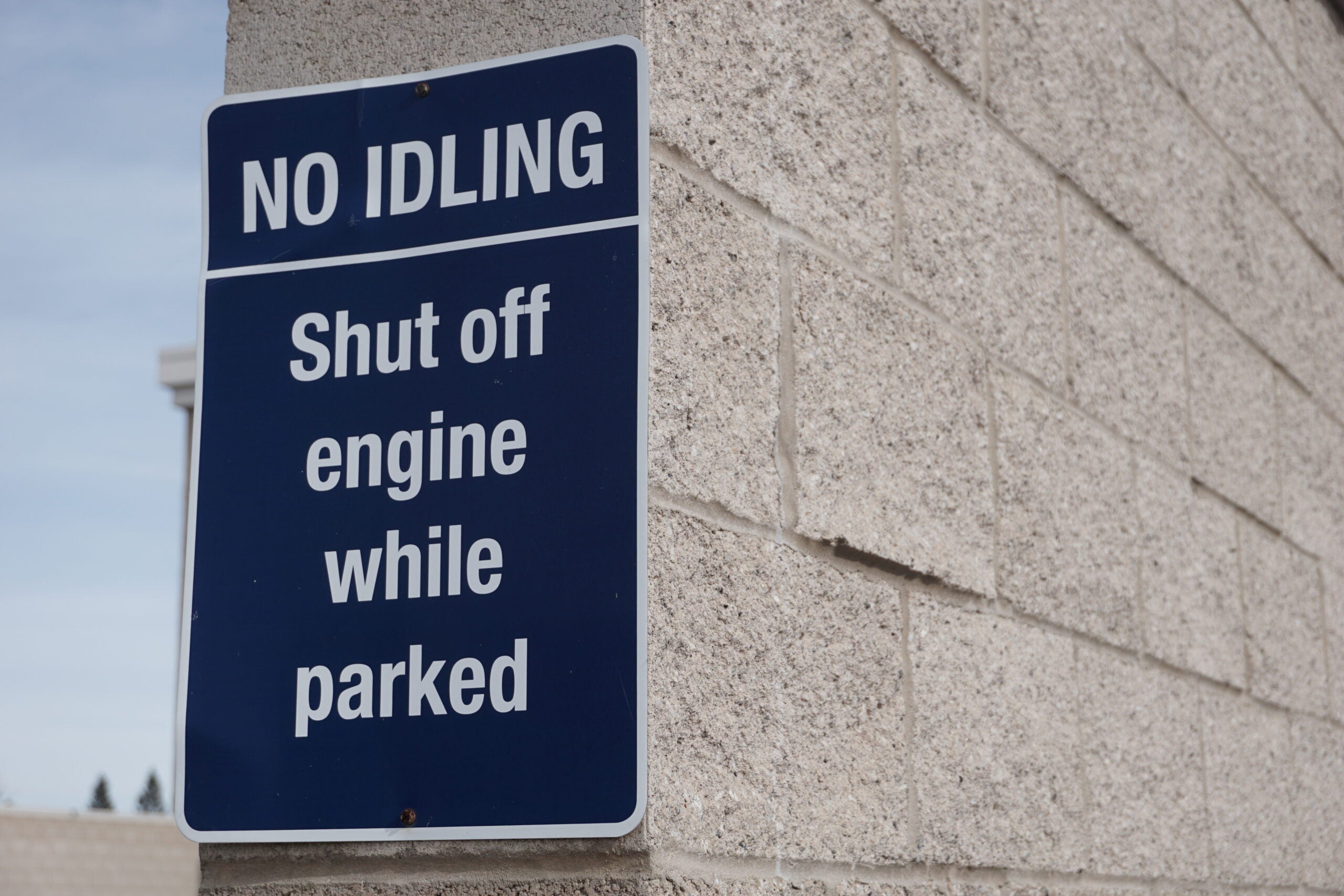
A persistent myth in automotive circles is that idling a car uses less fuel than restarting it. In the era of carburetors, this might have held some truth, but modern fuel-injected engines are incredibly efficient at restarting. The consensus among experts, including the Department of Environmental Quality, is that if a vehicle is going to be stationary for more than 10 seconds—excluding active traffic situations—it is more fuel-efficient to turn the engine off. Idling can consume a half-gallon to a full gallon of fuel per hour, depending on the engine size and air conditioner use. Furthermore, the practice of "warming up" a car for several minutes during cold weather is largely unnecessary for modern engines. Most manufacturers recommend driving the vehicle gently after about 30 seconds of idling; the engine will actually reach its optimal operating temperature faster when under a light load than it will while sitting in a driveway, thereby reaching its peak efficiency sooner.
Strategic trip planning is another often-overlooked tool for the budget-conscious driver. A "cold start"—starting an engine that has sat long enough to reach ambient temperature—is when a vehicle is at its least efficient. During the initial minutes of operation, the engine and the catalytic converter are not yet at their optimal temperatures, leading to higher fuel consumption and increased emissions. By combining multiple errands into a single, continuous loop, drivers can ensure that the engine remains warm for the duration of the journey. This "trip chaining" reduces the number of cold starts and allows the vehicle to operate in its most efficient state for a larger percentage of the miles driven. Mapping out the most efficient route, avoiding high-traffic areas, and choosing businesses that are clustered together can result in significant cumulative savings over the course of a month.
The physical load carried by a vehicle also dictates its thirst for fuel. Weight is a primary enemy of efficiency; for every 100 pounds of additional weight, fuel economy can drop by about 1%. While this may seem minor, the accumulation of unnecessary items in the trunk or backseat can add up. Even more impactful is the aerodynamic profile of the vehicle. Carrying cargo on the roof is particularly detrimental because it increases the frontal area of the car and disrupts the airflow. A large, blunt-edged rooftop cargo box can decrease fuel economy by 2% to 8% in city driving and by as much as 25% at highway speeds. If additional storage is required, rear-mounted trays or boxes are far more efficient as they sit in the vehicle’s aerodynamic "wake." Once a trip is concluded, removing roof racks and carriers is essential, as even empty racks create enough drag to negatively impact mileage.
Finally, the management of the vehicle’s climate control system requires a nuanced approach. The air conditioning compressor is one of the most significant auxiliary loads on an engine, potentially reducing fuel economy by up to 10% in extreme heat. However, at high speeds, opening the windows creates immense aerodynamic drag, which can be even more costly than running the A/C. Research conducted by the Society of Automotive Engineers (SAE) suggests a general "rule of thumb": at speeds below 45 mph, it is usually more efficient to roll the windows down and leave the air conditioning off. Once the vehicle exceeds 45 to 50 mph, the drag from open windows becomes the dominant factor, making it more efficient to roll the windows up and utilize the air conditioning. To further reduce the load, drivers should park in the shade, use sunshades to keep the interior cool while parked, and drive with the windows down for a minute after starting to let the hot air escape before turning on the A/C.
As fuel prices remain tethered to the unpredictable nature of international conflict, these strategies offer a proactive way for consumers to take control of their expenses. Beyond the immediate financial relief, these habits contribute to the longevity of the vehicle’s mechanical systems, reducing wear on the engine, brakes, and tires. While the transition to electric vehicles (EVs) is a growing trend for those looking to decouple themselves from the oil market entirely, the reality for most Americans is that the internal combustion engine remains their primary mode of transport. By treating fuel as a precious resource and applying these data-driven techniques, motorists can navigate the current economic turbulence with greater resilience, ensuring that their summer travels remain affordable despite the volatility of the global stage.