
 By admin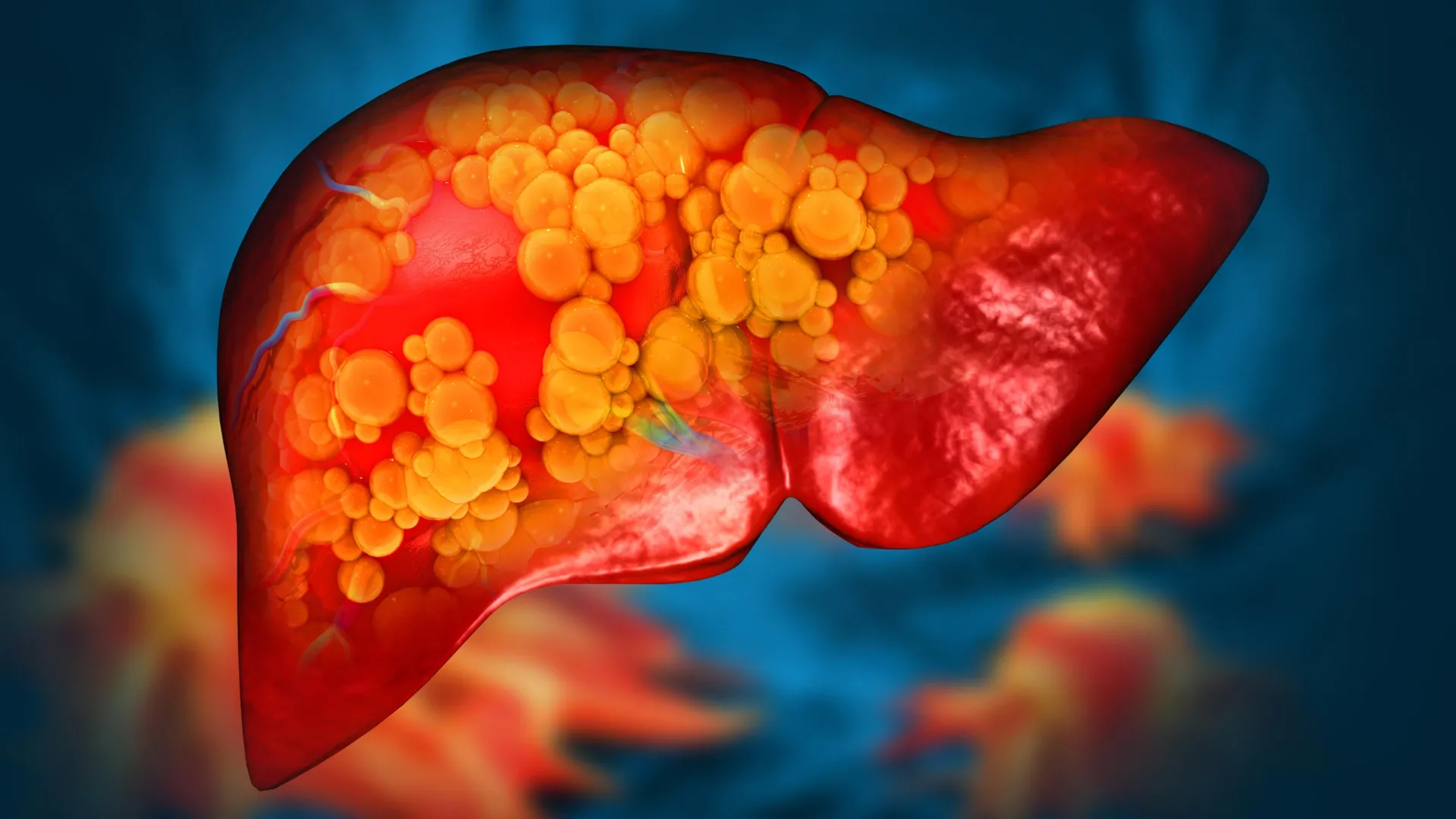
The team meticulously traced this causative variant to the MET gene, a critical component of human physiology. The MET gene, which encodes the c-Met receptor tyrosine kinase, plays a pivotal role in numerous cellular processes, most notably in liver repair and regeneration, as well as the intricate mechanisms by which the body processes fats. Under normal conditions, the MET signaling pathway is essential for maintaining liver homeostasis, regulating cell growth, survival, and motility. It acts as the receptor for hepatocyte growth factor (HGF), a potent mitogen for hepatocytes, crucial for the liver’s remarkable regenerative capacity following injury or disease.
When this vital gene does not function properly due to a specific mutation, the cascade of events leading to MASLD begins. The disruption in MET signaling impairs the liver’s ability to efficiently process and metabolize lipids. Consequently, fat begins to accumulate excessively inside liver cells, a condition known as steatosis. This initial fat buildup is often asymptomatic, but it sets the stage for further damage. The prolonged presence of fat droplets within hepatocytes can lead to lipotoxicity, cellular stress, and mitochondrial dysfunction. This cellular distress triggers an inflammatory response, where immune cells infiltrate the liver, attempting to clear damaged cells and excess lipids. Over time, this chronic inflammation, characteristic of MASH, can progress to fibrosis, a process where scar tissue forms, stiffening the liver and impeding its normal function. In more advanced stages, this scarring can become widespread and severe, culminating in cirrhosis, a irreversible condition that can lead to permanent liver damage, liver failure, and significantly increase the risk of developing hepatocellular carcinoma (HCC), a primary liver cancer.
The sheer scale of MASLD and MASH underscores the urgency of this discovery. Metabolic dysfunction-associated steatotic liver disease currently impacts approximately one-third of adults worldwide, making it the most common chronic liver disease. Its prevalence is rapidly increasing in parallel with the global obesity and diabetes epidemics. The more severe form, MASH, is particularly concerning. It is projected to surpass viral hepatitis as the leading cause of cirrhosis and is anticipated to become the primary indication for liver transplants in the United States and other developed nations within the next decade. The economic burden of MASLD/MASH, encompassing healthcare costs, lost productivity, and the significant impact on quality of life, is immense, further emphasizing the critical need for deeper understanding and effective interventions.
"This discovery opens a critical window into how rare inherited genetic variants can drive common diseases, fundamentally altering our understanding of MASLD pathogenesis," says lead author Filippo Pinto e Vairo, M.D., Ph.D., medical director of the Program for Rare and Undiagnosed Diseases at Mayo Clinic’s Center for Individualized Medicine. "It provides new insights into the disease’s underlying mechanisms and, crucially, points towards potential therapeutic targets for future research and drug development. Understanding such a specific genetic cause allows us to move beyond broad lifestyle recommendations and consider highly personalized, precision medicine approaches."
Family Case Reveals the Genetic Clue: A Breakthrough in Diagnostic Puzzles
The journey to this pivotal discovery began not with a large-scale population study, but with a perplexing clinical case – the genomic analysis of a woman and her father, both of whom presented with metabolic dysfunction-associated steatohepatitis (MASH). What made their case particularly intriguing and challenging for clinicians was the absence of the typical, well-established risk factors associated with fat accumulation in the liver. Neither the daughter nor her father had diabetes, nor did they exhibit high cholesterol levels, two of the most common metabolic abnormalities strongly linked to MASLD/MASH development. Their liver disease, therefore, defied conventional explanations, presenting a diagnostic enigma that underscored the limitations of existing knowledge.
Because the usual explanations did not apply, prompting a deeper investigation into the underlying causes, researchers at Mayo Clinic performed an extensive and meticulous genetic analysis. This involved examining the entire coding region of their DNA through whole exome sequencing, scrutinizing more than 20,000 genes for any deviations from the norm. It was during this painstaking search that they identified a small but potentially meaningful alteration – a specific rare variant within the MET gene. This discovery was akin to finding a needle in a haystack, made possible only by advanced genomic technologies and a hypothesis-driven approach to complex diseases.
To validate their initial findings and unravel the precise functional consequences of this variant, the Mayo Clinic team collaborated with scientists from the Medical College of Wisconsin’s John & Linda Mellowes Center for Genomic Sciences and Precision Medicine, led by Raul Urrutia, M.D. Through rigorous laboratory investigations and functional assays, the research team confirmed that this specific mutation indeed interfered with a critical biological process orchestrated by the MET gene. Genes are composed of sequences of chemical "letters" (nucleotides) that carry precise instructions for how the body functions and how proteins are synthesized. In this particular case, a single swapped letter within the DNA sequence of the MET gene disrupted the genetic message. This subtle yet profound alteration prevented the liver from properly processing fat, leading directly to the accumulation of lipids and the subsequent cascade of inflammation and damage observed in their MASH. This rare genetic variant, specific to this family, had not previously been documented in scientific literature or public genetic databases, highlighting its novelty and the importance of this discovery.
"This study powerfully demonstrates that rare diseases are not rare but are often hidden within the large and complex pool of common disorders, manifesting with atypical presentations that challenge traditional diagnostic frameworks," Dr. Urrutia emphasizes. "It underscores the immense power of individualized medicine in identifying these elusive causes, thereby enabling the design of advanced diagnostics and, critically, opening pathways for highly targeted therapies that would otherwise be impossible to conceive."
Large Genomic Study Finds Similar Variants: Validating Population-Level Impact
To ascertain whether this newly identified MET gene mutation, or similar rare variants within the same gene, might appear in other patients with MASLD, researchers undertook a crucial validation step. They analyzed an expansive dataset from Mayo Clinic’s Tapestry study. The Tapestry study is a monumental exome sequencing initiative designed to systematically identify genetic factors that influence a broad spectrum of human diseases, both common and rare. It represents a significant investment in genomic medicine, building a foundation for future discoveries.
The Tapestry project has meticulously examined germline DNA from more than 100,000 participants across the United States. This vast undertaking has created an unparalleled genomic database, a rich repository of genetic information that supports cutting-edge research into both established and emerging health conditions. Its scale allows for the identification of rare variants and their association with disease phenotypes across a diverse population.
Among nearly 4,000 adults enrolled in the Tapestry study who had a confirmed diagnosis of metabolic dysfunction-associated steatotic liver disease, a significant finding emerged: approximately 1% of these individuals carried rare variants in the same MET gene. This observation strongly suggested that these variants could contribute to the development of the condition in a broader population, not just in the initial family case. Furthermore, a remarkable nearly 18% of these rare MET gene variants identified in the Tapestry cohort occurred specifically in the same key functional region that was identified in the original family. This convergence of findings from an individual family case and a large population-based study substantially strengthens the evidence that specific rare mutations in the MET gene play a direct and crucial role in the pathogenesis of MASLD. The consistency across different datasets provides robust statistical support for the discovery.
"This finding could potentially affect hundreds of thousands, if not millions, of people worldwide with or at risk for metabolic dysfunction-associated steatotic liver disease, fundamentally reshaping our understanding of this global health challenge," says Konstantinos Lazaridis, M.D., a lead author and the Carlson and Nelson Endowed Executive Director for the Center for Individualized Medicine. He further elaborates on the broader implications, stating, "It highlights that a seemingly ‘rare’ genetic cause, when scaled across a global population, can have a profound impact on public health."
Dr. Lazaridis also emphatically emphasized the transformative importance of the Tapestry study itself in revealing these hidden genetic factors behind disease. "Once a pathogenic variant is discovered through detailed clinical investigation, interrogating our Tapestry data repository is giving us a clearer lens into the hidden layers of disease," he explains. "This discovery of the MET variant’s role is one of the first and most compelling demonstrations of Tapestry’s scientific significance and its unparalleled ability to translate individual findings into population-level insights. This finding highlights the profound value of studying familial diseases in depth and underscores the immense merit of large-scale genomic datasets, which can collectively reveal rare genetic variations with far-reaching implications for population health and personalized medicine."
Precision Genomics Helps Solve Medical Mysteries: A New Era of Clinical Care
The findings from this landmark study powerfully highlight the growing and indispensable role of genomic medicine in clinical care at Mayo Clinic and beyond. Researchers and clinicians are increasingly leveraging advanced genetic technologies – such as whole exome and whole genome sequencing – not just for academic research, but directly in the diagnostic process to help uncover the elusive causes of complex and often difficult-to-diagnose diseases. This represents a fundamental shift from a symptom-based approach to a cause-based, molecular understanding of illness.
Since its inception in 2019, Mayo Clinic’s Program for Rare and Undiagnosed Diseases has been at the forefront of this revolution, providing more than 3,200 patients with access to comprehensive genomic testing. This specialized program is a testament to the integrated, multidisciplinary approach of Mayo Clinic, working collaboratively with nearly 300 clinicians across 14 diverse divisions. These divisions span a wide range of specialties, from gastroenterology and hepatology to endocrinology, cardiology, and neurology, ensuring that patients with complex and difficult-to-diagnose conditions – including rare liver diseases like those potentially driven by the MET variant – receive the most advanced and precise diagnostics available. The program’s success underscores the power of integrating genomic insights directly into patient care pathways, offering hope and answers where conventional diagnostics have failed.
Looking ahead, researchers are already planning future studies that will build upon this foundational discovery involving the MET gene and metabolic dysfunction-associated steatotic liver disease. These investigations will delve deeper into the precise molecular mechanisms by which the MET variants exert their pathogenic effects. Crucially, this newfound understanding is expected to directly guide the development of targeted treatments. For instance, specific therapies might be designed to modulate MET pathway activity, restore proper lipid metabolism, or mitigate the inflammatory cascade triggered by the dysfunctional gene. Furthermore, this discovery will undoubtedly improve how the disease is diagnosed and managed, potentially leading to earlier genetic screening for individuals at risk, especially those with atypical presentations or a family history of MASLD/MASH without the traditional risk factors. This paves the way for a future where MASLD, currently a broad and challenging disease to treat, can be approached with greater precision, offering personalized therapeutic strategies tailored to an individual’s unique genetic makeup.