
 By admin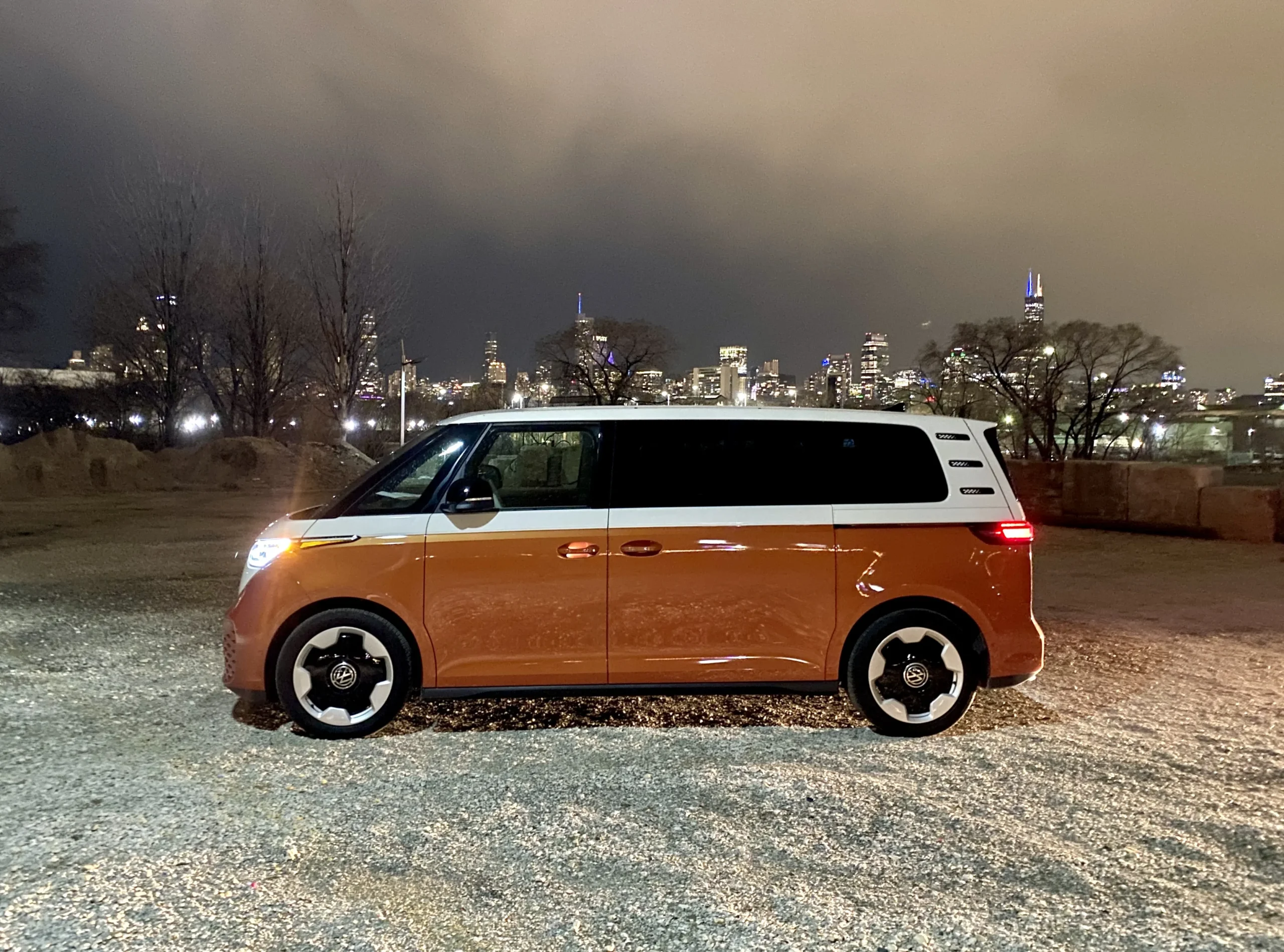
Despite a significant decline in popularity since their late 20th-century heyday, minivans are experiencing a quiet renaissance, driven by innovation, advanced technology, and a pivotal shift towards electrification. Once the undisputed champions of family transport, sales have plummeted from a peak of 1.3 million units in 2000 to a mere 306,000 last year, largely overshadowed by the relentless rise of SUVs. This dramatic shift led many to prematurely write off the segment, but those who did overlooked the remarkable evolution happening beneath the surface. Today’s minivan offerings, though fewer in number, represent the pinnacle of their class, blending practicality, comfort, and increasingly, cutting-edge efficiency.

The current lineup of four stalwarts—the Honda Odyssey, Toyota Sienna, Kia Carnival (formerly Sedona), and Chrysler Pacifica—have consistently delivered as exceptional family providers. For years, their primary drawback was often middling fuel economy, a factor that contributed to the SUV’s ascendance. However, this narrative is rapidly changing. A new era for the minivan is dawning, spearheaded by the imminent arrival of the 2025 Volkswagen ID.Buzz electric van. After years of anticipation and delays, the ID.Buzz is poised to revitalize the segment with pure battery power, injecting a dose of retro-futuristic charm and zero-emission capability.
But the ID.Buzz isn’t navigating this electrified frontier alone. The current market already reflects this transformative trend: three other minivans now offer compelling hybrid or plug-in hybrid options, leaving the Honda Odyssey as the sole holdout in the gas-only era. The Toyota Sienna is exclusively a hybrid, the Chrysler Pacifica boasts a unique plug-in hybrid variant, and the recently refreshed Kia Carnival now offers a hybrid powertrain. This collective move towards electrification addresses one of the minivan’s historical weaknesses, promising lower running costs, reduced environmental impact, and often, a more refined driving experience. While the ID.Buzz stands out as the only battery-electric model on the immediate horizon, its presence alone signals a bold new direction for family haulers. It masterfully leverages the popular retromod trend, resurrecting the iconic "VW Bus" nameplate with modern technology, while its signature power-sliding side doors remain a timeless and practical standout feature that SUVs simply can’t match.
The question for discerning families today isn’t if minivans are still relevant, but rather, which of these sophisticated and increasingly electrified machines offers the best ownership experience. Is it the long-standing stalwarts with their proven track records, or the newfangled electric and hybrid challengers? Do the traditional combustion engines still hold their own, or do the electrified options truly represent the future?
Our comprehensive rankings delve beyond mere sticker price, incorporating a holistic view of vehicle ownership that is crucial for family budgets. This includes factors such as the total cost of ownership, which heavily favors hybrids due to their superior fuel efficiency and potential for tax incentives. However, safety remains paramount, with rigorous evaluation of crash test results and active safety features. Interior roominess, flexibility, and thoughtful design elements—like seats that can be easily manipulated by small hands or intuitive storage solutions—play equally vital roles. Furthermore, modern families demand seamless connectivity and user-friendly technology, so easy-to-use infotainment systems, ample charging ports, and integrated smart features also rank high in our assessment. From the undeniable convenience of power-sliding side doors to the added security and capability of all-wheel drive, often paired with an electrified powertrain, these family haulers are making all the right moves. Here’s how the top contenders stack up, with all prices including destination charges.

5. Honda Odyssey
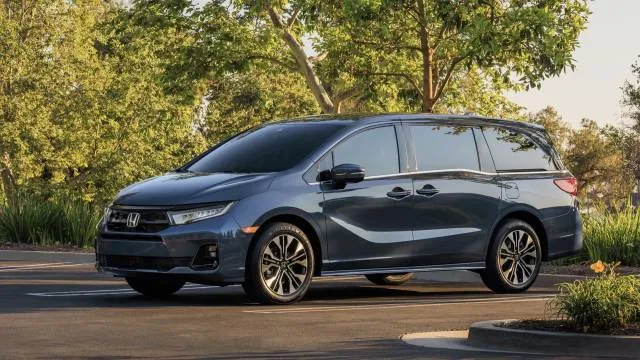
The Honda Odyssey, a long-standing titan in the minivan segment, finds itself at a crossroads. While its reputation for reliability and driving dynamics remains strong, the fifth-generation model, last redesigned in 2018, is beginning to show its age, particularly when compared to its rapidly evolving rivals. Its most significant drawback in today’s market is its singular powertrain offering: a traditional V6 gas engine paired exclusively with front-wheel drive. This makes it the only minivan in its class to entirely lack a hybrid or plug-in hybrid option, placing it firmly in the "gas-only era" that its competitors are quickly moving beyond.
On the upside, the Odyssey continues to impress with its responsive steering and composed handling, making it one of the more enjoyable minivans to drive. Its 280-horsepower 3.5-liter V6 engine provides ample power, a characteristic many traditional minivan buyers still appreciate. Furthermore, Honda’s legendary reputation for exceptional reliability and strong resale value is a significant draw, a benefit often attributed to its consistent engineering over the years. The Magic Slide second-row seats offer good flexibility, allowing for various configurations to prioritize cargo or passenger access. However, this flexibility doesn’t quite match the innovative Stow ‘N Go system of the Pacifica.
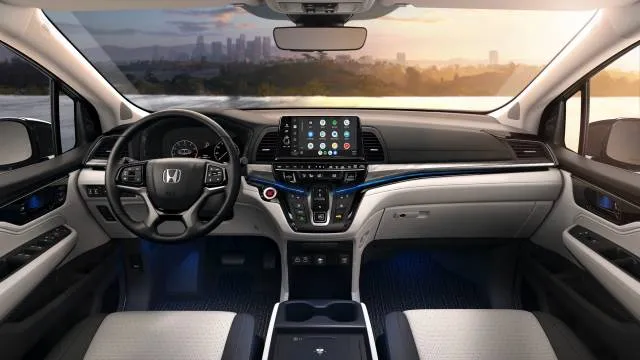
The downsides are becoming increasingly pronounced. The Odyssey’s infotainment system and overall technology package lag behind its rivals. While functional, it lacks the intuitive interfaces, larger screens, and advanced features now commonplace in the segment. This technological deficit fuels speculation about the Odyssey’s long-term future. Honda has made a belated but determined push towards electrification, with hybrid versions of the CR-V and Accord now being top sellers for their respective models. The company has also announced plans for an electric three-row crossover due in 2027. This broader electrification strategy raises questions: will the Odyssey, a nameplate with a 30-year legacy, be discontinued entirely, or will Honda finally introduce a much-needed hybrid powertrain in the coming year or two? For now, the Odyssey remains a solid choice for those prioritizing traditional V6 power, proven reliability, and a good driving feel, but its lack of electrification and aging tech puts it at a disadvantage in a segment that’s rapidly looking to the future.
3. Chrysler Pacifica (tie)
The Chrysler Pacifica stands as a compelling, albeit complex, offering in the minivan landscape, essentially presenting a tale of two distinct vehicles under one nameplate. When the plug-in hybrid (PHEV) Pacifica launched in 2018, just a year after Chrysler replaced the venerable Town & Country with the gas-powered Pacifica, it immediately set a new benchmark for efficiency in the segment.
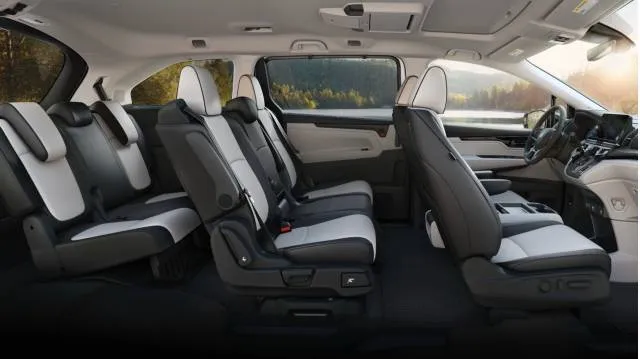
The gas-powered Pacifica is a marvel of versatility, boasting Chrysler’s revolutionary Stow ‘N Go seating system. This ingenious design allows both the second and third-row seats to fold completely flat into the floor, creating an enormous, unobstructed cargo area without the need to remove heavy seats. This unparalleled flexibility makes it an ideal choice for families who frequently need to haul large items or transform their vehicle for various uses. Additionally, the gas Pacifica offers available all-wheel drive (AWD), a crucial feature for families in colder climates or those who desire enhanced traction and stability.
The Pacifica Hybrid, on the other hand, is the only plug-in hybrid minivan available in the market. It offers an impressive 32 miles of all-electric range, making it perfect for daily errands, school drop-offs, and short commutes without ever needing to engage the gasoline engine. This significantly reduces fuel costs and tailpipe emissions. However, the hybrid’s battery pack necessitates a trade-off: it cannot be had with the second-row Stow ‘N Go seats (though the third row still stows), nor is AWD available. This forces buyers to prioritize either ultimate cargo flexibility and AWD, or cutting-edge plug-in efficiency. It’s a choice that defines the Pacifica experience.

Adding a third wrinkle to Chrysler’s minivan strategy, the Voyager nameplate was recently reintroduced. Initially conceived primarily for fleet sales, the Voyager is now available to individual customers as a budget-conscious base model. While it wears the Pacifica’s previous exterior styling, it benefits from modern interior content, including a standard 10.1-inch Uconnect touchscreen with wireless Apple CarPlay and Android Auto, as well as Stow ‘N Go seating in both rear rows. Priced at nearly $42,000, its "value" proposition as a budget model can be debated, especially when considering the more luxurious options available on higher Pacifica trims that can push the price tag towards $60,000.
A significant advantage for the Pacifica PHEV is its eligibility for the full $7,500 federal EV tax credit. Depending on a buyer’s income and tax situation, this credit can substantially reduce the effective purchase price, potentially making the hybrid model nearly as affordable as, or even cheaper than, its gas-only counterpart. This makes the Pacifica Hybrid a particularly attractive option for environmentally conscious families seeking significant long-term savings and a tangible commitment to electrification. The Pacifica’s Uconnect infotainment system is generally praised for its user-friendliness, and higher trims offer a wealth of premium features, making it a comfortable and connected family cruiser.

3. Toyota Sienna (tie)
The Toyota Sienna has carved out a distinct and highly successful niche for itself by embracing electrification as a standard feature across its entire lineup. Every Sienna sold today is a hybrid, offering exceptional fuel economy that significantly reduces the total cost of ownership. With front-wheel drive (FWD) models achieving an impressive 36 mpg combined, and all-wheel drive (AWD) variants still managing a segment-leading 35 mpg combined, the Sienna consistently checks all the practical boxes for minivan owners who prioritize efficiency.
The Sienna’s standard hybrid powertrain combines a 2.5-liter inline-4 engine with two electric motors (or three for AWD models) to produce a combined 245 horsepower. While this output might lack the sheer grunt of the V6 options previously found in the class, Toyota has meticulously tuned the system for smooth power delivery and remarkable efficiency. The ride quality is notably refined, with a suspension designed to be less "wobbly" than some rivals, ensuring a stable and comfortable experience, particularly on long highway journeys. This focus on comfort and efficiency, coupled with Toyota’s legendary reputation for reliability and durability, makes the Sienna a sensible and trustworthy choice for families.

Interior versatility, however, presents a unique trade-off. While the second-row seats offer extensive fore-aft sliding capability for limousine-like legroom, they are notably bolted down, making them more difficult to remove than those in any other minivan in the class. This limits the Sienna’s ultimate cargo-hauling flexibility when compared to the Pacifica’s Stow ‘N Go system or the Carnival’s removable seats. Despite this, the Sienna’s cabin is thoughtfully designed, offering a wide array of configurations across its six trims and numerous options. Buyers can choose from various seating layouts and creature comforts, including available super-long-slide second-row captain’s chairs with ottomans, a built-in vacuum cleaner, and a cool box—though these premium features often push the price into higher tiers.
While the Sienna can get expensive at the top end, its core value proposition remains strong, especially given the standard hybrid powertrain and available AWD. Toyota’s commitment to safety is also evident, with a comprehensive suite of active safety features included as standard. The Sienna is perhaps more practical than overtly posh in many of its configurations, but its blend of efficiency, reliability, and family-friendly features makes it an enduring favorite. For families who prioritize fuel savings, the peace of mind of Toyota’s engineering, and the added traction of AWD, the Sienna remains a top-tier contender, even with its unique approach to interior flexibility.

2. Kia Carnival
The Kia Carnival, previously known as the Sedona, has undergone a significant transformation, not just in name but in philosophy. Kia boldly markets the Carnival as an "MPV" (Multi-Purpose Vehicle) rather than a traditional minivan, subtly attempting to distance it from the segment’s "soccer mom" stereotype and position it as a more SUV-like family vehicle. This strategic rebranding is reflected in its bold, rugged styling, which features a more upright stance and aggressive grille reminiscent of an SUV, setting it apart visually from its more curvaceous rivals.
The latest refresh further solidifies the Carnival’s appeal, particularly with the introduction of a new hybrid option. This powertrain elevates the Carnival beyond simply being a stylish and comfortable family hauler; it now offers a compelling blend of efficiency and refinement that was previously missing. The hybrid system delivers a smoother, quieter ride and improved fuel economy, making it a more competitive choice against the Sienna and Pacifica Hybrid.

While the Carnival may not offer certain features found in its rivals, such as all-wheel drive (it remains front-wheel drive only) or second-row seats that fold completely into the floor (the second-row seats are removable but heavy), it excels in nearly every other aspect. It comes exceptionally well-equipped across its trim levels, offering a fantastic value proposition without feeling like a budget car. The interior is modern, spacious, and adorned with quality materials, especially in higher trims. The infotainment interface is intuitive and easy to use, often featuring dual screens and standard wireless smartphone compatibility. Kia’s industry-leading 10-year/100,000-mile powertrain warranty also provides significant peace of mind for long-term ownership.
The Carnival’s interior is a highlight, offering spacious seating for up to eight passengers. The available "VIP Lounge Seating" in the second row, with power recline, leg rests, and heating/ventilation, transforms the cabin into a truly luxurious space. The large cargo area is easily accessible, and the wide-opening power-sliding doors are a boon for parents loading children and gear. On the road, the Carnival delivers a comfortable and composed ride, absorbing bumps with ease and providing a quiet cabin environment. Its driving dynamics are well-suited for family duties, offering predictability and stability.

In essence, the Kia Carnival is a strong contender that balances style, practicality, and value. The new hybrid option addresses a key area of improvement, making it a more well-rounded and appealing choice for modern families. It’s ideal for those who appreciate a modern, SUV-inspired aesthetic, a feature-rich interior, an excellent warranty, and now, impressive fuel efficiency.
1. Volkswagen ID. Buzz
The Volkswagen ID. Buzz doesn’t just enter the minivan segment; it completely revitalizes it, pointing the way towards an all-electric future while simultaneously celebrating a legendary past. Our TCC Rating, while considering overall vehicle performance, undeniably reflects a strong preference for innovative, shiny new things that eliminate dirty tailpipe emissions. The return of the iconic Volkswagen Bus in its electric ID.Buzz form is more than just a nostalgic nod; it’s a statement about where family transportation is headed.

Visually, the ID. Buzz is an instant head-turner. Its two-tone paint schemes, long wheelbase, and charmingly snubbed ends perfectly capture the spirit of the original Microbus, making it a masterclass in retromod design. Yet, beneath this retro-cool exterior lies cutting-edge modern power delivery. The U.S.-spec ID. Buzz features a substantial 91-kWh battery pack, feeding either a single-motor rear-wheel-drive setup (282 hp) or a powerful two-motor all-wheel-drive system (335 hp). This instantly available electric torque provides surprisingly brisk acceleration from a stop, making it feel far more sprightly than its size suggests.
With an estimated range of up to 260 miles for the single motor version (the original article stated 234 miles, but VW has since released updated figures), the ID. Buzz’s range might appear modest compared to smaller, lighter EVs. However, it’s crucial to remember that this is a large, capacious, and relatively heavy minivan designed for maximum interior volume. The battery pack, cleverly integrated into the floor between the axles, not only contributes to a low center of gravity but also enhances stability and handling, making the ID. Buzz feel remarkably planted on the road.

The interior is a testament to clever design and functionality. The "cockpit" offers excellent forward visibility, unencumbered by a traditional long hood, echoing the original Bus’s airy feel. The cabin is packed with smart storage solutions, including a convenient dash shelf for the passenger, a dedicated smartphone charging recess, and a clean, minimalist aesthetic. Volkswagen has opted for a contemporary digital interface, with a standard 5.3-inch digital instrument cluster and a large 12.9-inch central touchscreen dominating the dash.
However, this digital-first approach also presents one of the ID. Buzz’s primary downsides. Critical functions like climate controls are integrated into the touchscreen, and the haptic temperature sliders below the screen can be less precise and intuitive to use while driving compared to physical buttons and knobs—a common critique across Volkswagen’s ID. family of EVs. Another significant factor for potential buyers in the U.S. is its cost: since the ID. Buzz is manufactured in Germany, it does not currently qualify for the federal $7,500 EV tax credit. This makes it relatively more expensive compared to other minivans, especially those with PHEV options that do qualify for credits.

Despite these considerations, the Volkswagen ID. Buzz stands alone as the only pure battery-electric minivan, offering a unique blend of nostalgic charm, modern EV performance, and unparalleled family practicality. Its distinctive sliding side doors remain a functional standout, and its ability to redefine the minivan for the electric age earns it the top spot. Such is the cost of shiny—and comparatively clean—new things, and for many, the ID. Buzz’s blend of iconic design and future-forward technology will be well worth it.
In conclusion, the minivan segment, though smaller than its former self, is far from irrelevant. It has undergone a profound transformation, moving beyond its traditional image to embrace innovation, efficiency, and advanced technology. The current crop of minivans, particularly the electrified options, offers an unparalleled combination of practicality, passenger comfort, and increasingly, impressive fuel economy or zero-emission driving. While the Honda Odyssey represents the enduring appeal of traditional V6 power and reliability, its gas-only status makes it an outlier in a rapidly evolving landscape. The Chrysler Pacifica offers a fascinating dichotomy with its revolutionary Stow ‘N Go seats and groundbreaking plug-in hybrid option. The Toyota Sienna sets the bar for standard hybrid efficiency and legendary reliability, while the Kia Carnival brings SUV-like styling, exceptional value, and a new hybrid powertrain to the forefront.

Leading the charge into the future is the Volkswagen ID. Buzz, a vehicle that not only pays homage to an icon but fundamentally reimagines what a family hauler can be in the electric age. Its arrival signals a clear direction for the segment, promising a future where minivans are not just practical but also environmentally conscious, technologically advanced, and undeniably stylish. As consumer preferences continue to shift towards electrification and sustainable mobility, the current generation of minivans stands ready to meet those demands, proving that these ultimate family vehicles are not only better than ever, but poised for an exciting new chapter. The question is no longer whether minivans are still relevant, but rather, how quickly the rest of the market will follow the innovative path laid by these pioneers.