
 By admin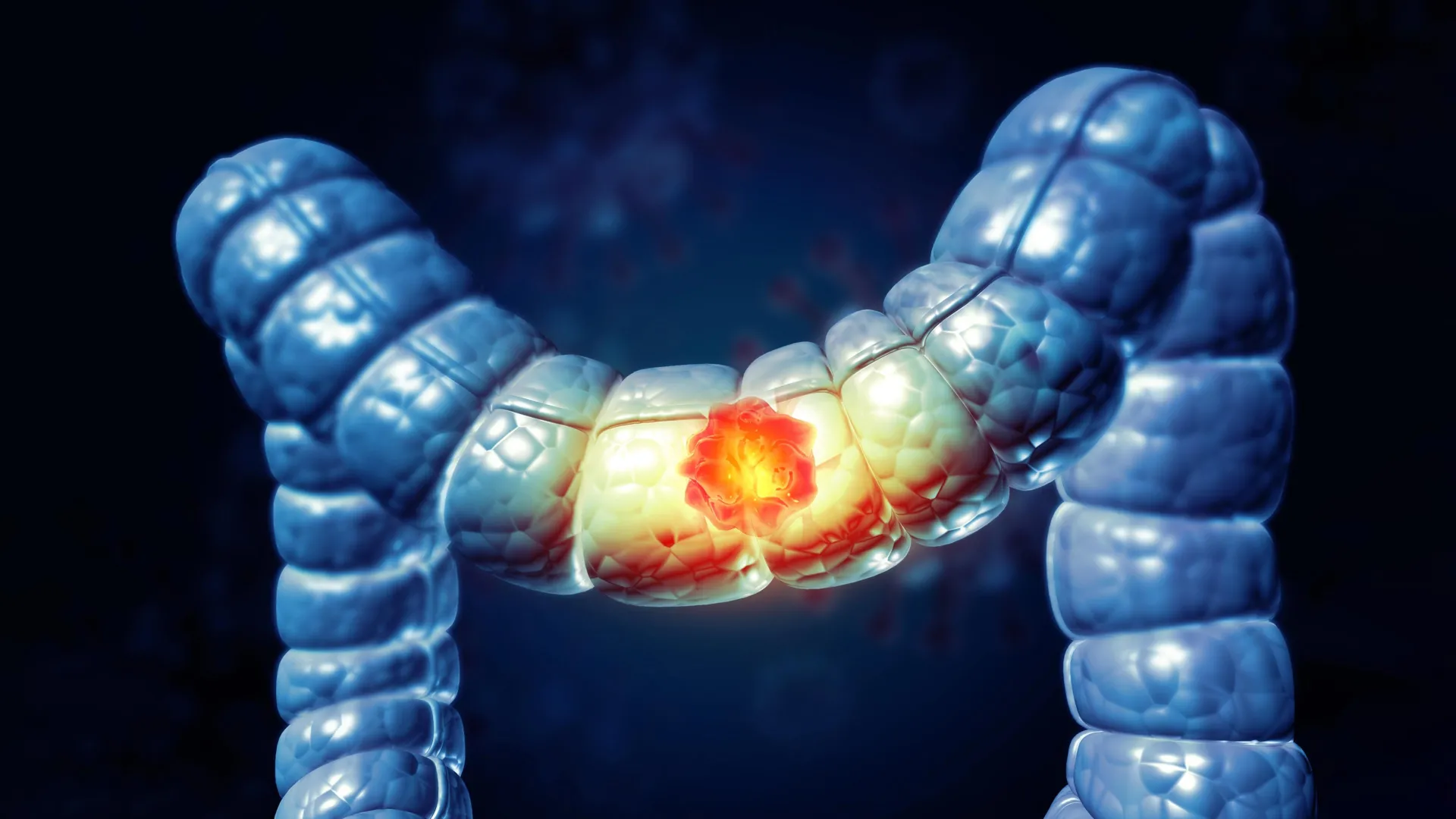
The survey, meticulously conducted among 2,202 U.S. adults from February 9 to 11, 2026, utilized a robust methodology to gauge public perception and knowledge. Its findings underscore not only a pervasive information deficit but also a profound opportunity for public health intervention. The Physicians Committee for Responsible Medicine (PCRM), a prominent national nonprofit organization advocating for preventive medicine and plant-based nutrition, partnered with Morning Consult, a global data intelligence company, to uncover these insights. PCRM has long championed the role of diet in preventing chronic diseases, making this poll a strategic effort to assess the impact of current health messaging and identify areas for improvement.
A Call for Clearer Messaging: The Power of Warning Labels
Perhaps the most encouraging revelation from the poll is the rapid shift in public opinion once individuals are informed about the scientific connection between processed meat and cancer. After learning about this critical link, a significant two-thirds of respondents expressed support for mandatory warning labels on processed meat products. This strong endorsement suggests that clearer, more direct communication about health risks can swiftly influence public perception and foster a demand for greater transparency from the food industry. The public’s receptiveness to such labels mirrors historical shifts in attitudes towards products like tobacco, where clear health warnings played a pivotal role in changing consumer behavior and reducing consumption. Implementing similar labels for processed meats could serve as a powerful public health tool, empowering consumers to make informed choices at the point of purchase.
The scientific consensus underpinning these concerns is robust and long-established. In 2015, the International Agency for Research on Cancer (IARC), the cancer agency of the World Health Organization (WHO), classified processed meat as a Group 1 carcinogen, meaning there is "sufficient evidence" that it causes cancer. This classification places processed meat in the same category as tobacco smoking and asbestos, emphasizing the unequivocal nature of its carcinogenic potential. Processed meats include items that have been transformed through salting, curing, fermentation, smoking, or other processes to enhance flavor or improve preservation. Common examples include bacon, sausages, hot dogs, ham, salami, and various deli meats. The IARC report specified that each 50-gram portion of processed meat eaten daily increases the risk of colorectal cancer by 18 percent, a stark statistic that highlights the cumulative danger of regular consumption.
The Silent Epidemic: Rising Colorectal Cancer Rates in Younger Adults
The urgency of this knowledge gap is amplified by a disturbing trend: rising rates of colorectal cancer, particularly among younger adults. Joseph Barrocas, MD, an internal medicine specialist practicing in Huntersville, N.C., highlighted this alarming development, stating, "In light of colorectal cancer now being the leading cause of cancer deaths in adults under 50, it’s concerning that so many people still don’t know about the strong connection between eating processed meat and the risk of developing colorectal cancer." This shift marks a significant public health crisis, as early-onset colorectal cancer often presents at more advanced stages due to less frequent screening in younger populations. Historically considered a disease primarily affecting older individuals, the incidence of colorectal cancer in those under 50 has been steadily climbing for decades, prompting intensive research into potential causes, including dietary patterns, lifestyle factors, changes in the gut microbiome, and genetic predispositions.
Dr. Barrocas’s observation underscores a critical disconnect: while the medical community is grappling with this escalating health challenge, a substantial portion of the general public remains unaware of fundamental dietary links. This awareness deficit impedes preventative efforts and may contribute to the worsening statistics. However, Dr. Barrocas also noted an encouraging aspect of the poll’s findings, emphasizing that "people are open to learning more about the risks." This receptiveness offers a beacon of hope, suggesting that targeted educational campaigns, when effectively delivered, could significantly improve public understanding and empower individuals to take proactive steps to reduce their risk.
Bridging the Communication Chasm: Healthcare Professionals and Dietary Advice
A major contributing factor to this knowledge gap appears to be a systemic failing within healthcare delivery itself. The poll revealed that only about one in three adults recall ever receiving information from a healthcare professional about the link between processed meat and colon cancer. This statistic is particularly troubling given the direct and impactful role healthcare providers play in patient education and preventive care. The reasons for this communication chasm are multifaceted. Many healthcare professionals, despite their dedication, face significant time constraints during appointments, often prioritizing acute issues or mandated screenings over comprehensive dietary counseling. Furthermore, medical education historically has placed less emphasis on nutrition compared to pharmacology or surgical techniques, leading to a potential knowledge gap among some practitioners themselves.
Dr. Barrocas strongly advocated for a change in this paradigm. "More health care practitioners have to be educated about the link between diet and colorectal cancer," he urged. He emphasized that in addition to recommending crucial screenings, healthcare providers should "discuss with patients the protective benefits of a diet rich in fruits, vegetables, grains, and beans." This holistic approach is vital. While screening remains an indispensable tool for early detection, true prevention requires addressing root causes, and diet is undeniably a cornerstone of colorectal cancer prevention. Equipping healthcare providers with up-to-date nutritional knowledge and effective communication strategies is paramount to translating scientific evidence into actionable patient advice.
The Scientific Foundation: Diet and Lifestyle as Pillars of Prevention
Scientific evidence overwhelmingly points to several actionable strategies individuals can adopt to significantly reduce their risk of colorectal cancer. Beyond limiting processed meat, a comprehensive approach involves embracing a diet rich in plant-based foods, maintaining a healthy weight, engaging in regular physical activity, moderating alcohol consumption, and avoiding smoking. Each of these lifestyle factors independently and synergistically contributes to a lower risk profile.
A diet abundant in fruits, vegetables, whole grains, and legumes provides a wealth of protective compounds. These include dietary fiber, which plays a crucial role in gut health; antioxidants, which combat cellular damage from free radicals; and various phytochemicals that possess anti-inflammatory and anti-carcinogenic properties. Conversely, diets high in red meat (though classified as a probable carcinogen, Group 2A, by IARC, meaning there is limited evidence for its carcinogenicity in humans) and processed meats, refined sugars, and unhealthy fats have been consistently linked to an increased risk. The mechanisms by which these dietary patterns influence cancer risk are complex, involving effects on inflammation, oxidative stress, hormone levels, and the composition of the gut microbiome. A healthy gut microbiome, fostered by a diverse, fiber-rich diet, is increasingly recognized as a critical defense against colorectal cancer.
Fiber: The Unsung Hero in Gut Health
Among the dietary components, fiber stands out as a particularly potent weapon against colorectal cancer. Anna Herby, DHSc, RD, CDE, a nutrition education specialist for the Physicians Committee, highlighted its remarkable impact: "Research shows that for every 10 grams of fiber we eat each day, we can lower our colorectal cancer risk by up to 10%." This statistic underscores the profound protective effect of a simple dietary adjustment. For context, the average American adult consumes far less than the recommended 25-38 grams of fiber per day, typically hovering around 15 grams. Bridging this gap through conscious food choices could have a substantial population-level impact on cancer rates.
The mechanisms by which fiber exerts its protective effects are well-documented. Fiber adds bulk to stool, which speeds up bowel transit time, reducing the duration of contact between potential carcinogens in the stool and the colon lining. It also dilutes these carcinogens, further minimizing their impact. Soluble fiber, in particular, is fermented by beneficial gut bacteria in the colon, producing short-chain fatty acids (SCFAs) like butyrate. Butyrate is a primary energy source for colon cells and has been shown to possess anti-inflammatory and anti-cancer properties, including inhibiting the growth of cancer cells and inducing their programmed death (apoptosis).
Herby provided practical, accessible examples for incorporating more fiber into daily diets: "Simple ways to get that in include eating a little over a cup of raspberries, 2 tablespoons of chia seeds, or two-thirds cup of black beans." These examples demonstrate that achieving the recommended fiber intake doesn’t require drastic or complicated changes but rather mindful additions of common, plant-based foods. Other excellent sources of fiber include whole grains like oats and brown rice, other legumes such as lentils and chickpeas, and a wide variety of fruits and vegetables.
Empowering the Public: Education and Practical Solutions
Recognizing the critical need to translate scientific findings into practical, actionable advice, the Physicians Committee’s Food for Life program offers a tangible solution. Developed by a team of experienced doctors and registered dietitians, this plant-based nutrition and cooking class program is designed to empower individuals with the knowledge and skills to adopt healthier eating habits. Throughout March, coinciding with Colorectal Cancer Awareness Month, the Food for Life program is offering classes both online and across various locations in the United States. These classes go beyond simply providing information; they offer hands-on cooking demonstrations, meal planning strategies, and practical tips for making delicious, health-promoting meals. By focusing on plant-based diets rich in fruits, vegetables, whole grains, and beans, the program directly addresses the dietary factors linked to reduced cancer risk, offering a proactive pathway to prevention.
The comprehensive approach taken by the Physicians Committee, combining public awareness polls with educational programs, reflects a deep understanding of the multi-faceted nature of public health challenges. It acknowledges that while scientific evidence is crucial, it must be effectively communicated and accompanied by practical tools for individuals to implement meaningful changes in their lives. The rising incidence of colorectal cancer, particularly in younger populations, serves as a stark reminder of the urgent need for enhanced public education, greater engagement from healthcare professionals, and a collective commitment to evidence-based dietary and lifestyle choices. By closing the knowledge gap and empowering individuals with accessible information and skills, there is immense potential to reverse current trends and significantly reduce the burden of colorectal cancer for future generations.