
 By admin
The National Football League (NFL), a titan of the sports entertainment industry, is on the cusp of renegotiating its already colossal media rights deals, a move expected to generate billions more annually and potentially reshape how fans consume the game. While the current agreements, which bring in approximately $10 billion per year, are technically in place until after the 2029 season, sources indicate the league is aiming to finalize a new, even more lucrative pact as early as the start of the 2026 campaign. This aggressive timeline suggests a strategic push to capitalize on the ever-increasing demand for live sports content and secure its broadcast future for years to come.
John Ourand of Puck recently reported that the NFL’s initial fall target for completing these negotiations has shifted, with the league now prioritizing a deal before Week 1 of the upcoming season. This accelerated approach signals a proactive stance, aiming to maintain continuity with its broadcast partners, which include established giants like FOX, CBS, and NBC, while also exploring the possibility of bringing new media players into the fold. The inclusion of additional partners, coupled with the league’s enduring popularity and the escalating value of live sports rights, is projected to significantly surpass the current revenue stream.

The implications of such a monumental deal extend beyond the league’s coffers, sparking discussions about player compensation and the potential for an expanded regular season. Former NFL linebacker Shawne Merriman, a prominent voice on sports media and player welfare, expressed his views on the potential financial windfall. "As long as the players are compensated for these games, and they’re not trying to stretch these payments out, and they’re still included in one game – I’m all for it," Merriman stated on "Don’t @ Me with Dan Dakich." He elaborated, "I’ve always said, having 18 games, cutting more preseason games, having more practices, I’ve been saying that for years. If guys are getting compensated, and they don’t try to string out those payments that they’re already getting paid, and they’re getting more money on top of what’s on the table now, or they’re getting more from the TV deals when the collective bargaining agreement comes up, as long as guys are compensated, I have no problem with it at all."
Merriman’s perspective highlights a critical point: the potential for an 18-game regular season. The current Collective Bargaining Agreement (CBA) between the NFL and the NFL Players Association (NFLPA) is set to expire in March 2031, following negotiations in 2020. However, NFL Commissioner Roger Goodell has alluded to the possibility of early negotiations, particularly following the NFLPA’s selection of a new executive director after Lloyd Howell’s resignation. An 18-game schedule would necessitate a new or amended CBA, ensuring that any additional games are adequately compensated for the players.
"The NFL is smart. They’re gonna make the most money they possibly can," Merriman continued, underscoring the league’s business acumen. "The TV rights deal, they’re going to tear up here soon and probably double the price they’re charging the networks right now. That’s coming. It’s going to happen this year." This prediction of a doubling in media rights fees, while bold, is not entirely without precedent given the escalating value of live sports content in the media landscape.
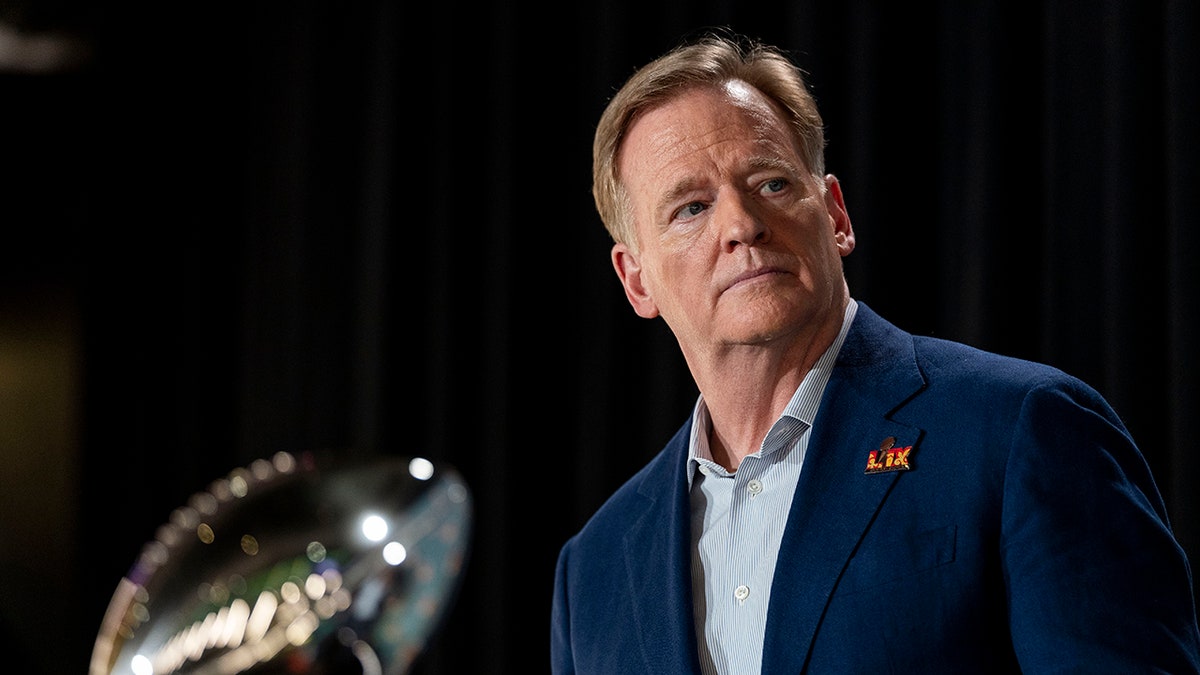
The NFL has a proven track record of effectively monetizing its immense popularity, a strategy that has been amplified by its increasing global outreach. However, the question remains whether this surge in revenue will translate into a proportionally higher cost for the average football fan. The trend of live sports migrating from traditional broadcast channels to an array of streaming services has already placed a significant financial burden on consumers. The Federal Communications Commission (FCC) recently announced its intention to seek public comment on this ongoing shift, acknowledging the growing concerns about accessibility and affordability.
For the 2025 NFL season, fans were already facing substantial costs to catch all the action. A comprehensive viewing package could easily exceed $575, with some estimates pushing closer to $800. This multifaceted pricing structure includes various components: NFL Sunday Ticket, which saw new subscribers paying $276 for the season, while existing YouTube TV members faced a higher $378 fee. For those without a YouTube TV membership, the cost escalated to $480. The prime-time games, a cornerstone of the NFL schedule, were further fragmented across different streaming platforms. Netflix, for instance, required a subscription starting at $7.99 per month, ESPN’s new dedicated live sports streaming service was priced at $29.99, and Peacock’s "Premium" membership, necessary for "Sunday Night Football," cost $10.99 per month.
Adding to the complexity and cost were the international games, which last season necessitated an NFL+ membership, costing $6.99 per month. When all these individual costs are aggregated, the total expenditure for a dedicated fan during the 2025 season could reach significant figures. For new NFL Sunday Ticket subscribers, the estimated cost was $575.81. For existing Sunday Ticket subscribers who did not have a YouTube TV membership, the total climbed to $779.81. This intricate web of subscriptions and fees raises questions about the long-term sustainability and inclusivity of accessing NFL content.

Despite these escalating costs, Merriman remains convinced of the fans’ unwavering commitment. "Fans, I truly believe, will pay for entertainment. They just will," he asserted. "If it makes them happy to have more football, or they could go to another game, or buy more merchandise or whatever, fans are going to do it because it’s entertainment. Most people will pay for entertainment in general." This sentiment reflects a common understanding of the entertainment industry’s dynamics, where passionate fan bases often demonstrate a high willingness to spend on their preferred forms of leisure, even if it strains their budgets.
However, the question of fairness to the consumer looms large. As the cost of accessing the NFL continues to climb, particularly for those who may not have the disposable income to subscribe to multiple streaming services and premium packages, the sport risks alienating a segment of its audience. The league’s pursuit of maximum revenue, while understandable from a business perspective, must be balanced against the need to maintain a broad and accessible fanbase. The ongoing shift in media consumption patterns, coupled with the NFL’s aggressive monetization strategies, presents a complex challenge for both the league and its devoted followers. The upcoming media rights negotiations will undoubtedly be a pivotal moment, not only for the financial future of the NFL but also for the evolving relationship between the league, its players, and the fans who drive its unprecedented success. The potential for record-breaking revenue is clear, but the long-term impact on fan accessibility and player welfare will be closely watched as these momentous deals take shape.