
 By Titik Puspa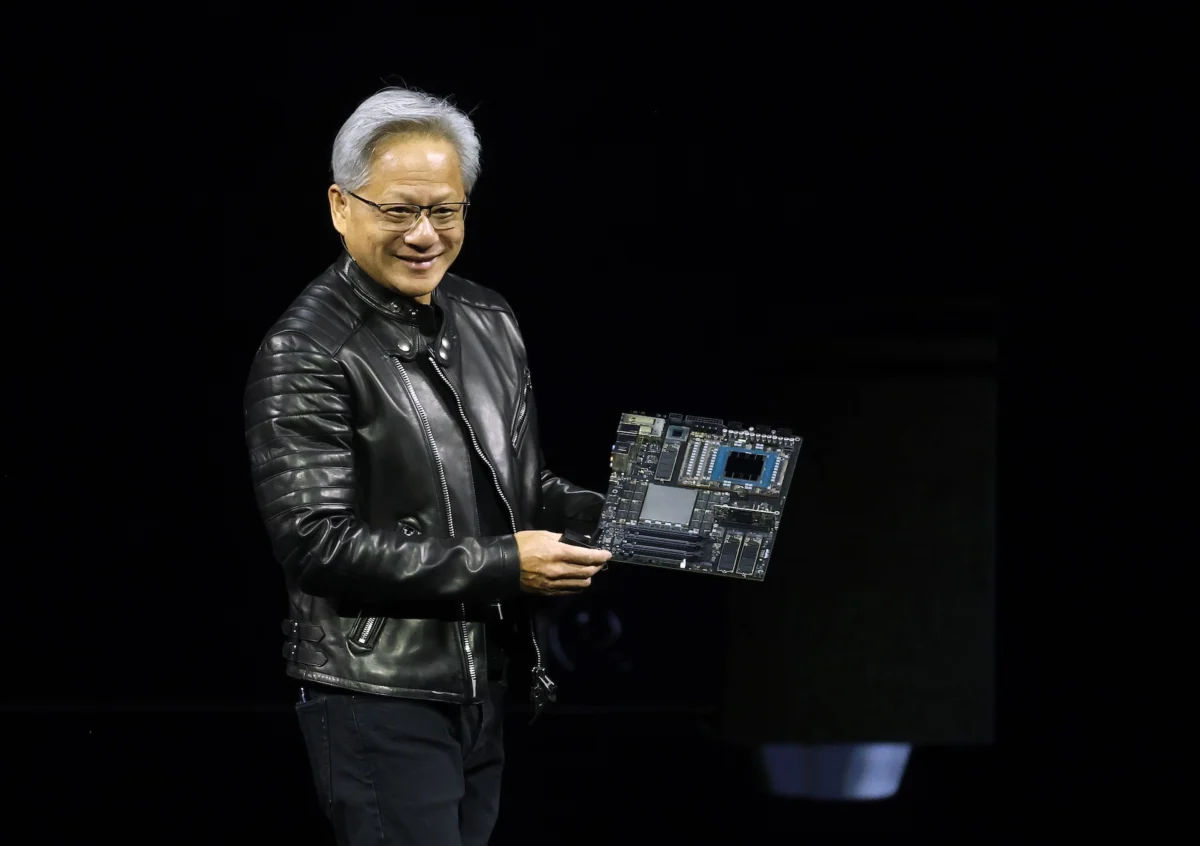
San Jose, California – Nvidia is poised to redefine the landscape of artificial intelligence and high-performance computing as it kicks off its highly anticipated annual GPU Technology Conference (GTC) in San Jose, California, on Monday. The flagship event, running from March 16 to March 19, promises to be a pivotal moment for the industry, with CEO Jensen Huang’s keynote address, scheduled for 11 a.m. PT / 2 p.m. ET, serving as the electrifying opening act. This pivotal two-hour presentation will not only unveil Nvidia’s strategic vision for the future of computing and artificial intelligence but is also expected to reveal groundbreaking product announcements, forge critical new partnerships, and illuminate the path forward for AI’s pervasive influence across a multitude of sectors. Attendees can experience Huang’s insights firsthand at the SAP Center or tune into the livestream available on the GTC website and embedded below via YouTube.
GTC, an acronym for GPU Technology Conference, has long been recognized as Nvidia’s premier platform for showcasing its technological prowess and charting the course of innovation. This year’s conference is particularly significant, with a pronounced focus on the accelerating evolution of AI and its transformative potential across diverse industries, including healthcare, robotics, and the rapidly advancing field of autonomous vehicles. The broader three-day event is designed to foster collaboration and knowledge sharing, bringing together developers, researchers, industry leaders, and enthusiasts to explore the next frontier of intelligent systems.
Whispers from the tech community suggest that Nvidia is preparing to launch an open-source platform for enterprise AI agents, tentatively named NemoClaw. As first reported by Wired, this ambitious software initiative would provide businesses with a robust and structured framework for the development and deployment of AI agents – sophisticated software entities capable of autonomously executing multi-step tasks. The introduction of NemoClaw would strategically position Nvidia to compete directly with emerging offerings from established players like OpenAI, which has recently introduced its own solutions for enterprise AI agent management and creation. This move underscores Nvidia’s commitment to not only providing the foundational hardware for AI but also the sophisticated software ecosystems that enable its widespread adoption and application. The ability for businesses to create and manage their own AI agents independently could unlock unprecedented levels of automation and efficiency across a wide spectrum of operational processes.
Beyond the software realm, the hardware front is abuzz with anticipation for a new chip designed to dramatically accelerate the AI inference process. This critical stage of AI operation, where trained models are applied to generate responses or make decisions, has historically presented a significant bottleneck to the broad scaling of AI applications. Unlike the computationally intensive training phase, inference demands speed and efficiency to enable real-time interactions and widespread deployment. The development of a specialized inference chip would represent Nvidia’s strategic intent to solidify its dominance not only in the AI training market, where it currently holds an estimated 80% market share, but also to capture a significant portion of the increasingly competitive inference market. This segment is witnessing intensified competition from custom-designed chips developed by tech giants such as Google and Amazon, making Nvidia’s latest hardware innovation a crucial move to maintain its leadership position. The ability to perform AI inference faster and more cost-effectively is widely considered a key enabler for the next wave of AI-driven innovation, paving the way for more sophisticated and accessible AI applications across all industries.
The conference agenda is also expected to feature a comprehensive array of partnership announcements and compelling demonstrations that will vividly illustrate Nvidia’s advanced AI capabilities across various industry verticals. These collaborations are crucial for extending the reach of Nvidia’s technology and tailoring its solutions to the unique challenges and opportunities presented by different sectors.
Adding another layer of intrigue to the GTC proceedings, Kevin Cook, a senior equity strategist at Zacks Investment Research, suggests that attendees should be keenly interested in Nvidia’s future plans regarding its relationship with Groq, an inference company. Reports indicate that Nvidia made a substantial investment of $20 billion late last year to license Groq’s cutting-edge technology. This strategic tie-up has generated considerable curiosity, particularly given that Jonathan Ross, Groq’s founder, and Sunny Madra, Groq’s president, along with other key members of the Groq team, have reportedly joined Nvidia. Their integration is aimed at advancing and scaling the licensed technology, suggesting a deep commitment to leveraging Groq’s expertise to further enhance Nvidia’s inference capabilities. The potential synergy between Nvidia’s massive computational power and Groq’s specialized inference architecture could unlock significant performance gains and accelerate the adoption of advanced AI applications.
The implications of Nvidia’s strategic decisions at GTC 2026 extend far beyond the immediate technological advancements. The company’s consistent ability to innovate and anticipate market needs has positioned it as a central pillar of the global technology infrastructure. As AI continues its relentless march into every facet of modern life, the foundational technologies and platforms that enable its development and deployment become increasingly critical. Nvidia’s leadership in GPU technology has been instrumental in fueling the AI revolution, providing the computational horsepower necessary for training complex neural networks and processing vast datasets. The company’s forward-looking approach, exemplified by its investments in software ecosystems like NemoClaw and specialized hardware for inference, indicates a comprehensive strategy to address the entire AI value chain.
The healthcare industry, for instance, stands to benefit immensely from the advancements showcased at GTC. AI is already revolutionizing drug discovery, personalized medicine, medical imaging analysis, and robotic surgery. Nvidia’s contributions in these areas, from accelerating the processing of complex genomic data to enabling more precise surgical robots, are critical for improving patient outcomes and driving medical innovation. Similarly, the field of autonomous vehicles is heavily reliant on the sophisticated AI and high-performance computing capabilities that Nvidia provides. Real-time perception, decision-making, and control in self-driving cars require immense processing power and advanced algorithms, areas where Nvidia’s GPUs and AI platforms are indispensable. The continued development of more efficient and powerful AI systems will be key to achieving widespread adoption of autonomous transportation, promising enhanced safety and efficiency on our roads.
In the realm of robotics, AI is enabling machines to perform increasingly complex tasks, from intricate manufacturing processes to delicate logistics operations. Nvidia’s GTC announcements are likely to highlight advancements in areas such as reinforcement learning, computer vision, and motion planning, which are crucial for creating more intelligent and adaptable robots. These advancements will not only impact industrial automation but also pave the way for new applications in fields like elder care, exploration, and domestic assistance. The integration of advanced AI into robotic systems promises to augment human capabilities and unlock new levels of productivity and innovation across a wide range of sectors.
The broader economic and societal implications of Nvidia’s ongoing innovation cannot be overstated. As AI becomes more integrated into our daily lives, the ethical considerations, security challenges, and workforce implications become increasingly important. Conferences like GTC provide a vital platform for dialogue and collaboration on these critical issues. By fostering an open ecosystem and encouraging responsible AI development, Nvidia plays a crucial role in shaping the future of technology in a way that benefits society as a whole. The company’s commitment to open-source initiatives and collaborative partnerships suggests a recognition of the collective effort required to harness the full potential of AI while mitigating its risks.
The continued evolution of AI is not merely a technological progression; it represents a fundamental shift in how we solve problems, interact with the world, and shape our future. Nvidia, at the forefront of this transformation, uses GTC as a critical inflection point to not only showcase its latest innovations but also to inspire and empower the global community of developers and innovators to build the intelligent systems of tomorrow. The insights and announcements emanating from this year’s conference will undoubtedly resonate throughout the tech industry and beyond, setting the stage for the next era of AI-driven progress. The commitment to accelerating both training and inference, coupled with a strategic push into enterprise AI agent development, signals Nvidia’s intent to remain the indispensable architect of the AI revolution. The anticipation surrounding Jensen Huang’s keynote is palpable, as the world eagerly awaits the unveiling of the technologies that will power the intelligent future.