
 By admin
In a dramatic turn of events that sent shockwaves through global financial markets, oil prices experienced a precipitous decline and stock markets staged a significant rebound following an announcement by US President Donald Trump detailing "very good and productive" talks with Iran aimed at de-escalating the burgeoning conflict in the Middle East. The immediate impact of this diplomatic breakthrough was evident as Brent crude, the international benchmark for oil, plummeted by an astonishing 13%. Simultaneously, the FTSE 100 index, a bellwether of the London stock market, rallied to a 0.5% gain, recovering from an earlier fall of more than 2% that had been triggered by heightened geopolitical tensions.
President Trump, communicating via social media, declared a significant shift in US policy, stating that he would "POSTPONE ANY AND ALL MILITARY STRIKES AGAINST IRANIAN POWER PLANTS AND ENERGY INFRASTRUCTURE" for a provisional five-day period. This announcement marked a stark contrast to his earlier pronouncements over the weekend, where he had threatened to "obliterate" Iranian power plants if the crucial Strait of Hormuz shipping route was not reopened. Iran, in response to the escalating rhetoric, had previously indicated its intention to retaliate by targeting key infrastructure within the region, a prospect that had significantly unnerved global economic stability.
The heightened rhetoric and the looming threat of military action over the weekend had cast a long shadow over financial markets worldwide. Investors, already grappling with a complex global economic landscape, were further unsettled by the prospect of a prolonged US-Iran conflict. This fear was amplified by the critical role of the Strait of Hormuz in global energy trade. Approximately 20% of the world’s oil and liquefied natural gas (LNG) typically transits through this narrow waterway. Consequently, the conflict and the associated uncertainty had already sent global fuel prices soaring to alarming levels, raising serious concerns about economic disruption and inflation.
Earlier on Monday, the gravity of the situation had been underscored by Fatih Birol, the Executive Director of the International Energy Agency (IEA). Speaking at an event in Australia, Birol issued a stark warning, suggesting that the ongoing conflict could potentially plunge the world into its worst energy crisis in decades. He drew parallels between the current crisis and historical energy shocks, specifically referencing the oil crises of the 1970s and the profound impact of Russia’s full-scale invasion of Ukraine in 2022. Birol’s assessment painted a grim picture, stating, "This crisis as things stand is now two oil crises and one gas crash put all together." This tripartite crisis, he elaborated, represented an unprecedented confluence of supply disruptions and price volatility.
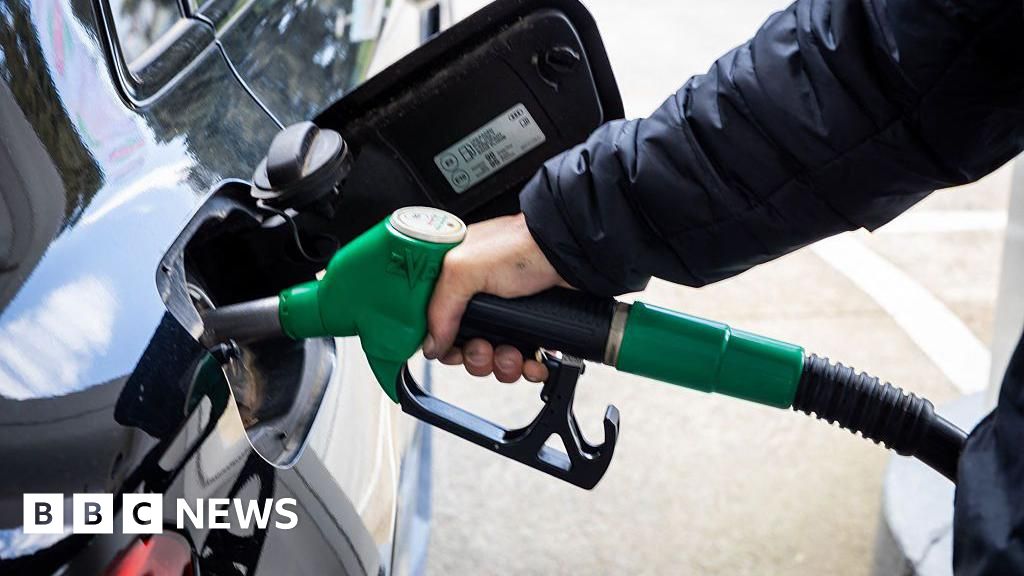
The immediate market reaction to Birol’s warning and the prevailing geopolitical tensions had seen the price of Brent crude reach a peak of $113 per barrel earlier in the day. However, President Trump’s subsequent announcement of de-escalation led to a dramatic reversal, with prices tumbling sharply. The relief extended beyond the oil markets, with major European stock indices also experiencing a significant uplift. Germany’s Dax index climbed 1.6%, and France’s Cac index rose by 1.2%, both recovering from earlier losses of approximately 2%.
In contrast, stock markets in Asia, which had closed prior to President Trump’s latest comments, had already borne the brunt of the escalating tensions. Japan’s Nikkei index concluded the trading day down by a substantial 3.5%, while South Korea’s Kospi index experienced an even more severe decline, sinking by 6.5%. These sharp drops in Asian markets highlighted the particular vulnerability of economies like Japan and South Korea, which are heavily reliant on oil and gas imports that would normally traverse the Strait of Hormuz. The disruption to these vital supply chains posed a significant threat to their industrial output and overall economic stability.
The Strait of Hormuz, a strategically vital chokepoint for global maritime trade, has long been a focal point of geopolitical tension between Iran and the United States, as well as its allies. Measuring approximately 100 miles long and 21 miles wide at its narrowest point, this waterway connects the Persian Gulf with the Gulf of Oman and the open ocean. Its significance cannot be overstated, serving as the primary conduit for oil exports from Saudi Arabia, Iran, the UAE, Kuwait, and Iraq, collectively accounting for a substantial portion of global crude oil production. The potential for its closure or disruption has historically been a major concern for energy security and global economic stability.
The recent escalation of tensions can be traced back to a series of events, including attacks on oil tankers in the Gulf of Oman, alleged sabotage of oil infrastructure in Saudi Arabia, and Iran’s downing of a US drone. These incidents, coupled with the US withdrawal from the Iran nuclear deal and the reimposition of sanctions, had created a highly volatile environment. Iran’s repeated assertions of its right to control the Strait of Hormuz, and its threats to disrupt shipping, had been met with strong condemnation and a heightened military presence by the US and its regional partners.
The economic implications of a sustained conflict in the Strait of Hormuz are far-reaching and dire. Beyond the immediate surge in oil and gas prices, a prolonged disruption would lead to widespread inflation, impacting transportation costs, manufacturing, and consumer goods across the globe. Developing nations, often more susceptible to price shocks, would face severe economic hardship, potentially leading to social unrest and political instability. Furthermore, the uncertainty generated by such a conflict would deter investment, slow economic growth, and exacerbate existing global economic fragilities.
Analysts have noted that while the immediate de-escalation is a welcome development, the underlying geopolitical tensions remain unresolved. The "very good and productive" talks mentioned by President Trump suggest a potential pathway towards dialogue, but the entrenched positions of both the US and Iran, coupled with the complex web of regional alliances and rivalries, mean that a lasting peace will require sustained diplomatic effort and a willingness to compromise. The five-day postponement of military strikes provides a crucial window of opportunity for negotiators to build trust and explore avenues for a peaceful resolution.
The involvement of international bodies such as the International Energy Agency and the United Nations will be critical in facilitating dialogue and ensuring the smooth flow of energy resources. The IEA, with its mandate to promote energy security, has a vital role to play in monitoring the situation, providing accurate data, and advocating for policies that ensure stable energy markets. Similarly, the UN can serve as a neutral platform for multilateral discussions and confidence-building measures.
The recent events serve as a stark reminder of the interconnectedness of the global economy and the profound impact that geopolitical instability can have on energy markets. The fragility of global energy supply chains has been exposed, underscoring the need for diversification of energy sources, investment in renewable energy technologies, and the promotion of energy efficiency measures. While the immediate crisis may have been averted, the long-term implications of this episode will undoubtedly shape energy policy and geopolitical strategies for years to come. The successful navigation of this complex situation will require a concerted effort from all stakeholders to prioritize diplomacy, de-escalation, and the pursuit of sustainable energy security for all.