
 By admin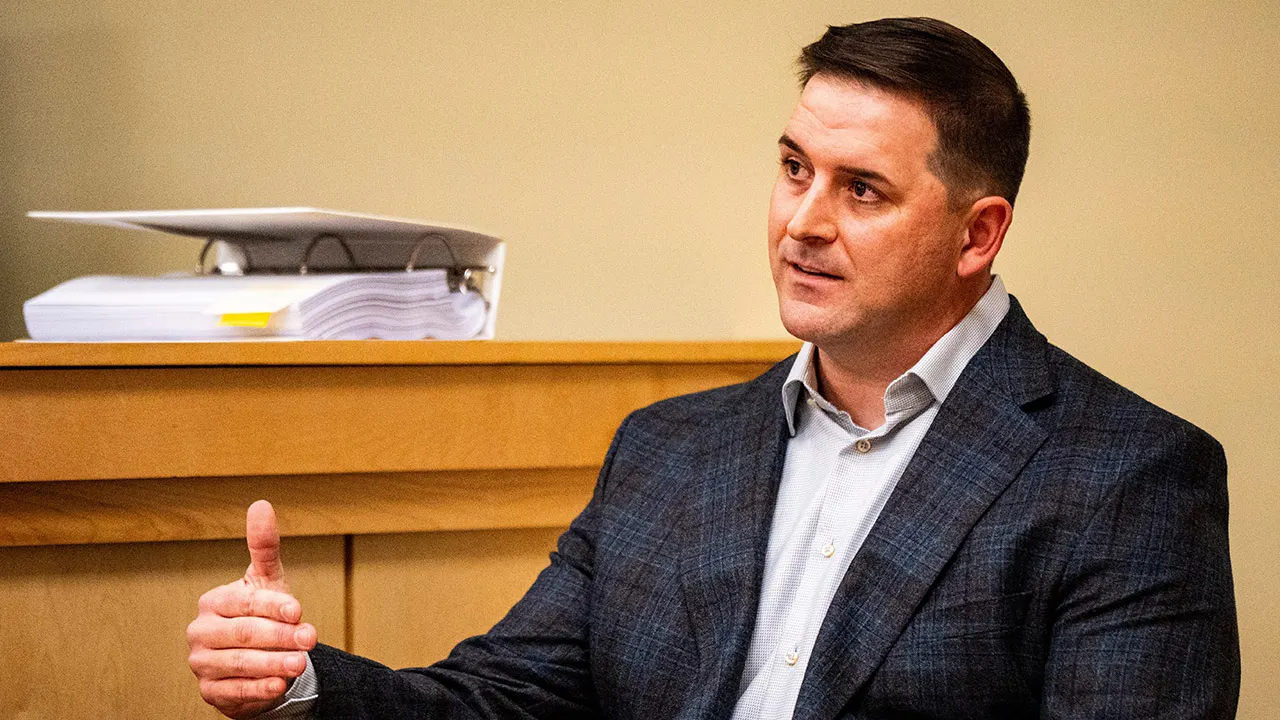
In a landmark decision that reverberated through the collegiate sports landscape, Ole Miss quarterback Trinidad Chambliss has been granted a sixth year of eligibility by a Mississippi judge, a ruling that came only after a contentious court hearing where the testimony of his own coach, Joe Judge, ignited a firestorm of debate. The legal battle, initiated after the NCAA denied Chambliss’s appeal, culminated in a declaration by the judge that the governing body had "operated in bad faith," a strong indictment of the organization’s process.
The crux of Chambliss’s argument for an additional year of eligibility stemmed from a severe case of tonsillitis during the 2022 season. This debilitating illness, he contended, significantly impacted his sleep and overall physical capacity, effectively rendering him unable to perform at his peak and thus warranting a medical redshirt. It was in support of this claim that Joe Judge, Ole Miss’s quarterbacks coach and a figure with a well-documented history of candid, and at times lengthy, explanations, took the stand.
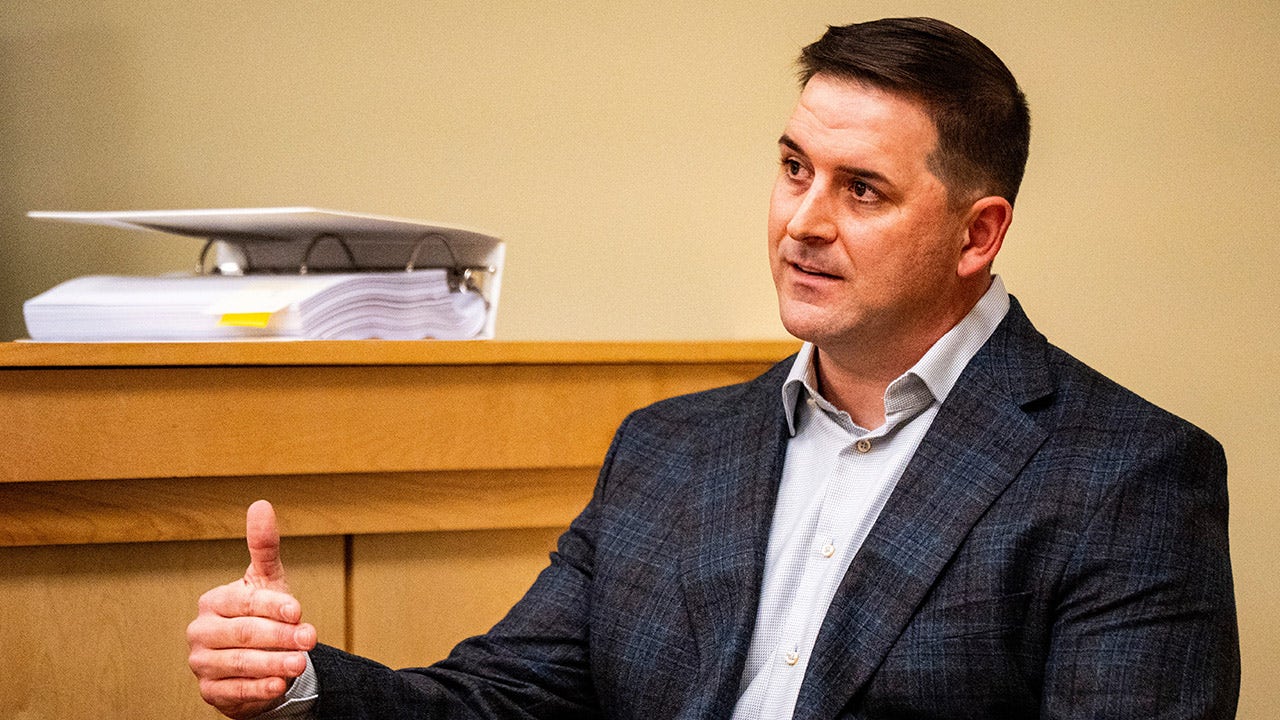
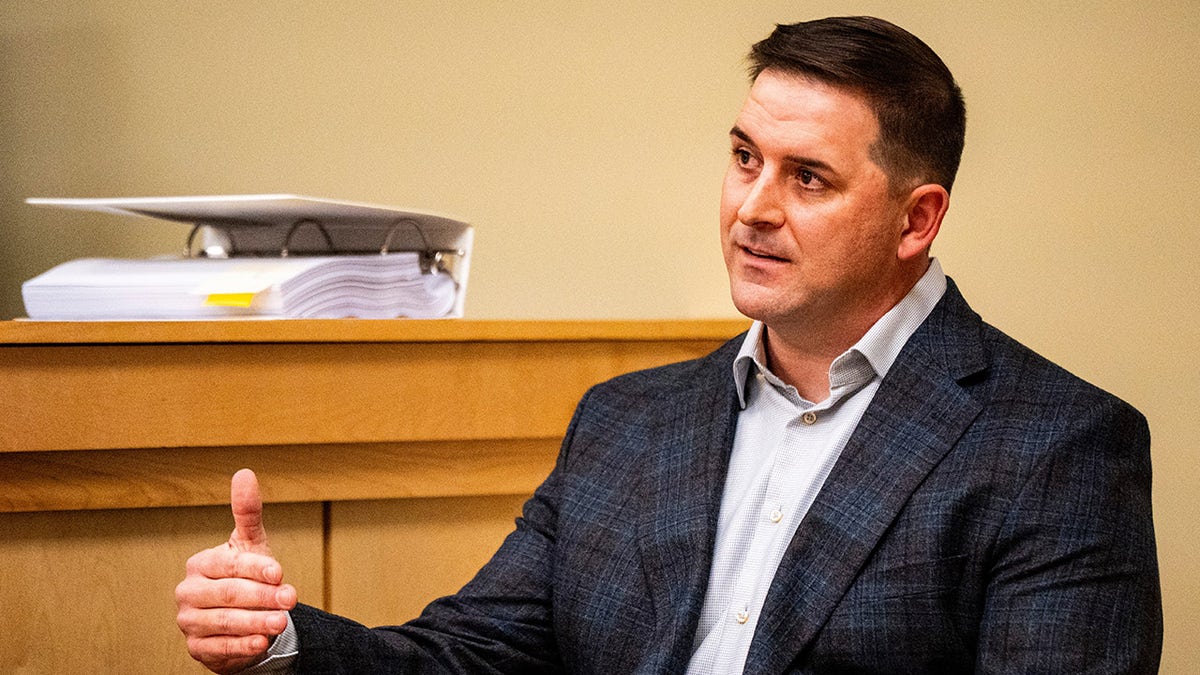
Judge’s testimony, intended to underscore the critical role of recovery in athletic performance, took an unexpected and controversial turn. While addressing the importance of rest for athletes, he launched into an impassioned, albeit polarizing, discourse on the perceived responsibilities of student-athletes who are also fathers, particularly when a newborn enters their lives during the competitive season. Drawing parallels to his own past experiences and a notable, lengthy answer during his tenure as head coach of the New York Giants, Judge articulated a perspective that many found to be out of touch and insensitive.
"This is always a tough conversation to have, it’s not even popular," Judge stated, his words echoing through the courtroom. "We would have to educate significant others who may have been pregnant during the season or have a baby during the season, and you have to educate them on, ‘You have this baby in the middle of season, that father has to play good football.’" He elaborated on the demanding nature of collegiate athletics, emphasizing the day-to-day production required of athletes. "It’s a day-by-day production business. He has to be ready to perform and go out there and play. And when I say that is, you need to let him sleep, he needs to be in another room detached. You have to explain to the mother like, ‘Hey, listen, he ain’t waking up for midnight feedings.’" Judge’s concluding remarks on this point were particularly striking: "After the season, he’s full metal jacket. You do whatever you want with him. He can change every diaper. But in season, he’s got to have different priorities."
The immediate aftermath of Judge’s testimony saw a deluge of reactions on social media platforms, with many individuals, including journalists and fans, expressing strong disapproval of his comments. Critics lambasted his perspective as archaic and detrimental to the holistic development of young men. One X user vehemently argued, "I wouldn’t recommend sending your sons to play under this type of leadership. Good coaches know they aren’t just developing athletes but future husbands, wives, dads, moms and leaders beyond the weight room and competition." This sentiment was echoed by others who felt Judge’s remarks undermined the fundamental importance of family and partnership.
Adding to the chorus of criticism, Onyx Odds, a prominent figure in the sports betting analysis community, sarcastically referenced a infamous and ill-advised quarterback sneak play executed by Judge during his time with the Giants. "Never take advice from a coach that ran this play," the user posted, accompanied by a screenshot of the play, which was widely seen as a symbol of the Giants’ struggles under his leadership and a potential factor in his eventual dismissal. Another user dismissed Judge’s messaging as "goofball," asserting a personal commitment to prioritizing children’s needs above all else, and highlighting the significant physical and emotional toll childbirth and postpartum recovery can take on a woman. NFL.com columnist Judy Battista also weighed in, expressing her disappointment with Judge’s outlook: "Sure hope he never talks about developing his players into good men. Ever."
However, not all reactions were negative. A contingent of reporters who covered Joe Judge during his tenure with the New York Giants swiftly came to his defense, arguing that his comments were being misconstrued and taken out of context. Pat Leonard, a reporter for The Athletic, characterized the backlash as an unfair attempt to "get" Judge. "Joe is a good person, and he’s speaking about the realities of managing responsibilities for college players and their significant others during that uniquely pressurized period of their lives," Leonard asserted. "Clipping this to ‘get’ him is bulls—." Jordan Raanan, an ESPN reporter covering the Giants, echoed these sentiments, emphasizing Judge’s personal commitment to his own family. "Ironically, Joe Judge is the most family-oriented coaches I’ve seen. He’s at Ole Miss in part because his son is on the team. And outside of football he does everything with his wife and four kids," Raanan stated, suggesting that Judge’s words were an attempt to articulate the difficult choices and priorities athletes sometimes face.
Despite the controversy surrounding his testimony, or perhaps because of it, Judge’s account of the importance of an athlete’s ability to perform at their best, even in the face of personal challenges like illness, may have resonated with the presiding judge. The ultimate outcome of the hearing was a victory for Trinidad Chambliss, who was awarded the sixth year of eligibility he had been denied by the NCAA. The judge’s explicit statement that the NCAA "operated in bad faith" signifies a critical judicial assessment of the organization’s adherence to fair process and due diligence in evaluating eligibility appeals. This ruling could set a significant precedent for future cases involving athletes seeking additional eligibility due to medical circumstances.
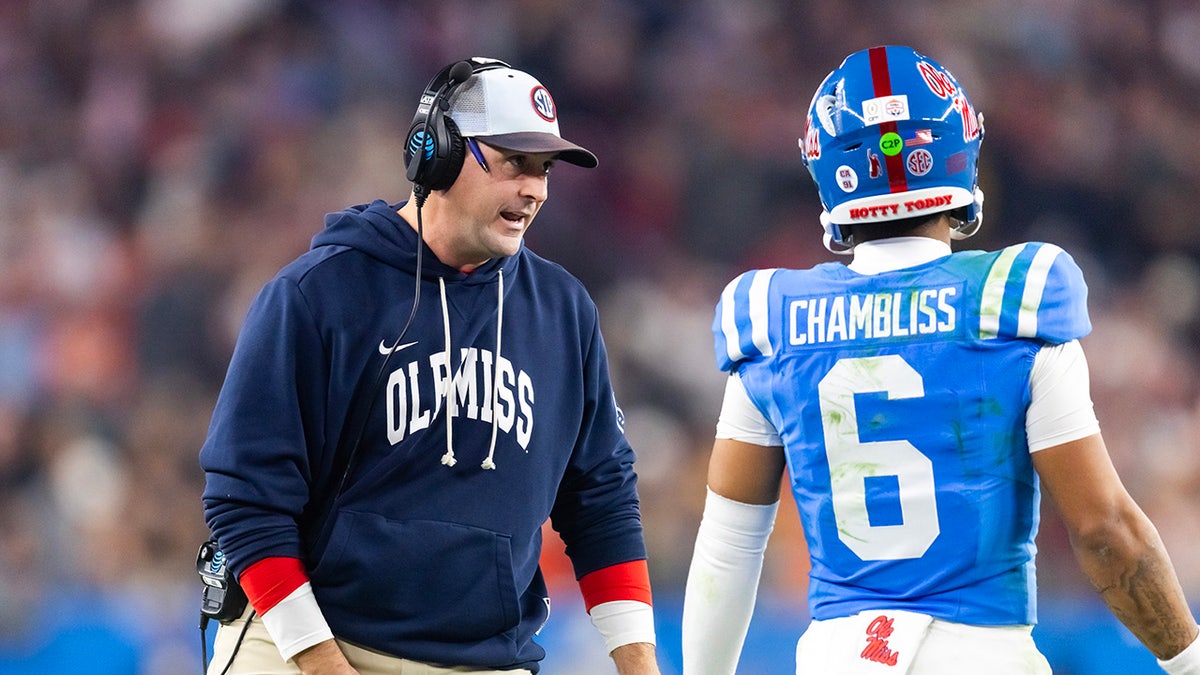
The saga of Trinidad Chambliss’s sixth year of eligibility and Joe Judge’s controversial testimony highlights the complex intersection of athletic performance, medical necessity, and personal life in the high-stakes world of collegiate sports. While Judge’s remarks on fatherhood and athletic priorities have drawn widespread criticism, his supporters argue that he was attempting to speak to the unique demands placed upon student-athletes. Ultimately, the court’s decision in favor of Chambliss underscores the potential for judicial intervention when athletes feel the NCAA’s processes have been inequitable. The case serves as a potent reminder of the ongoing debates surrounding athlete welfare, the NCAA’s regulatory power, and the personal sacrifices often demanded of those who compete at the highest levels of amateur athletics.