
 By admin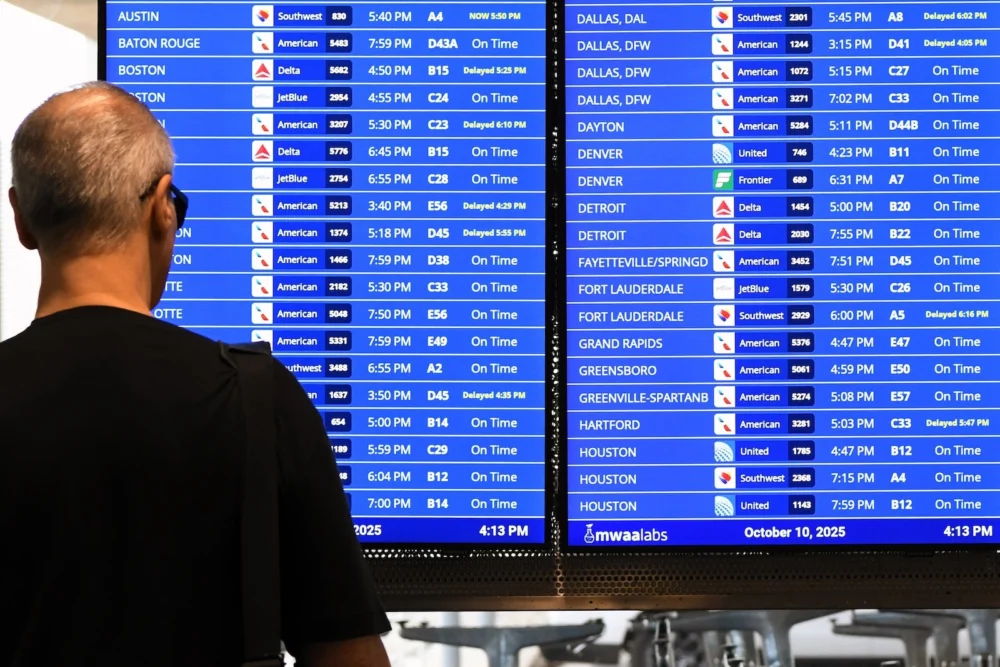
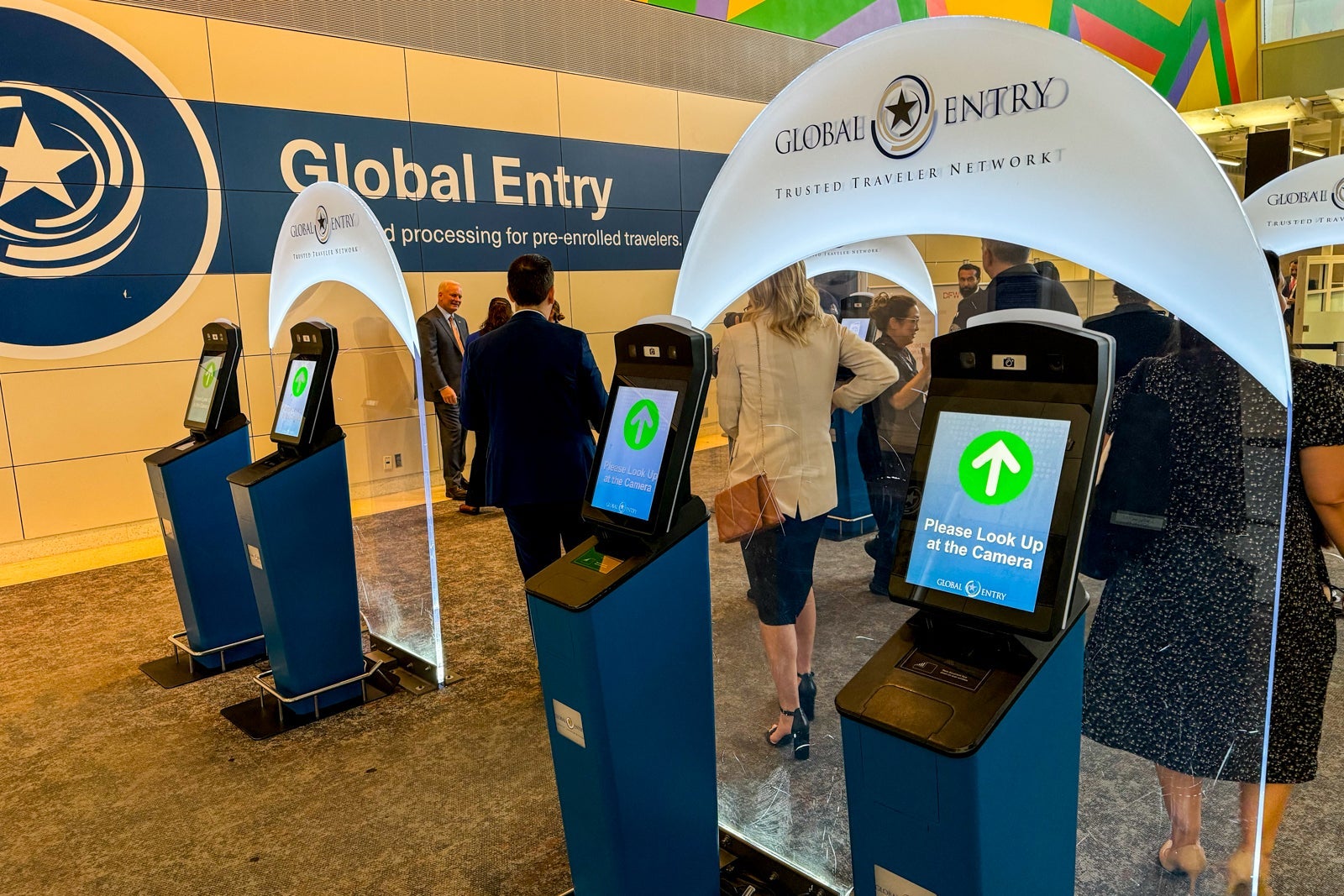
For more than a decade, TSA PreCheck and Global Entry have served as the backbone of efficient airport operations in the United States. TSA PreCheck, which boasted a record membership of approximately 20 million Americans as of late 2024, allows domestic travelers to keep their shoes, belts, and light jackets on, while leaving laptops and compliant liquids inside their carry-on bags. Global Entry, managed by U.S. Customs and Border Protection (CBP), offers similar benefits for international arrivals, allowing travelers to bypass traditional passport control lines via dedicated kiosks. By suspending these programs, the DHS is effectively removing the "fast lane" for a significant portion of the traveling public, a move that industry experts warn will lead to unprecedented wait times and missed connections.
In a late-night statement on Saturday, Homeland Security Secretary Kristi Noem framed the decision as a matter of resource prioritization. While she did not mention the programs by name, she emphasized that the agency is "prioritizing the general traveling population at our airports and ports of entry and suspending courtesy and special privilege escorts." This rhetoric suggests a shift in the administration’s philosophy regarding "Trusted Traveler" programs, viewing them not as essential security tools that segment risk, but as "special privileges" that cannot be maintained during a fiscal crisis. This stance is a sharp departure from how the DHS has functioned during previous federal shutdowns. Historically, even during the record-breaking 35-day shutdown of 2018–2019, TSA PreCheck and Global Entry remained operational. Because these programs are largely funded by the application fees paid by members—rather than solely by annual congressional appropriations—they have traditionally been viewed as self-sustaining and "exempt" from the immediate impacts of a lapse in federal funding.
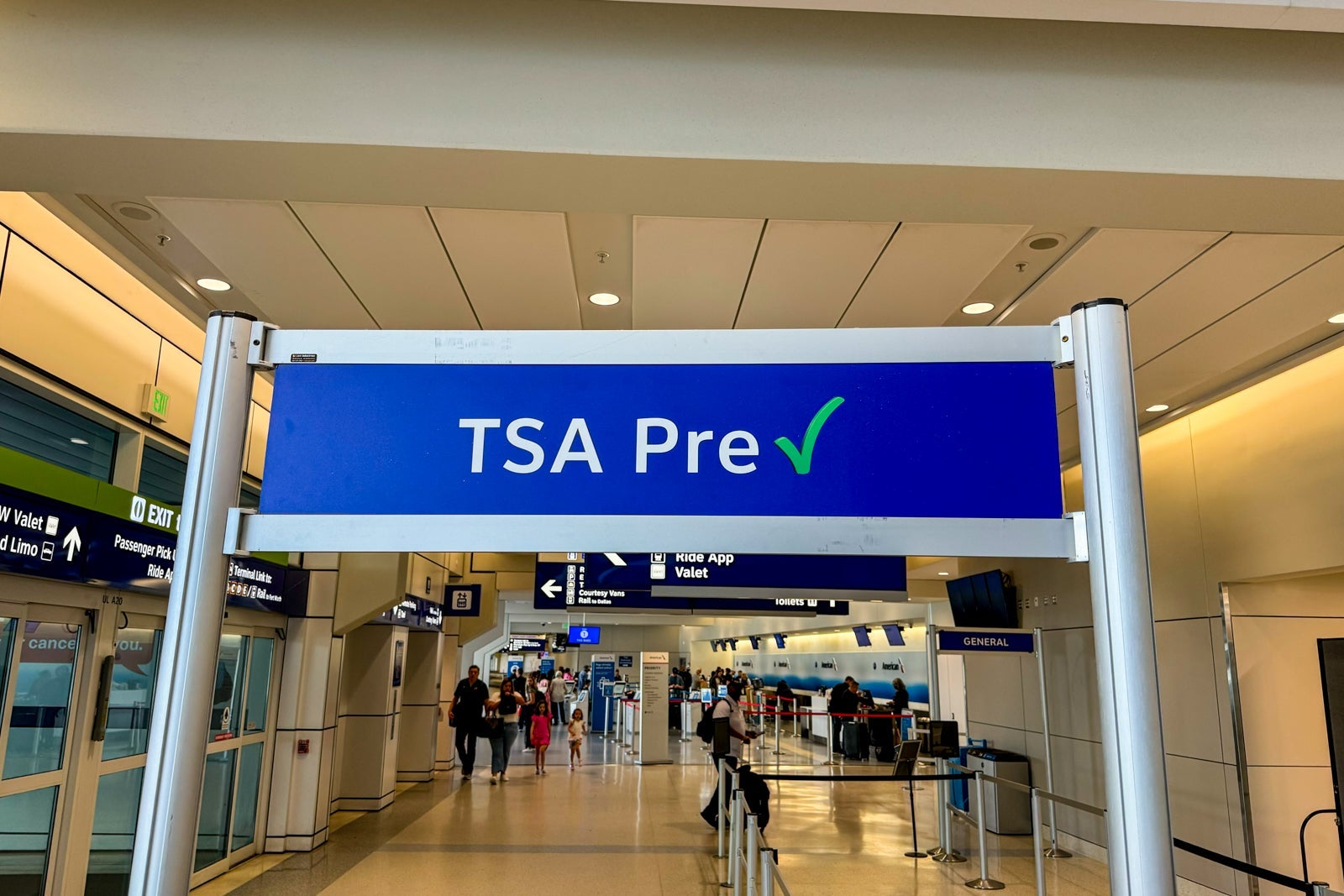
The decision to halt these programs now, despite their fee-funded nature, has drawn immediate and fierce condemnation from travel advocacy groups and airline executives. The U.S. Travel Association, a non-profit organization representing the multi-billion-dollar travel industry, issued a scathing response, stating that "travelers should be prioritized, not leveraged" in political disputes. The association argued that the suspension of expedited screening does nothing to enhance security and instead creates unnecessary friction in an industry that is a vital driver of the national economy. Similarly, Chris Sununu, the CEO of Airlines for America and former Governor of New Hampshire, expressed deep concern over the "extremely short notice" provided to travelers. Sununu noted that the sudden change gives passengers little to no time to adjust their plans, potentially leading to thousands of missed flights as travelers fail to account for the significantly longer wait times in standard security lanes.
The logistical impact on airport infrastructure cannot be overstated. TSA checkpoints are designed with specific throughput capacities in mind. PreCheck lanes are significantly more efficient, processing roughly twice as many passengers per hour as standard lanes because travelers do not have to unpack their bags or remove clothing. By forcing 20 million PreCheck members into standard lanes, the TSA is essentially doubling the physical workload for officers who are already working without pay. While TSA and CBP officers are considered "essential" federal employees and are required to report for duty during a shutdown, morale often suffers, and past shutdowns have seen spikes in "call-outs" or sick leave as officers struggle to cover commuting and childcare costs without a steady paycheck.
Adding a layer of complexity to the situation is the fact that the suspension coincides with a severe weather event. Meteorological data indicates that a major winter storm is currently tracking up the East Coast, threatening to bring heavy snow, ice, and high winds to major transit hubs. By 11:00 p.m. EST on Saturday, FlightAware reported that more than 2,200 flights scheduled for Sunday had already been preemptively canceled. New York’s John F. Kennedy International Airport (JFK) and LaGuardia Airport (LGA) are expected to be the hardest hit, with nearly 40% of their Sunday departures already scrubbed. Newark Liberty International (EWR), Boston Logan (BOS), and Ronald Reagan Washington National (DCA) are also seeing cancellation rates exceeding 20%. For the travelers whose flights have not been canceled, the combination of reduced security efficiency and weather-related delays creates a "perfect storm" of travel misery.
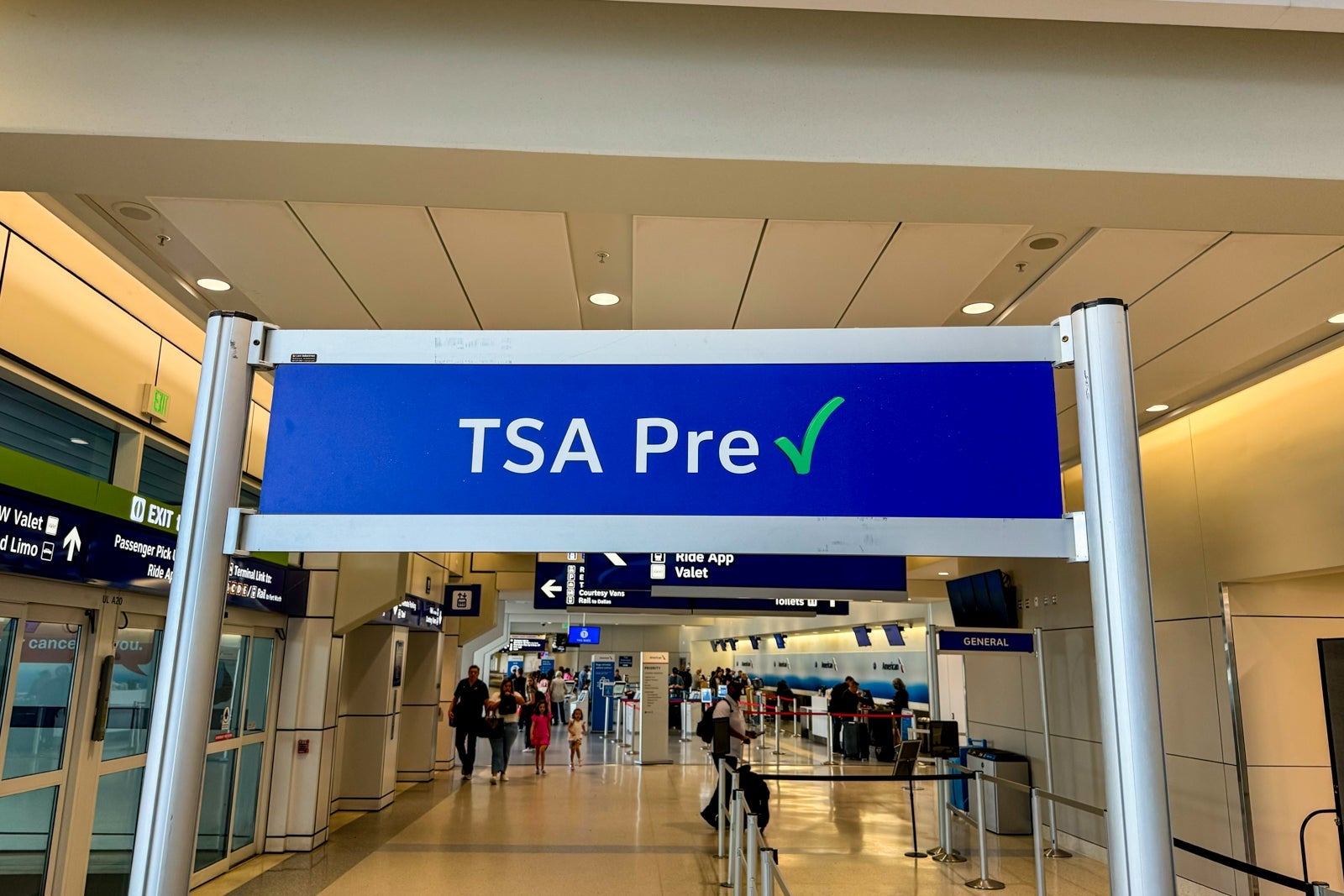
Travelers who must fly this Sunday are being advised to arrive at the airport at least three to four hours before their scheduled departure. Without PreCheck benefits, passengers will need to be prepared for the rigors of standard screening. This includes removing large electronics—such as laptops, tablets, and gaming consoles—from carry-on bags and placing them in separate bins. The "3-1-1" liquids rule will be strictly enforced, requiring all gels and aerosols to be in a single quart-sized clear bag, which must also be removed for inspection. One small silver lining remains: a policy change enacted last summer means that the TSA no longer requires any travelers to remove their shoes at security, regardless of their screening status. However, light jackets, sweaters, and bulky jewelry will still likely need to go through the X-ray machine.
Beyond the immediate travel headaches, the suspension of these programs raises long-term questions about the stability of the "Trusted Traveler" ecosystem. Millions of Americans have paid $78 for TSA PreCheck or $100 for Global Entry (with prices recently adjusted to $120 for certain renewals) under the impression that they were purchasing a five-year guarantee of expedited service. If the government can suspend these services at will during a budgetary dispute, the perceived value of these programs may diminish, potentially leading to a drop in future enrollments and a subsequent loss of the very fee revenue that helps sustain the agency.
The political optics of the move are also being scrutinized. Analysts suggest that by shutting down high-visibility programs like PreCheck, the administration may be attempting to increase the "public pain" of the shutdown to pressure Congress into reaching a funding agreement. However, this strategy carries significant risk, as it may alienate the voting public and the powerful business travel sector. The U.S. Department of Homeland Security has not yet provided a definitive timeline for when the programs might be reinstated, stating only that the suspension is temporary and tied to the duration of the funding lapse.
As Sunday morning approaches, the aviation industry is bracing for impact. Airline ground crews and airport terminal staff are being spread thin as they attempt to manage both the weather-related cancellations and the anticipated bottlenecks at security checkpoints. Major carriers, including Delta, United, and American Airlines, have issued travel waivers for the Northeast, urging passengers to rebook their flights for later in the week to avoid the double-whammy of the storm and the shutdown. For those who cannot wait, the message from officials is clear: the era of the "five-minute security wait" is, for the time being, officially over. The coming days will serve as a grueling test of the U.S. aviation system’s resilience and a stark reminder of how deeply federal policy and funding are intertwined with the daily lives of millions of Americans.