
 By admin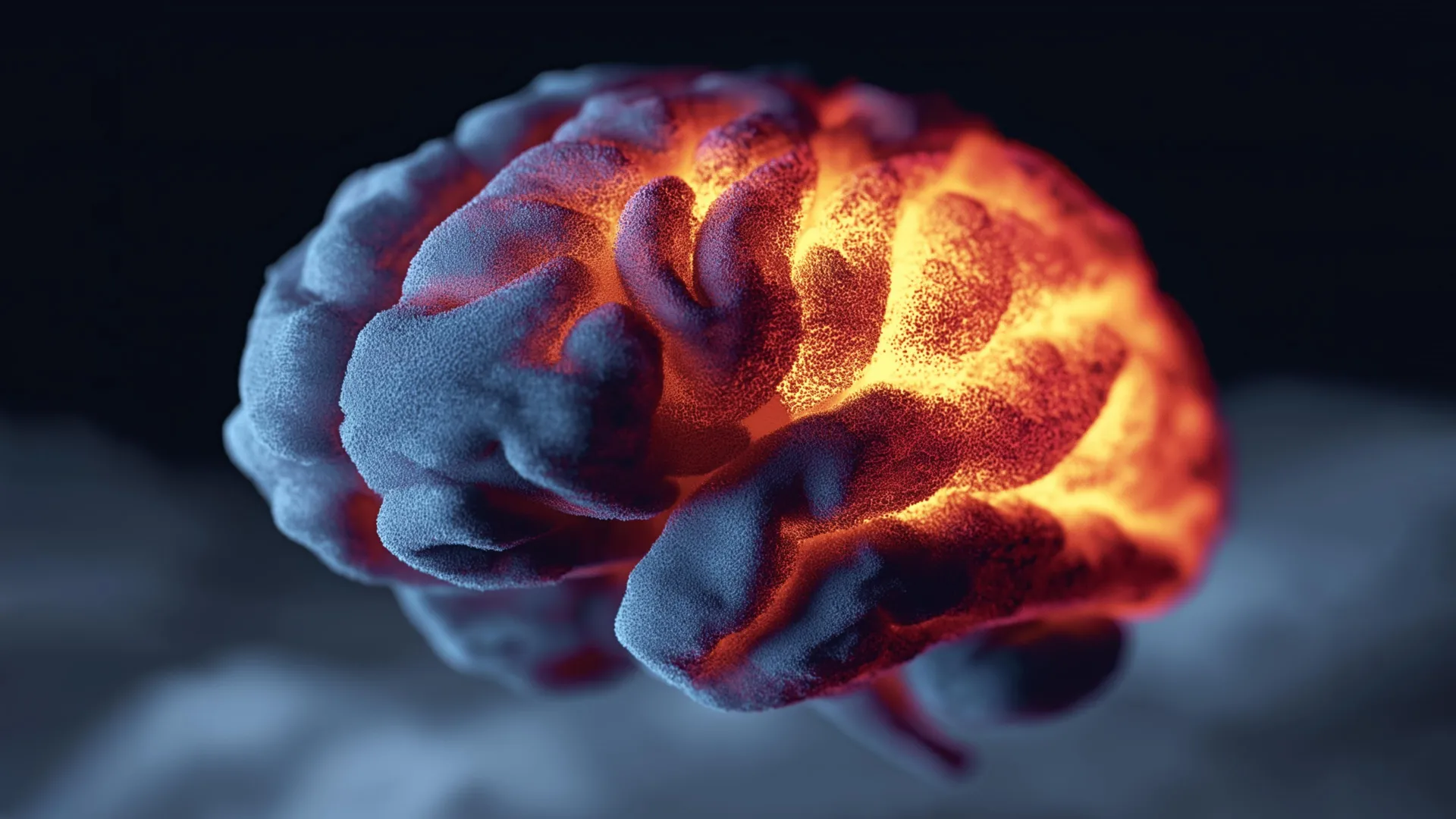
The newly identified region, termed the lateral parafacial region, is nestled within the brainstem. This ancient and evolutionarily conserved part of the brain is the control center for many of the body’s fundamental, automatic life-sustaining functions, including breathing, digestion, consciousness, and, crucially, heart rate and blood pressure regulation. Its strategic location underscores its vital role in orchestrating the body’s basic physiological responses, often without conscious thought.
Professor Julian Paton, director of Manaaki Manawa, Centre for Heart Research at Waipapa Taumata Rau, University of Auckland, and lead researcher of the study, explains the lateral parafacial region’s established role in specific types of breathing. "The lateral parafacial region is recruited into action causing us to exhale during a laugh, exercise or coughing," Paton states. These exhalations, unlike the passive process of normal breathing, are characterized as "forced" and require the powerful contraction of abdominal muscles. In contrast, a typical, quiet exhalation is a passive process, occurring as the elastic lungs recoil without requiring active muscle engagement. This distinction between active, muscularly driven exhalation and passive exhalation is key to understanding the region’s newly discovered link to blood pressure.
The Unexpected Link: Breathing and Blood Pressure
The research team’s pivotal finding was that this same lateral parafacial region, known for its role in forced exhalations, is also intimately connected to the sympathetic nervous system – the body’s "fight or flight" response system. Specifically, it sends signals to nerves that control the constriction of blood vessels. When blood vessels constrict, their diameter narrows, increasing resistance to blood flow and consequently elevating blood pressure. This direct neural connection provides a clear mechanistic link between brain activity in this region and systemic blood pressure regulation.
Professor Paton emphatically summarizes the implications: "We’ve unearthed a new region of the brain that is causing high blood pressure. Yes, the brain is to blame for hypertension!" The team demonstrated that in experimental models exhibiting high blood pressure, the lateral parafacial region showed heightened activation. Critically, when researchers selectively inactivated this region, blood pressure levels promptly returned to normal. This causal relationship is a cornerstone of the discovery, moving beyond mere correlation to identify a direct neural driver of hypertension.
These findings suggest a profound and previously underestimated connection: certain breathing patterns, particularly those involving robust abdominal muscle use – the very type of exhalation driven by the lateral parafacial region – can contribute to elevated blood pressure. This opens up a fascinating avenue for diagnostic and therapeutic innovation. Identifying individuals with hypertension who exhibit these specific breathing patterns might help pinpoint the underlying cause of their elevated blood pressure, allowing for more targeted and personalized treatment strategies. For instance, techniques focused on diaphragmatic breathing or relaxation to reduce reliance on forced abdominal exhalations could become valuable adjuncts to existing therapies. The study’s publication in the prestigious journal Circulation Research underscores the significance and rigor of these findings, placing them at the forefront of cardiovascular neuroscience.
A New Treatment Target: Navigating the Brain’s Complexity
The immediate question following such a discovery is always: ‘Can we target this brainstem region for treatment?’ The prospect of directly intervening in a specific brain area to control blood pressure is immensely appealing, offering a precision medicine approach. However, targeting the brain with pharmacological agents presents significant challenges. As Professor Paton acknowledges, "Targeting the brain with drugs is tricky because they act on the entire brain and not a selected region such as the parafacial nucleus." The blood-brain barrier, a highly selective membrane, limits the passage of many substances from the bloodstream into the brain. Even for drugs that can cross this barrier, achieving localized action without affecting other crucial brain functions is exceedingly difficult, often leading to undesirable side effects. This non-specificity has historically hampered efforts to develop brain-targeted treatments for conditions like hypertension.
However, a key breakthrough emerged from the research team’s deeper investigation. They discovered that the lateral parafacial region isn’t an isolated conductor; it is activated by signals originating outside the brain. These crucial external signals emanate from the carotid bodies, small, chemosensitive clusters of cells located in the neck, near the bifurcation of the common carotid artery. These tiny organs are vital sentinels, constantly monitoring the levels of oxygen, carbon dioxide, and pH in the arterial blood. Their primary role is to detect drops in oxygen (hypoxia) or increases in carbon dioxide, and in response, they send signals to the brainstem to increase breathing rate and depth, thereby restoring normal blood gas levels. They also play a role in modulating sympathetic nervous system activity, increasing it in conditions of hypoxia.
This revelation—that the carotid bodies directly activate the lateral parafacial region, which in turn drives up blood pressure—is a game-changer. It offers a promising alternative to direct brain intervention. Because the carotid bodies are located outside the skull and are readily accessible, they can be safely and effectively targeted with medication without the inherent difficulties and risks associated with brain-penetrating drugs.
"Our goal is to target the carotid bodies," Professor Paton explains, outlining the innovative therapeutic strategy. "We are importing a new drug that is being repurposed by us to quench carotid body activity and inactivate ‘remotely’ the lateral parafacial region safely, i.e., without needing to use a drug that penetrates the brain." The concept of drug repurposing is particularly attractive, as it involves using an existing drug, often one already approved for other conditions, for a new therapeutic purpose. This approach significantly shortens development timelines and reduces costs, as much of the safety and pharmacokinetic data is already established. By attenuating the signals from overactive carotid bodies, the researchers aim to indirectly calm the lateral parafacial region, thereby lowering blood pressure without exposing the entire brain to systemic drug effects.
Broader Impact and Future Horizons
This discovery holds immense promise for developing novel treatments for high blood pressure, especially for specific patient populations. One significant group that stands to benefit is individuals suffering from sleep apnea. Sleep apnea, characterized by repeated episodes of breathing cessation during sleep, leads to intermittent hypoxia (low oxygen levels). These recurrent drops in oxygen robustly activate the carotid bodies, triggering a surge in sympathetic nervous system activity and contributing significantly to the development and persistence of hypertension in these patients. The research provides a clear mechanistic link between sleep apnea, carotid body overactivity, the lateral parafacial region, and hypertension. By targeting the carotid bodies, this new therapeutic approach could offer a highly effective and tailored treatment for sleep apnea-related hypertension, a condition often resistant to conventional antihypertensive medications.
Beyond sleep apnea, this research could also open doors for treating other forms of resistant hypertension, where existing drug regimens fail to adequately control blood pressure. It also offers a fresh perspective on the complex interplay between respiration, autonomic nervous system function, and cardiovascular health. For instance, chronic stress and anxiety can alter breathing patterns and increase sympathetic tone; future research might explore if the lateral parafacial region plays a role in stress-induced hypertension.
The journey from discovery to clinical application is often long, but the foundational understanding provided by Professor Paton’s team is a crucial first step. The next phases will likely involve rigorous preclinical testing of the repurposed drug, followed by human clinical trials to assess its safety and efficacy in patients with hypertension. This groundbreaking work represents a paradigm shift, moving beyond a purely cardiovascular understanding of hypertension to acknowledge and leverage the profound influence of the central nervous system. By identifying a specific neural circuit and a remote, accessible target for intervention, this research offers a beacon of hope for millions grappling with the silent killer that is high blood pressure, promising a future with more effective, targeted, and safer treatment options.