
 By admin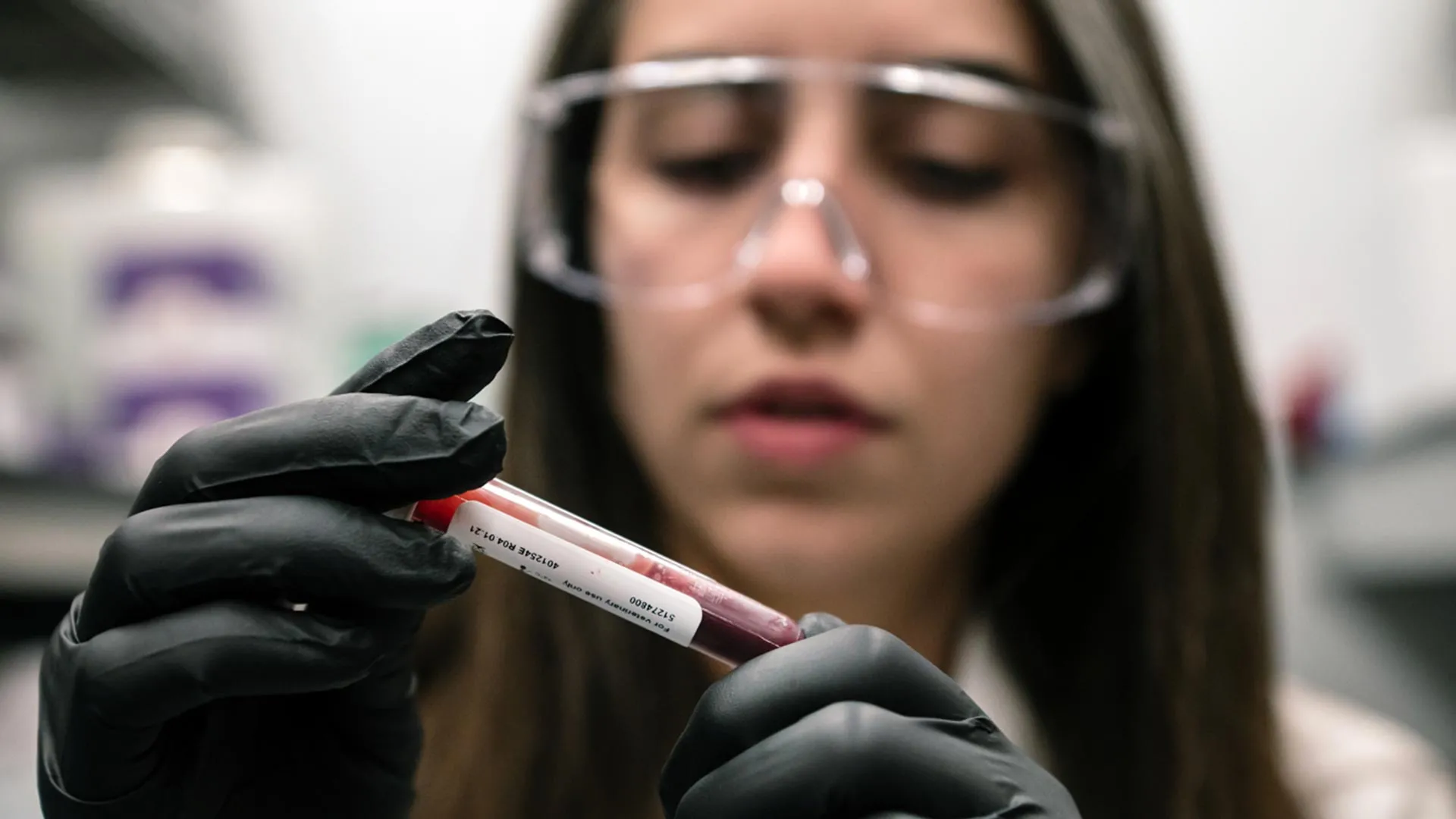
Scientists at Gladstone Institutes have now made a groundbreaking discovery, identifying the core reason behind this phenomenon. Their pioneering research reveals a previously unrecognized role for red blood cells in glucose metabolism. Specifically, they found that in environments characterized by low oxygen — conditions mirroring those found on the world’s highest mountains — red blood cells dramatically increase their absorption of glucose from the bloodstream. In essence, these ubiquitous cells, traditionally viewed primarily as oxygen transporters, transform into highly efficient "sugar sponges," actively clearing glucose from circulation. This revelation not only provides a compelling biological explanation for the reduced diabetes risk at altitude but also opens entirely new avenues for understanding and potentially treating metabolic diseases.
The detailed findings, published in the esteemed journal Cell Metabolism, meticulously demonstrate that red blood cells possess the remarkable ability to fundamentally alter their metabolism when oxygen levels decline. This adaptive metabolic shift serves a dual purpose. Firstly, it enhances the cells’ capacity to deliver oxygen to peripheral tissues more efficiently, a critical function for survival in oxygen-deprived environments. Secondly, and critically for diabetes research, this metabolic reconfiguration simultaneously leads to a significant reduction in circulating blood sugar levels. This dual action offers a robust and comprehensive explanation for the observed decrease in diabetes incidence among individuals residing at higher altitudes, resolving a long-standing mystery in human physiology and metabolism.
According to senior author Dr. Isha Jain, a distinguished Gladstone Investigator, core investigator at Arc Institute, and professor of biochemistry at UC San Francisco, this study represents a pivotal moment in metabolic research. "Red blood cells represent a hidden compartment of glucose metabolism that has not been appreciated until now," Dr. Jain states, underscoring the paradigm shift her team’s work introduces. "This discovery could open up entirely new ways to think about controlling blood sugar, moving beyond traditional targets and exploring a cellular component long overlooked in glucose regulation." Her comments highlight the profound implications, suggesting that the body’s most abundant cells might hold a key to novel therapeutic strategies for a global health crisis.
Red Blood Cells Identified as a Primary Glucose Sink
Dr. Jain’s laboratory has dedicated years to unraveling the intricate relationship between hypoxia – the medical term for reduced oxygen levels in the blood – and its profound effects on systemic metabolism. Earlier experiments conducted by her team provided the initial tantalizing clues. They observed that laboratory mice exposed to low oxygen air exhibited a dramatic and consistent lowering of their blood glucose levels. These animals also demonstrated a remarkably rapid clearance of sugar from their bloodstream after feeding, a metabolic characteristic typically associated with enhanced insulin sensitivity and a significantly lower risk of developing diabetes. However, when researchers meticulously examined the major organs traditionally known for glucose utilization – such as the liver, muscle, and brain – to pinpoint where this rapidly disappearing glucose was being consumed, they found no clear or sufficient answer. The conventional metabolic pathways simply could not account for the sheer volume of glucose disappearing from circulation.
"When we gave sugar to the mice in hypoxia, it disappeared from their bloodstream almost instantly," recalls Dr. Yolanda Martí-Mateos, a postdoctoral scholar in Dr. Jain’s lab and the first author of this seminal new study. "We looked at muscle, brain, liver – all the usual suspects – but nothing in these organs could explain what was happening. It was as if the glucose was vanishing into thin air, prompting us to consider unconventional possibilities." This puzzling observation underscored the need for a deeper, more comprehensive investigation into alternative glucose disposal pathways.
Employing a different, more sophisticated imaging methodology, specifically tailored to track glucose molecules throughout the body, the researchers made their breakthrough. They astonishingly discovered that red blood cells, rather than passively transporting oxygen, were actively serving as the missing "glucose sink." This meant they were taking in and metabolizing significant amounts of glucose from the circulating blood. This finding was particularly unexpected and revolutionary because, for decades, red blood cells have been largely viewed through a reductionist lens as mere, anucleated sacs primarily designed for oxygen carriage, with their metabolic activity considered minimal and largely self-contained. The discovery that they could act as a major consumer of systemic glucose challenged a fundamental dogma in hematology and metabolism.
Subsequent follow-up experiments in murine models rigorously confirmed this initial finding. Under sustained low oxygen conditions, the animals produced a greater overall number of red blood cells, a physiological adaptation known as erythrocytosis, which helps increase oxygen-carrying capacity. More importantly, each individual red blood cell formed under hypoxic conditions absorbed substantially more glucose compared with cells produced under normal oxygen levels. This dual effect – more red blood cells, each absorbing more glucose – provided a powerful mechanism for the observed systemic glucose clearance.
To meticulously uncover the precise molecular details underpinning this metabolic shift, Dr. Jain’s group forged crucial partnerships with leading experts in red blood cell biology and metabolism. They collaborated with Dr. Angelo D’Alessandro of the University of Colorado Anschutz Medical Campus, a renowned metabolomics expert, and Dr. Allan Doctor from the University of Maryland, who has extensively studied red blood cell physiology and transfusion medicine. Their combined expertise was instrumental in dissecting the complex biochemical pathways involved.
Their collaborative work definitively showed that when oxygen is limited, red blood cells strategically utilize glucose not just for their own minimal energy needs, but to generate a crucial molecule (likely 2,3-bisphosphoglycerate or 2,3-BPG, a key regulator not explicitly named in the abstract but central to this pathway) that significantly enhances the release of oxygen to peripheral tissues. This biochemical process becomes critically important when oxygen is in short supply, ensuring that vital organs receive adequate oxygenation even under challenging conditions. This intricate interplay highlights a sophisticated adaptive mechanism where glucose metabolism is directly linked to oxygen delivery efficiency.
"What surprised me most was the magnitude of the effect," Dr. D’Alessandro remarked, emphasizing the profound scale of this newly identified metabolic activity. "Red blood cells are usually thought of as passive oxygen carriers, almost inert metabolically. Yet, we found that they can account for a substantial fraction of whole-body glucose consumption, especially under hypoxia. This is not a minor contribution; it’s a significant player in systemic glucose homeostasis." His statement underscores the re-evaluation required for the role of red blood cells in human physiology.
Implications for Diabetes Treatment and Beyond
The profound implications of these findings extend far beyond simply explaining a high-altitude phenomenon. The researchers also made another striking discovery: the metabolic benefits derived from prolonged hypoxic exposure persisted for weeks to even months after the mice were returned to normal oxygen levels. This long-lasting effect suggests that the cellular and systemic adaptations induced by low oxygen are not transient but can induce durable metabolic reprogramming, offering hope for sustained therapeutic outcomes.
Building on this insight, the team then evaluated HypoxyStat, an innovative drug recently developed in Dr. Jain’s lab. HypoxyStat is designed to mimic the physiological effects of low oxygen exposure, but through a convenient oral pill formulation. Its mechanism of action involves causing hemoglobin within red blood cells to bind oxygen more tightly. This tighter binding effectively limits the amount of oxygen delivered to tissues, thereby signaling the body to adapt as if it were in a low-oxygen environment. In compelling preclinical trials using mouse models of diabetes, HypoxyStat demonstrated remarkable efficacy, completely reversing high blood sugar levels and, crucially, outperforming several existing conventional diabetes treatments in its ability to restore glucose homeostasis.
"This is one of the first uses of HypoxyStat beyond mitochondrial disease, where it was initially conceived," Dr. Jain states, highlighting the drug’s expanding therapeutic potential. "It fundamentally opens the door to thinking about diabetes treatment in a profoundly different way – not by directly targeting insulin pathways or glucose absorption in the gut, but by recruiting red blood cells as active glucose sinks. This represents a paradigm shift from traditional pharmacologies." The potential for a new class of anti-diabetic drugs that leverages the body’s own red blood cells offers an exciting and novel therapeutic strategy.
Moreover, the implications of this research are not confined solely to diabetes management. Dr. D’Alessandro notes potential relevance for a broader spectrum of physiological and pathological conditions. For instance, in exercise physiology, understanding how red blood cells adapt their metabolism to optimize oxygen delivery and glucose utilization could lead to new training strategies or performance enhancements. Furthermore, the findings hold significant promise for understanding and treating pathological hypoxia, particularly after traumatic injury. Trauma remains a leading cause of death among younger populations globally, and the complex physiological responses include significant changes in oxygen availability and metabolic demands. Alterations in red blood cell production and their newly discovered role in glucose metabolism could profoundly affect glucose availability to critical tissues, influence muscle performance during recovery, and impact overall patient outcomes following severe injury.
"This is just the beginning of a vast new area of research," Dr. Jain concludes with palpable enthusiasm. "There’s still so much to learn about how the whole body adapts to changes in oxygen availability, from the cellular level to systemic responses. More importantly, we now have a clearer path to exploring how we could leverage these intrinsic adaptive mechanisms to treat a wide range of conditions, extending far beyond diabetes, potentially revolutionizing our approach to metabolic and hypoxic diseases."
Study Details and Funding
The seminal study, meticulously titled "Red Blood Cells Serve as a Primary Glucose Sink to Improve Glucose Tolerance at Altitude," was officially published in the prestigious journal Cell Metabolism on February 19, 2026. The comprehensive research involved a multidisciplinary team of authors, including Yolanda Martí-Mateos, Ayush D. Midha, Will R. Flanigan, Tej Joshi, Helen Huynh, Brandon R. Desousa, Skyler Y. Blume, Alan H. Baik, and Isha Jain, all affiliated with the Gladstone Institutes, who spearheaded the core investigations. Essential contributions also came from Zohreh Safari, Stephen Rogers, and Allan Doctor of the University of Maryland, who provided critical expertise in red blood cell biology. Furthermore, Shaun Bevers, Aaron V. Issaian, and Angelo D’Alessandro of the University of Colorado Anschutz Medical Campus were instrumental in the metabolomics analysis and understanding of the biochemical pathways involved.
The groundbreaking research was made possible through generous funding from several prominent organizations. Significant support was provided by the National Institutes of Health (NIH) through various grants (DP5 DP5OD026398, R01 HL161071, R01 HL173540, R01HL146442, R01HL149714, DP5OD026398), underscoring the project’s national importance and scientific merit. Additional vital funding was secured from the California Institute for Regenerative Medicine, Dave Wentz, the Hillblom Foundation, and the W.M. Keck Foundation, all of whom play crucial roles in advancing innovative scientific discovery and translating research into real-world health benefits. These diverse funding sources highlight the collaborative and interdisciplinary nature of modern scientific breakthroughs and their potential to address critical health challenges.