
 By admin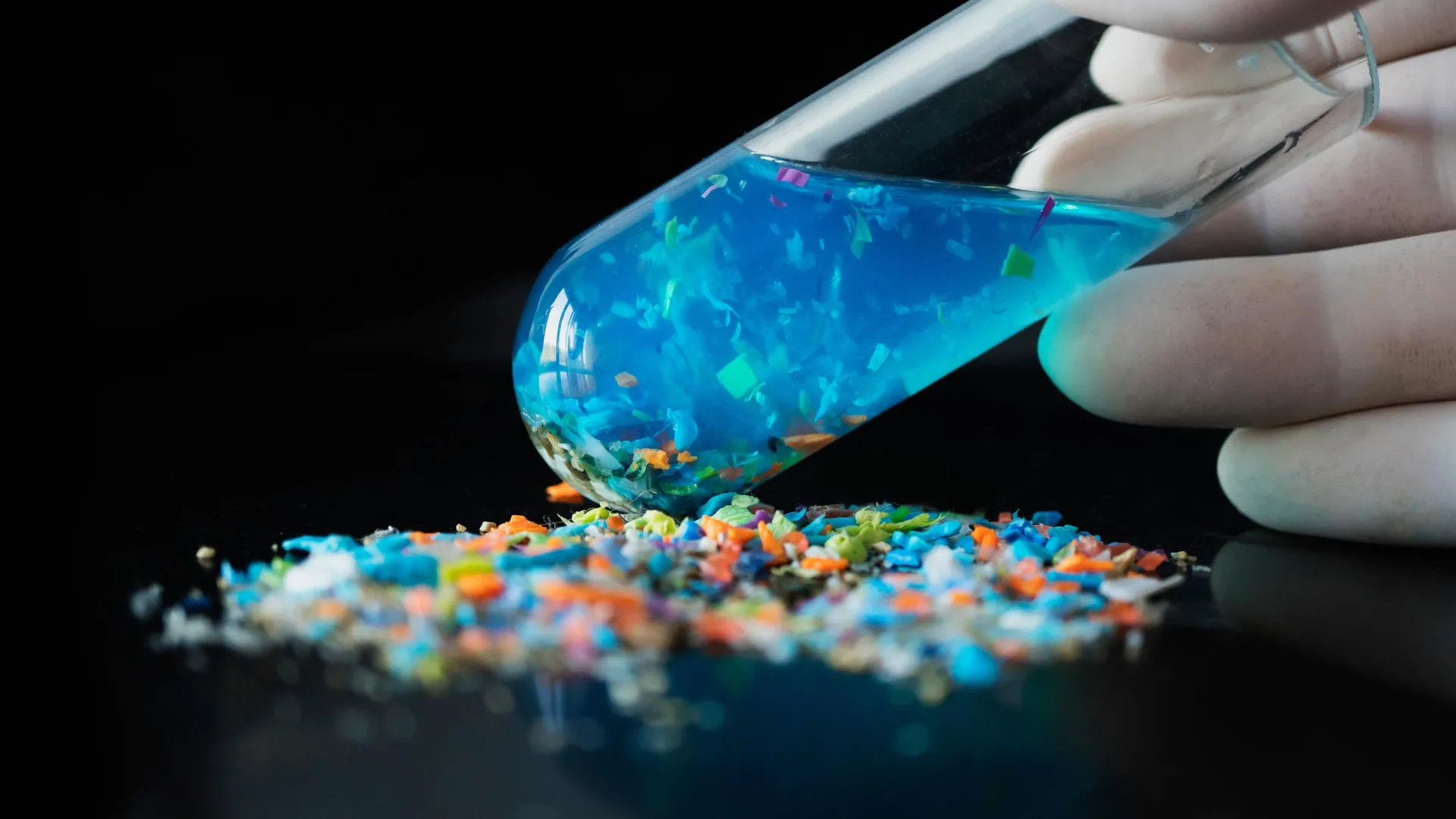
The pervasive reach of plastic pollution has become one of the defining environmental crises of the 21st century. From the highest mountains to the deepest marine trenches, synthetic polymer particles, typically defined as microplastics (less than 5 millimeters) and nanoplastics (less than 1 micrometer), are ubiquitous. These minuscule fragments originate from a multitude of sources, including the breakdown of larger plastic debris, industrial pellets, synthetic textile fibers released during washing, and tire wear. Once released, they are transported globally by wind, water currents, and even living organisms, integrating into every conceivable ecosystem. Scientists have documented their presence in polar ice caps, remote islands, agricultural soils, and crucial food systems, underscoring the truly global nature of this contamination.
The scale of plastic production worldwide now surpasses a staggering 460 million tons per year, a figure projected to nearly triple by 2060 if current trends continue. With such immense output, it is inevitable that millions of tons of microscopic plastic particles are released into the environment annually. These particles have infiltrated the food chain, leading to their identification in a vast array of marine animals, birds, and terrestrial wildlife. More recently, growing scientific evidence has confirmed their presence within human tissues, including blood, liver, lung, placenta, and even brain samples. The implications of this internal presence are a growing concern for public health, especially given preliminary laboratory experiments that suggest exposure may be linked to adverse health outcomes such as inflammation, oxidative stress, endocrine disruption, alterations to the gut microbiome, organ damage, and developmental problems in various model organisms. However, despite this accumulating evidence, a critical knowledge gap remains concerning the precise mechanisms and behaviors of these particles once they are ingested or absorbed into living systems.
"Most current methods give us only a snapshot in time," explained corresponding author Wenhong Fan, highlighting a fundamental limitation in current microplastic research. "We can measure how many particles are present in a tissue at a given moment, but we cannot directly observe how they travel, accumulate, transform, or break down inside living organisms over a continuous period. This lack of dynamic insight significantly hinders our ability to truly assess the ecological and health risks." Understanding the journey of these particles – from initial uptake to their final fate – is paramount to deciphering their biological impact.
Limits of Current Microplastic Detection Methods
The challenge of tracking microplastics within complex biological environments is considerable, primarily due to the limitations of existing analytical techniques. Common detection tools, while powerful for identifying and quantifying plastic particles, often require scientists to destroy tissue samples in order to analyze them. This destructive approach inherently prevents researchers from watching how particles behave over time or how they interact with surrounding biological structures in a living context.
For instance, techniques like Fourier-transform infrared (FTIR) spectroscopy and Raman spectroscopy rely on the unique vibrational fingerprints of polymer molecules. While excellent for identifying specific plastic types, these methods typically require samples to be isolated, purified, and often physically altered (e.g., ground into a fine powder) before analysis. This process destroys the spatial and temporal context of the particles within the tissue. Similarly, pyrolysis-gas chromatography/mass spectrometry (Py-GC/MS) involves heating the sample to decompose polymers into characteristic volatile fragments, which are then identified. This highly effective method for polymer identification is, by its very nature, destructive and offers no insight into the particles’ movement or degradation within a living system.
Even advanced microscopy techniques like scanning electron microscopy (SEM) or transmission electron microscopy (TEM), while providing high-resolution images of particle morphology, typically require extensive sample preparation, including fixation, dehydration, and embedding, which are incompatible with real-time, live imaging. Furthermore, these methods often struggle with chemical identification without coupling with other analytical tools, and their imaging depth in biological tissues is limited.
Fluorescence imaging, which relies on light-emitting molecules, offers a promising non-destructive solution for real-time tracking in biological systems. However, traditional fluorescence labeling techniques face their own set of significant problems when applied to microplastics:
- Fading signals (photobleaching): Many fluorescent dyes degrade under prolonged light exposure, causing their signal to weaken or disappear over time, making long-term tracking impossible.
- Leaking dyes: If the fluorescent dye is merely adsorbed onto the surface or loosely incorporated, it can leach out into the surrounding biological environment. This not only leads to a loss of signal from the plastic particle but can also stain adjacent tissues, creating false positives or obscuring the true location of the microplastic.
- Reduced brightness in complex biological environments: Biological tissues are inherently complex, containing numerous biomolecules that can quench fluorescence or produce autofluorescence, which interferes with the signal from the labeled microplastics. Light scattering within tissues can also diminish signal intensity and resolution.
- Surface-only labeling: If the dye only coats the surface of the plastic particle, as the particle degrades and fragments, the unlabeled internal portions become invisible, losing the ability to track the full breakdown process.
A New Fluorescent Strategy for Real-Time Tracking
To comprehensively address these persistent limitations, the research team developed what they describe as a "fluorescent monomer controlled synthesis strategy." This innovative approach fundamentally redefines how microplastics are labeled for tracking. Instead of merely coating pre-formed plastic particles with a fluorescent dye, the team engineered the light-emitting components to be an integral part of the plastic’s molecular structure from the outset.
The core of this strategy involves using fluorescent monomers – the basic building blocks of polymers – and co-polymerizing them directly with the non-fluorescent monomers that form the plastic particles. Imagine baking glitter directly into a cake batter, rather than sprinkling it on top after baking. This means the fluorescent material is uniformly distributed throughout the entire plastic particle, not just on its surface. This intrinsic labeling offers several critical advantages.
A key innovation lies in the use of Aggregation-Induced Emission (AIE) materials. Traditional fluorescent dyes often suffer from "aggregation-caused quenching" (ACQ), meaning their fluorescence diminishes or disappears when they are in high concentrations or aggregated together. AIE materials, in stark contrast, exhibit the opposite behavior: they glow more intensely when clustered or aggregated. This unique property is due to the restriction of intramolecular motion (RIM) when the AIE molecules are packed together, which forces them to emit light rather than dissipate energy through non-radiative pathways.
This AIE characteristic is particularly advantageous in biological environments for several reasons:
- Stable and robust signal: Because the fluorescence is enhanced upon aggregation, the signal remains strong and stable, combating issues of photobleaching and quenching often seen with traditional dyes. The integrated nature of the label also prevents leaching, ensuring the signal accurately represents the particle’s location.
- Reduced background noise: AIE materials are often weakly emissive or non-emissive when dispersed, minimizing background noise from un-ingested or detached fluorophores.
- Tunable properties: With this technique, researchers gain unprecedented control. They can fine-tune several key properties of the labeled particles, including brightness, the color of emitted light, and crucially, the size and shape of the plastic particles themselves. This tunability allows for the creation of various "fingerprinted" microplastics, enabling simultaneous tracking of different plastic types or sizes within the same organism using multi-color imaging.
- Tracking degradation products: Perhaps the most significant advantage is that because the fluorescent material is evenly distributed throughout each particle, both the whole plastic particles and the smaller fragments created as they degrade remain visible. This capability opens the door to tracking the full life cycle of microplastics, from initial ingestion and internal transport to their chemical transformation and eventual final breakdown into nanoplastics or even smaller, uncharacterized fragments.
Understanding Health and Environmental Risks
The strategy is currently undergoing experimental validation, but its foundation rests on established principles from polymer chemistry and biocompatible fluorescence imaging, lending credibility to its potential. The researchers are confident that this approach could rapidly become an indispensable tool for comprehensively studying how microplastics and nanoplastics interact with cells, tissues, and organs at a fundamental level.
"Clarifying the transport and transformation processes of microplastics inside organisms is absolutely essential for accurately assessing their true ecological and health risks," Dr. Fan emphasized. "Dynamic tracking will help us move beyond simple exposure measurements toward a much deeper, mechanistic understanding of toxicity. We need to know not just where they are, but what they are doing, and how they change over time."
This includes investigating critical questions such as:
- Cellular uptake mechanisms: How do microplastics penetrate cell membranes, and which types of cells are most susceptible?
- Intracellular fate: Do they accumulate in specific organelles, such as mitochondria or lysosomes, potentially disrupting cellular function?
- Translocation across biological barriers: Can they cross the blood-brain barrier, placental barrier, or gut lining, and if so, what are the implications?
- Chemical transformation: How do biological enzymes, pH changes, and oxidative stress inside the body alter the chemical composition and physical properties of plastics?
- Excretion pathways and rates: Are they efficiently cleared from the body, or do they persist and accumulate over time?
- Dose-response relationships: How do the concentration, size, shape, and chemical composition of microplastics influence their biological effects in a dynamic context?
By providing real-time, high-resolution insights into these processes, this novel fluorescence-based technique promises to revolutionize microplastic toxicology. It will enable researchers to correlate specific internal behaviors of plastics with observed physiological changes, providing robust, evidence-based data crucial for risk assessment.
As global worries about plastic pollution intensify and international bodies like the United Nations pursue legally binding treaties to end plastic pollution, tools that can reveal precisely how microplastics behave inside living systems are more critical than ever. This innovative tracking method may play a key role in improving the accuracy of risk assessments, identifying the most harmful types or forms of plastics, and ultimately guiding future environmental regulations and public health policies designed to mitigate the pervasive threat of plastic contamination. The ability to watch these tiny invaders in action is a monumental step toward understanding and, hopefully, managing their profound impact on life on Earth.