
 By Titik Puspa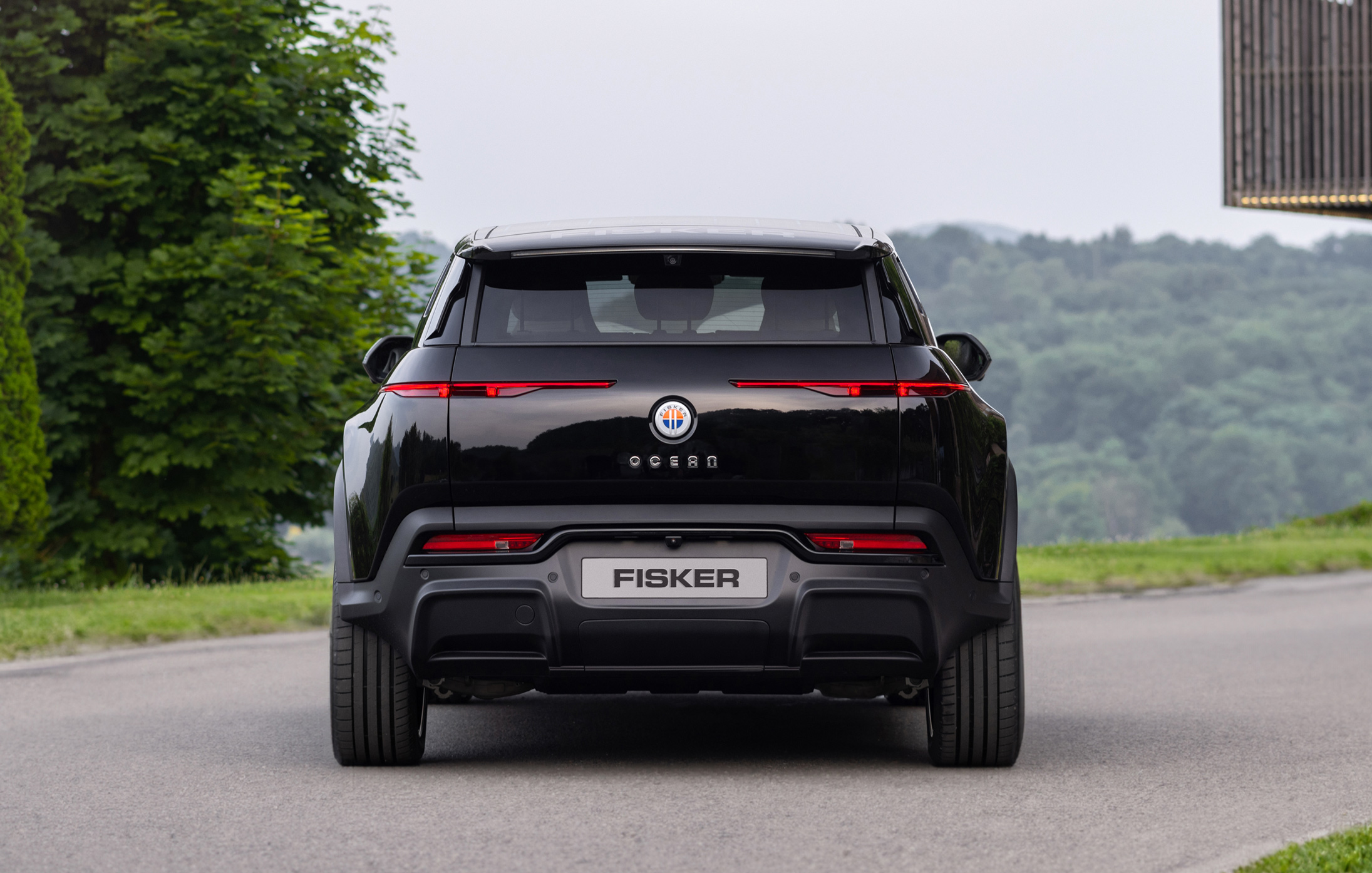
The U.S. Securities and Exchange Commission (SEC) has formally closed its investigation into the now-bankrupt electric vehicle (EV) startup Fisker, a probe that was initiated approximately one year prior to its conclusion in September 2025. This development comes to light through a Freedom of Information Act (FOIA) request, which revealed the SEC’s response indicating the closure of the investigation and the archiving of substantial electronic records – an estimated 21.7 gigabytes – related to the matter. While the SEC does not typically disclose information about ongoing investigations, the absence of such a caveat in their response and a subsequent email confirming the September 2025 closure strongly suggest the probe has reached its final stages.
The extent to which the Fisker investigation progressed remains somewhat opaque. The SEC initially disclosed the existence of this probe in an October 2024 filing within Fisker’s bankruptcy proceedings. At that time, the regulator indicated that subpoenas had been issued to the company and that further document requests might be necessary as the investigation unfolded. A spokesperson for the SEC declined to comment on the specifics of the closure, and Fisker’s founder and former CEO, Henrik Fisker, did not respond to requests for comment, leaving many questions about the investigation’s findings unanswered.
This closure occurs within a broader context of a noticeable decline in SEC enforcement actions and settlements during what is described as President Trump’s second term. An analysis by the law firm Paul, Weiss, for instance, highlights that the SEC initiated 313 enforcement actions in 2025, marking the lowest figure in a decade and representing a 27% decrease from the final year of President Biden’s term. Furthermore, the number of enforcement actions against public companies dwindled to a mere four in 2025, and total monetary settlements saw a significant 45% drop compared to the previous year. This trend suggests a potentially more lenient or selective approach to enforcement by the SEC under the current administration, impacting a wide range of industries, including the volatile EV sector.
Fisker was among the last of the prominent EV startups to be under SEC scrutiny. In recent years, the agency has reached settlements or brought charges against several other EV companies, including Nikola, which settled fraud charges for $83 million; Lordstown Motors, which faced SEC charges for misleading investors; Canoo, which agreed to a $1.5 million settlement; and Hyzon Motors, which settled fraud allegations over misleading investors. The SEC also closed an investigation into Lucid Motors in 2023 without initiating a lawsuit, indicating that not all probes result in formal action.
The only significant ongoing SEC investigation involving an EV startup that remains active is the probe into Faraday Future, which has now entered its fourth year. In July 2025, Faraday Future and several of its executives received "Wells notices" from the SEC. These notices serve as formal notifications that SEC investigators intend to recommend enforcement action against the recipients. However, no further action has been taken by the SEC since these letters were issued, and Faraday Future’s own regulatory filings indicate that the company has not yet formally responded to the Wells notices, leaving the outcome of this prolonged investigation uncertain.
Fisker’s journey to bankruptcy was a tumultuous one, culminating in a Chapter 11 filing in June 2024. The company’s downfall was attributed to a confluence of issues, most notably related to its debut EV, the Ocean SUV. For years, Fisker had cultivated an image of innovation, making ambitious promises about developing groundbreaking new technologies. However, these ambitious plans often proved elusive, with the company frequently pivoting away from its initial concepts. This strategic instability, coupled with significant financial difficulties in the lead-up to its collapse, ultimately proved insurmountable. The Chapter 11 process enabled Fisker to divest its remaining inventory of Ocean SUVs, which were sold to a company specializing in leasing vehicles to ride-hailing drivers, and to liquidate its other assets, effectively marking the end of its operational existence.
The narrative of Fisker’s rise and fall is emblematic of the intense challenges and high stakes inherent in the modern automotive industry, particularly for startups venturing into the competitive EV market. The company’s initial promise, embodied by the sleek and futuristic Fisker Ocean SUV, captured significant attention and investment. However, the reality of mass production, supply chain management, regulatory compliance, and achieving profitability proved to be formidable hurdles. Henrik Fisker, a designer with a history of creating high-profile automotive concepts, aimed to disrupt the established order with a focus on design and sustainability. The Ocean was envisioned as a premium electric SUV with innovative features, including an optional solar roof and a unique "Ocean-to-Grid" capability.
Despite initial positive reviews for the vehicle’s design and some of its technological aspirations, Fisker struggled with production volumes and quality control. The company faced significant delays in delivering vehicles to customers and encountered issues with its manufacturing partner, Magna Steyr. These production bottlenecks, combined with a demanding capital expenditure environment for EV development and manufacturing, placed immense pressure on Fisker’s financial resources. The company’s attempts to secure additional funding were met with increasing skepticism from investors, particularly as it failed to meet its production and delivery targets.
The bankruptcy filing in June 2024 marked the culmination of these struggles. The company’s efforts to find a strategic partner or investor in the preceding months proved unsuccessful, leaving it with no viable path forward. The sale of its remaining inventory to a ride-hailing fleet operator highlights the stark reality of its market position – its vehicles were ultimately acquired not by individual consumers eager for innovation, but by a business seeking cost-effective fleet solutions. This transition underscores the critical difference between conceptual appeal and the practical demands of mass-market adoption and commercial viability.
The SEC investigation, though now closed, likely focused on the accuracy of Fisker’s public statements regarding its production capabilities, financial health, and future prospects. Companies in the automotive sector, especially those in nascent and rapidly evolving fields like electric vehicles, are subject to stringent disclosure requirements. Investors rely on accurate and timely information to make informed decisions, and any misrepresentation or omission of material facts can lead to significant regulatory scrutiny and legal repercussions. The fact that the SEC initiated a probe suggests that there were concerns about potential violations of securities laws, possibly related to forward-looking statements or the disclosure of risks.
The closure of the investigation without immediate public disclosure of findings, or indeed any public announcement of charges or settlements, could imply several possibilities. It might mean that the SEC found insufficient evidence of wrongdoing to warrant further action. Alternatively, it could suggest that any resolutions were handled through confidential agreements or were deemed too minor to pursue aggressively, especially given the company’s subsequent bankruptcy. The sheer volume of records collected by the SEC suggests a thorough examination, making the lack of a public outcome intriguing.
The broader trend of declining SEC enforcement actions, as highlighted by the Paul, Weiss analysis, raises questions about the regulatory landscape for emerging industries. While a robust enforcement environment is crucial for investor protection and market integrity, an overly aggressive or inconsistent approach can stifle innovation and deter investment. Conversely, a significant slowdown in enforcement could create an environment where companies might be less deterred from making overly optimistic or unsubstantiated claims, potentially leading to increased investor risk. The EV sector, characterized by its high growth potential, significant capital requirements, and susceptibility to technological advancements and market shifts, is particularly sensitive to such regulatory dynamics.
The cautionary tales of Fisker, Nikola, Lordstown Motors, and Canoo serve as important reminders of the inherent risks associated with investing in early-stage companies, even those operating in seemingly promising sectors like electric mobility. While the promise of a cleaner, more sustainable future powered by EVs is compelling, the path to market dominance is fraught with financial, technological, and operational challenges. Investors and regulators alike must navigate this complex terrain, balancing the need for innovation with the imperative of safeguarding market integrity and protecting public capital. The closure of the Fisker SEC investigation, while a procedural end to a chapter, leaves a lingering question about the SEC’s findings and their implications for future EV ventures seeking to capture investor confidence.