
 By Titik Puspa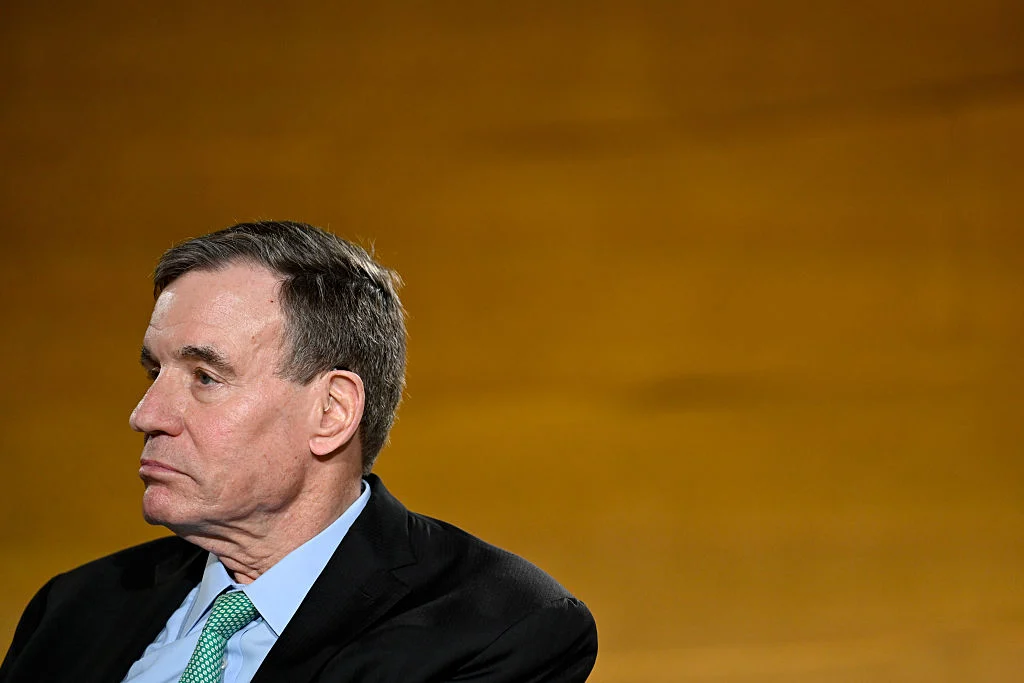
The burgeoning artificial intelligence revolution, while promising unprecedented advancements, is casting a long shadow of potential job displacement, a concern amplified by stark economic indicators and vocal warnings from industry leaders. Entry-level job postings in the United States have plummeted by a staggering 35% since 2023, a significant downturn that many attribute to the increasing capabilities of AI. This trend is further underscored by widespread layoffs across the Big Tech sector, a phenomenon that has become increasingly common in recent months. Even those at the forefront of AI development, such as Anthropic’s CEO Dario Amodei, are sounding the alarm, predicting an "unusually painful disruption" to the job market.
The palpable fear surrounding AI’s impact on employment was vividly illustrated at the Axios AI Summit in Washington. Senator Mark Warner (D-VA) shared an anecdote from a venture capitalist who confessed to writing down software investments to zero, largely driven by the rapid progress of AI models like Anthropic’s Claude. In a similar vein, a major law firm revealed to Warner that they are no longer hiring first-year associates, as AI has proven capable of handling a substantial portion of the tasks traditionally assigned to junior legal professionals. This sentiment of unease is not confined to specific sectors; it permeates discussions about the future of work across various industries.
While some data from AI companies suggests that AI has not yet begun to displace a significant number of jobs, the widespread anxiety is undeniable and is now bleeding into a critical debate about who should bear the financial responsibility for mitigating these potential consequences. Senator Warner has put forth a compelling proposal: taxing the massive data centers that form the backbone of the AI boom. The revenue generated from such a tax, he suggests, could be channeled into programs designed to support workers through this unprecedented economic transition. Although Warner has not yet introduced formal legislation, the urgency of his proposal is growing in tandem with escalating public apprehension towards both AI and the proliferation of data centers.
Across the United States, a significant backlash against the construction and operation of data centers is gaining momentum. This opposition is manifesting in various forms, including legislative efforts. Just recently, Senator Bernie Sanders (I-VT) and Representative Alexandria Ocasio-Cortez (D-NY) introduced a bill calling for a moratorium on new data center construction. The most vocal concerns from affected communities typically revolve around issues such as noise pollution, increased environmental impact, and the escalating costs of electricity driven by the immense power demands of these facilities. However, beneath these tangible grievances lies a deeper, simmering resentment – a resistance to enduring the negative externalities of infrastructure that powers technology many fear will render their livelihoods obsolete.
Senator Warner, however, does not align with the moratorium approach advocated by his colleagues. Speaking at the Axios AI Summit, he articulated his reasoning: "A data center moratorium simply means China is gonna move quicker, and this is one where we can’t lose." He emphasized that the integration of AI and data centers is an irreversible technological wave, akin to releasing a genie from its bottle. While Warner firmly believes in imposing stringent regulations to ensure that data centers do not burden local residents with their water and power costs, he also sees an opportunity for communities to extract a more substantial benefit, a "pound of flesh," as he put it, that directly addresses the underlying anxieties about job displacement.
The concept of extracting a "pound of flesh" from the tech industry to support affected communities is a notion that has been on Warner’s mind for some time. He mused to TechCrunch, "I’ve thought for a long time there’s an obligation from the industry to help figure this out and help pay for it, but one of the questions I was asking was, Who should pay?" He posed a critical question about the locus of responsibility, asking, "Should it be the chip makers, Jensen [Huang, Nvidia’s CEO]? Should it be the large language model companies? Should it be the Goldman Sachs of the world who are using these tools to cut back on a number of first-year associates?"
Ultimately, Warner concluded that the "easiest place to extract the pound of flesh is probably going to be from the data centers." This approach could manifest in various forms, such as earmarking tax revenue generated from data centers to fund vital retraining programs for emerging professions like nursing or to support AI upskilling initiatives. The overarching principle is to ensure a "tangible benefit to communities" as they navigate the profound economic shifts precipitated by the AI revolution, a transition, he argues, that has been largely "foisted on them" by the very companies driving the technological advancement.
Warner views his proposal as a means to strike a crucial balance: enabling the continued development and deployment of essential data center infrastructure while simultaneously acknowledging and addressing the societal obligation to communities that bear its operational costs and potential disruptions. He pointed to a compelling precedent in Henrico County, Virginia, where tax revenue generated from a local data center was strategically utilized to initiate a new affordable housing project. This example illustrates the potential for a symbiotic relationship between data center development and community well-being.
The success of such initiatives, Warner stressed, hinges on the ability to forge a clear and direct connection between data center operations and tangible community benefits. Without this linkage, he warned, "the pitchforks are coming out." This ominous prediction is not unfounded, as public sentiment increasingly reflects a growing skepticism and apprehension towards AI. A recent NBC News poll revealed that AI has a lower public approval rating than Immigration and Customs Enforcement (ICE), with a significant 46% of registered voters expressing negative views compared to a mere 26% holding positive opinions.
This prevailing public mood is already translating into concrete policy proposals. In Virginia, a state with one of the world’s largest data center markets, a legislative proposal has emerged to repeal the state’s tax breaks for data center buildouts. These incentives, while intended to attract investment, have cost the state and its localities nearly $2 billion annually in lost tax revenue. Warner suggests that other states grappling with similar economic and social trade-offs may soon follow suit.
The dual forces of AI and data centers, Warner observed, have become "easy to demonize" in the current climate. This demonization stems from a confluence of factors: the perceived threat of job loss, the environmental footprint of data centers, and a growing sense of disenfranchisement among communities feeling the brunt of technological progress without reaping its direct benefits. Warner’s proposed data center tax represents a pragmatic attempt to harness the economic power of this burgeoning industry to create a more equitable distribution of its societal impacts, ensuring that progress does not come at the undue expense of the workforce and local communities. The debate over how to manage the societal fallout of AI is far from over, and Warner’s proposal offers a potential framework for a more collaborative and fiscally responsible approach.