
 By admin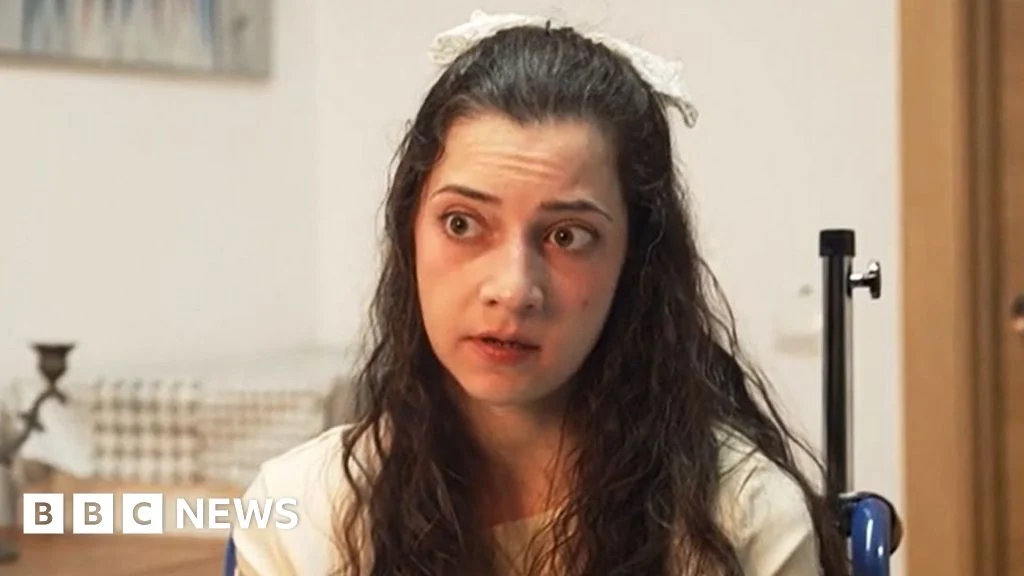
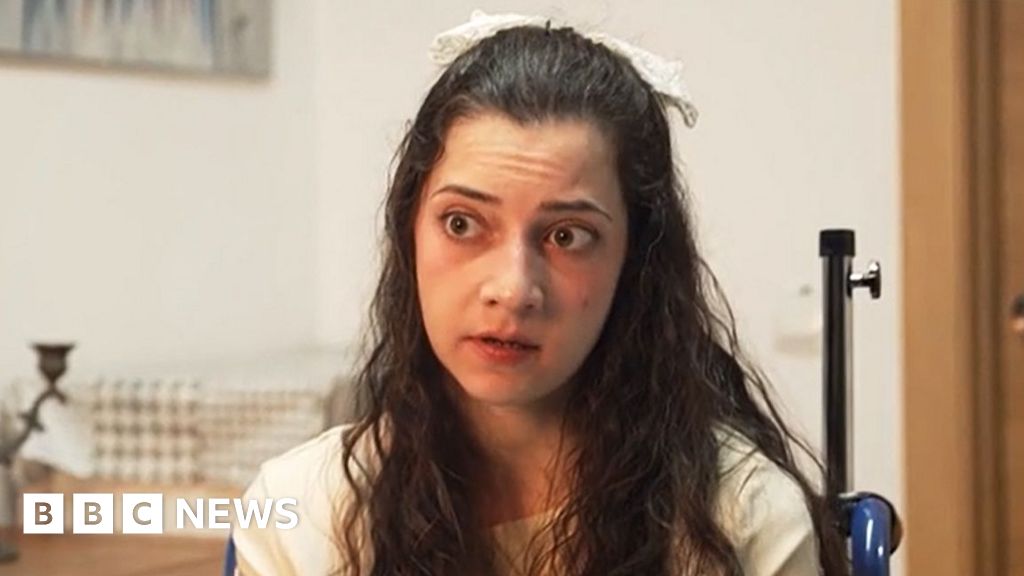
A poignant and deeply personal legal battle waged by a 25-year-old Spanish woman, Noelia Castillo, seeking the right to end her life, has concluded with her death by euthanasia on Thursday. Castillo, a resident of Barcelona, had been left paraplegic following a suicide attempt in 2022. Her case has thrust into the spotlight the complex ethical, legal, and familial challenges surrounding assisted dying, particularly when contested by close relatives.
The Catalan government had initially granted Castillo the right to assisted dying in the summer of 2024. However, this decision was controversially suspended at the eleventh hour due to legal objections lodged by her father, who was supported by the conservative advocacy group Christian Lawyers (Abogados Cristianos). The group’s stance was rooted in the argument that Castillo suffered from a personality disorder that impaired her judgment, thereby questioning her capacity to make such a profound decision. Furthermore, they invoked the state’s perceived "obligation to protect the lives of people, especially the most vulnerable, as is the case with a young person with mental health problems."
This legal impasse triggered an arduous 18-month legal struggle that ultimately reached the European Court of Human Rights (ECHR). The ECHR’s ruling, which favored Noelia Castillo, paved the way for her to finally exercise her right to die with dignity. On Thursday evening, Abogados Cristianos announced Castillo’s death via euthanasia on the social media platform X, stating that her case "highlights the serious flaws" within Spain’s existing euthanasia legislation.
In a candid interview with Spanish television earlier this week, Castillo expressed her anguish over her father’s persistent attempts to legally obstruct her decision. "He hasn’t respected my decision and never will," she stated, her voice tinged with resignation. She also bravely recounted the profound adversities of her upbringing, much of which was spent in care homes, a testament to a childhood marked by instability and hardship.
Castillo detailed harrowing experiences of sexual assault, including an incident involving her former boyfriend of four years, which occurred after she had taken sleeping pills to cope with insomnia. She also recounted another assault by multiple men in a nightclub. These experiences, she explained, contributed to a pervasive feeling of isolation throughout her life. She emphasized that she harbored no doubts about her decision to pursue euthanasia, driven by an overwhelming desire to escape her suffering.
"Nobody in my family is in favour," she admitted, her words carrying the weight of familial discord. "I am leaving and you are staying here with all the pain, but what about all the suffering I have endured over the years? I just want to leave in peace and stop the pain." Her plea underscored the deeply personal nature of her decision, asserting that her own pursuit of peace should not be secondary to the happiness of her family. She indicated that while her family would be permitted to bid her farewell, she wished for privacy with her doctor during the administration of the lethal injection.
In contrast to her father’s opposition, Castillo’s mother, Yolanda, while not in agreement with her daughter’s choice, stated that she "respected" it. This nuanced familial response highlights the diverse emotional landscapes often present in such profound life-and-death decisions.
Spain’s euthanasia law, enacted in 2021, permits individuals who meet strict criteria to request medical assistance to end their lives. This legislation was a landmark achievement for the country, reflecting a growing societal acceptance of the right to die with dignity. According to available government data, 426 requests for assisted dying were granted in 2024, underscoring the increasing utilization of this legal provision. Noelia Castillo’s case, however, stands out as the first instance where a euthanasia request escalated to a judicial decision, highlighting the complexities that can arise when familial objections are raised.
The legal battle surrounding Noelia Castillo’s right to euthanasia offers a crucial lens through which to examine the practical application and potential challenges of assisted dying legislation. Christian Lawyers, in their opposition, frequently cite religious and moral objections to euthanasia, often framing it as a violation of the sanctity of life. Their arguments often emphasize the potential for coercion or undue influence on vulnerable individuals, and the importance of palliative care and mental health support as alternatives. They also champion the state’s role in protecting life, particularly for those deemed most vulnerable.
Conversely, proponents of euthanasia, like Castillo herself, emphasize individual autonomy and the right of a person to make decisions about their own body and life, especially when facing unbearable suffering with no prospect of recovery. They argue that denying this option can prolong agony and deny a dignified end. The ECHR’s intervention in Castillo’s case suggests a recognition of the fundamental right to private life, which can encompass decisions about one’s own end when faced with extreme circumstances, as long as proper safeguards are in place.
The Spanish euthanasia law itself is designed with multiple safeguards to prevent abuse. These include rigorous medical assessments to confirm the patient’s condition and capacity, multiple requests from the patient, and a waiting period. The involvement of an independent review committee is also a crucial component. However, as Castillo’s case demonstrates, legal challenges, even after initial approval, can significantly delay or complicate the process. The prolonged legal battle undoubtedly added to Castillo’s distress, a factor that her supporters would argue further underscored the urgency of her request.
The broader societal implications of Castillo’s case are significant. It reignites the debate about the balance between individual liberty and the state’s interest in preserving life. It also raises questions about the role of religious and moral beliefs in shaping public policy and legal frameworks, particularly in a secular society. The case of Noelia Castillo is a stark reminder that while laws may provide a framework, the human element – encompassing love, grief, differing beliefs, and personal suffering – can create profound and often heart-wrenching complexities.
The story of Noelia Castillo is not just about a legal victory or defeat; it is a deeply human narrative of pain, resilience, and the ultimate quest for peace. Her passing, though tragic, marks the end of a long and arduous journey for bodily autonomy and the right to choose her final moments. It compels a continued societal dialogue on how best to support those who are suffering and how to navigate the deeply personal and often painful decisions that lie at the intersection of life, death, and dignity.
If you’ve been affected by the issues in this story, help and support is available via the BBC Action Line.