
 By admin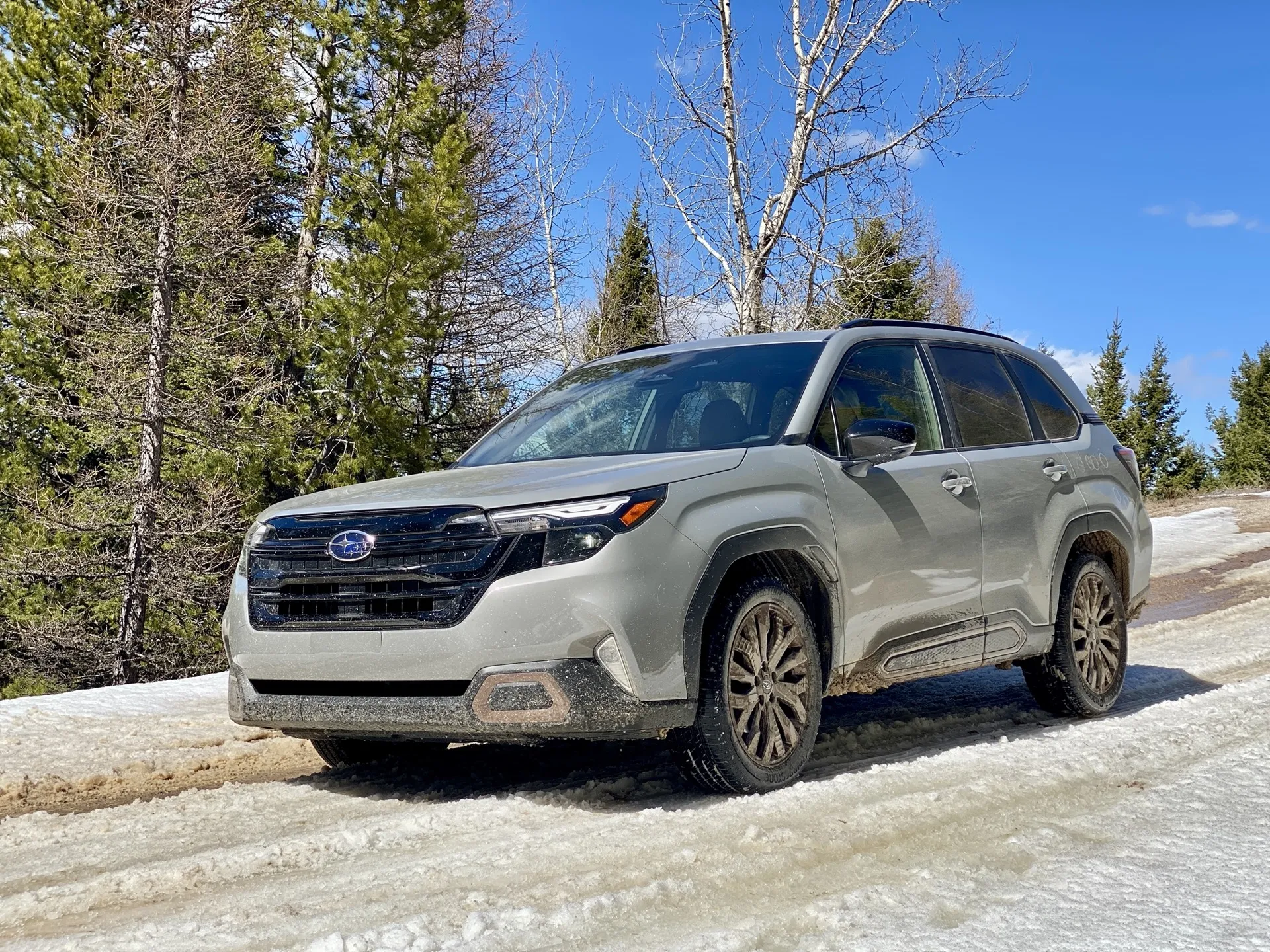
In a significant shift within the automotive industry’s reliability landscape, Subaru has officially dethroned perennial champions Toyota and its luxury marque, Lexus, to claim the coveted top spot in Consumer Reports’ annual brand reliability rankings. This landmark achievement, announced on a recent Thursday, marks the first time the relatively smaller Japanese automaker has surpassed its larger, historically dominant peers, which have long been synonymous with bulletproof dependability. The news sends ripples across the industry, particularly as Toyota navigates an aggressive strategy of comprehensive vehicle redesigns and a significant pivot towards advanced powertrains.
Consumer Reports, a highly respected independent non-profit organization renowned for its rigorous product testing and unbiased consumer advocacy, compiles its influential reliability report based on an exhaustive annual survey. This survey meticulously gathers data from hundreds of thousands of vehicle owners, encompassing models spanning an impressive range from the 2000 to 2024 model years. Owners are asked to report on 20 distinct "pain points" or problem areas experienced within their vehicles over the preceding 12 months. These issues range from major mechanical failures like transmission and electric motor glitches to more common, yet equally frustrating, problems related to climate controls, in-car electronics, touchscreen interfaces, and infotainment systems—the latter of which has consistently emerged as a significant source of owner dissatisfaction in modern vehicles. The depth and breadth of this data collection provide a comprehensive and robust foundation for assessing real-world vehicle performance and durability.
Subaru’s ascent to the pinnacle of reliability is largely attributed to a strategic approach that mirrors the very principles that kept Toyota and Lexus at the top for at least the past five years. The automaker has deliberately adopted a philosophy of making incremental updates and refinements, consistently utilizing proven, robust parts that are often shared across its existing lineup. This conservative, evolutionary design philosophy is evident in its redesigned vehicles, such as the forthcoming 2025 Subaru Forester. While such an approach has, at times, drawn criticism for its perceived lack of revolutionary design or rapid technological adoption – a critique Toyota itself faced before its recent brand overhaul – it has undeniably paid dividends in terms of sustained reliability. By eschewing radical changes and instead focusing on perfecting existing, well-understood platforms and components, Subaru has minimized the introduction of new, untested variables that often lead to unforeseen issues.
Conversely, Toyota has embarked on an ambitious and extensive brand overhaul in recent years, systematically redesigning nearly every vehicle in its vast and diverse lineup. This aggressive refresh cycle began notably with the 2022 Toyota Tundra pickup truck and has since extended across its expansive portfolio of sedans, crossover SUVs, trucks, and sports coupes, culminating most recently with the highly anticipated 2025 Toyota 4Runner SUV. The 4Runner, a long-standing icon in the SUV segment, had remained largely unchanged since its last redesign in 2010, making its latest iteration a dramatic departure after 15 years. This widespread modernization effort represents a strategic imperative for Toyota to remain competitive, particularly in terms of fuel efficiency, emissions standards, and advanced technological features.
A significant aspect of Toyota’s redesign strategy involves a wholesale shift in powertrain offerings, particularly within its popular SUV and truck segments. Many of these revamped models now feature more efficient, smaller displacement turbocharged and hybrid engines, replacing the larger, often emissions-endangered V-8 engines that had powered a substantial portion of the lineup for decades. While these new powertrains offer improved fuel economy and performance metrics, they also introduce a higher degree of complexity. It’s a widely acknowledged truism in the automotive world that "new cars usually mean new problems." The introduction of entirely new engine architectures, turbocharging systems, and sophisticated hybrid drivetrains, even from a manufacturer with Toyota’s engineering prowess, inherently carries a greater risk of initial teething problems compared to well-established, long-proven technologies.
In stark contrast to Toyota’s rapid evolution, Subaru has maintained a steadfast, almost stubborn commitment to its signature flat-4 "boxer" engine design, a hallmark of vehicles like the popular Subaru Crosstrek. This dedication to a familiar and highly refined engine architecture minimizes variables and leverages decades of engineering expertise. Furthermore, Subaru has largely lagged in widespread electrification, with the notable exception of the Subaru Solterra electric crossover, which was developed and built in partnership with Toyota. This conservative stance on electrification means that the majority of Subaru’s lineup avoids the novel complexities and potential reliability challenges associated with rapidly evolving electric vehicle (EV) components, battery systems, and charging infrastructure.
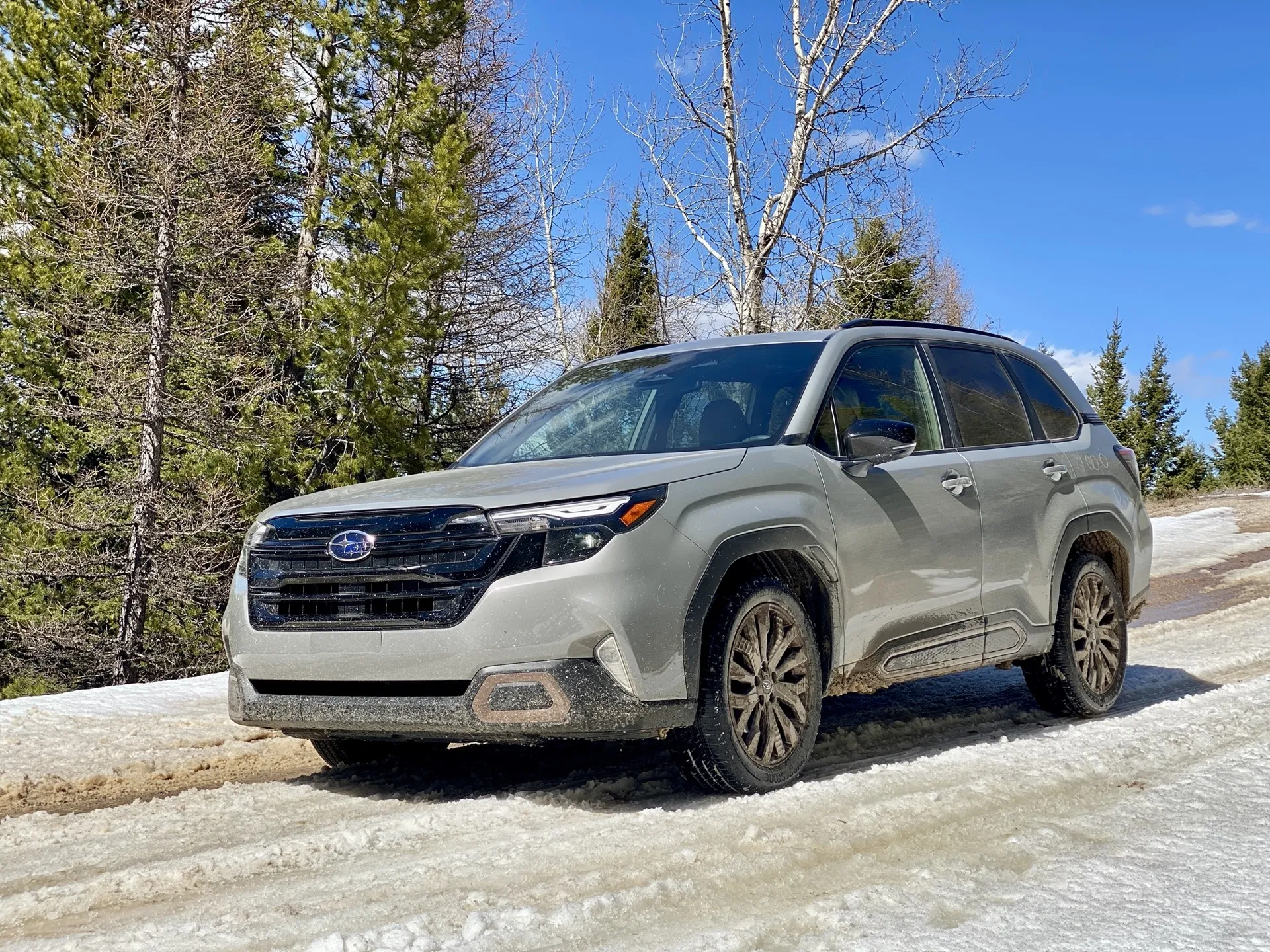
Consumer Reports assesses a brand’s overall reliability by factoring in the reported problems for each specific model within its lineup. A critical component of this methodology is the "predicted reliability score," which is an average derived from the past three years of a model’s performance, provided the model has not undergone a significant redesign during that period. This approach allows CR to gauge consistent, long-term dependability. Interestingly, the Subaru Solterra is the only model in Subaru’s current lineup to receive a below-average score for predicted reliability, highlighting the potential challenges even for reliable brands when venturing into new, complex technological territories, especially through partnerships.
The below-average ratings attributed to several of Toyota’s newly redesigned vehicles played a significant role in its overall reliability score dip. These included the redesigned Tundra, which has been beset by numerous issues since its 2022 launch, the new Tacoma midsize pickup truck, and the bZ4X EV, which shares its platform and many components with the aforementioned Subaru Solterra. The Tundra, in particular, has faced considerable scrutiny, with no fewer than 10 recalls issued since its 2022 model year debut. These persistent problems culminated in Toyota making the costly and highly unusual decision in July to replace more than 100,000 twin-turbo 3.5-liter V-6 engines in 2022-2023 Tundra and Lexus LX models due to manufacturing defects. While Consumer Reports clarifies that recalls themselves do not directly penalize a brand in its reliability ratings (as they represent a manufacturer’s proactive response to an issue), the underlying persistent problems that necessitate such drastic actions certainly do.
Despite these recent hiccups in its new SUV and truck lineup, Toyota’s fundamental engineering prowess and long-standing commitment to quality are still evident. The brand managed to secure a respectable third place overall, with Lexus closely behind in second, out of the 22 brands that qualified for ranking. It is worth noting that 15 other brands, ranging from Ram to Porsche, were not included in the rankings due to insufficient data, underscoring the stringent requirements for inclusion in Consumer Reports’ comprehensive analysis.
Jake Fisher, senior director of Consumer Reports’ Auto Test Center, emphasized the nuanced nature of reliability rankings. "While brand rankings can guide you to the showroom, it is critical to look at reliability for specific models before making a purchase decision," Fisher advised. "Even within high-ranking companies, there can be significant variation in reliability." This expert perspective reinforces the idea that a brand’s overall score is an aggregate and that individual model performance can diverge from the brand average, especially during periods of significant technological transition or redesign.
On a broader scale, the report reaffirmed a long-standing trend: Asian brands, as a collective, continue to outperform their German and domestic counterparts in overall reliability. Buick emerged as the highest-ranking domestic badge, securing an eleventh-place position, squarely in the middle of the pack. Buick’s relative success is often attributed to its adoption of a conservative, incremental approach to new models, mirroring the strategies of Subaru and the historically dominant Toyota. However, it’s an important distinction that nearly half of Buick’s models are manufactured in Asia, which likely contributes to its strong showing.
Other notable movements in the rankings included Mazda, which slipped to sixth place this year, primarily due to an increased number of reported problems with its new CX-90 plug-in hybrid. Hyundai also saw a dip, landing at tenth, attributed to ongoing issues with its Ioniq 5 electric crossover and transmission problems reported in the Santa Cruz small pickup. At the other end of the spectrum, Rivian, the burgeoning electric truck manufacturer, rated last for reliability. Owners reported a range of problems with its R1T pickup truck, from issues with paint and trim quality to more critical concerns related to EV charging systems, highlighting the significant challenges faced by new entrants in the complex automotive manufacturing landscape.
This year’s Consumer Reports reliability rankings serve as a powerful testament to the ever-evolving dynamics of the automotive industry. It underscores that even the most established leaders are not immune to the challenges inherent in rapid innovation and technological transition. Subaru’s ascent is a clear victory for a methodical, conservative approach to engineering, while Toyota’s slip, though minor in the grand scheme, offers a cautionary tale about the immediate reliability trade-offs that can accompany ambitious redesigns and powertrain overhauls. For consumers, the message remains clear: while brand reputation is a useful guide, diligent research into specific model reliability, especially as vehicle complexity continues to soar with advanced electronics and electrification, is more critical than ever.