
 By admin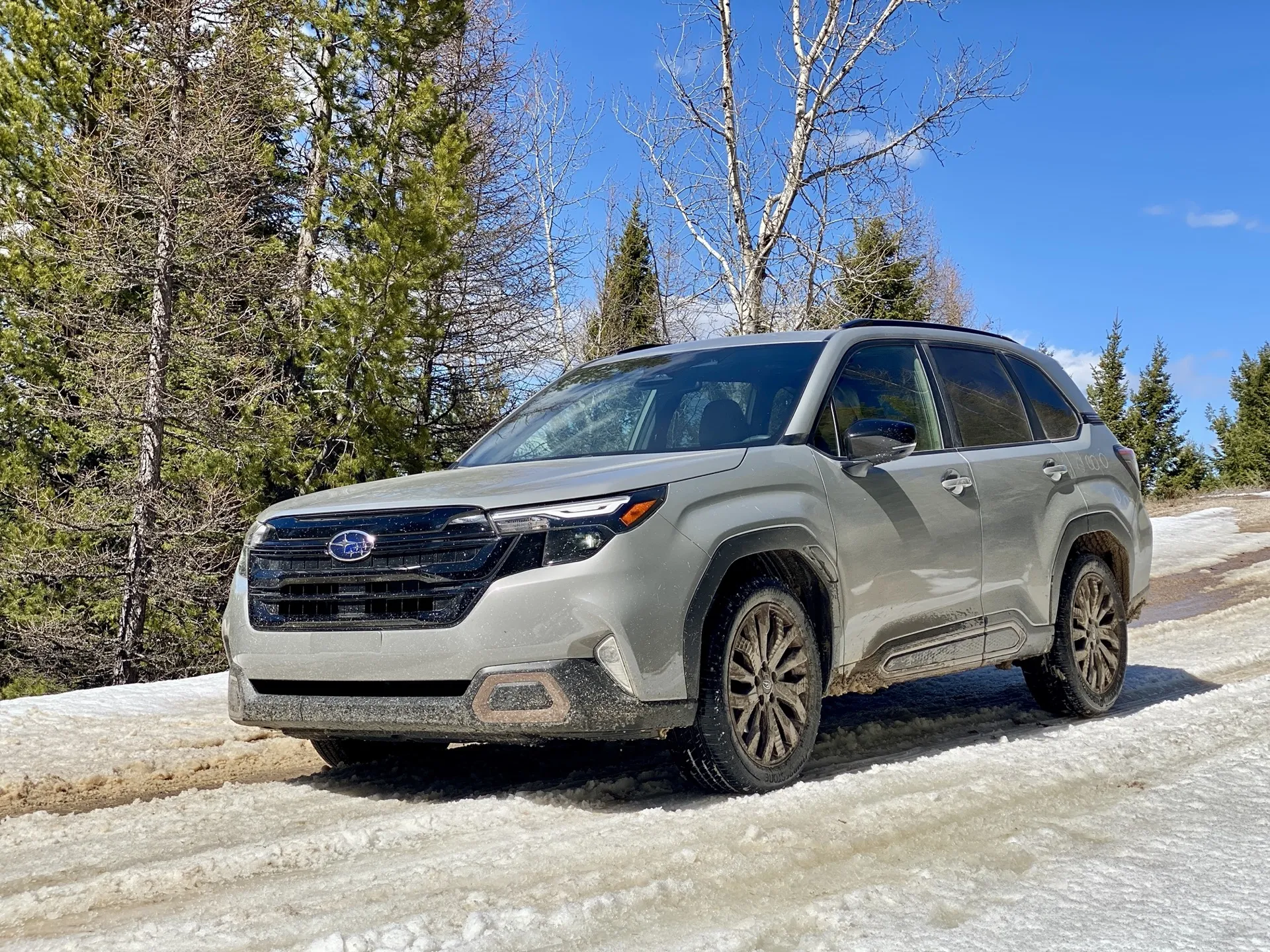
In a significant shake-up that underscores the evolving landscape of automotive engineering and consumer expectations, Subaru has ascended to the top spot in Consumer Reports’ annual reliability rankings, unseating long-time champions Toyota and its luxury marque, Lexus. This marks a historic first for the relatively smaller Japanese automaker, which has historically been known for its all-wheel-drive prowess and niche appeal, but rarely for outright reliability leadership over its larger, more dominant compatriots. The shift, detailed in a comprehensive report published Thursday, signals a crucial turning point for car manufacturers grappling with rapid technological advancements and the inherent challenges of introducing new designs and complex electronic systems.
For years, Toyota and Lexus have been synonymous with bulletproof reliability, consistently topping industry surveys and earning the trust of millions of drivers worldwide. Their reputation was built on a foundation of meticulous engineering, rigorous testing, and a conservative approach to design changes, often characterized by incremental updates using thoroughly proven components. This strategy allowed them to dominate sales charts with perennial bestsellers like the Toyota RAV4, establishing a benchmark for dependability. However, the latest Consumer Reports data suggests that even the most established leaders can falter when venturing into new technological frontiers.
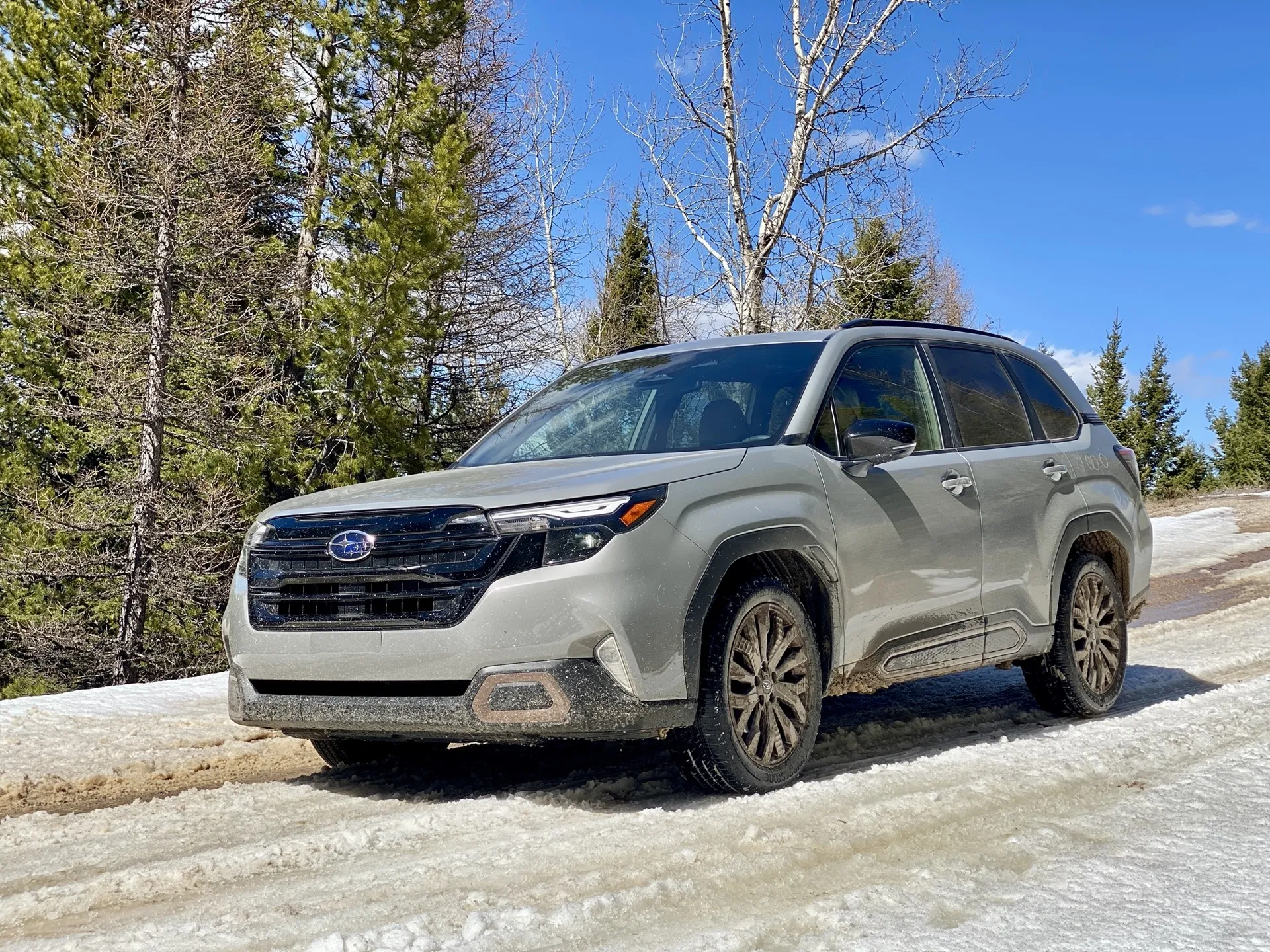
Subaru’s rise to prominence is largely attributed to its steadfast commitment to a proven, conservative engineering philosophy, mirroring the very strategy that kept Toyota and Lexus at the apex of reliability for at least the past five years. While other manufacturers rush to integrate cutting-edge, often untested, technologies, Subaru has opted for a more deliberate and measured approach. Their redesigned vehicles, exemplified by models like the 2025 Subaru Forester, embrace incremental updates and largely rely on parts and platforms that have demonstrated their durability and functionality across the brand’s lineup. This cautious methodology minimizes potential "pain points" for owners, focusing on refinement rather than revolution. A prime example of this is Subaru’s unwavering loyalty to its distinctive flat-4 boxer engine, a horizontally opposed power plant that has been a cornerstone of its vehicles, including the popular Subaru Crosstrek, for decades. This consistency in core powertrain technology, coupled with a slower adoption of extensive electrification (the notable exception being the Subaru Solterra electric crossover, a product of its partnership with Toyota), has insulated the brand from many of the teething issues plaguing competitors.
Consumer Reports’ annual survey is a monumental undertaking, gathering invaluable data from hundreds of thousands of vehicle owners. The survey spans an impressive range of model years, from 2000 to 2024, providing a longitudinal perspective on vehicle performance. Owners are asked to report on 20 possible "pain points" experienced in the previous 12 months. These issues cover a broad spectrum of a vehicle’s functionality, from fundamental mechanical components like transmissions and electric motors to increasingly complex modern systems such as climate controls and in-car electronics. The latter category, encompassing touchscreen interfaces and sophisticated infotainment systems, has emerged as a particularly persistent source of frustration for many new car owners across the industry. The sheer complexity and rapid evolution of these digital interfaces often lead to glitches, slow response times, and connectivity problems, significantly impacting the ownership experience and, consequently, reliability scores.
The Solterra, ironically, stands as a testament to the challenges of rapid technological integration, especially when venturing into new segments. As the lone Subaru model with a below-average predicted reliability score, its performance highlights the inherent risks associated with shared platforms and novel electric vehicle (EV) technologies. Consumer Reports calculates predicted reliability as an average score derived from the past three years of a model’s performance, provided it hasn’t undergone a significant redesign. This methodology allows the organization to identify trends and persistent issues, rather than isolated incidents.
Toyota’s slight but noticeable decline in the rankings can be directly attributed to its recent, ambitious product overhaul strategy. Starting with the redesigned 2022 Toyota Tundra pickup truck, the company has embarked on a comprehensive modernization effort, touching nearly every vehicle in its vast portfolio of sedans, crossover SUVs, trucks, and sports coupes. This aggressive redesign cycle culminated with the highly anticipated 2025 Toyota 4Runner SUV, a model that had remained largely unchanged since its last redesign in 2010 – an eternity in automotive terms. Fifteen years of technological advancement means "so much has changed," and with those changes come new complexities and potential vulnerabilities.
Many of Toyota’s new SUV and truck offerings now feature more efficient, smaller displacement turbo and hybrid engines, replacing the larger, often "emissions-endangered V-8s" that had powered its lineup for so long. While these new powertrains offer improved fuel economy and reduced emissions, they also introduce new layers of engineering complexity. The automotive adage, "new cars usually mean new problems," has proven particularly relevant in Toyota’s case. The redesigned Tundra, for instance, has been plagued by significant issues, including a staggering 10 recalls since its 2022 launch. Most notably, Toyota made the costly decision in July to replace over 100,000 twin-turbo 3.5-liter V-6 engines in 2022-2023 Tundra and Lexus LX models due to manufacturing defects. While Consumer Reports clarifies that recalls themselves do not directly penalize a brand in its reliability ratings (as they represent manufacturer-initiated fixes), the persistent underlying problems that necessitate such recalls certainly do. Below-average ratings for the Tundra, the new Tacoma midsize pickup truck, and the bZ4X EV (which shares its platform with the Subaru Solterra) collectively contributed to the dip in Toyota’s overall reliability standing.
Despite these recent hiccups, it is crucial to maintain perspective. Toyota still ranked an impressive third, and Lexus a remarkable second, among the 22 brands evaluated for reliability. This demonstrates the enduring strength of their core engineering and manufacturing prowess, even as they navigate the challenges of innovation. Fifteen brands, including notable names like Ram and Porsche, were not ranked due to insufficient data, often because they have fewer models on the market or their models haven’t been out long enough to gather comprehensive owner feedback.
Jake Fisher, senior director of Consumer Reports’ Auto Test Center, emphasized the nuanced nature of these rankings, stating, "While brand rankings can guide you to the showroom, it is critical to look at reliability for specific models before making a purchase decision. Even within high-ranking companies, there can be significant variation in reliability." This expert advice underscores the fact that a brand’s overall score is an aggregate, and individual models within that brand can perform exceptionally well or, conversely, struggle. For example, a brand might have an excellent reputation, but a newly introduced or significantly redesigned model could present unforeseen issues, as seen with Toyota’s Tundra or Subaru’s Solterra. Consumers are therefore encouraged to delve into model-specific reliability data, consulting resources like Consumer Reports’ detailed model breakdowns, to make the most informed purchasing decisions.
A broader look at the industry reveals a continued pattern: Asian brands, collectively, fared significantly better in reliability than their European and domestic counterparts, with German brands generally ranking second. Among domestic automakers, Buick emerged as the highest-ranking badge, securing an eleventh-place spot squarely in the middle of the rankings. Buick’s success is noteworthy, as it too adopts a conservative, incremental approach to new models, echoing the strategies of Subaru and the historically successful Toyota. Interestingly, half of Buick’s models are manufactured in Asia, suggesting a potential benefit from established Asian production quality and processes.
Other notable movements in the rankings include Mazda, which slipped to sixth place, primarily due to an increase in reported problems with its CX-90 plug-in hybrid model. Hyundai also saw a decline, dropping to tenth, attributed to continued issues with its Ioniq 5 electric crossover and persistent transmission problems affecting the Santa Cruz small pickup. These examples further illustrate the challenges associated with introducing new powertrain technologies (PHEV, EV) and complex mechanical systems (transmissions) in rapidly evolving product lines.
At the very bottom of the reliability list was Rivian, which rated last among all brands. Owners of the Rivian R1T pickup truck reported a range of problems, from relatively minor issues like paint and trim imperfections to more critical concerns related to EV charging systems. Rivian, as a relatively new entrant to the automotive market, is grappling with the complexities of scaling production and refining its vehicles, a common hurdle for startups. Their position highlights the stark difference in reliability between established manufacturers with decades of experience and newer players still finding their footing.
The current reliability landscape is a fascinating study in contrasts. On one hand, brands like Subaru demonstrate the enduring value of a conservative, incremental approach, prioritizing proven technology and meticulous refinement. Their success underscores that, for many consumers, predictable performance and low ownership costs remain paramount. On the other hand, industry giants like Toyota are navigating the difficult transition to new powertrains and advanced digital interfaces. Their recent struggles, while temporary, serve as a potent reminder that innovation, while necessary for progress, often comes with an initial reliability penalty. The rapid adoption of electrification across the industry is another critical factor influencing these trends. New EV platforms, battery technologies, and charging systems, while promising, introduce entirely new sets of potential problems that engineers are still working to resolve. Similarly, the increasing reliance on complex software and touchscreen-centric infotainment systems continues to be a widespread "pain point," often overshadowing mechanical reliability in consumer frustration.
Ultimately, the Consumer Reports findings reinforce the idea that car reliability is a dynamic and multifaceted concept, continually shaped by technological advancements, design philosophies, and manufacturing processes. For consumers, the message is clear: while brand reputation offers a useful starting point, diligent research into specific models, particularly those featuring new technologies or recent redesigns, is more critical than ever in an automotive world undergoing rapid transformation. The era of unquestioned dominance by a single brand, even one as revered as Toyota, may well be giving way to a more competitive and fluid hierarchy of dependability.