
 By admin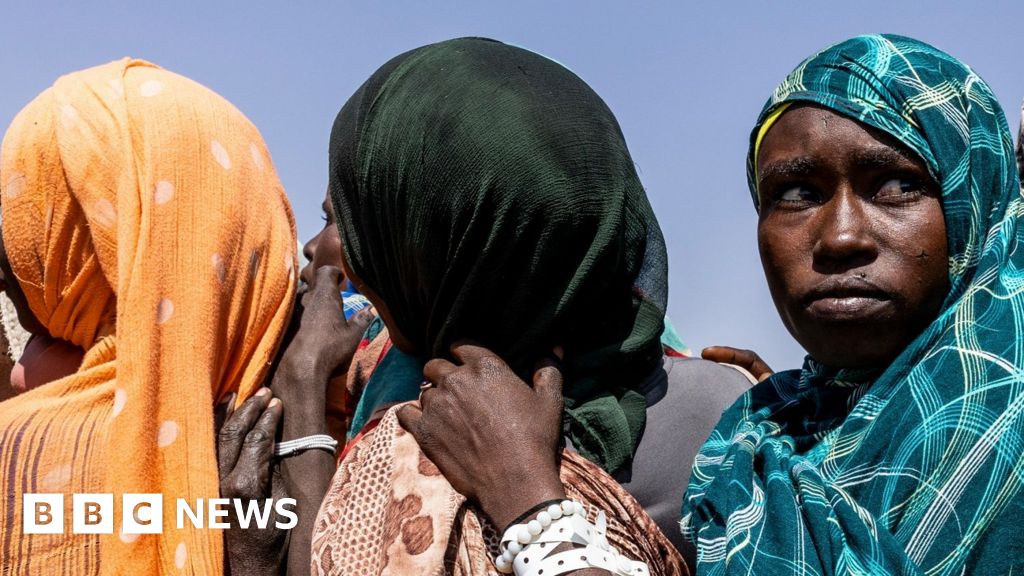
More than 6,000 people were brutally killed in a mere three days when Sudan’s paramilitary Rapid Support Forces (RSF) seized control of the strategic city of el-Fasher last year. This devastating toll, revealed in a United Nations report and corroborated by victims and witnesses, paints a grim picture of the escalating violence that continues to grip Sudan. The report details horrific scenes, with one survivor recounting, "It was like a scene out of a horror movie," after witnessing RSF fighters open fire on approximately 1,000 individuals seeking refuge in a university building in October. The RSF has not yet officially commented on the findings of this latest report, though they have previously denied similar accusations of atrocities.
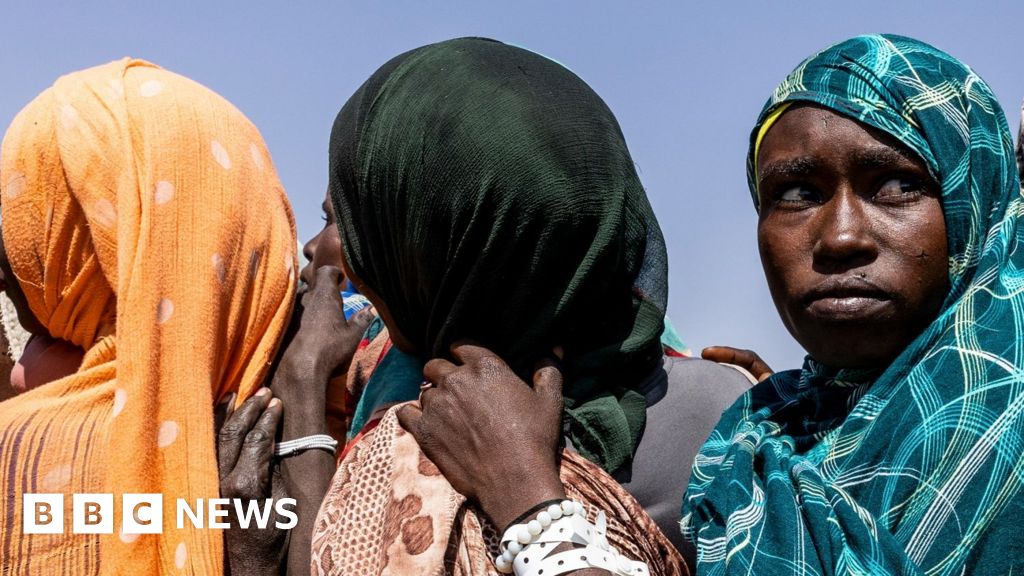
The conflict in Sudan, an almost three-year-long power struggle between the regular Sudanese Armed Forces (SAF) and the RSF, has plunged the nation into a devastating civil war. The human cost has been catastrophic, with hundreds of thousands of lives lost and over 13 million people forcibly displaced from their homes. The scale of suffering is further amplified by widespread sexual violence, which is being systematically employed as a weapon of war against men, women, and children. Both the RSF and the SAF have been implicated in grave human rights abuses and alleged war crimes, underscoring the deep-seated brutality that characterizes this conflict.
The United States and Human Rights Watch have presented evidence suggesting that the RSF and its allied forces have engaged in acts of genocide in the western Darfur region, targeting the Massalit people and other non-Arab communities. While recent UN reports have been more cautious in their terminology, stopping short of labeling the violence as genocide, the sheer scale of documented atrocities raises serious concerns about the systematic nature of the attacks. El-Fasher, a vital city in the Darfur region, bore the brunt of an 18-month-long siege, and it has become a focal point for some of the most harrowing testimonies to emerge from this protracted conflict.
The UN Human Rights Office meticulously gathered testimony from over 140 victims and witnesses, conducting interviews in Sudan’s Northern state and in refugee camps in eastern Chad in late 2025. The findings of these investigations are stark. In the initial days of the assault on el-Fasher, the UN documented that "at least 4,400 people were killed" within the city itself. The carnage did not end at the city limits, as "over 1,600 others along exit routes as they fled" were also tragically lost. The report grimly acknowledges that "The actual scale of the death toll during the week-long offensive is undoubtedly significantly higher," suggesting that the documented figures represent a conservative estimate of the true human cost.
In response to the escalating violence and documented human rights violations, the UN Human Rights Chief, Volker Türk, has reiterated urgent calls for all parties involved in the Sudanese conflict to cease the grave violations perpetrated by forces under their command. The international community is increasingly exerting pressure on the external actors supporting this devastating conflict to disengage. Notably, the United Arab Emirates (UAE) has denied widespread allegations that it serves as the primary supplier of arms to RSF fighters, a claim that, if substantiated, would implicate the nation in prolonging the bloodshed.
The United Kingdom has taken a decisive step by imposing sanctions on six key individuals identified as fuelling Sudan’s war. These sanctions target senior commanders within both the Sudanese army and the RSF, as well as three foreign nationals allegedly responsible for recruiting Colombian mercenaries to fight alongside the RSF. Foreign Secretary Yvette Cooper emphasized the UK’s commitment to addressing the crisis, stating, "The UK has extremely strong controls on arms exports, including to prevent any diversion. We will continue to take that immensely seriously." This move signals a growing international resolve to hold accountable those who profit from and perpetuate the violence in Sudan.
Adding another layer of complexity to the political landscape, a coalition linked to the RSF, known as the Sudan Founding Alliance, has announced plans to establish a rival Sudanese government based in the western part of the country. This proposed move has been met with strong disapproval from the African Union, which has warned that such an action would severely jeopardize any prospects for national unity and reconciliation. The international community is largely unified in its stance that a fragmented Sudan would exacerbate the ongoing humanitarian crisis and hinder efforts towards a lasting peace.
The ongoing crisis in Sudan is not only a humanitarian catastrophe but also a complex geopolitical entanglement with significant regional and international implications. The protracted conflict has destabilized the Horn of Africa, contributing to a growing refugee crisis and fueling regional tensions. The strategic importance of Sudan, situated at the crossroads of Africa and the Middle East, further elevates the stakes of the conflict. The international response, while increasingly vocal, has struggled to translate into tangible de-escalation on the ground, leaving millions caught in the crossfire.
The role of external actors in supplying arms and providing political support to the warring factions remains a critical point of contention. Allegations of foreign involvement, particularly concerning the supply of weapons and logistical support, have been a persistent feature of the conflict. These external influences complicate efforts to broker peace and hold perpetrators of atrocities accountable. The international community faces the daunting task of navigating these complex relationships while prioritizing the protection of civilians and the promotion of a peaceful resolution.
The UN’s involvement, through its various agencies and humanitarian programs, is crucial in providing life-saving assistance to the millions affected by the conflict. However, the sheer scale of the humanitarian needs often outstrips the available resources and access. Humanitarian corridors are frequently blocked or attacked, hindering the delivery of essential aid, including food, medicine, and shelter. The resilience of the Sudanese people in the face of such immense hardship is remarkable, yet their suffering continues unabated.
The long-term implications of the conflict for Sudan’s development and stability are profound. The destruction of infrastructure, the displacement of a significant portion of the population, and the disruption of economic activity have set the country back decades. Rebuilding Sudan will require a sustained and comprehensive international effort, focusing not only on humanitarian aid but also on long-term development, good governance, and reconciliation. The path to recovery will be arduous, demanding political will, international cooperation, and a genuine commitment to peace from all parties involved.
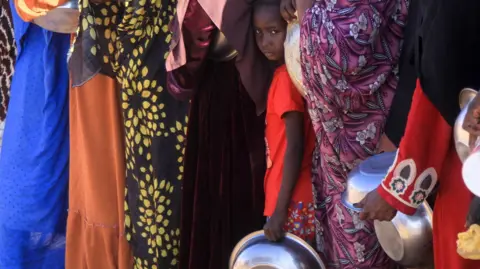
Amidst this profound crisis, the BBC World Service is actively engaged in supporting children in Sudan and other Arabic-speaking countries who are facing significant barriers to education. The launch of a new season of the Arabic edition of its award-winning educational program, "Dars" (Lesson), underscores this commitment. The program aims to provide vital learning opportunities to children who are denied or restricted from accessing education due to conflict and displacement. The first episode aired on Saturday, January 24th, on BBC News Arabic TV, with weekly broadcasts and subsequent repeats available across various platforms, including the BBC News Arabic YouTube channel. This initiative highlights the importance of education as a crucial tool for empowering future generations and fostering resilience in the face of adversity. The educational outreach, while a beacon of hope, also serves as a stark reminder of the broader challenges faced by Sudan’s children, many of whom have known nothing but war and displacement.
The UN Human Rights Chief’s renewed calls for an end to the grave violations serve as a critical reminder of the international legal frameworks designed to protect civilians during armed conflict. The Geneva Conventions and other international humanitarian laws are being flagrantly disregarded by those perpetrating these atrocities. Accountability for war crimes and crimes against humanity is paramount for achieving lasting justice and preventing future atrocities. The international community must ensure that perpetrators are brought to justice, regardless of their position or affiliation.
The proposed rival government by the Sudan Founding Alliance further complicates the diplomatic landscape. Such moves, driven by the RSF’s ambition to solidify its territorial gains and political influence, are seen by many as a deliberate attempt to fragment the nation and undermine any potential for a unified and democratic Sudan. The African Union’s firm rejection of these plans reflects a broader regional consensus against secessionist tendencies and a commitment to preserving Sudan’s territorial integrity.
The international community’s efforts to mediate an end to the conflict have so far yielded limited success. Multiple rounds of peace talks have failed to achieve a lasting ceasefire or a comprehensive political settlement. The deep-seated mistrust between the SAF and the RSF, coupled with the complex web of regional and international interests involved, presents significant obstacles to peace. However, the continued international pressure, including sanctions and diplomatic engagement, remains a critical tool in pushing for a cessation of hostilities and a return to meaningful dialogue.
The future of Sudan hangs precariously in the balance. The documented atrocities in el-Fasher and the ongoing violence across the country underscore the urgency of the situation. Without a concerted and sustained effort from all stakeholders, including the warring parties, regional powers, and the international community, the cycle of violence is likely to continue, with devastating consequences for the Sudanese people and the wider region. The fight for Sudan’s soul is far from over, and the path to peace and stability remains fraught with peril. The international community’s unwavering commitment to supporting the Sudanese people in their quest for a peaceful and prosperous future is more critical now than ever before.