
 By admin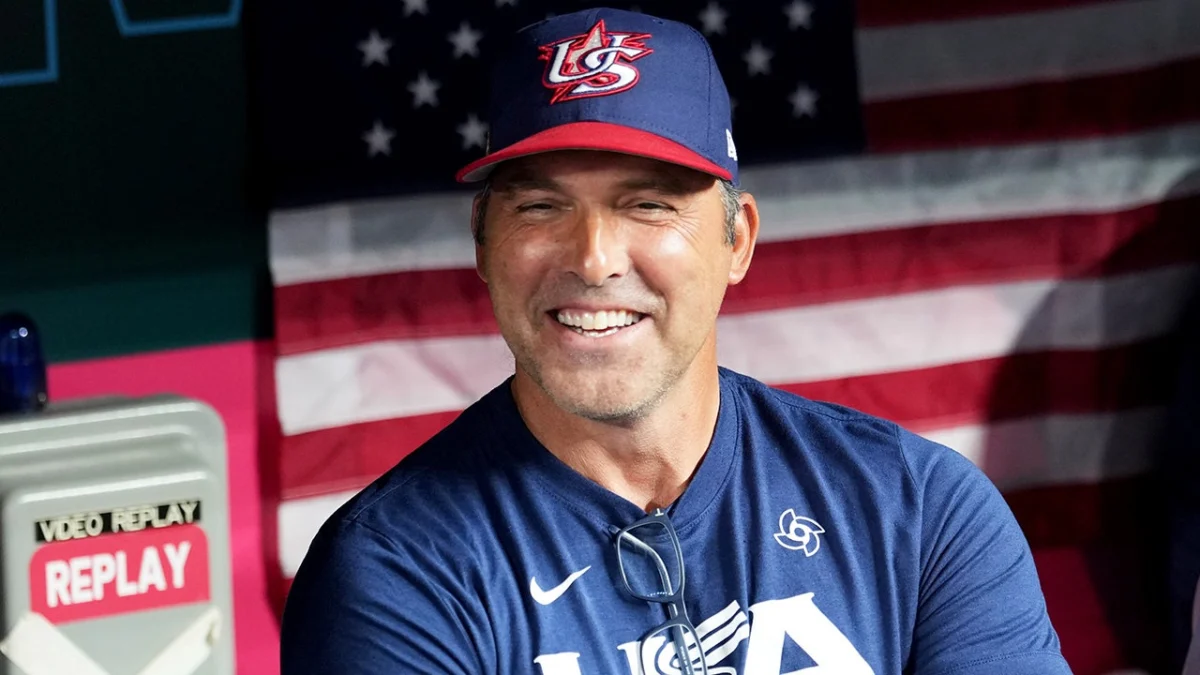
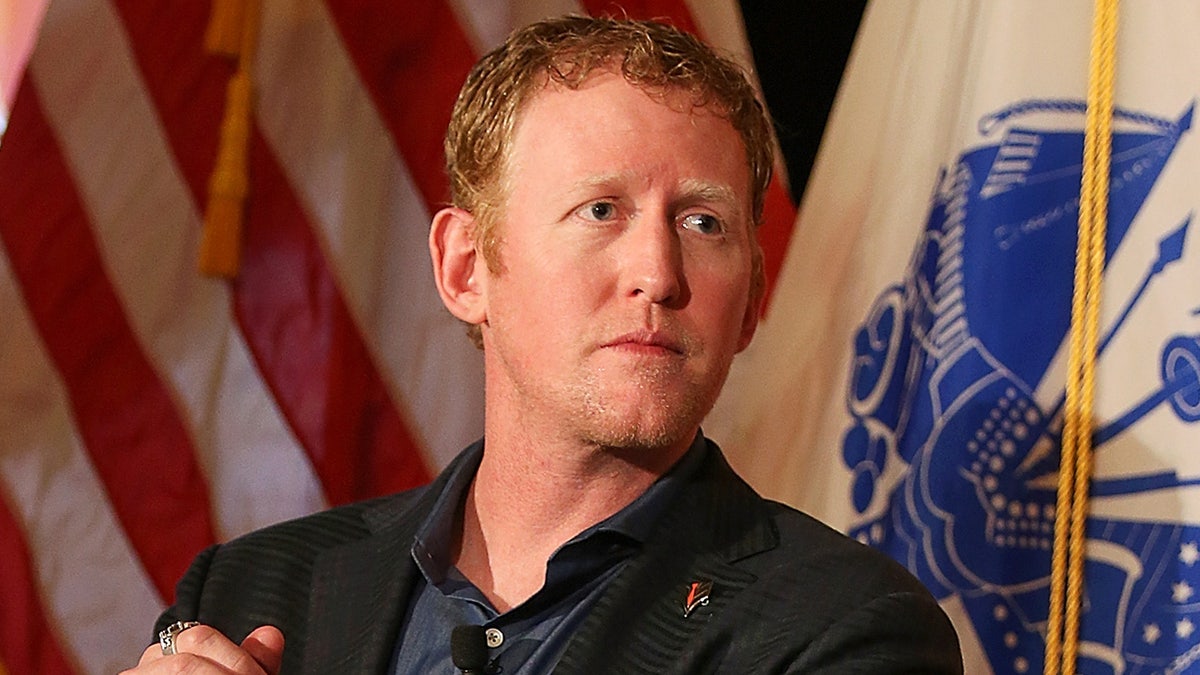
The decision by Mark DeRosa, manager of the United States team in the World Baseball Classic (WBC), to invite Robert J. O’Neill, the U.S. Navy SEAL credited with firing the shots that killed terrorist Osama bin Laden, to address his players has ignited a firestorm of online commentary. While O’Neill’s presence in the locker room was intended to provide inspiration and context for the team’s pursuit of international baseball supremacy, it has unfortunately drawn criticism from some quarters, leading DeRosa to publicly defend his choice and elaborate on the motivational strategy behind it.
O’Neill’s address to the team reportedly occurred a few days prior to the United States’ crucial quarterfinal victory over Canada. This timing, while seemingly intended to bolster morale before a critical juncture in the tournament, has become a focal point for those scrutinizing the team’s decision-making. The ensuing social media reaction, characterized by what some have termed a "meltdown," highlights the polarized nature of public opinion surrounding figures like O’Neill and the intersection of military service, national pride, and sporting events.
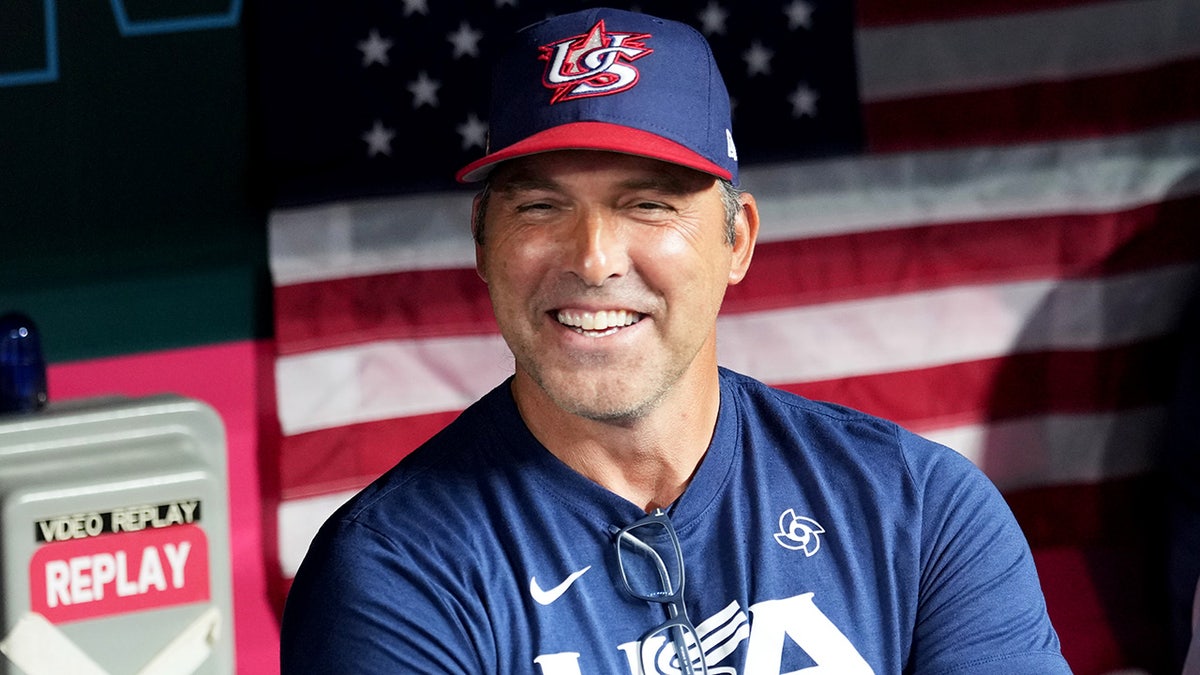
DeRosa, speaking ahead of the team’s semifinal clash against the Dominican Republic, clarified that O’Neill’s visit was not immediately before the Canada game, as some reports suggested. "That was my decision to bring him in," DeRosa stated, as reported by Defector. "He was brought in, actually, a couple of days in Houston. It wasn’t before the Canada game." This distinction, while subtle, aims to recalibrate the narrative and emphasize that the veteran SEAL’s message was integrated into the team’s broader preparation rather than being a last-minute Hail Mary.
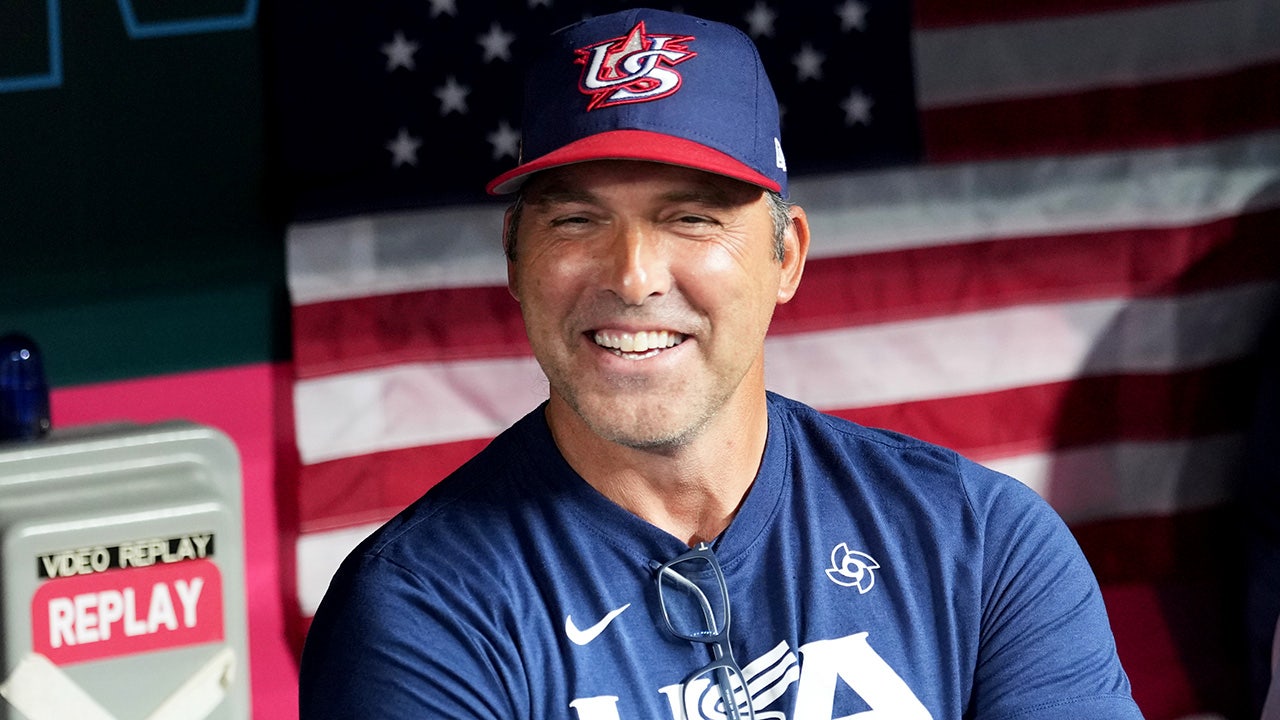
The core of DeRosa’s explanation revolves around the concept of "why." He emphasized the importance of reminding the athletes of the deeper meaning behind their participation in the WBC, especially when representing their nation on a global stage. "I think for me there has to be… you never want it to get lost why you’re doing this," DeRosa articulated. He drew a parallel to the commitment of service members, quoting Paul Skenes, a prominent player on the team, who had reportedly expressed his motivation for joining the WBC. Skenes’ sentiment, as relayed by DeRosa, was, "I want to do this for every service man and woman that protects our freedom. That’s why we wear USA across our chest."
This connection between athletic endeavor and national service is central to DeRosa’s rationale. The WBC, by its very nature, is a tournament where national pride takes center stage. Players are not just competing for individual glory or team championships; they are embodying their countries, and for the United States team, this includes a symbolic representation of the nation’s values and the sacrifices made to uphold them. DeRosa aimed to leverage O’Neill’s unique experience and profound connection to national security to underscore this point.
"I just thought it would be like a time to kind of redirect and get those guys to understand that, although this is an unbelievable event and you get a chance to share a locker room with the game’s greats, there’s a reason why you’re doing it and a reason why people protect our freedom at night," DeRosa explained. His intention was to foster a sense of gratitude and responsibility among the players, linking their pursuit of a WBC title to the broader context of national defense and the freedoms that allow such sporting events to flourish. It was, in essence, an attempt to imbue the team’s performance with a sense of purpose that transcended the game itself.
The choice of Robert O’Neill is undeniably significant. His role in the raid that culminated in the death of Osama bin Laden, the architect of the September 11th attacks, places him at the forefront of a pivotal moment in modern American history. For many, O’Neill is a symbol of American resolve and decisive action against terrorism. Inviting him to speak to the team was likely intended to tap into this potent symbolism, to inspire a similar sense of determination and commitment in the WBC squad.
However, the selection also inevitably invites controversy. O’Neill’s public profile, while celebrated by some, is also a source of contention for others. Critics often point to the complex geopolitical implications of military actions and the differing perspectives on figures involved in such operations. The "liberal backlash" mentioned in some reports likely stems from these broader societal debates, where the glorification of military figures involved in controversial conflicts can be viewed critically. The argument often posits that while acknowledging the service of military personnel is important, celebrating individuals involved in specific, highly debated operations can be divisive.
This incident underscores a recurring theme in American culture: the intertwined nature of patriotism, military service, and public discourse. Sporting events, particularly those with an international and nationalistic component like the WBC, often become platforms where these themes are explored and debated. DeRosa’s decision, therefore, can be seen as an attempt to harness the powerful imagery of national defense to motivate his team, but it also inadvertently placed the team, and by extension the WBC, into the crosshairs of broader political and social discussions.
Adding another layer to the team’s motivational efforts, DeRosa also revealed that USA hockey hero Jack Hughes, instrumental in securing a gold medal at the Olympics with a game-winning goal against Canada, had also reached out to the American baseball players. This suggests a broader strategy by DeRosa to connect his team with other successful American athletes who have experienced the pressure and triumph of international competition. The inclusion of Hughes, a celebrated figure in a sport that commands significant national attention, provides a different but equally potent source of inspiration, focusing on athletic excellence and championship pedigree.
The United States team, after defeating Canada in the quarterfinal, went on to achieve a significant victory over the Dominican Republic, securing their place in the World Baseball Classic final. This progression through the tournament can be seen as a testament to the team’s resilience and performance on the field, regardless of the external controversies surrounding their motivational tactics. Whether O’Neill’s presence had a direct, measurable impact on their on-field success is difficult to quantify, but DeRosa’s intent was clearly to foster a mindset conducive to victory, one that embraced national pride and a deep understanding of the sacrifices that enable such opportunities.
The narrative surrounding O’Neill’s visit is a complex one, highlighting the challenges faced by team leaders in balancing motivational strategies with the potential for public scrutiny. DeRosa’s defense of his decision, rooted in the idea of connecting athletic achievement with national service and the protection of freedom, offers a clear insight into his leadership philosophy. As the United States team continues its pursuit of the WBC title, the discussions surrounding O’Neill’s appearance serve as a reminder of the broader societal conversations that often accompany moments of national pride and athletic competition. The ultimate success of the team, measured by their performance on the diamond, will likely overshadow the online debates, but the underlying tensions revealed by this incident will continue to resonate. The inclusion of figures like O’Neill in a sporting context is a calculated risk, one that aims to tap into powerful symbols of national identity but also opens the door to diverse and often contentious interpretations.