
 By admin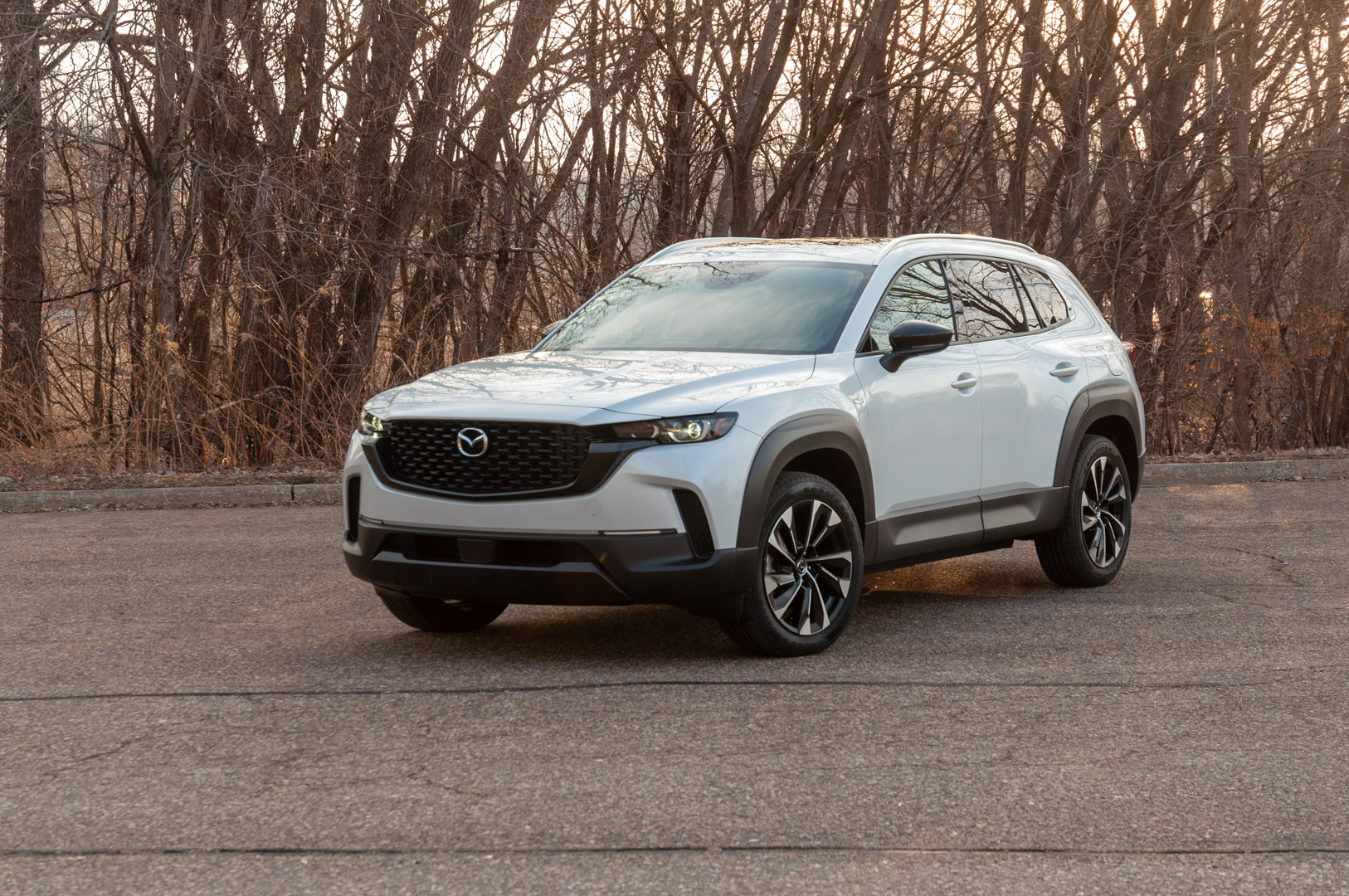
Mazda, a brand often lauded for its "Jinba Ittai" philosophy—the harmonious connection between driver and car—has historically prioritized engaging driving experiences and premium interior craftsmanship. The CX-50 itself was introduced as a more adventure-oriented counterpart to the popular CX-5, boasting a wider stance, increased ground clearance, and a more robust aesthetic designed to appeal to buyers seeking an active lifestyle vehicle. However, the integration of a hybrid powertrain, particularly one sourced from Toyota, introduces a new dynamic that some fear dilutes the Mazda essence. The collaboration with Toyota, a strategic move to quickly bring hybrid technology to market, was expected to combine Mazda’s design and driving feel with Toyota’s proven hybrid efficiency. The result, however, leaves some critics feeling that the CX-50 Hybrid sacrifices too much of the former for the sake of the latter.
Despite the critical reservations, the 2025 Mazda CX-50 Hybrid undoubtedly makes a strong practical case, especially in a market increasingly demanding fuel efficiency without sacrificing SUV versatility. With rising fuel prices and growing environmental consciousness, a hybrid variant was a logical, if not essential, addition to the CX-50 lineup. It aims to deliver better fuel economy than its gasoline-only siblings, with sufficient power for daily commuting and weekend adventures. Yet, the initial reviews highlight that the packaging—particularly the seating arrangement—remains as flawed as in the non-hybrid CX-50, and surprisingly, the powertrain itself introduces unexpected refinement issues that detract from the overall experience. A comprehensive evaluation, including a week of suburban shuttling and a family road trip, reveals both the triumphs and tribulations of this new hybrid offering.
Pro: The Hybrid is the Most Efficient 2025 Mazda CX-50 Model
The primary objective of any hybrid vehicle is superior fuel efficiency, and in this regard, the 2025 Mazda CX-50 Hybrid delivers. It stands as the most fuel-efficient option within the entire CX-50 lineup, a crucial selling point in today’s market. The heart of this efficiency comes from a sophisticated powertrain borrowed directly from the highly successful Toyota RAV4 Hybrid. This system ingeniously combines a 2.5-liter inline-4 engine with a planetary torque-split hybrid system that incorporates two electric motors. For enhanced traction and capability, an additional 54-horsepower electric motor is strategically placed at the rear wheels, effectively providing an all-wheel-drive configuration. Powering these electric motors is a 1.59-kWh nickel-metal-hydride battery pack, a robust and proven technology. The combined output of this system is a respectable 219 horsepower and 163 lb-ft of torque, offering ample power for most driving scenarios without being overly aggressive.

The official EPA ratings underscore its efficiency advantage: 39 mpg in the city, 37 mpg on the highway, and a combined 38 mpg. To put this into perspective, these figures represent a significant improvement over the standard gasoline-powered CX-50, which achieves 25 mpg city, 31 mpg highway, and 28 mpg combined. The difference is even more pronounced when compared to the more powerful turbocharged CX-50, rated at 23 mpg city, 29 mpg highway, and 25 mpg combined. For buyers prioritizing reduced trips to the gas station, the hybrid is the clear winner.
However, real-world driving conditions often present a different picture than laboratory-tested EPA figures. During the review period, which included approximately 190 miles of mixed suburban driving, the trip computer indicated an average of 34.0 mpg. While this falls short of the EPA’s combined rating, it still represents a substantial improvement over the non-hybrid models. On a subsequent 120-mile highway stretch, maintaining speeds above 70 mph, the CX-50 Hybrid averaged 31.2 mpg. This highway figure, while lower than the EPA’s 37 mpg highway rating, is still commendable for a compact SUV of its size and capability. Factors such as driving style, terrain, ambient temperature, and cargo load can all influence real-world fuel economy. Despite these slight discrepancies, the hybrid remains the most economical choice in the CX-50 family, offering tangible savings at the pump. This efficiency also positions the CX-50 Hybrid competitively against other hybrid SUVs in its class, such as the Honda CR-V Hybrid and Kia Sportage Hybrid, making it a compelling option for value-conscious consumers.
Con: Mazda CX-50 Hybrid Powertrain is Less Refined Than Toyota RAV4
Perhaps the most surprising and disappointing aspect of the CX-50 Hybrid’s powertrain is its noticeable lack of refinement, especially when compared to its Toyota RAV4 Hybrid donor. One might expect a seamless integration given Toyota’s extensive experience with hybrid systems, but the Mazda iteration exhibits distinct and unsettling issues. At idle, a persistent on-and-off quiver can be felt through the steering column, steering wheel, and even the front seat. This tactile vibration, present even when the vehicle is stationary, immediately raises questions about the NVH (Noise, Vibration, and Harshness) tuning and isolation.
The refinement issues extend beyond idle. While driving, regardless of speed, applying about three-quarters throttle consistently produced a distinct driveline lash. This sensation manifested as a vibration that permeated the entire vehicle, akin to a lockup issue or an incorrect meshing of components within the drivetrain. This intermittent yet reproducible problem is particularly concerning as it directly impacts the perceived quality and comfort of the ride. Such issues are notably absent in the Toyota RAV4 Hybrid, which is celebrated for its smooth and unobtrusive hybrid operation.

The disparity in refinement between the CX-50 Hybrid and its Toyota counterpart suggests potential challenges in adapting the powertrain to Mazda’s specific chassis and engineering philosophies. It could stem from differences in engine mounts, chassis stiffness, or even the calibration of the control software that manages the interplay between the gasoline engine and electric motors. Mazda’s reputation for delivering a premium feel and engaging driving dynamics is somewhat undermined by these powertrain quirks. For a brand that prides itself on precision and sensory appeal, these vibrations and driveline anomalies are significant drawbacks that could deter buyers accustomed to Mazda’s usual standards. The "unexciting Toyota soul" mentioned in the initial critique seems to manifest not just in performance character, but also in a surprising dip in expected refinement, which is a critical aspect of Mazda’s brand identity.
Pro: Mazda CX-50 Hybrid is a Sleeper
In an era where many hybrid and electric vehicles proudly announce their eco-credentials with distinctive styling cues, the Mazda CX-50 Hybrid takes a refreshingly understated approach. It’s a "sleeper" in the best sense of the word, subtly integrating its advanced powertrain without any overt fanfare. From a distance, or even up close, it’s virtually indistinguishable from its gasoline-powered siblings. Unless one specifically looks for the small, discreet "Hybrid" badge located on the front fender or rear tailgate, or possesses an encyclopedic knowledge of Mazda’s wheel designs, its hybrid nature remains a well-kept secret.
This subtle design choice aligns well with Mazda’s Kodo design philosophy, which emphasizes a sophisticated and timeless aesthetic over flashy trends. The CX-50’s rugged yet elegant exterior, with its wide stance, prominent grille, and muscular lines, is fully retained in the hybrid variant. There are no aerodynamically optimized, but often polarizing, design elements that scream "I’m a hybrid." This approach offers a significant advantage for buyers who appreciate the fuel efficiency and environmental benefits of a hybrid but prefer not to broadcast their choice. It appeals to those who want a capable, stylish SUV that happens to be efficient, rather than an "efficient car" that happens to be an SUV.
In contrast, many other hybrid models from various manufacturers often feature unique grilles, blue accents, or specific badging that immediately identify them as electrified. While this works for some segments of the market, Mazda’s strategy for the CX-50 Hybrid caters to a different consumer—one who values seamless integration and a refined aesthetic above overt eco-branding. This subtlety allows the CX-50 Hybrid to blend effortlessly into Mazda’s existing lineup, maintaining the brand’s cohesive design language. It’s a testament to Mazda’s commitment to design integrity, ensuring that the addition of a hybrid powertrain doesn’t compromise the visual appeal that draws many customers to the CX-50 in the first place. This understated elegance is a quiet strength, allowing the vehicle’s inherent design and functionality to speak for themselves.

Con: CX-50 Hybrid Compromises Compromised Packaging
One of the longstanding criticisms of the Mazda CX-50, even in its non-hybrid form, has been its rear-seat packaging, which many reviewers find to be inferior to its sibling, the CX-5. Unfortunately, the integration of the hybrid system in the CX-50 Hybrid not only fails to address these existing issues but, in some respects, makes matters slightly worse. The CX-50’s original "stadium seating" arrangement, designed to give rear passengers a better view over those in the front, is modified for the hybrid version. Because the battery pack is ingeniously placed under the rear seat to maximize cargo space, rear occupants now sit closer to the floor, yet paradoxically, feel higher off the ground due to the overall floor elevation. This revised geometry results in a noticeable reduction in legroom compared to the non-hybrid model, further exacerbating an already less-than-ideal situation. The rear seat of the CX-50 was already considered less comfortable than the CX-5 due to its seat bottom position, so this additional compromise in the name of fuel economy is a significant drawback for families or those frequently transporting adult passengers.
The front seating position also presents its own set of ergonomic challenges. The front seats are mounted on brackets that elevate them, creating what multiple editors have described as a "booster-seat impression." While this setup might be livable once settled, the ingress and egress for front passengers proved problematic. Taller individuals, in particular, found themselves struggling to contort their torsos and backs to slide into the front passenger seat without bumping their heads on the door frame or roofline. Reports of "grunts and groans" from adult passengers, including family members and friends, underscore this design flaw. For a vehicle marketed towards an active, outdoor lifestyle that often involves transporting gear and companions, these seating compromises are particularly impactful. They detract from the practicality and comfort expected from a modern compact SUV, especially when compared to rivals like the Honda CR-V or Toyota RAV4, which generally offer more generous and comfortable rear seating. The CX-50’s adventure-oriented branding might imply ruggedness, but compromised passenger comfort can quickly diminish the appeal of long road trips or family outings.
Pro: CX-50 Hybrid Delivers Premium Look and Feel
Despite some of its functional shortcomings, the 2025 Mazda CX-50 Hybrid unequivocally upholds Mazda’s reputation for delivering a premium look and feel within its cabin, often punching above its weight class when compared to direct competitors. This commitment to interior quality is a hallmark of Mazda’s brand strategy, aiming to provide a near-luxury experience at a mainstream price point. Stepping inside the CX-50 Hybrid, occupants are greeted by an environment that feels thoughtfully designed and meticulously crafted.

Throughout the cabin, soft-touch materials are generously applied, particularly on the dashboard, door panels, and other frequently touched surfaces. This tactile quality immediately elevates the perception of luxury, contrasting sharply with the harder plastics often found in rival vehicles. Complementing these materials is tasteful stitching on the dashboard and door panels, adding a bespoke touch that is usually reserved for higher-priced vehicles. The seats feature elegant contrast piping, enhancing their visual appeal and contributing to an overall sense of sophistication.
Even the smaller details contribute to this premium ambiance. The climate and audio functions are controlled by knurled buttons, which not only look refined but also provide a satisfying tactile experience with each turn. This attention to detail extends to the overall layout, which is driver-centric and ergonomically sound, allowing for intuitive operation of controls.
When directly compared to its segment rivals, the CX-50 Hybrid’s interior truly shines. It demonstrably outclasses the interiors of both the Toyota RAV4 and the Honda CR-V, which, while functional and durable, often lack the same level of material richness and design flair. The CX-50 Hybrid also surpasses the Kia Sportage interior, which, despite its contemporary design, often relies on more plastic surfaces. The Premium Plus trim model, for instance, further enhances this premium feel with features like a head-up display, a high-fidelity Bose audio system, and ventilated front seats—amenities typically found in more expensive luxury SUVs. These features, combined with the inherent quality of materials and design, reinforce Mazda’s strategic positioning as a "premium mainstream" brand. For buyers who value a sophisticated and comfortable cabin experience, the CX-50 Hybrid offers a compelling argument, making its interior one of its strongest selling points.
Con: The CX-50 Hybrid is Loud
Hybrids are generally synonymous with quiet operation, especially in urban environments where their electric motors can propel the vehicle silently. While the 2025 Mazda CX-50 Hybrid performs adequately in town, keeping the gasoline engine’s ruckus to a minimum unless the throttle is aggressively matted, its highway performance presents a significant acoustic challenge. At speeds above 55 mph, the cabin is subjected to what can only be described as an astonishing amount of wind noise. This pervasive sound appears to originate predominantly from the side mirrors and the A-pillar area, creating a constant and intrusive drone that severely impacts long-distance comfort and conversation.

The expectation for a hybrid, particularly one positioned as a premium mainstream offering, is a serene cabin experience. The CX-50 Hybrid, however, falls notably short in this regard on the open road. The persistent wind buffeting forces occupants to raise their voices during conversations or significantly increase the volume of the audio system, detracting from the overall driving experience. This issue suggests insufficient sound insulation or aerodynamic optimization in critical areas. It’s a surprising oversight for a brand like Mazda, which typically pays close attention to NVH characteristics to ensure a refined and comfortable ride.
The loudness on the highway undermines the CX-50 Hybrid’s otherwise premium interior feel. The pleasant soft-touch materials, quality stitching, and knurled buttons lose some of their luster when the cabin is filled with intrusive wind noise. This acoustic compromise is particularly jarring because it contrasts with the quiet efficiency often associated with hybrid powertrains. For buyers planning frequent highway commutes or long road trips, this consistent noise level could become a significant point of fatigue and dissatisfaction. It’s an area where the CX-50 Hybrid lags behind competitors that manage to offer better cabin isolation, reinforcing the notion that while the powertrain delivers on efficiency, the overall integration and refinement still have room for improvement.
The 2025 CX-50 Hybrid arrives with a base price of a reasonable $35,390, which includes a $1,420 destination charge. The Premium Plus trim model, as tested, commanded a price of $41,920. This higher trim level added desirable features such as the aforementioned head-up display, stylish 19-inch alloy wheels, the immersive Bose audio system, and comfortable ventilated front seats, enhancing the overall user experience. Mazda’s pricing strategy places the CX-50 Hybrid competitively within its segment. For instance, the tested CX-50 Hybrid undercuts a fully loaded Honda CR-V Hybrid Sport Touring model by $1,025, offering a potentially more attractive value proposition on paper. However, this pricing advantage must be weighed against the CX-50’s carrying over of its inherent packaging compromises and the newly introduced powertrain refinement issues.
In conclusion, the 2025 Mazda CX-50 Hybrid represents a dual-edged sword. On one hand, it successfully addresses the critical need for improved fuel efficiency within the CX-50 lineup, leveraging Toyota’s proven hybrid technology to deliver competitive EPA ratings and tangible savings at the pump. Its "sleeper" aesthetic, subtly integrating the hybrid powertrain without overt branding, and its consistently premium interior craftsmanship remain strong selling points, reinforcing Mazda’s distinctive appeal in the compact SUV segment.
On the other hand, the integration of the Toyota-sourced powertrain introduces unexpected refinement issues, including noticeable vibrations at idle and driveline lash during acceleration, which are uncharacteristic of Mazda’s typically polished driving experience. Furthermore, the hybrid model exacerbates the CX-50’s already compromised rear-seat packaging, with reduced legroom due to battery placement, and maintains the awkward front-seat entry/exit. Compounding these issues is a surprisingly high level of wind noise at highway speeds, detracting from the premium cabin experience.

Ultimately, the CX-50 Hybrid gives Mazda buyers a long-awaited hybrid option in the segment, fulfilling a practical need for efficiency. Yet, for enthusiasts and those accustomed to Mazda’s hallmark refinement and engaging driving dynamics, it only gives pause. It feels like a step towards efficiency that sacrifices some of the core Mazda DNA. The critical assessment suggests that while the CX-50 Hybrid offers practical value, it falls short of truly embodying the harmonious "Jinba Ittai" experience that Mazda strives for. This leaves many looking forward to Mazda’s upcoming in-house developed hybrid system, anticipated for the next-generation CX-5, which holds the promise of a more seamless and refined integration of hybrid technology with Mazda’s distinctive engineering philosophy. Until then, the CX-50 Hybrid remains a pragmatic choice, but one that comes with a noticeable asterisk.
2025 Mazda CX-50 Hybrid Premium Plus
Base price: $35,390 including $1,420 destination charge
Price as tested: $41,920
Powertrain: 219-hp hybrid system, all-wheel drive
EPA fuel economy: 39/37/38 mpg (city/highway/combined)
The hits: Sleeper hybrid status, sharp exterior design, premium interior materials and craftsmanship, competitive pricing that undercuts some rivals like the CR-V Hybrid, and the best fuel economy of any CX-50 model.
The misses: Noticeable powertrain refinement issues (vibrations, driveline lash), further compromised rear-seat packaging and awkward front-seat entry/exit, and significant wind noise inside the cabin at highway speeds.