
 By admin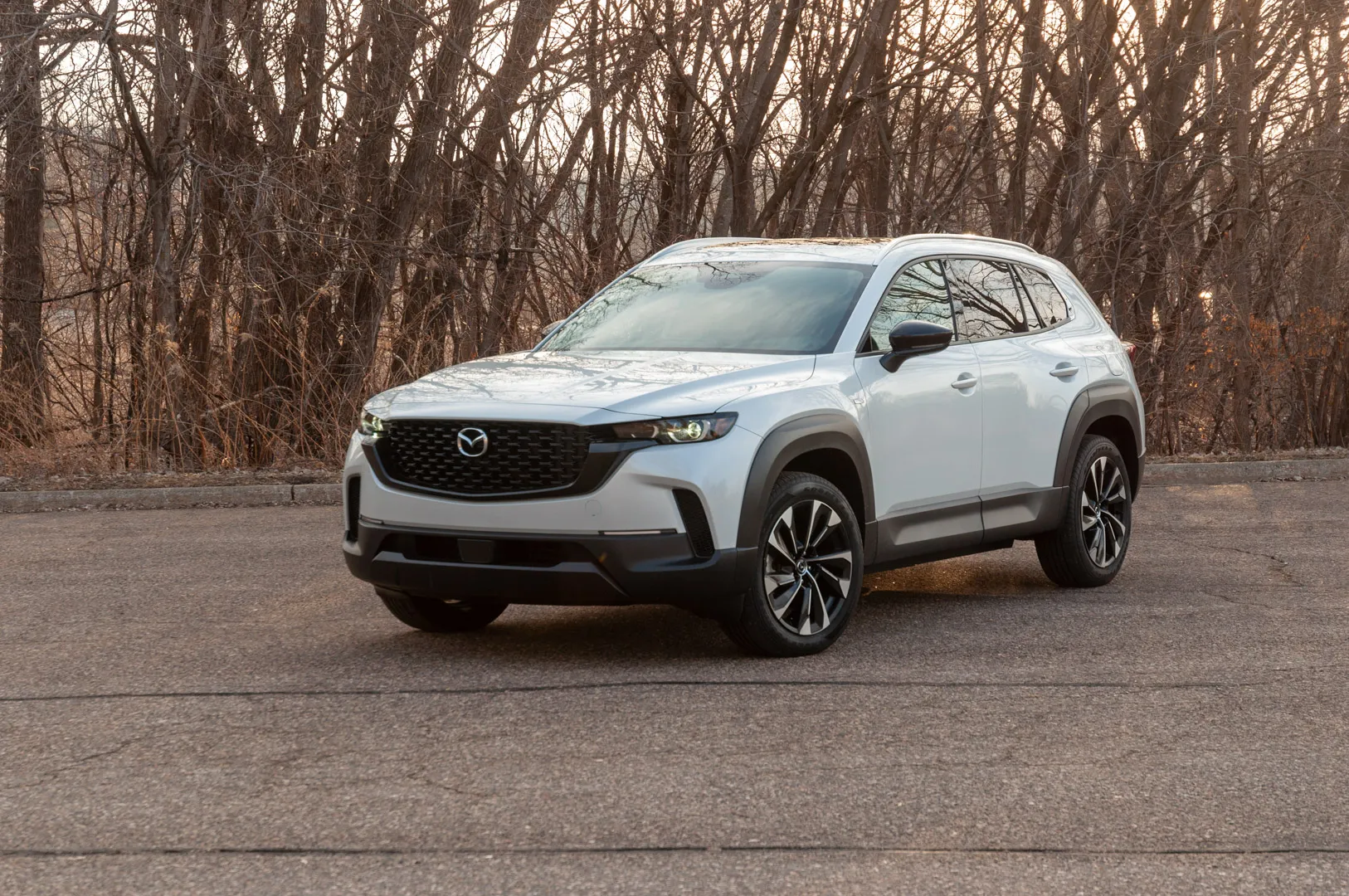
Mazda, a brand celebrated for its "Jinba Ittai" philosophy – the oneness of horse and rider – typically crafts vehicles that prioritize driving dynamics, elegant design, and a premium feel within the mainstream segment. The CX-50, introduced as a more adventurous, slightly larger sibling to the popular CX-5, already diverged somewhat from Mazda’s traditional on-road focus with its wider stance and more rugged aesthetic. The addition of a Toyota-sourced hybrid powertrain, a strategic move to quickly meet increasing demand for fuel-efficient options, introduces a new layer of complexity to its character. While this collaboration brings much-needed efficiency, it also brings a distinct shift in the vehicle’s personality, leading to a hybrid that feels less like a quintessential Mazda and more like a pragmatic compromise.
Pro: The Hybrid is the Most Efficient 2025 Mazda CX-50 Model
Without a doubt, the primary raison d’être for the CX-50 Hybrid is its superior fuel economy, and in this regard, it delivers. The powertrain is a direct transplant from the highly successful Toyota RAV4 Hybrid, a testament to the strategic partnership between the two automakers. This robust system pairs a 2.5-liter inline-4 Atkinson-cycle engine with a planetary torque-split hybrid system, integrating two electric motors. An additional 54-hp electric motor is dedicated to the rear wheels, providing standard all-wheel drive, a feature increasingly popular in this segment. The entire system is fed by a 1.59-kWh nickel-metal-hydride (NiMH) battery pack, which, while not the cutting edge of battery technology, is a proven and reliable solution in Toyota’s hybrids. The combined output stands at a respectable 219 horsepower and 163 lb-ft of torque.
The official EPA ratings for the CX-50 Hybrid are impressive for its class: 39 mpg city, 37 highway, and 38 combined. To put this into perspective, these figures represent a significant leap over the non-hybrid CX-50 models. The standard 2.5-liter non-turbo CX-50 achieves 25/31/28 mpg, while the more potent 2.5-liter turbo model drops to 23/29/25 mpg. The hybrid’s efficiency advantage is clear, making it the sensible choice for environmentally conscious buyers or those simply looking to save at the pump.

During our testing, the real-world mileage, while commendable, did fall slightly short of the EPA estimates. Over 190 miles of mixed suburban driving, the trip computer indicated an average of 34.0 mpg. On a subsequent 120-mile highway stretch, maintaining speeds above 70 mph, the average dipped to 31.2 mpg. These figures are still competitive within the segment and represent a substantial improvement over its gasoline-only counterparts. The discrepancy from EPA ratings is not uncommon, as real-world driving conditions, particularly higher highway speeds and varying driving styles, often lead to slightly lower averages than laboratory tests. Nonetheless, the CX-50 Hybrid stands as the undisputed champion of fuel efficiency within the CX-50 family, offering a compelling economic argument for its adoption.
Con: Mazda CX-50 Hybrid Powertrain is Less Refined Than Toyota RAV4
Despite sharing its core hybrid architecture with the Toyota RAV4 Hybrid, a vehicle renowned for its smooth and unobtrusive operation, the CX-50 Hybrid exhibits unexpected refinement issues that detract from the overall driving experience. These issues manifest in several ways, suggesting that the integration or tuning by Mazda might not be as seamless as in its Toyota donor.
At idle, particularly when the gasoline engine cycles on and off, a noticeable quiver can be felt. This vibration isn’t just a subtle hum; it transmits through the steering column, the steering wheel, and even the front seats, creating an intermittent and somewhat unsettling sensation. This tactile feedback is unexpected in a modern hybrid, which are generally engineered for quiet and vibration-free operation at a standstill.
More concerning is a driveline lash or vibration experienced under acceleration. When applying approximately three-quarters throttle, regardless of the vehicle’s speed, a distinct vibration propagates throughout the entire car. This sensation feels akin to a mechanical component not meshing correctly, perhaps a lockup issue within the transmission or drivetrain. It’s a disconcerting feeling that undermines confidence and overall comfort. Crucially, these specific refinement issues – the idle quiver and the acceleration vibration – were consistently observed throughout our test week and are phenomena we have never encountered in the Toyota RAV4, which employs the identical powertrain. This suggests that while the components are shared, Mazda’s calibration, mounting, or noise, vibration, and harshness (NVH) suppression efforts may not be as robust or well-optimized for the CX-50’s platform. For a brand like Mazda, which prides itself on a refined driving experience, these powertrain quirks are a significant drawback and clash with its premium aspirations.

Pro: Mazda CX-50 Hybrid is a Sleeper
For those who appreciate understated elegance and efficient performance without overt declarations, the CX-50 Hybrid offers a refreshing "sleeper" appeal. Unlike many hybrids on the market that feature distinctive blue badges, futuristic grilles, or unique aerodynamic elements to broadcast their eco-credentials, the CX-50 Hybrid largely retains the standard CX-50’s handsome and rugged aesthetic. The visual cues differentiating it as a hybrid are minimal and discreet.
Only a small, subtly placed "Hybrid" badge on the front fender and rear tailgate serves as a hint to its electrified powertrain. Even the wheel designs, which sometimes offer another tell-tale sign for specific models, don’t scream "hybrid." This subtlety is a deliberate choice by Mazda, aligning with its overall design philosophy known as "Kodo: Soul of Motion." Kodo design emphasizes a sophisticated, timeless aesthetic rather than ostentatious displays.
This understated approach will undoubtedly appeal to buyers who desire the fuel economy benefits of a hybrid but prefer not to drive a vehicle that loudly proclaims its efficiency. It allows the CX-50 Hybrid to blend seamlessly into the existing lineup, maintaining the brand’s established visual identity. In a world where many eco-friendly vehicles lean into their distinctiveness, the CX-50 Hybrid offers a sophisticated alternative for those who value performance and design without sacrificing efficiency, all while keeping a low profile.
Con: CX-50 Hybrid Compromises Compromised Packaging

One of the existing criticisms of the standard CX-50 is its rear-seat packaging, which many reviewers and owners find less accommodating than its sibling, the CX-5. Unfortunately, the Hybrid model, in its quest for efficiency, exacerbates these existing ergonomic shortcomings.
The CX-50 already employs a "stadium seating" arrangement in the second row, where rear passengers sit slightly higher than those in the front, theoretically offering a better view forward. However, this design, combined with the CX-50’s overall dimensions, leads to less generous legroom compared to the CX-5. In the Hybrid, the situation is further complicated by the placement of the battery pack beneath the rear seat. While this positioning keeps the battery out of the cargo area, preserving practicality for gear, it forces the rear seat occupants to sit closer to the floor. This "knees-up" seating posture, combined with the already limited legroom, makes the second row even less comfortable, especially for adults on longer journeys. What was already a compromise in the non-hybrid becomes more pronounced in the hybrid, making it a less ideal family vehicle for those needing ample rear passenger space.
The front seating arrangement also presents its own set of peculiarities. The front seats are mounted on brackets that position them higher than expected, creating what some on our editorial team have described as a "booster-seat impression." While this setup might be livable once settled in, the ingress and egress for taller individuals proved challenging during our test. Both my father and a friend struggled to contort their torsos and backs to slide into the front passenger seat without bumping their heads on the roofline. This awkward entry, often accompanied by grunts and groans, speaks to an ergonomic oversight that is surprising for a brand usually meticulous about driver and passenger comfort. Mazda’s typical attention to detail in seating comfort seems to have been overlooked in these specific aspects of the CX-50’s design, and the hybrid variant does nothing to alleviate these concerns.
Pro: CX-50 Hybrid Delivers Premium Look and Feel
Despite some of its functional shortcomings, the 2025 Mazda CX-50 Hybrid undeniably excels in its interior design and material quality, upholding Mazda’s reputation for punching above its weight in the mainstream segment. Stepping into the cabin, one is immediately struck by an ambiance that feels genuinely premium, often surpassing what’s offered by direct competitors from Toyota, Honda, or Kia.

Throughout the cabin, soft-touch materials are generously applied, particularly on the dashboard, door panels, and center console, areas where many rivals resort to hard plastics. The dashboard itself features intricate stitching that adds a touch of bespoke craftsmanship, elevating the visual appeal. The seats, especially in the higher trims, come with contrast piping that outlines their contours, enhancing their aesthetic and tactile quality. Even seemingly minor details, such as the knurled metal finishes on the climate control and audio function buttons, contribute to a sense of solidity and precision that one might expect from a more expensive luxury brand.
This commitment to tactile and visual quality is a hallmark of Mazda’s strategy to position itself as a "premium mainstream" brand. The interior of the CX-50 Hybrid stands in stark contrast to the more utilitarian and sometimes bland interiors found in the Toyota RAV4, which, while functional, lacks the CX-50’s flair. Similarly, while the Kia Sportage has made strides in interior design, the CX-50’s execution often feels more refined and cohesive. This premium feel extends beyond just materials; the layout is driver-centric, and controls are logically placed, contributing to an intuitive user experience. For buyers prioritizing interior aesthetics and a sense of luxury in their compact crossover, the CX-50 Hybrid remains a compelling choice, offering a cabin environment that genuinely feels more expensive than its price tag suggests.
Con: The CX-50 Hybrid is Loud
Hybrids are often associated with quiet operation, particularly at lower speeds where the electric motors can propel the vehicle silently. While the CX-50 Hybrid manages to keep the gasoline engine’s ruckus to a minimum around town, as long as the throttle isn’t aggressively matted, its performance at highway speeds presents a significant NVH (Noise, Vibration, and Harshness) issue.
Above 55 mph, the cabin of the CX-50 Hybrid becomes surprisingly loud, largely due to a remarkable amount of wind noise. This noise appears to originate from both the side mirrors and the A-pillar area, creating a persistent whooshing or buffeting sound that intrudes significantly into the passenger compartment. This constant auditory assault at highway speeds can be fatiguing on long journeys, forcing occupants to raise their voices or increase the audio system’s volume to compensate.

This level of wind noise is particularly disappointing for a vehicle that otherwise aims for a premium feel and is generally well-insulated against road noise. It undermines the otherwise sophisticated cabin and the expectation of refinement that comes with a Mazda. In comparison, many competitors in the segment, including the RAV4 Hybrid and CR-V Hybrid, manage to maintain a more serene cabin environment at higher speeds. The excessive wind noise in the CX-50 Hybrid is a notable flaw that compromises long-distance comfort and detracts from the overall perceived quality, making it a less appealing option for buyers who frequently undertake highway travel.
Pricing and Value Proposition
The 2025 Mazda CX-50 Hybrid enters the market with a reasonable starting price of $35,390, including a $1,420 destination charge. Our Premium Plus trim test model, which added desirable features such as a head-up display, distinctive 19-inch alloy wheels, a premium Bose audio system, and ventilated front seats, retailed at $41,920. This pricing strategy places the CX-50 Hybrid competitively within the burgeoning compact hybrid SUV segment.
Notably, Mazda has managed to undercut some key rivals. For instance, the fully loaded Honda CR-V Hybrid Sport Touring model typically commands a price approximately $1,025 higher than our CX-50 Hybrid Premium Plus. This aggressive pricing could make the CX-50 Hybrid an attractive option for value-conscious buyers seeking a well-equipped, efficient crossover. However, this competitive pricing must be weighed against the aforementioned compromises, particularly the refinement issues with the powertrain and the less-than-ideal seating arrangements that carry over from the non-hybrid CX-50.
Context and Future Outlook

The introduction of the CX-50 Hybrid marks a significant step for Mazda in expanding its electrified offerings. The decision to utilize Toyota’s proven hybrid technology for this model is a pragmatic one, allowing Mazda to quickly bring a competitive, fuel-efficient option to market without the extensive R&D lead time required for an entirely in-house system. This partnership is crucial for Mazda as it navigates the global shift towards electrification and stricter emissions regulations. It enables them to leverage Toyota’s decades of hybrid expertise, ensuring reliability and widespread acceptance.
However, the refinement issues observed in the CX-50 Hybrid underscore the challenges of integrating an external powertrain into a distinct vehicle platform and tuning it to meet a specific brand’s standards. It suggests that while the hardware is top-notch, the software calibration, NVH engineering, and overall integration process by Mazda may still be undergoing refinement.
Looking ahead, Mazda is not solely reliant on Toyota for its hybrid future. The company has announced plans for its own in-house developed hybrid system, which is anticipated to debut in the next-generation CX-5. This proprietary system holds the promise of a more seamlessly integrated and refined hybrid experience, potentially addressing the very concerns raised by the CX-50 Hybrid. It suggests that while the CX-50 Hybrid serves as an important bridge, it may not represent Mazda’s ultimate vision for electrified performance and refinement.
Conclusion
The 2025 Mazda CX-50 Hybrid presents a complicated proposition. On one hand, it successfully delivers on its core promise of significantly improved fuel economy, making it the most sensible choice within the CX-50 lineup for efficiency-minded buyers. Its handsome exterior design and genuinely premium interior materials uphold Mazda’s strong brand identity in aesthetics and quality. The subtle hybrid badging also appeals to those who prefer efficiency without fanfare.

On the other hand, the vehicle is hampered by noticeable powertrain refinement issues—the idle quiver and acceleration vibration—which are uncharacteristic of a Mazda and even fall short of its Toyota donor vehicle. Furthermore, the already compromised seating package of the standard CX-50 is made slightly worse in the hybrid, and the surprising amount of wind noise at highway speeds detracts from the overall comfort and premium feel.
Ultimately, the CX-50 Hybrid gives Mazda buyers a much-needed hybrid option in a highly competitive segment, but it does so with a blend of practical strengths and unexpected weaknesses. It feels like a necessary, albeit imperfect, step in Mazda’s electrification journey. For discerning buyers, these compromises give us pause, prompting a wait-and-see approach for Mazda’s upcoming in-house developed hybrid system, which promises to better align with the brand’s cherished "Zoom-Zoom" philosophy and commitment to driving pleasure and refinement. Until then, the CX-50 Hybrid stands as a practical choice, but one that leaves a little to be desired in the "soul" department.
2025 Mazda CX-50 Hybrid Premium Plus
Base price: $35,390 including $1,420 destination charge
Price as tested: $41,920
Powertrain: 219-hp hybrid system, all-wheel drive
EPA fuel economy: 39/37/38 mpg
The hits: Sleeper hybrid status, sharp design, premium materials, undercuts CR-V Hybrid pricing, best fuel economy of any CX-50
The misses: Powertrain refinement issues (idle quiver, acceleration vibration), compromised seating (less legroom, "booster-seat" front seats), loud interior at highway speeds (wind noise)