
 By Rifan Muazin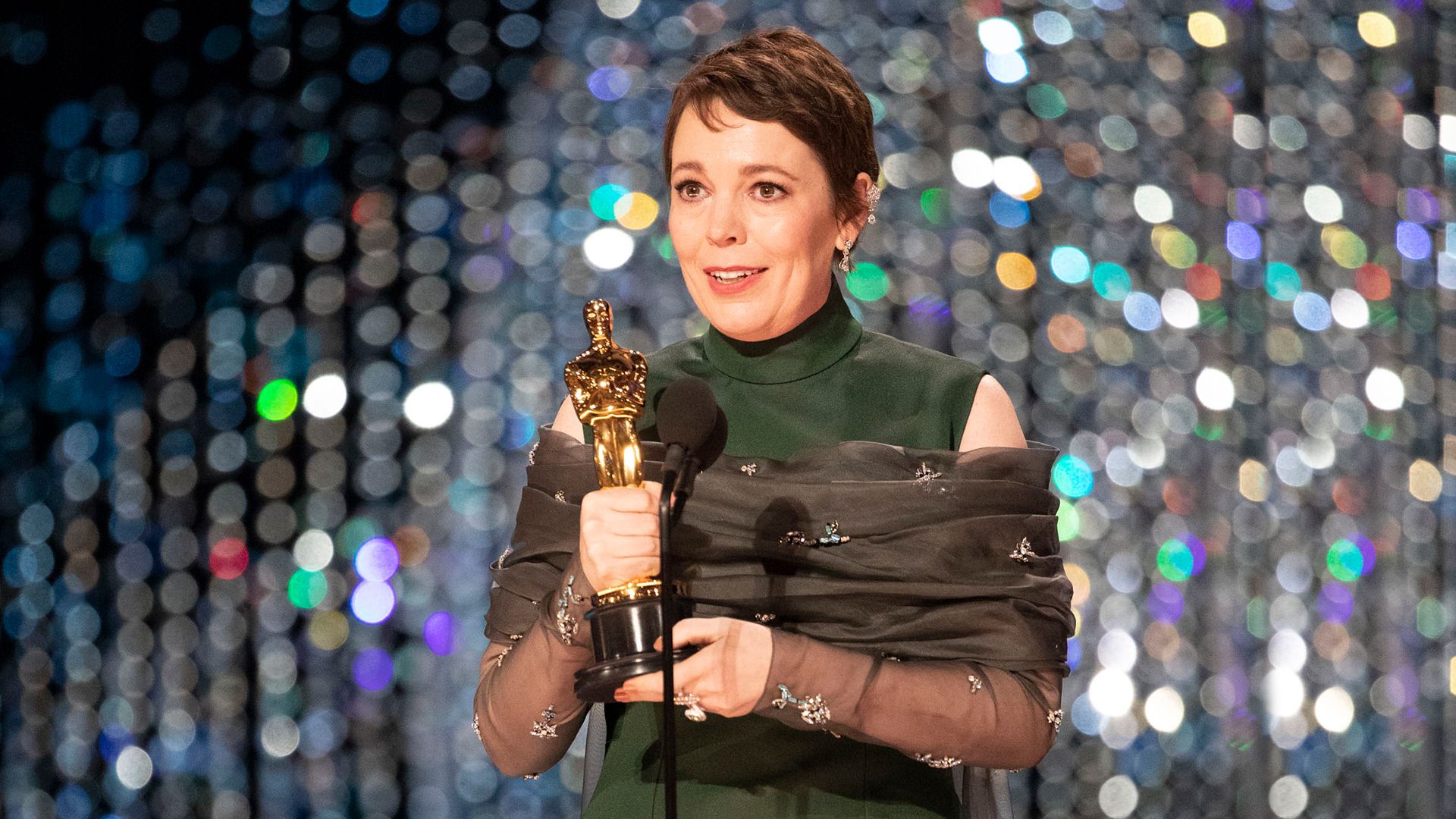
The Academy Awards, colloquially known as the Oscars, represent the pinnacle of cinematic achievement, a night where the industry’s most elite gather to celebrate the transformative power of storytelling. Yet, for many viewers, the most enduring memories of the telecast are not the montages of film clips or the choreographed musical numbers, but the unscripted, raw, and often volatile moments that occur at the podium. An Oscar acceptance speech is a unique rhetorical challenge: it requires a delicate balance of humility, professional gratitude, and emotional resonance, all delivered under the crushing pressure of a global audience and a ticking 45-second clock. Conventional wisdom suggests that a winner should keep it brief, avoid controversy, and display a polished veneer of shock. However, the history of the Academy suggests that the speeches we remember most are those that shatter these conventions. Whether through political firebrands, chaotic outbursts of joy, or the quiet dignity of a legend finally receiving their due, the greatest speeches serve as a mirror to the cultural zeitgeist of their era. As the industry looks toward the 98th Academy Awards, we examine the performances that transcended the statuette, ranking the eight greatest Oscar speeches in the history of the Academy.
8. Leonardo DiCaprio for Best Actor, The Revenant (2016)
By the time 2016 arrived, Leonardo DiCaprio’s quest for an Oscar had become a cultural phenomenon, fueling years of internet memes and a narrative of "overdue" justice. Having been nominated four times previously for acting—starting with his 1994 nod for What’s Eating Gilbert Grape—DiCaprio’s win for Alejandro G. Iñárritu’s The Revenant felt less like a celebration of a single film and more like a coronation for a lifetime of work. While critics often debate whether Michael Fassbender’s portrayal of Steve Jobs or Bryan Cranston’s turn in Trumbo were technically superior, the Academy’s decision was largely viewed as a rectification of past snubs.
DiCaprio, ever the professional, used his moment on stage with surgical precision. After the mandatory, perfectly rehearsed list of collaborators and mentors, he pivoted with remarkable gravitas to a cause that has defined his public life: climate change. "Climate change is real, it is happening right now," he declared, his voice steady and authoritative. "It is the most urgent threat facing our entire species, and we need to work collectively together and stop procrastinating." By linking his harrowing experience filming in the receding snow of the Canadian wilderness to the global environmental crisis, DiCaprio elevated the discourse of the evening. His closing line—"Let us not take this planet for granted. I do not take tonight for granted"—successfully merged personal gratitude with a global call to action, setting a modern standard for the "activist" acceptance speech.
7. Bong Joon-ho for Best Director, Parasite (2020)
The 92nd Academy Awards were historic for several reasons, primarily for the meteoric rise of Parasite, which became the first non-English language film to win Best Picture. However, it was director Bong Joon-ho’s speech for Best Director that captured the hearts of the industry. Throughout the 2020 awards season, Bong had charmed the press with his wit—notably calling the Oscars "a local award show"—and his Best Director win was the climax of that journey.
The beauty of Bong’s speech lay in its profound humility and its celebration of cinema as a global community. Speaking largely through his translator, Sharon Choi, he took a moment to pay homage to his fellow nominees, specifically Martin Scorsese. Quoting a line that had guided his studies—"The most personal is the most creative"—Bong led the entire Dolby Theatre in a standing ovation for Scorsese, a gesture of respect that bridged the gap between the Old Hollywood guard and the new international wave. The speech concluded with a moment of levity that has since become legendary: "Thank you. I will drink until next morning." It was a perfect encapsulation of a man who took his art seriously, but never himself.
6. Michael Moore for Best Documentary Feature, Bowling for Columbine (2003)
If Bong Joon-ho brought unity, Michael Moore brought fire. The 2003 Oscars took place just four days after the United States had invaded Iraq, and the atmosphere in Los Angeles was thick with tension and heightened nationalism. When Moore won for his searing critique of American gun culture, Bowling for Columbine, he did not opt for the safe path. Instead, he invited his fellow documentary nominees onto the stage to present a united front against the war.
"We live in the time where we have fictitious election results that elects a fictitious president," Moore shouted over a growing chorus of boos and cheers. "We live in a time where we have a man sending us to war for fictitious reasons… Shame on you, Mr. Bush!" The spectacle of a winner being aggressively booed by his own peers—while simultaneously being cheered by others—remains one of the most polarizing moments in television history. Whether one agreed with his politics or not, Moore’s refusal to be silenced by the orchestra or the audience’s hostility demonstrated a level of conviction rarely seen in an industry often criticized for its superficiality.
5. Joe Pesci for Best Supporting Actor, Goodfellas (1991)
In an era where speeches are often criticized for being overly long and self-indulgent, Joe Pesci’s 1991 win for his terrifying portrayal of Tommy DeVito in Goodfellas stands as a monument to brevity. Pesci, who had previously been nominated for Raging Bull, walked to the podium, accepted the statuette from Brenda Fricker, and delivered a speech that lasted exactly five words: "It was my privilege, thank you."
Clocking in at under ten seconds, the speech was a masterclass in "tough guy" cool. It mirrored the unpredictable, no-nonsense energy of his character in the film while respecting the audience’s time. In the decades since, Pesci’s "mic drop" has been cited by countless presenters and hosts as the gold standard for how to handle a win. It proved that sometimes, the most powerful thing an artist can do is say nothing at all and let the work speak for itself.
4. Martin Scorsese for Best Director, The Departed (2007)
For decades, the fact that Martin Scorsese—the architect of Taxi Driver, Raging Bull, and Goodfellas—did not own a competitive Oscar was considered the Academy’s greatest embarrassment. By 2007, Scorsese had been nominated for Best Director five times without a win. When his name was finally called for The Departed, the reaction from the room was one of pure, unadulterated relief and joy.
The moment was made even more poignant by the presenters: Steven Spielberg, Francis Ford Coppola, and George Lucas. These four men, the "Movie Brats" of the 1970s, had collectively redefined American cinema. Seeing Scorsese’s lifelong friends hand him the award felt like a family reunion on a global stage. Scorsese’s opening quip—"Could you double-check the envelope?"—was the perfect acknowledgement of his long history of losing. His speech was a heartfelt thank you to the city of New York and the collaborators who stuck by him, marking a triumphant end to one of the longest "snub" streaks in Hollywood history.
3. Ben Affleck and Matt Damon for Best Original Screenplay, Good Will Hunting (1998)
In 1998, Ben Affleck and Matt Damon were not the A-list moguls they are today; they were two childhood friends from South Boston who had written a script because they couldn’t get the acting roles they wanted. Their win for Good Will Hunting remains the ultimate "underdog" story of the 90s indie film boom.
Their speech was a chaotic, high-energy explosion of youth. They were breathless, interrupting each other, and shouting out names of everyone from their mothers to the city of Boston. "I just said to Matt, losing would suck, and winning would be scary," Affleck famously remarked. "And winning is really, really scary." Their sheer, unpolished enthusiasm was infectious, reminding the world that at its core, the Oscars are about dreams coming true. It was a moment of pure authenticity that stood in stark contrast to the more calculated performances of the evening.
2. Olivia Colman for Best Actress, The Favourite (2019)
Olivia Colman’s win for The Favourite in 2019 is widely considered one of the greatest upsets in Academy history. The industry had fully expected Glenn Close to finally win her first Oscar for The Wife. When Colman’s name was announced, even she seemed convinced there had been a mistake.
What followed was a speech so charmingly erratic and sincerely humble that it instantly became a classic. Colman, struggling to hold back tears and laughter, blew a raspberry at the teleprompter’s "wrap up" cue and gave a heartfelt shout-out to her fellow nominee, Glenn Close, saying, "You’ve been my idol for so long and this is not how I wanted it to be." Her relatability—acting as if she had accidentally stumbled onto the stage rather than earned her place there—resonated deeply. It was a victory for the "character actor," a reminder that talent and kindness can occasionally triumph over the Hollywood machine.
1. Tom Hanks for Best Actor, Philadelphia (1994)
Ranking at number one is Tom Hanks’ 1994 acceptance speech for Philadelphia. This was more than just a thank-you; it was a cultural milestone. At the height of the HIV/AIDS crisis, a time when the disease was still heavily stigmatized and often ignored by mainstream media, Hanks used his platform to humanize the victims.
Hanks’ speech was a masterpiece of oratory. He spoke of the "streets of heaven" being "too crowded with angels," a poetic and devastating reference to the thousands of gay men who had lost their lives to the virus. He specifically thanked his high school drama teacher, Rawley Farnsworth, and a former classmate, both of whom were gay, bringing the reality of the queer experience into the living rooms of millions of Americans. It was a speech delivered with the weight of a statesman and the heart of a poet. By using his moment of personal glory to advocate for a marginalized community, Hanks demonstrated the true potential of the Oscar stage: to act as a catalyst for empathy, understanding, and social change. Even decades later, the speech remains the definitive example of how a few well-chosen words can leave a permanent mark on history.