
 By admin
Strategic portfolio management is essential because many issuers have implemented strict regulations regarding how often a consumer can earn a welcome bonus. For instance, Chase’s "5/24 rule" continues to be a primary consideration for enthusiasts, while American Express has maintained and refined its "once per lifetime" language on many products. Timing your application to coincide with these elevated offers is the difference between a modest domestic flight and a luxury international excursion in a premium cabin. Furthermore, the high-water marks seen in February 2026—with some bonuses valued at over $4,000—are not guaranteed to remain indefinitely.
The Heavyweights: Premium Business Cards
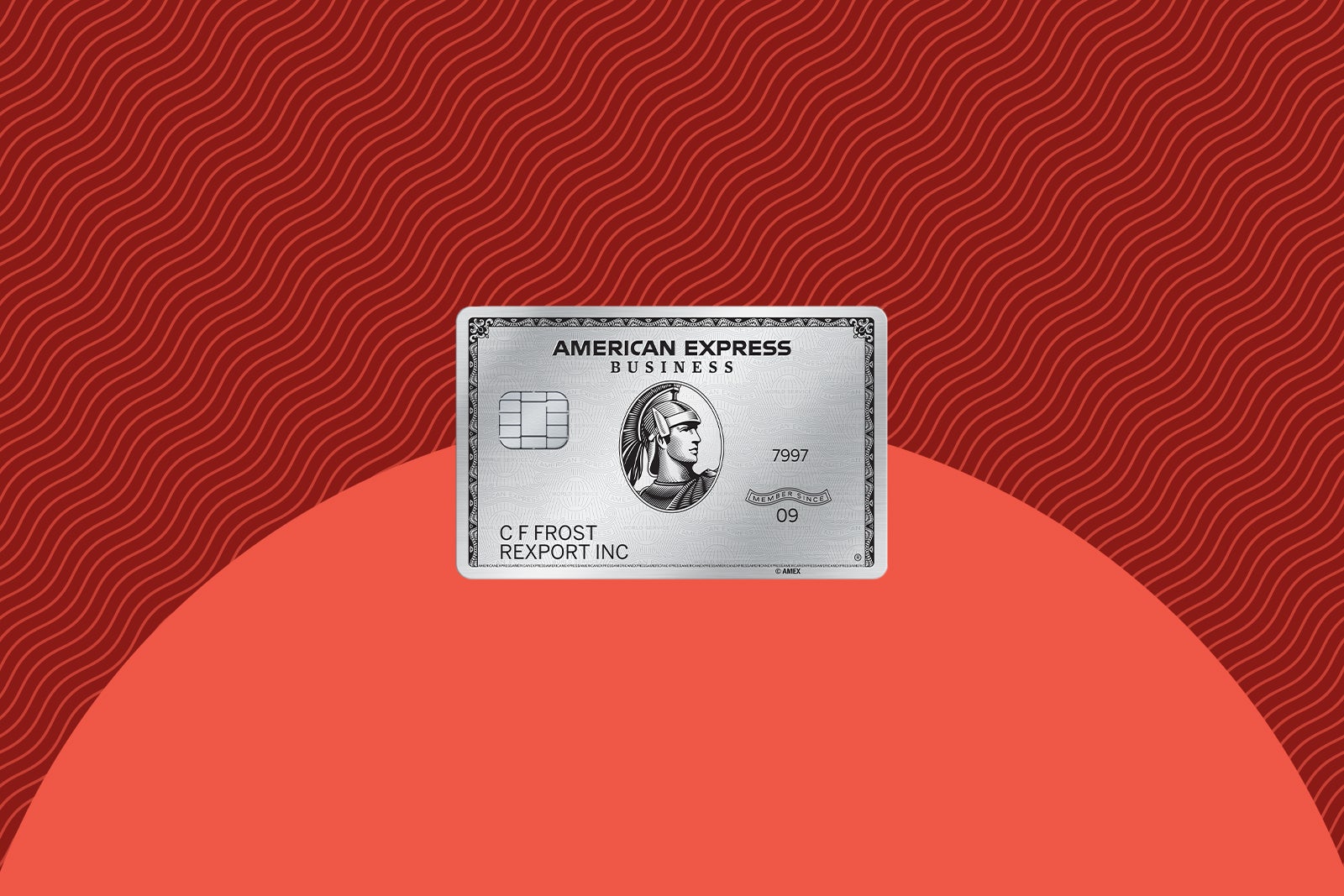
For business owners, the current landscape is dominated by the American Express Business Platinum Card. This card stands out not only for its staggering 200,000-point welcome offer after spending $20,000 in the first three months but also for its comprehensive suite of travel perks that justify its $895 annual fee. Based on current valuations, this bonus alone is worth approximately $4,000. Beyond the points, cardmembers receive automatic Gold status with Hilton Honors and Marriott Bonvoy, along with the most robust lounge access program available, including the Centurion Lounge network, Delta Sky Clubs (when flying Delta), and Priority Pass Select.
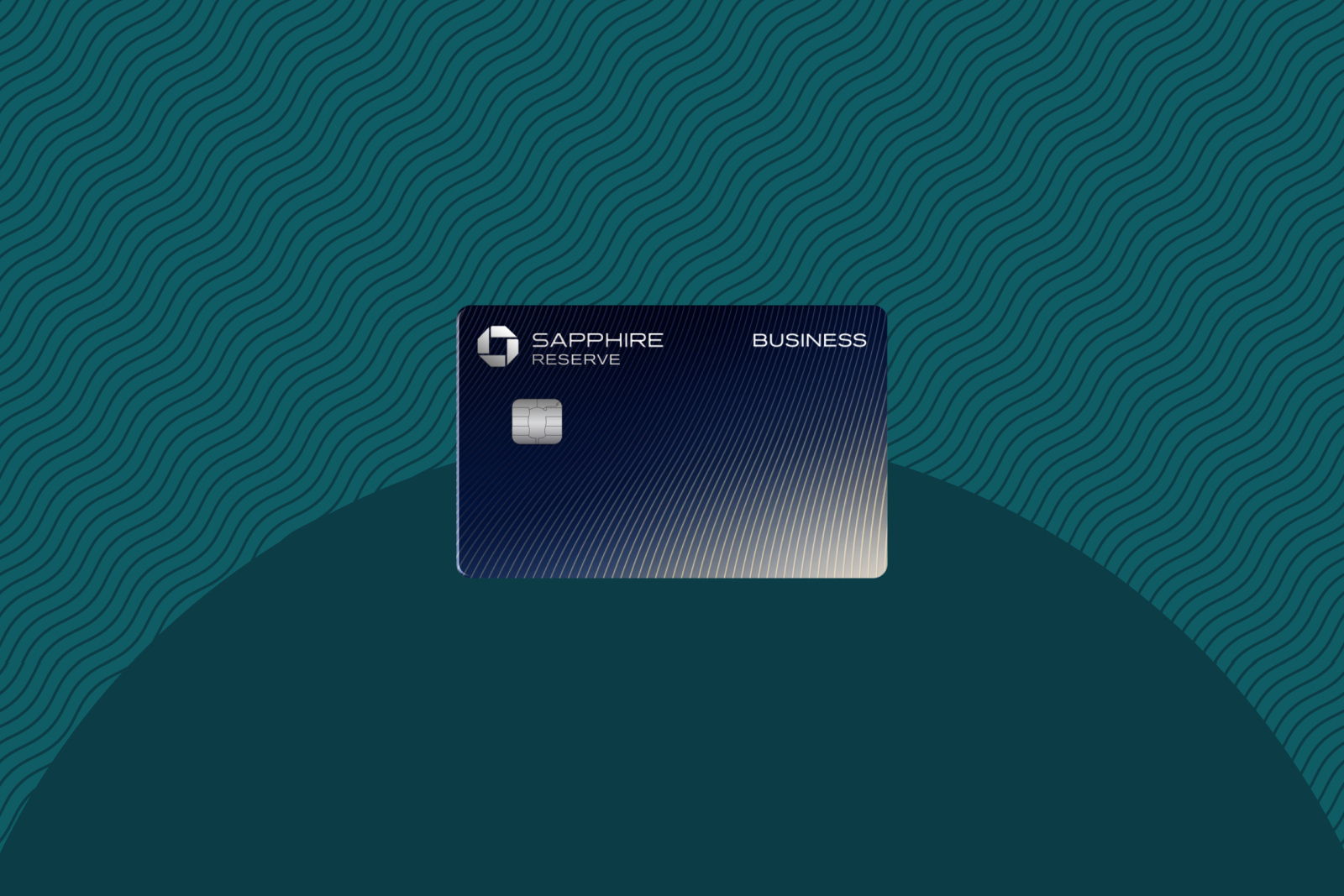
Not to be outdone, the Chase Sapphire Reserve for Business has emerged as a formidable competitor in the premium sector. With a welcome offer of 150,000 bonus points after a $20,000 spend, it provides a value of $3,075. This card is particularly attractive for businesses with high expenditures in travel and advertising, offering 8 points per dollar on Chase Travel purchases and 3 points per dollar on social media and search engine advertising. The ability to transfer these points to high-value partners like United Airlines and World of Hyatt remains a cornerstone of the Chase ecosystem’s appeal.
Capital One has also maintained a strong position with the Venture X Business. It offers a simple yet powerful 150,000-mile bonus after spending $30,000 in the first three months. For businesses that prefer a straightforward earning structure, the card’s baseline of 2 miles per dollar on all purchases is difficult to beat. With an annual fee of $395—significantly lower than its Amex and Chase counterparts—it offers a high return on investment through its $300 annual travel credit and 10,000-mile anniversary bonus.

Premium Personal Cards: The Battle for the Top Spot
In the personal card market, the American Express Platinum Card remains the "king" of travel rewards, though its $895 annual fee requires a dedicated strategy to offset. Eligible applicants can find offers as high as 175,000 bonus points after spending $12,000 in the first six months. The card’s value proposition is built on a "coupon book" of credits, including those for Uber, digital entertainment, and airline incidentals. For the frequent traveler, the 5x earning rate on flights booked directly or via Amex Travel ensures that the points keep flowing long after the welcome bonus is exhausted.
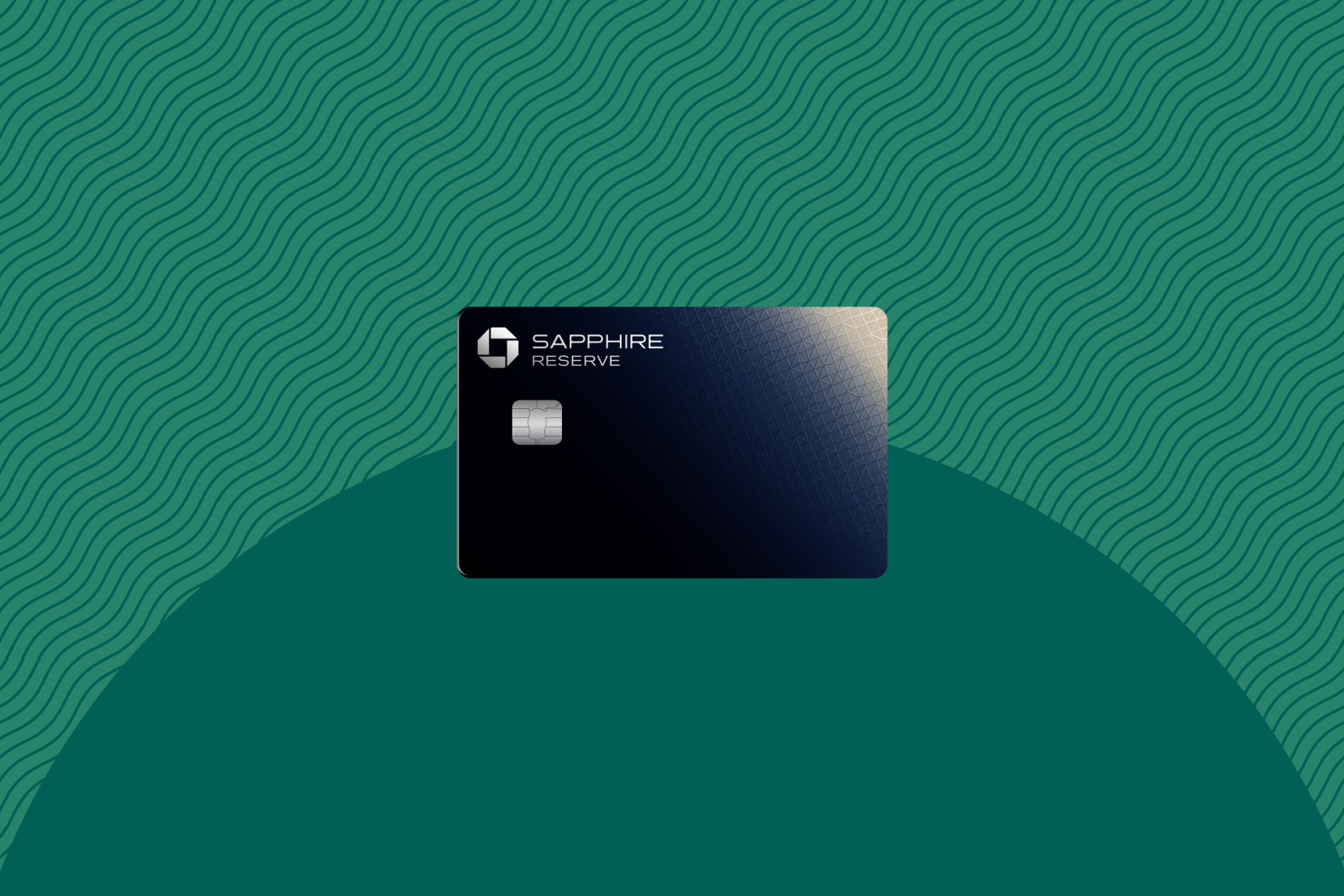
Chase continues to offer a compelling alternative with the personal Sapphire Reserve. The current offer of 125,000 bonus points after a $6,000 spend in three months is one of the highest we have seen for this product. Valued at $2,563, these points go further thanks to the 50% redemption bonus when booking through the Chase Travel portal. The $300 annual travel credit is famously easy to use, applying automatically to a wide range of expenses from flights to parking fees and tolls.

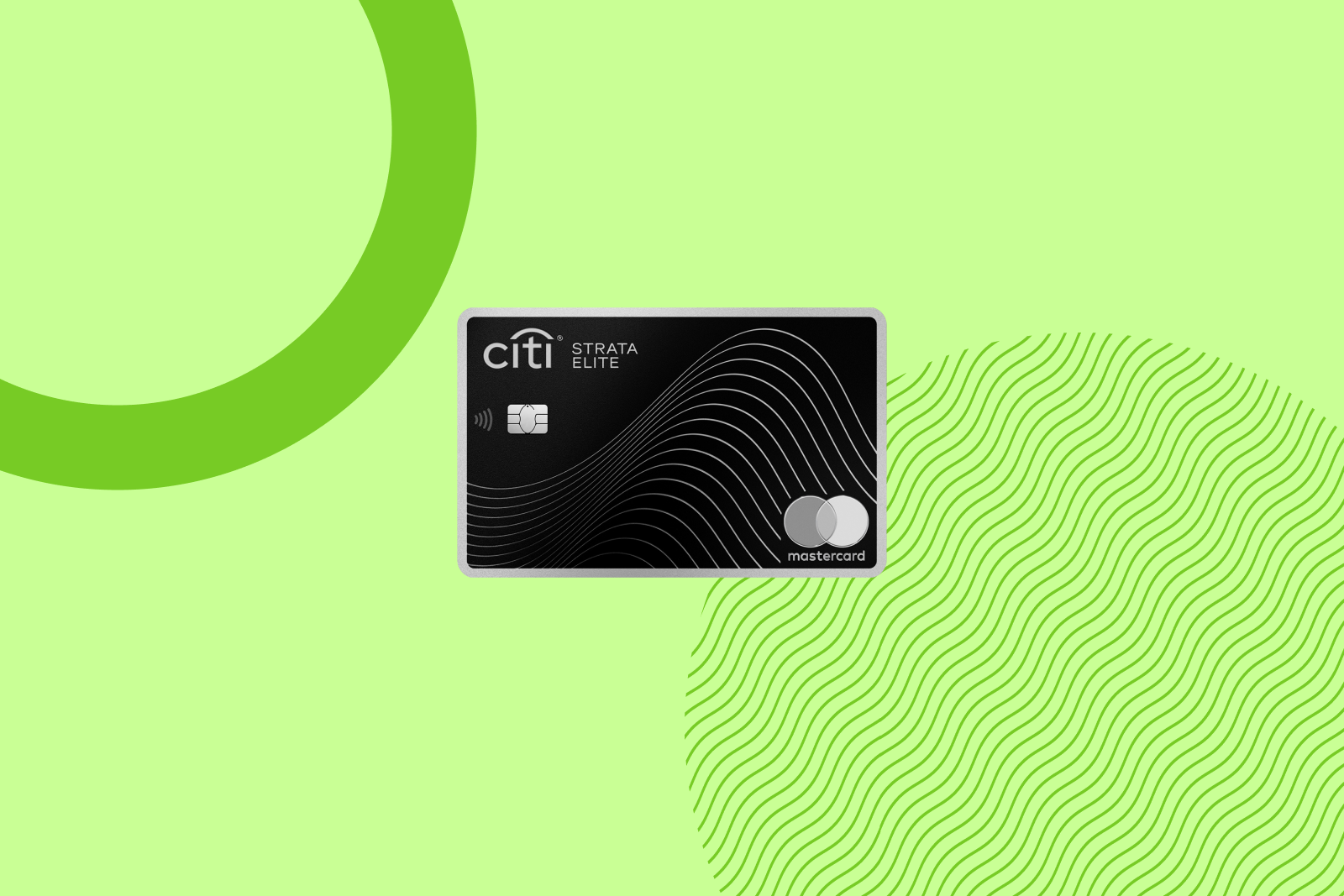
A new entrant in the top-tier space for 2026 is the Citi Strata Elite Card. With an annual fee of $595, it attempts to bridge the gap between mid-tier and ultra-premium. It currently offers 75,000 bonus points after a $6,000 spend. Its unique selling point is the inclusion of American Airlines Admirals Club passes and the ability to transfer Citi ThankYou points directly to American Airlines, a feature that was previously restricted or temporary.

The Mid-Tier Powerhouses
For those not ready to commit to a high annual fee, the "Big Three" mid-tier cards—the Chase Sapphire Preferred, Capital One Venture, and Citi Strata Premier—all feature annual fees under $100 while providing outsized value.

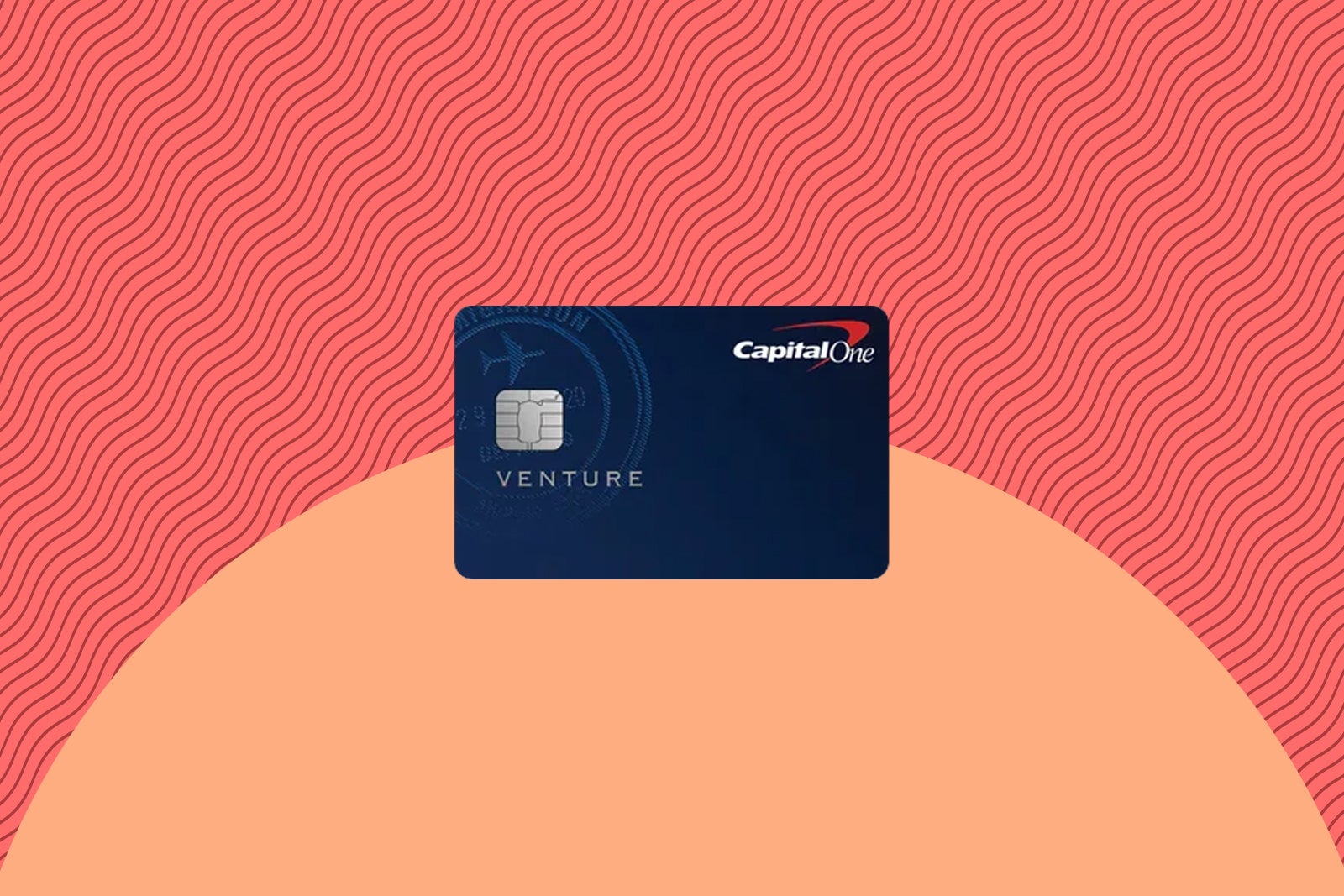
The Chase Sapphire Preferred remains the gold standard for many, currently offering 75,000 points after a $5,000 spend. Its 3x earning rate on dining and online groceries makes it a workhorse for daily life. Meanwhile, the Capital One Venture Rewards Credit Card has sweetened its deal by offering 75,000 miles plus a $250 Capital One Travel credit for the first year. This effectively makes the card "profit-positive" in year one, as the $95 fee is dwarfed by the travel credit and the bonus value.
Airline and Hotel Cobranded Strategies
February 2026 is a landmark month for airline-specific cards, particularly for Delta Air Lines and American Airlines loyalists. Several American Express Delta cards are running limited-time bonuses that expire on April 1. The Delta SkyMiles Reserve, for example, offers up to 125,000 miles through a tiered spending structure. These miles are increasingly valuable for those looking to use Delta’s "TakeOff 15" feature, which provides a 15% discount on award bookings for cardholders.
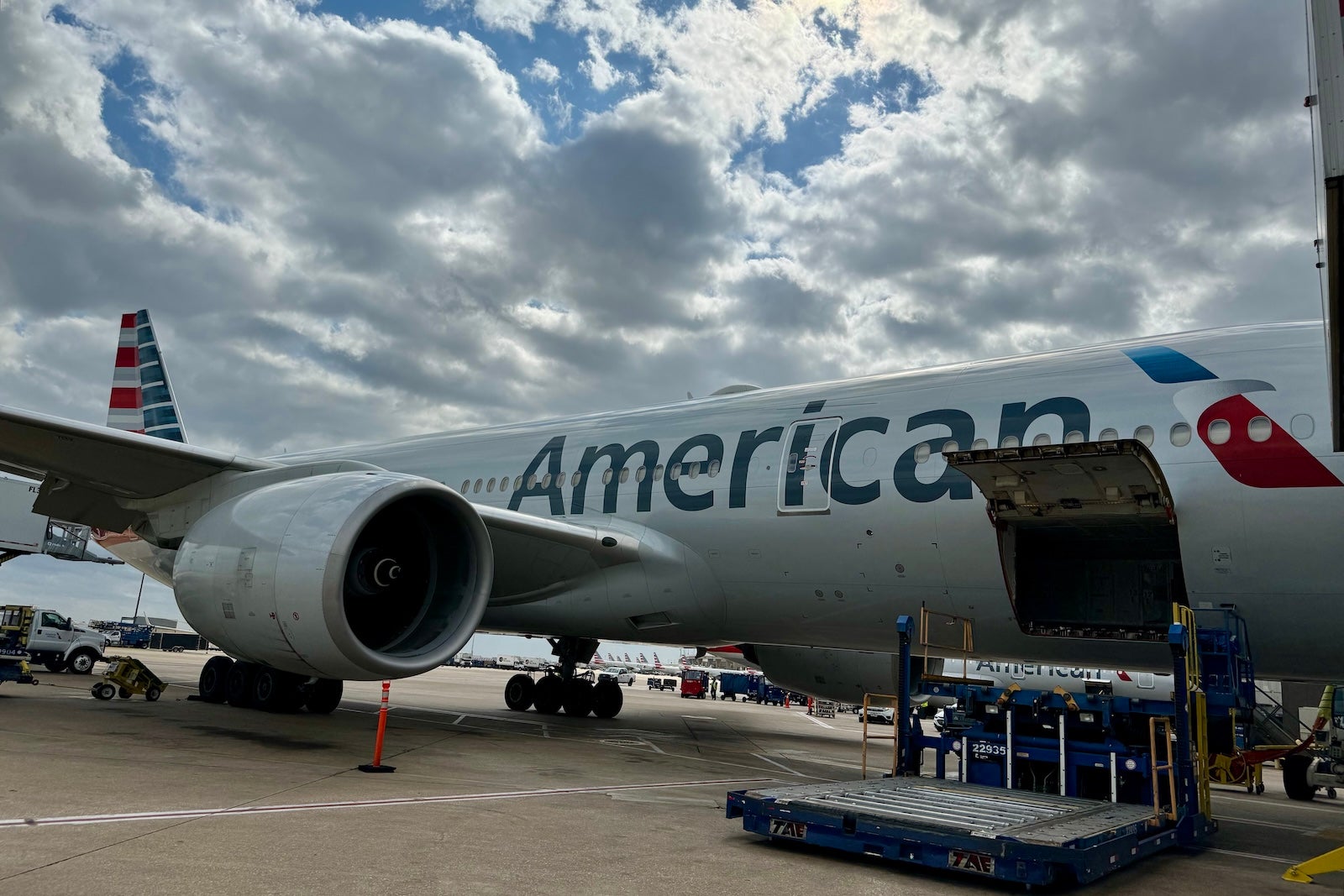
American Airlines flyers have several new options through Citi, including the recently launched Citi / AAdvantage Globe Mastercard. This card offers 90,000 bonus miles and is designed for the modern frequent flyer who prioritizes digital integration and unique boarding perks. For business owners, the Citi / AAdvantage Business World Elite Mastercard provides a path to a companion pass, which can save thousands of dollars on annual travel costs.
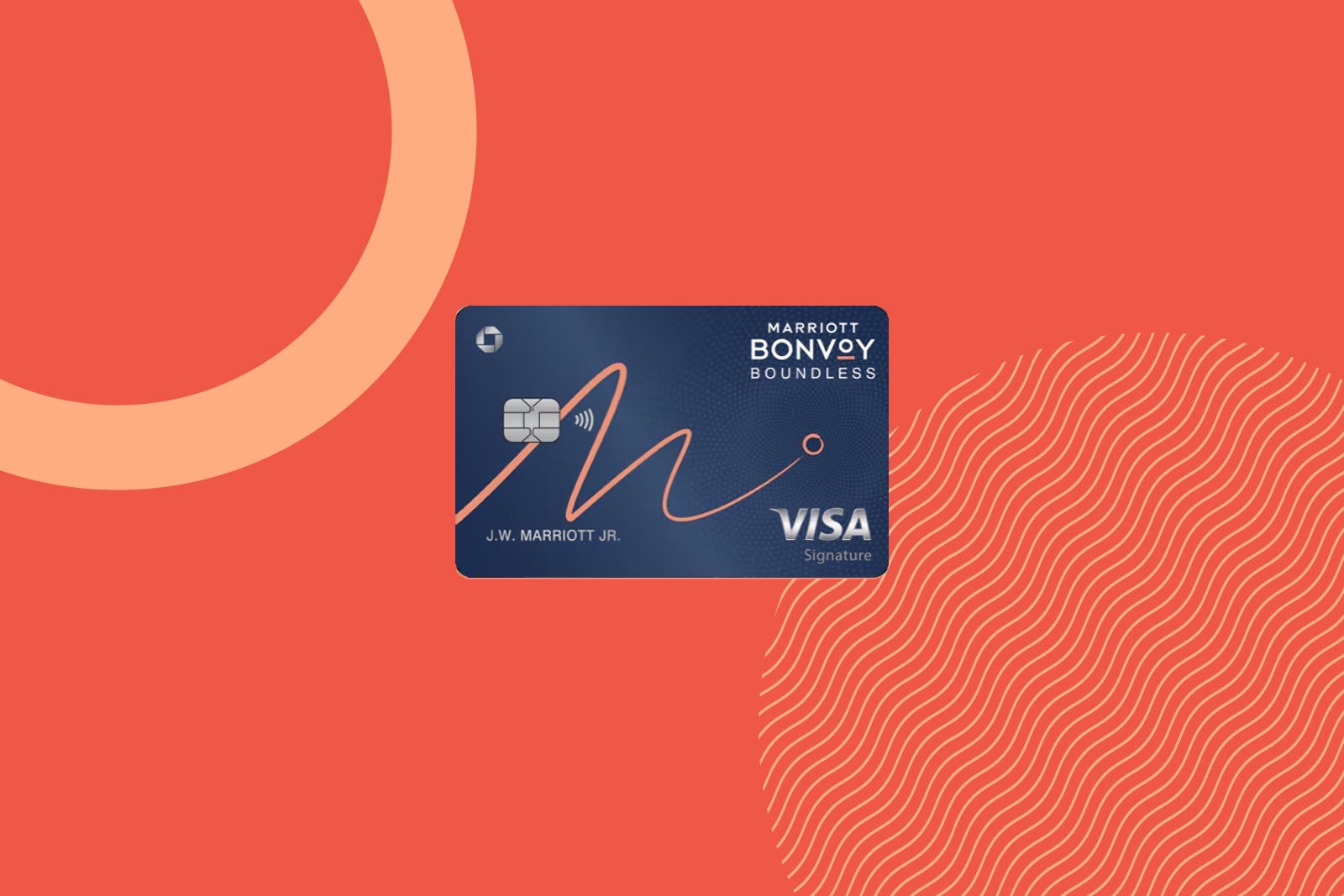
In the hotel sector, the Marriott Bonvoy Boundless card is currently offering an incredible five free night awards (each valued up to 50,000 points) after a $3,000 spend. For a card with a $95 annual fee, this is arguably the best "pure travel" value on the market, as it can be used for five nights at high-end properties that would otherwise cost $500 or more per night. Similarly, the World of Hyatt Credit Card continues to be a favorite due to the high baseline value of Hyatt points. Its tiered offer allows users to earn up to five free nights, providing a strategic entry point into one of the most rewarding hotel loyalty programs.

The Rise of Niche and New Entrants
The February 2026 roundup also highlights the Atmos Rewards family of cards, which have become the primary vehicle for Alaska Airlines and Hawaiian Airlines flyers following their brand integration. The Atmos Summit Visa Infinite offers a massive 80,000-point bonus plus a Global Companion Award. These cards are essential for West Coast and Pacific travelers, offering unique perks like quarterly lounge passes and priority boarding on the merged carrier’s network.

Bilt Rewards has also expanded its reach with the Bilt Palladium Card. While Bilt initially focused on renters, this premium card offers 2 points per dollar on all purchases and a $400 annual travel portal credit. The 50,000-point welcome bonus, combined with the ability to earn points on rent without a fee, makes it a unique tool for urban professionals.

Strategic Considerations for Applicants
As you navigate these offers, it is vital to consider your long-term goals. If you are planning a specific trip, look for the card that transfers to the partners you need. If you are looking for general value, focus on transferable currencies like Chase Ultimate Rewards or Amex Membership Rewards.

Experts suggest that before applying, you should ensure your credit score is in the "Excellent" range (typically 740+) to maximize your approval odds for premium products. Additionally, keep a close eye on your "5/24" status; if you have opened five or more personal credit cards from any issuer in the past 24 months, Chase will likely decline your application.
The bottom line for February 2026 is simple: the market is currently favoring the consumer. With multiple offers exceeding $1,000 in value and several reaching toward $4,000, the opportunity cost of inactivity is higher than ever. Whether you are a small-business owner looking to subsidize your operations or a leisure traveler dreaming of a first-class suite, the right card is likely on this list. Act quickly, particularly on the Delta and Southwest offers, as these high-value windows rarely stay open for long.