
 By admin
The strategy of "bonus chasing" requires more than just a high credit score; it requires impeccable timing. Since many major issuers, including Chase, American Express, and Citi, have strict restrictions on how often a consumer can earn a bonus on a specific card or within a specific family of products, the importance of applying during a "high" offer period cannot be overstated. Higher bonuses, such as the 200,000-point offers we are seeing this month, rarely stick around for long. Historically, these "elevated" offers appear for 30 to 60 days before retreating to a standard baseline. Therefore, if you are considering one of the premium offers listed below, the data suggests that acting sooner rather than later is the most prudent financial move. For those not yet ready to commit to a high-annual-fee "ultra-premium" card, there are several excellent starter cards and 0% introductory APR options that provide a lower barrier to entry while still offering respectable rewards.
The Ultra-Premium Business Powerhouses
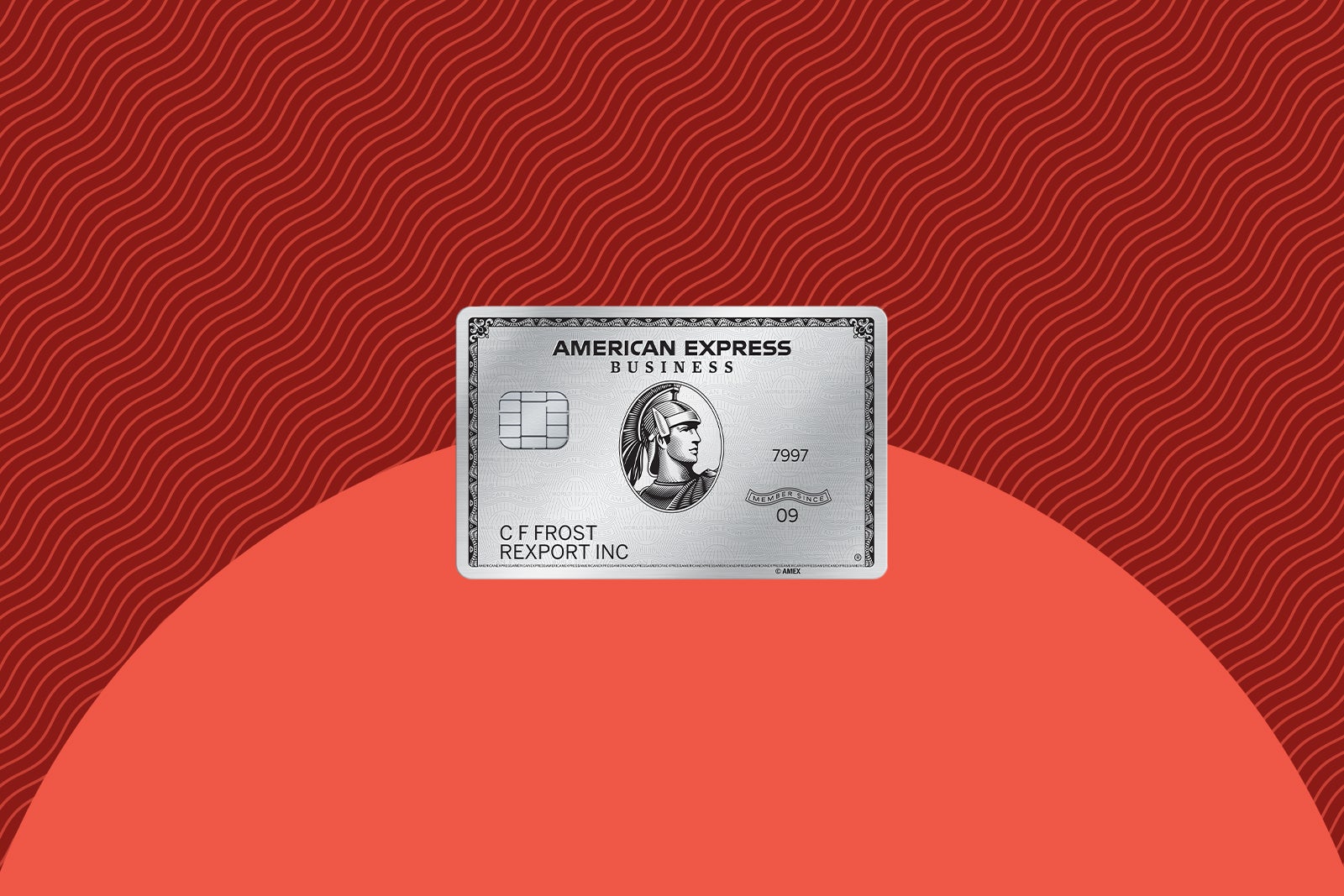
Leading the pack in March 2026 is The Business Platinum Card® from American Express. This card has solidified its position as the premier tool for business owners, currently offering a staggering 200,000 Membership Rewards points after spending $20,000 on purchases within the first three months. TPG’s current valuations place the value of this bonus at approximately $4,000, making it the single most valuable public offer on the market. While the $895 annual fee is significant, the card’s "coupon book" of credits and travel perks—including access to the American Express Global Lounge Collection and automatic Gold status with Hilton and Marriott—can easily outweigh the cost for a frequent traveler. Expert analysis suggests that this 200,000-point threshold represents a peak in Amex’s customer acquisition strategy, likely designed to capture high-spending business accounts in a fluctuating economy.
Not to be outdone, the Chase Sapphire Reserve for Business has emerged as a formidable competitor. With a welcome offer of 150,000 bonus points after a $20,000 spend in the first three months, the value is pegged at $3,075. This card is particularly attractive for those who prefer the Chase Ultimate Rewards ecosystem, known for its user-friendly interface and high-value transfer partners like World of Hyatt. The Sapphire Reserve for Business mirrors many of the beloved features of the personal version, such as the $300 flexible travel credit and primary rental car insurance, but adds business-specific multipliers on social media advertising and search engine marketing.

Capital One has also maintained its aggressive stance with the Venture X Business. Offering 150,000 bonus miles after a $30,000 spend in three months, this card appeals to the business owner who prizes simplicity. With a flat 2x earning rate on all purchases and a relatively modest $395 annual fee, the Venture X Business provides a high return on investment (valued at $2,775) without the complex category tracking required by other premium cards.

The Consumer Flagship Battle
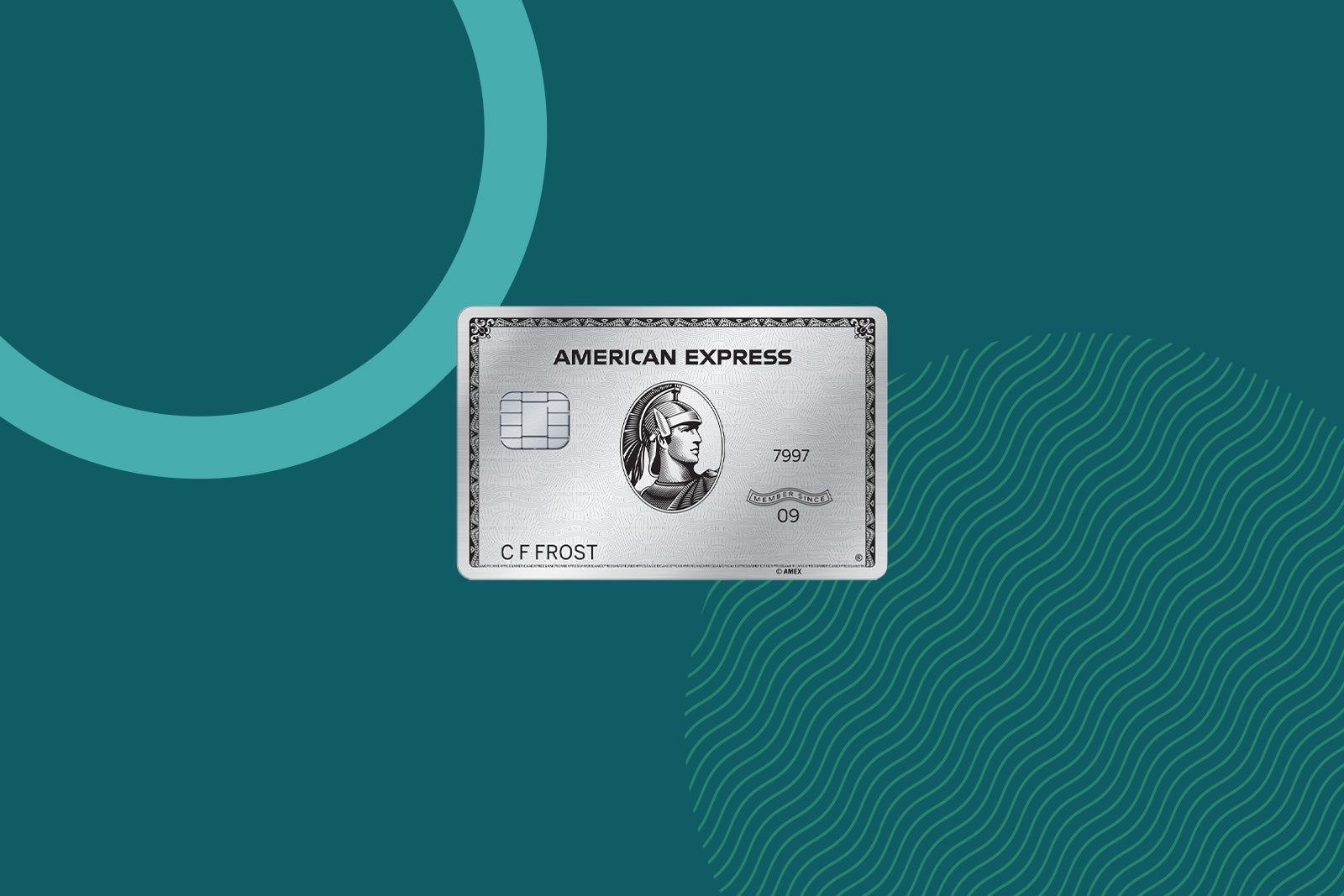
For individual consumers, the American Express Platinum Card® continues to reign as the "king of travel cards." While welcome offers vary by individual eligibility, some applicants are seeing offers as high as 175,000 points after a $12,000 spend in the first six months. This targeted approach by American Express allows them to offer bespoke value to high-profile applicants. With the annual fee now at $895, the card has pivoted toward a lifestyle-centric model, offering credits for digital entertainment, Equinox memberships, and luxury hotel bookings through the Fine Hotels + Resorts program.

The personal Chase Sapphire Reserve remains a staple for the savvy traveler, currently offering 125,000 bonus points after a $6,000 spend in the first three months. Valued at $2,563, this offer is nearly double the historical "standard" offer of 60,000 points. The Sapphire Reserve’s strength lies in its 1.5-cent-per-point floor when redeeming through the Chase Travel portal, providing a safety net for those who do not wish to navigate the complexities of transfer partners.

Mid-Tier Value and the "Sweet Spot" Cards
For those looking to maximize value while keeping annual fees under $100, the Chase Sapphire Preferred® Card and the Citi Strata Premier℠ Card are the clear winners of March 2026. The Sapphire Preferred is offering 75,000 points for a $5,000 spend, a bonus valued at $1,538. This card is often cited by financial experts as the best "first" travel card due to its low $95 fee and its ability to unlock the full power of Chase’s transfer partners.

The Citi Strata Premier, also sporting a $95 fee, offers 60,000 bonus points (valued at $1,140). Citi has worked hard to expand its "ThankYou" rewards program, recently adding more diverse transfer partners and improving its travel portal. For many, the Strata Premier serves as the perfect "everything" card, earning 3x points on gas, groceries, dining, and air travel.

Cobranded Loyalty: Delta, Southwest, and Marriott
March 2026 is a particularly critical month for Delta SkyMiles enthusiasts. American Express is running a series of limited-time offers on its Delta cobranded cards that are set to expire on April 1. The Delta SkyMiles® Reserve and Reserve Business cards are offering up to 125,000 bonus miles, with values exceeding $1,500. These cards are essential for those chasing Delta Medallion status, as they provide significant MQD (Model Quality Dollars) boosts and Sky Club access.
Southwest Airlines fans have a unique opportunity this month as well. The three personal Southwest cards—Plus, Premier, and Priority—are currently bundled with a Companion Pass valid through February 28, 2027, plus a modest point bonus. The Companion Pass is widely considered the best deal in domestic travel, essentially allowing a friend or family member to fly for free (plus taxes) on every flight the cardholder takes. For a frequent Southwest flyer, this "unquantifiable" value can easily reach into the thousands of dollars.
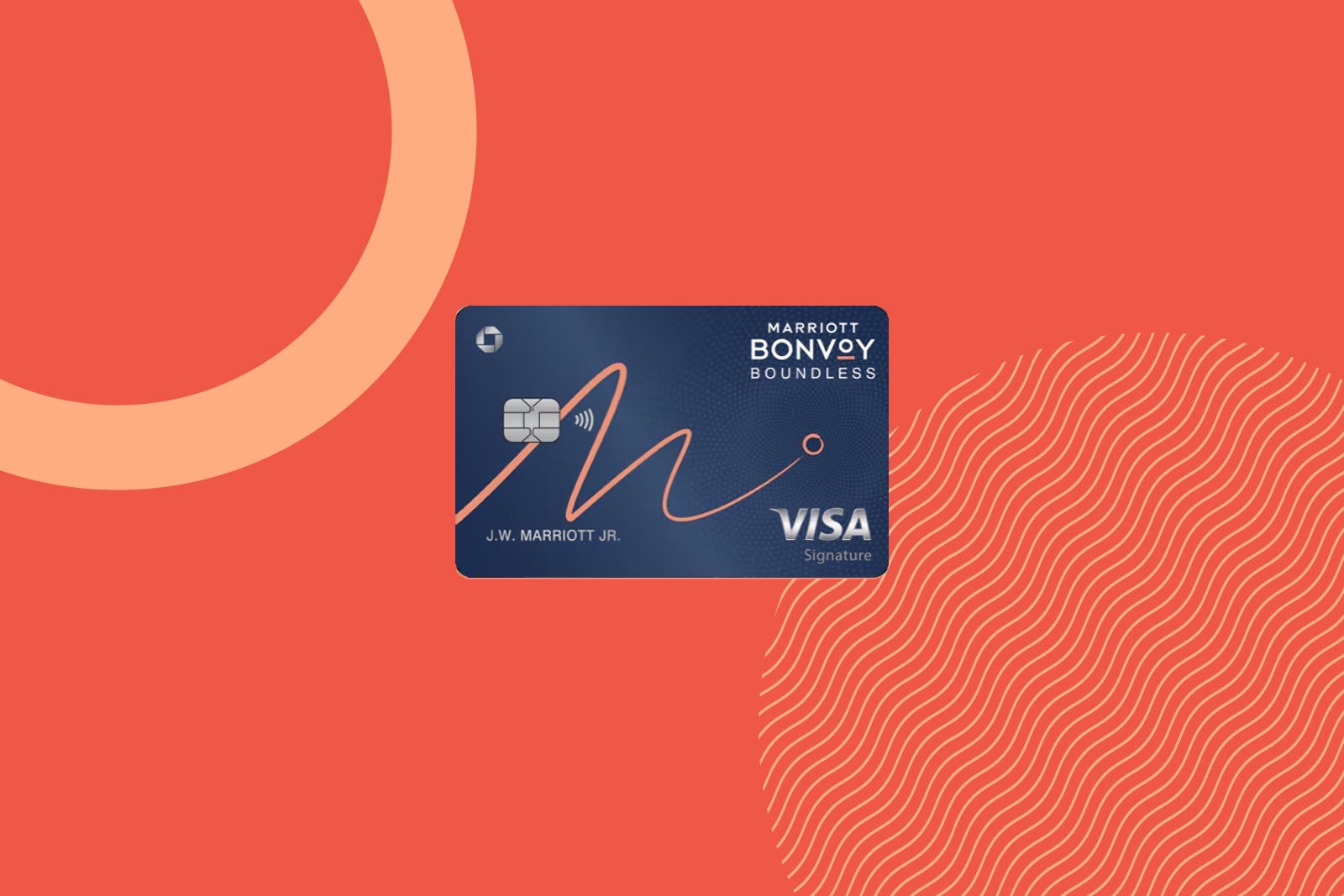
In the hotel sector, the Marriott Bonvoy Boundless® Credit Card is offering five free night awards (up to 50,000 points each) after a $3,000 spend. For travelers planning a stay at high-end properties like the Westin Maui or the Ritz-Carlton Pentagon City, these certificates can cover rooms that would otherwise cost $500 to $700 per night, providing a total value of up to $1,850 when including the new $100 airline statement credit feature.
Emerging Contenders and Niche Markets
A notable addition to the March 2026 list is the Bilt Palladium Card. Building on the success of the original Bilt card, which allows users to earn points on rent without fees, the Palladium version is a $495 annual fee entry into the ultra-premium market. It offers 50,000 bonus points and automatic Gold status, but its real value lies in the 4.4% return on everyday purchases (when opting for Bilt Cash). This card represents a new trend in the industry: rewarding the "fixed costs" of living, such as housing, with high-tier travel rewards.

We also see the continued rise of the Atmos Rewards family, which has become the go-to for Alaska and Hawaiian Airlines loyalists following their high-profile merger. The Atmos Rewards Summit Visa Infinite® offers an 80,000-point bonus and a unique "Global Companion Award," specifically designed to facilitate travel across the newly combined network of the two carriers.

Strategic Considerations: The "Bottom Line"
As you navigate these offers, it is vital to remember the underlying rules of the "points game." Chase’s 5/24 rule remains the most significant hurdle; if you have opened five or more personal credit cards from any issuer in the past 24 months, Chase will likely deny your application. Therefore, experts generally recommend prioritizing Chase cards—like the Sapphire Preferred or the United Quest—before moving on to American Express or Capital One products.

Furthermore, ensure that your spending is "organic." While a $20,000 spend requirement on a Business Platinum card sounds daunting, it should only be pursued if your business already has those expenses. Using a credit card to spend money you don’t have purely to earn a bonus is a losing strategy due to the high interest rates associated with rewards cards.

In conclusion, March 2026 is a month of unprecedented opportunity. Whether you are looking for a massive influx of points for an international "bucket list" trip via the Amex Business Platinum or seeking the domestic utility of a Southwest Companion Pass, the data shows that the current offers are among the strongest we have seen. By matching these offers to your specific travel goals and spending habits, you can effectively subsidize your 2026 and 2027 travel for a fraction of the retail cost. Act before the April 1 deadlines for Delta and the likely expiration of the elevated Sapphire offers to ensure you don’t leave thousands of dollars in value on the table.