
 By admin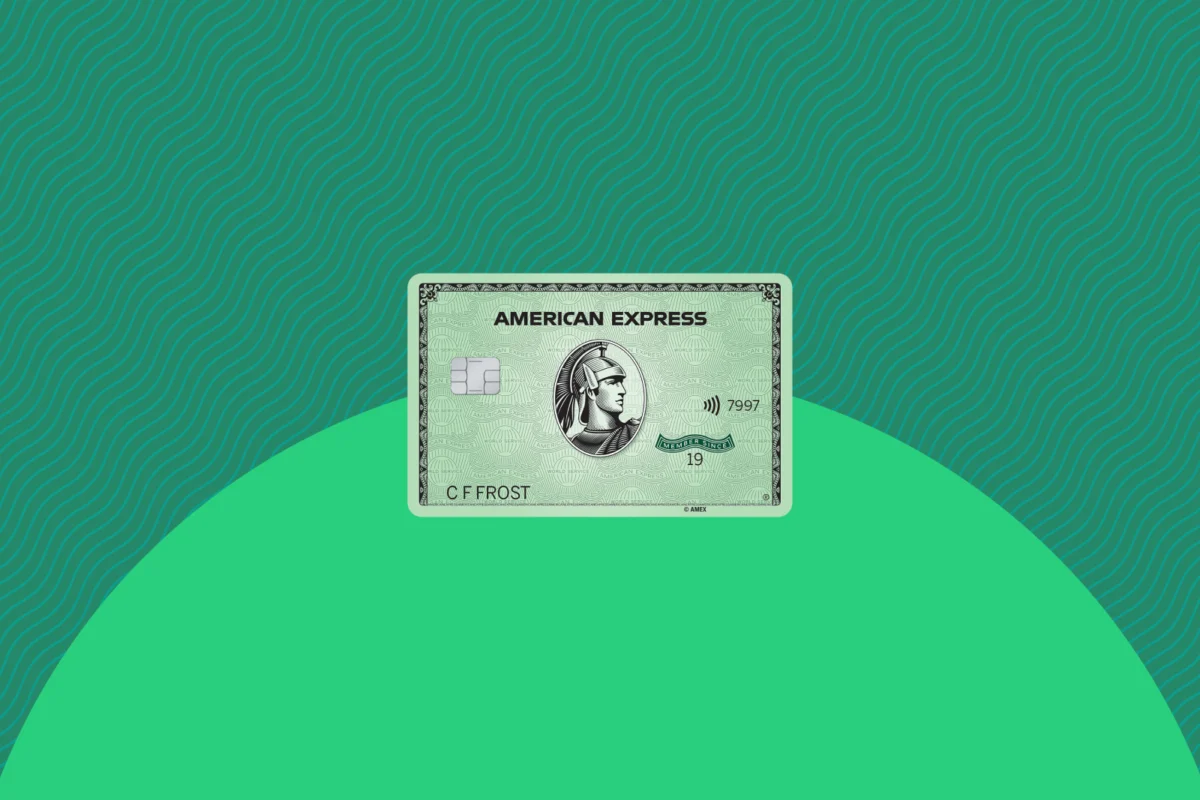
Home rentals have evolved from a niche alternative for budget backpackers into a dominant force in the global travel industry, and for many travelers, booking an Airbnb is now the default choice rather than a secondary option to a hotel. Whether you are seeking a secluded cabin in the woods, a chic urban loft for a business trip, or a multi-bedroom villa for a family reunion, Airbnb provides a level of space, privacy, and local immersion that traditional hotels often struggle to match. However, from a financial strategy perspective, Airbnb presents a unique challenge: unlike major hotel conglomerates like Marriott, Hilton, or Hyatt, Airbnb does not offer a co-branded credit card. This means that travelers cannot rely on brand-specific loyalty points or elite status perks to offset the cost of their stays. Instead, savvy travelers must navigate the broader landscape of "general travel" and "transferable rewards" credit cards to ensure they are not leaving money—or miles—on the table.
Choosing the right credit card for an Airbnb purchase requires a nuanced understanding of how credit card issuers define "travel." While some cards limit their bonus categories to specific sectors like airfare or traditional hotels, the best cards for Airbnb are those with a broad definition of travel that encompasses "vacation rentals." Furthermore, because Airbnb bookings often represent a significant financial outlay, the travel protections offered by a card—such as trip cancellation and interruption insurance—become just as important as the points earned. In a world where an individual host can cancel a booking at the last minute or a property might not live up to its digital photos, having a card that has your back is essential.
The Landscape of Airbnb and the Sharing Economy
To understand why certain cards perform better than others, one must first understand the nature of Airbnb’s service. Airbnb acts as a marketplace, connecting hosts with guests. Because it is a platform rather than a direct service provider like an airline, the way transactions are "coded" by merchant processors is critical. Most major issuers, including Chase, American Express, and Capital One, generally recognize Airbnb as a travel merchant. This allows cardholders to earn bonus points under "travel" categories that might otherwise be reserved for flights or car rentals.

However, the lack of a traditional loyalty program within Airbnb means that your "rebate" comes almost entirely from your credit card rewards. While Airbnb has introduced "AirCover" for guests—a form of protection against host cancellations and listing inaccuracies—it does not replace the comprehensive travel insurance provided by premium credit cards. As we analyze the top contenders for your next booking, we will look at both the earning potential and the peripheral benefits that make a card truly valuable for the modern renter.
American Express Green Card: The Broad Travel Powerhouse
The American Express Green Card has undergone a significant transformation in recent years, positioning itself as a premier option for the modern traveler who favors transit and alternative lodging over traditional luxury hotels. With an annual fee of $150, it sits comfortably between entry-level cards and high-end "black" cards, offering a compelling value proposition for those who spend heavily on diverse travel categories.
The Earning Engine: The Amex Green Card earns 3 Membership Rewards points per dollar spent on travel, and notably, American Express utilizes a very inclusive definition of travel. This includes not just Airbnb and VRBO, but also transit, tolls, parking, and even tours. For an Airbnb enthusiast, a 3x return is exceptional. When valued at approximately 2.0 cents per point (based on industry benchmarks like TPG’s valuations), this represents a roughly 6% return on every dollar spent on lodging.
Beyond the Stay: The card also offers an up to $189 CLEAR Plus credit and a $100 LoungeBuddy credit. For the Airbnb traveler, the CLEAR credit is a significant perk, as it speeds up the airport security process, making the journey to the rental property much smoother. While it lacks the high-end travel insurance of its sibling, the Amex Platinum, its high earning rate on Airbnb makes it a top-tier choice for maximizing point accumulation.
Capital One Venture Rewards: The Simplicity of the "Travel Eraser"
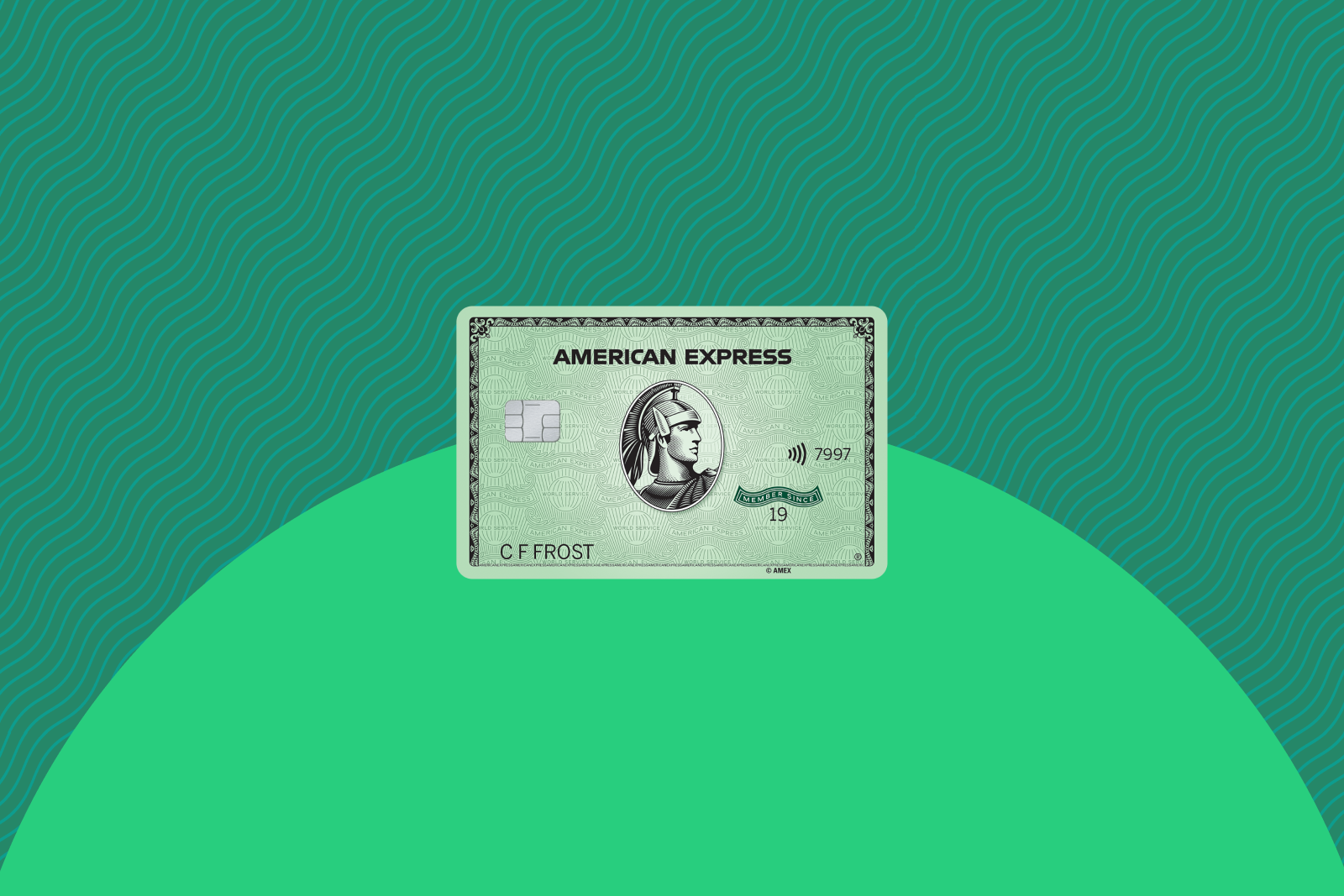
For many travelers, the complexity of transfer partners and "point valuations" is a deterrent. This is where the Capital One Venture Rewards Credit Card shines. With a modest $95 annual fee, it offers a straightforward approach to rewards that is particularly well-suited for the unpredictable nature of Airbnb pricing.
The Earning Engine: The card earns a flat 2 miles per dollar spent on every purchase, regardless of the category. This means you never have to worry about whether a specific Airbnb host is coded correctly; you are guaranteed a 2% minimum return.
The "Travel Eraser" Strategy: One of the most beloved features of the Capital One ecosystem is the ability to "erase" travel purchases. After you pay for your Airbnb stay with the Venture card, you can log into your account and use your accumulated miles to offset the cost of that purchase at a rate of 1 cent per mile. This effectively turns your miles into a flexible travel fund. For those who want more value, Capital One also allows miles to be transferred to over 15 airline and hotel partners, providing a path to high-value international business class redemptions.
Capital One Venture X: The Premium Alternative
For the frequent traveler who wants the benefits of a luxury card without the $695 price tag of some competitors, the Capital One Venture X Rewards Credit Card is a game-changer. With a $395 annual fee, it initially seems expensive, but a $300 annual travel credit (for bookings through Capital One Travel) and a 10,000-mile anniversary bonus effectively bring the net cost down to nearly zero.
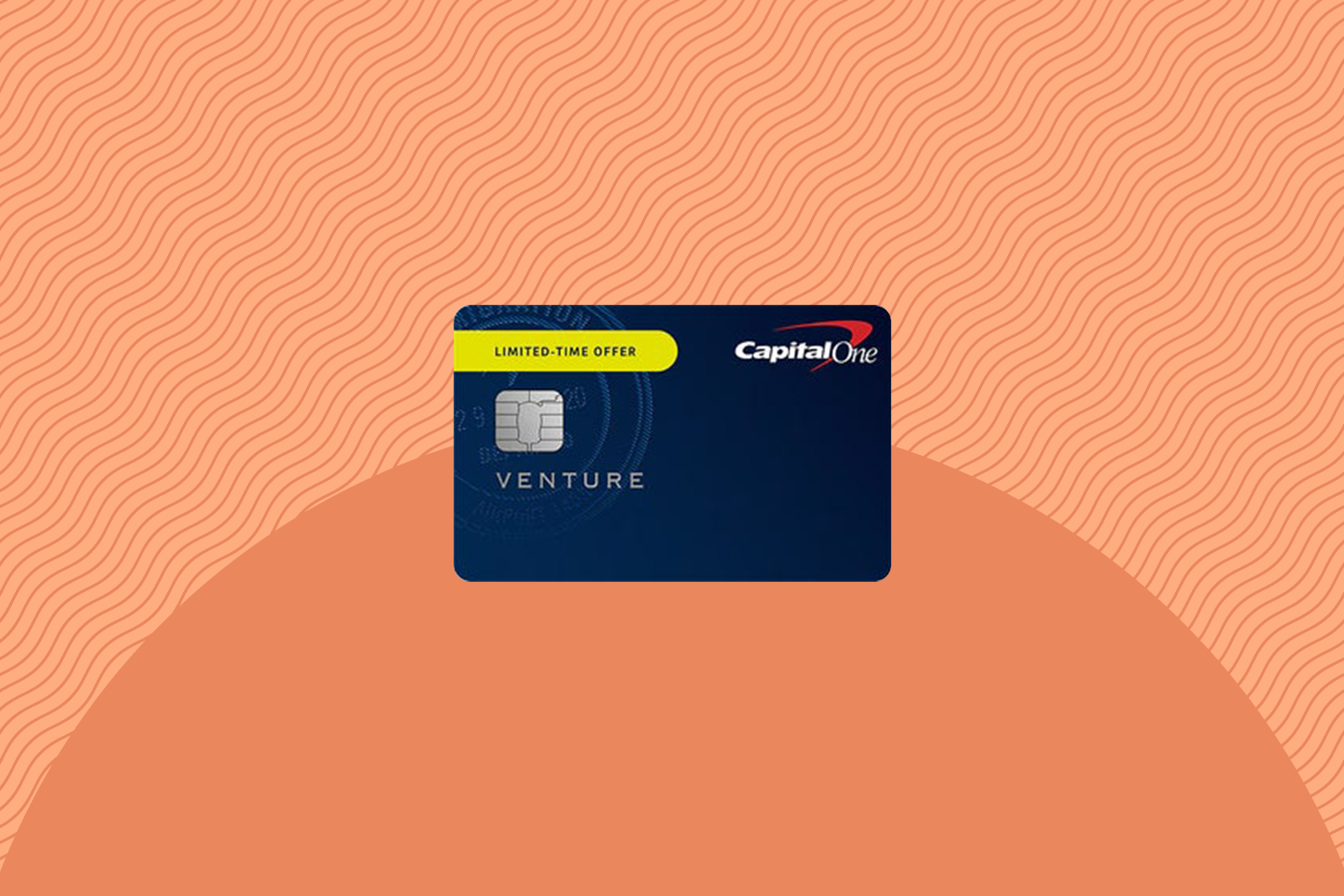
Why it Wins for Airbnb: Like the standard Venture card, the Venture X earns 2 miles per dollar on Airbnb stays. However, it adds a layer of premium protection. It offers excellent trip cancellation and interruption insurance, which is vital for Airbnb stays where logistics can be more complex than a standard hotel check-in. Furthermore, the card provides unlimited access to Capital One Lounges and Priority Pass lounges, ensuring that even if your Airbnb doesn’t have a lobby, your airport experience will be comfortable.
Chase Sapphire Preferred: The Gold Standard for Entry-Level Travel
If you were to ask a group of travel experts which card should be a traveler’s first "real" credit card, the Chase Sapphire Preferred would likely be the unanimous answer. For a $95 annual fee, it provides access to the Chase Ultimate Rewards ecosystem, which many consider the most valuable points currency in the world.
The Earning Engine: The card earns 2 points per dollar on all travel purchases. Chase’s definition of travel is famously broad, explicitly including "timeshares" and "vacation rentals," which encompasses Airbnb.
The Hyatt Connection: While Airbnb is the focus here, the Chase Sapphire Preferred is uniquely valuable because of its transfer partnership with World of Hyatt. Many Airbnb fans use the platform for its unique locations but still enjoy the consistency of high-end hotels. Being able to earn points on an Airbnb stay and then transfer them to Hyatt for a luxury stay elsewhere is a powerful "hybrid" travel strategy. Additionally, the card offers primary rental car insurance and robust trip delay protection, making it a reliable companion for any road trip that involves an Airbnb booking.
Ink Business Preferred: The Small Business Strategy
For entrepreneurs, freelancers, or those with a "side hustle," the Ink Business Preferred Credit Card offers one of the highest earning rates available for Airbnb. As a business card, it is designed to reward common business expenses, but its travel category is exceptionally generous.
The Earning Engine: This card earns 3 points per dollar on the first $150,000 spent in combined purchases on travel and other business categories each account anniversary year. Since many small business owners use Airbnb for extended work stays or team retreats, the ability to earn 3x Ultimate Rewards points is massive. With a high welcome bonus (often 100,000 points after a specific spend threshold), this card can fund several future Airbnb stays almost immediately upon hitting the sign-up requirement.
Wells Fargo Autograph Journey: The New Contender
The Wells Fargo Autograph Journey is a relatively new player in the premium travel space, but it has quickly made a name for itself by offering high multipliers for a low $95 annual fee.
The Earning Engine: The card earns an impressive 3 points per dollar on general travel, which includes Airbnb. This puts it on par with the Amex Green in terms of raw earning power but at a lower price point. Wells Fargo has also been expanding its list of transfer partners, including Choice Privileges and various international airlines, making these points increasingly versatile. For a traveler who wants high-earning potential without the complexity of a business card or the high fee of a premium card, the Autograph Journey is a formidable choice.

Advanced Strategies: Maximizing the Airbnb Ecosystem
Beyond simply swiping the right card at checkout, there are several advanced strategies that can further increase your return on Airbnb stays.
- The Gift Card "Hack": Many savvy points earners avoid paying Airbnb directly. Instead, they use a card like the American Express® Gold Card to buy Airbnb gift cards at a US supermarket, earning 4x Membership Rewards points (up to $25,000 in purchases per year). Alternatively, using a Chase Ink Business Cash® at an office supply store to buy Airbnb gift cards can net 5% cash back (or 5x points if paired with a Sapphire card). You then apply these gift cards to your Airbnb account. This "stacks" your rewards, often yielding a much higher return than the 2x or 3x offered by travel cards.
- Shopping Portals: Before booking, always check for "stacking" opportunities through shopping portals. While Airbnb is not always available on traditional portals like Rakuten, airline portals (such as British Airways or Delta) occasionally offer bonus miles for every dollar spent on Airbnb bookings made through their links.
- Reviewing Cancellation Policies: Unlike hotels, which often have standardized 24- or 48-hour cancellation windows, Airbnb hosts set their own policies. These can range from "Flexible" to "Strict." When using a credit card for these bookings, ensure your card has "Trip Cancellation for a Covered Reason" insurance. This doesn’t cover "change of mind," but it does protect you if you become ill or a family emergency arises.
Expert Perspective: The Future of Airbnb Rewards
Industry analysts suggest that as Airbnb continues to mature as a public company, the pressure to offer a co-branded loyalty product will grow. However, for now, the lack of a "native" Airbnb card is actually a benefit for the flexible traveler. It forces the use of transferable points—currencies that are not devalued by a single company’s policy changes.
When choosing between these cards, the decision should come down to your broader travel goals. If you value simplicity and want to "wipe away" the cost of your stay, the Capital One Venture series is unbeatable. If you are looking to build a massive stash of points for a dream vacation in a luxury hotel or an international first-class cabin, the Chase Sapphire or Amex Green cards are the superior tools.
Conclusion
Airbnb has redefined how we experience the world, offering a sense of "home" in almost any corner of the globe. While the platform lacks its own credit card, the current market of travel rewards cards provides more than enough opportunity to earn significant value on every booking. By selecting a card that offers at least 2x points on travel, and ideally one that provides robust travel insurance, you can ensure that your next home-away-from-home is not only a memorable experience but a financially savvy one as well. Whether you are a business traveler, a digital nomad, or a family on vacation, the right piece of plastic in your wallet is the key to unlocking the full potential of the sharing economy.