
 By Titik Puspa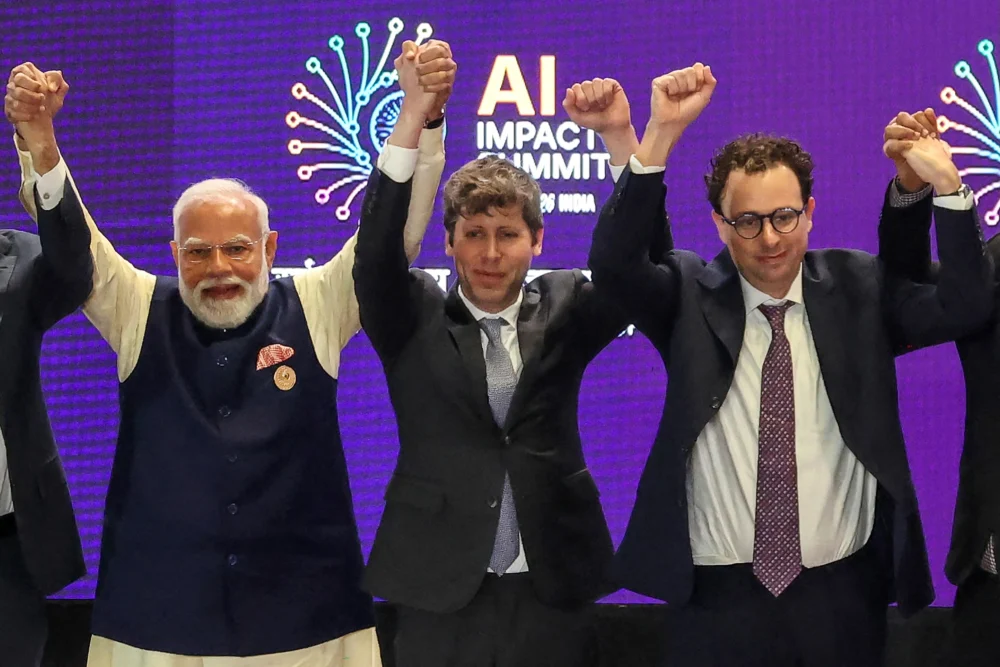
The digital landscape is witnessing a profound transformation, as the traditional reliance on advertising revenue within the creator economy proves increasingly insufficient. In a dynamic evolution that is reshaping how online personalities monetize their influence, creators are aggressively diversifying their income streams, venturing beyond the familiar territory of ad clicks and sponsorships to build tangible business empires. This strategic pivot is not merely an isolated trend; it’s rapidly becoming the definitive playbook for ambitious creators seeking long-term sustainability and substantial wealth accumulation.
The paradigm shift is vividly illustrated by the actions of prominent figures like MrBeast, a YouTube sensation whose entrepreneurial endeavors have expanded far beyond video content. His company’s recent acquisition of Step, a fintech app specifically targeting Gen Z, underscores a sophisticated business strategy that leverages his massive audience for broader market penetration. More remarkably, his foray into the consumer packaged goods sector, specifically with his chocolate business, is reportedly outearning his established media arm. This remarkable financial success in a seemingly unrelated industry highlights a calculated move to tap into diverse revenue streams, demonstrating that a creator’s brand equity can be a potent launchpad for ventures far removed from their original platform.
This phenomenon isn’t confined to a single superstar. Across the creator spectrum, a growing number of individuals are emulating this multi-faceted approach. From launching their own branded product lines, encompassing everything from apparel and beauty products to specialized tools and educational courses, to acquiring existing startups that align with their niche or audience interests, creators are actively demonstrating their acumen as entrepreneurs. This strategic diversification serves multiple critical functions: it hedges against the volatility of platform algorithms and ad rates, it provides more direct control over their income and brand, and it allows them to build deeper, more meaningful connections with their audiences through tangible products and services.
The implications of this trend are far-reaching, prompting critical questions about the scalability of these creator-led businesses. Can this model of diversification extend beyond the top echelon of creators, the select few who command millions of followers and have the resources to execute complex business strategies? Or is this a phenomenon inherently limited to the elite, leaving the vast majority of content creators to grapple with diminishing returns from ad revenue alone? These are precisely the questions being dissected by the hosts of TechCrunch’s "Equity" podcast, Kirsten Korosec, Anthony Ha, and Rebecca Bellan. In their latest episode, they delve into the intricacies of how creators are moving beyond ad dependency, examining the viability of their expanded business models and their potential for broader application.
The "Equity" podcast discussion also broadens its scope to encompass other significant developments in the tech and business world. Amidst the analysis of the creator economy’s evolution, the hosts are also providing insights into crucial news emerging from India’s AI Impact Summit. This summit, a significant gathering for stakeholders in artificial intelligence, offers a window into the accelerating advancements and burgeoning opportunities within the AI sector in one of the world’s largest and fastest-growing economies. The inclusion of this topic alongside the creator economy’s transformation underscores a broader theme of innovation and disruption across various sectors, highlighting how technology and entrepreneurial spirit are converging to redefine industries.
The entrepreneurial drive within the creator economy is not a new concept, but its current manifestation is characterized by a heightened level of ambition and strategic sophistication. Historically, creators relied heavily on ad revenue generated through platforms like YouTube, Facebook, and Instagram. Sponsorships and affiliate marketing were supplementary income streams, often viewed as bonuses rather than core business components. However, several factors have converged to necessitate a departure from this model. Fluctuations in ad rates, algorithm changes that can drastically impact reach and engagement, and the increasing saturation of content have all contributed to a more precarious financial environment for many creators.
The emergence of sophisticated analytics tools and a deeper understanding of audience demographics have empowered creators to move beyond passive content creation. They now possess the data and insights to identify unmet needs within their communities, enabling them to develop products and services that resonate deeply with their followers. This direct-to-consumer (DTC) approach bypasses traditional retail channels, allowing creators to maintain higher profit margins and exert greater control over their brand messaging and customer experience. For instance, a fitness influencer might launch their own line of workout apparel and supplements, leveraging their credibility and demonstrating the efficacy of their products through their own content. Similarly, a gaming streamer could develop custom gaming peripherals or launch a subscription-based community platform offering exclusive content and early access to events.
The acquisition of startups by creators, as exemplified by MrBeast’s move with Step, represents an even more advanced stage of entrepreneurial integration. This strategy allows creators to enter established markets with pre-existing infrastructure, customer bases, and operational expertise. By acquiring a fintech app, MrBeast is not only tapping into a lucrative financial services sector but also positioning himself as a legitimate business leader capable of navigating complex regulatory environments and technological landscapes. This demonstrates a commitment to building enduring enterprises that transcend the ephemeral nature of online fame.
The concept of "empire building" within the creator economy signifies a shift from individualistic monetization to the establishment of robust, diversified businesses with long-term growth potential. This involves not just selling products but also creating entire ecosystems that cater to the needs and desires of a dedicated fanbase. This could include building media companies, developing educational platforms, investing in other ventures, or even establishing philanthropic arms that align with their brand values. The goal is to create multiple, interconnected revenue streams that provide financial resilience and amplify their overall impact.
However, the critical question of scalability remains a significant point of discussion. While the top 1% of creators possess the resources, influence, and brand recognition to embark on ambitious ventures, the path to success for the vast majority is considerably more challenging. The investment required for product development, marketing, legal compliance, and operational management can be substantial. Furthermore, maintaining audience engagement and trust while transitioning from content creator to business owner requires a delicate balance. Creators must ensure that their commercial activities do not detract from the authenticity and value they provide to their followers.
The "Equity" podcast’s examination of these issues is timely and essential. By dissecting the strategies of successful creators and analyzing the potential pitfalls, the hosts provide valuable insights for aspiring entrepreneurs in the creator economy. Their discussion about India’s AI Impact Summit adds another layer of complexity, highlighting how emerging technologies are not only shaping the content creation landscape but also offering new avenues for innovation and business development across global markets. The convergence of AI and the creator economy, for example, could lead to hyper-personalized content experiences, AI-powered tools for content optimization, and entirely new forms of interactive entertainment.
The journey from content creator to business magnate is fraught with challenges, but the rewards for those who successfully navigate this transition can be immense. As the creator economy continues its rapid maturation, it is clear that the future belongs to those who can think beyond ad revenue and build sustainable, diversified enterprises. The examples set by figures like MrBeast are not just inspiring anecdotes; they are blueprints for a new era of entrepreneurship, where influence is leveraged to build tangible value and create lasting legacies. The ongoing discourse on platforms like TechCrunch’s "Equity" podcast is crucial in demystifying this evolution and providing guidance for the next generation of digital business leaders.