
 By admin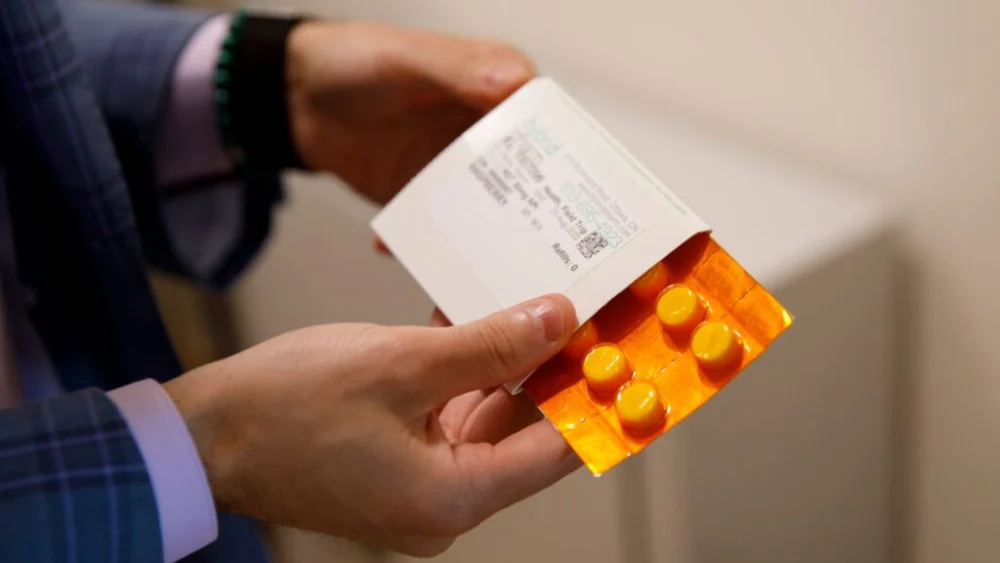
Telehealth companies are currently mailing Schedule III narcotics to tens of thousands of depressed patients across the United States, hailing the practice as the ultimate democratization of mental healthcare. They use the language of social justice and equity, calling this model "expanded access" for the underserved. However, a closer look at the mechanics of these platforms suggests a different term: abandonment. Inside the neatly packaged ketamine boxes delivered to doorsteps from Maine to California, the most critical component of psychiatric intervention is missing— a doctor. Because these platforms provide no real-time medical monitoring during the actual treatment session, they have effectively turned vulnerable patients into their own safety monitors, forcing them to navigate a high-stakes medical minefield from the isolation of their own bedrooms.
The rise of at-home ketamine therapy is a direct byproduct of a mental health system in crisis. For many, including myself, the journey began with a desperate search for relief from treatment-resistant depression (TRD). A year ago, I achieved a hard-won remission using Spravato, an FDA-approved esketamine nasal spray administered in a medically supervised clinic. The results were life-changing, yet the logistical and financial hurdles were immense. When my insurance provider eventually denied coverage for extended maintenance treatments—a common occurrence in the American healthcare landscape—I was forced to look for an affordable alternative. This search led me into the burgeoning world of telehealth ketamine, a sector that has exploded in popularity since the relaxation of federal prescribing regulations.
I turned to the digital commons for guidance, joining two prominent Reddit communities: r/TherapeuticKetamine and r/KetamineTherapy. I expected to find a community of patients sharing tips on mindfulness or music playlists for their sessions. Instead, I discovered what can only be described as a digital triage unit run entirely by patients for patients. I watched in real-time as users compared diametrically opposed instructions from various telehealth providers and attempted to manage severe, frightening side effects using the "upvote" system as a proxy for medical expertise. Deeply concerned by the lack of professional oversight, I paused my own plans to sign up with a provider and instead spent six months analyzing thousands of Reddit posts and comments from individuals using at-home oral ketamine.
This deep dive was an extension of my work running KetamineTherapyForDepression.org, a noncommercial patient-advocacy site dedicated to summarizing evidence and logistics for those seeking treatment. As an independent researcher with no financial ties to clinics, pharmaceutical companies, or telehealth startups, my goal was to understand the reality of the patient experience behind the marketing gloss. To be clear, the findings from social media do not constitute prevalence data; those who are struggling or experiencing adverse events are naturally more likely to post than those who are satisfied. However, what this qualitative analysis reveals is a series of patterns—early-warning signals that suggest a systemic failure in the telehealth model. When the same clinically specific questions regarding dosing confusion and side effect triage surface repeatedly, it indicates a breakdown in the provider-patient relationship.
The stakes are uniquely high because telehealth ketamine services typically operate outside of centralized, mandatory adverse-event reporting systems. Consequently, these social media signals may be one of the few places where emerging risks become visible to the public. My analysis led to an unsettling conclusion: telehealth ketamine has crossed the line from technological innovation to an abdication of care. By stripping away the real-time medical supervision that is legally and clinically mandated for every other form of ketamine therapy, these services have created a system where the entire burden of safety management falls on the shoulders of the person suffering from a mental health crisis.
This is not a fringe phenomenon confined to the corners of the internet. We are witnessing a massive, decentralized experiment occurring in American bedrooms. Joyous, a low-cost telehealth subscription service, recently reported data on over 45,000 patients. Mindbloom, a major player in the space, claims to have facilitated nearly 600,000 at-home ketamine dosing sessions—defined as individual administrations lasting 45 to 60 minutes—across 38 states since 2019. These numbers confirm that tens of thousands of individuals are undergoing potent dissociative experiences without a medical professional in the room.
The contrast between clinical administration and the telehealth model is stark. When I received Spravato in a clinic, the protocol was rigid and safety-oriented. I was monitored every moment; a pulse oximeter was attached to my finger, a nurse checked my vitals at regular intervals, and a psychiatrist was immediately available for consultation if the experience turned distressing. I was never alone with the drug. In the telehealth model, "supervision" is often an automated or outsourced afterthought. Most protocols require a video monitor, often referred to as a "guide" rather than a clinician, only for the very first session. Subsequent sessions, where dosages are often increased, are frequently performed solo.
While the industry celebrates this as a victory for patient autonomy, my analysis reveals an unsettling picture of provider-sanctioned self-harm. The warning signs flashing on Reddit are now manifesting in tragic real-world outcomes. The American Journal of Psychiatry recently documented a case where a woman became unresponsive after being instructed—though the source of the instruction remains unclear—to swallow her 1,200-milligram dose instead of spitting it out as is standard for oral troches. She required emergency transport and treatment for a ketamine overdose, with blood concentrations reaching levels equivalent to general anesthesia. Furthermore, Mindbloom was recently hit with a wrongful death lawsuit after a patient allegedly overdosed on provided ketamine without proper medical oversight.
The risks are well-documented, yet seemingly ignored in the rush to scale these businesses. The death of actor Matthew Perry served as a tragic global public service announcement regarding the dangers of using ketamine without professional supervision. Moreover, the Food and Drug Administration (FDA) issued a public warning more than two years ago specifically targeting the risks associated with compounded, unmonitored at-home oral ketamine. My Reddit analysis illustrates the physical toll of this neglect. Users frequently described chronic vomiting, severe anxiety, and persistent bladder pain—a condition known as ketamine-induced cystitis that can lead to permanent organ damage. Patients on these forums are seen asking internet strangers if blood in their urine is "normal" or if they should stop their 500mg dose, simply because they cannot reach their provider or the provider has failed to warn them of the risks.
The dosing protocols in the telehealth world are particularly chaotic. While FDA-approved Spravato has a strict maximum of 84 mg per session, at-home prescriptions reported by patients range from 50 mg to a staggering 800 mg—a 16-fold variance. Patients on these high doses described terrifying, "K-hole" dissociative states where they were unable to move or speak, leading to genuine fears of impending death. Others reported psychotic episodes or, conversely, no benefit at all, leading to a cycle of frustration and further experimentation. One patient captured the absurdity of the situation perfectly, writing: "My provider wants to increase me to 600mg. That seems insane. Is it safe?"
Proponents of the telehealth model argue that requiring in-person visits or continuous monitoring creates insurmountable barriers for those in rural areas or those with limited financial means. They operate under the utilitarian logic that "some access is better than no access." As someone who was priced out of a clinic, I understand the desperation for affordable care. However, we must distinguish between access to a chemical substance and access to healthcare. Sending a powerful dissociative drug to a vulnerable patient’s mailbox without a consistent safety protocol or real-time monitoring is not healthcare; it is negligence rebranded as convenience.
The regulatory environment remains in a state of flux, allowing these companies to continue their operations. The Drug Enforcement Administration (DEA) recently issued a fourth temporary extension of Covid-era telemedicine flexibilities, allowing providers to prescribe Schedule II–V controlled substances without an initial in-person visit through December 31, 2026. This extension means the danger will likely persist for at least another two years. While the intention of the extension was to prevent a "cliff" in care for patients relying on legitimate telehealth, it has also provided a shield for companies to continue a business model that prioritizes volume over patient safety.
Ultimately, my research led me to abandon my plan to try oral ketamine. I realized that the "savings" offered by telehealth were predicated on the removal of the very safety nets that make the treatment viable. What haunts me most is the realization that I possessed the research skills and medical literacy to investigate these risks before diving in. The vast majority of patients, blinded by the fog of depression and the promise of an affordable cure, do not. They see the polished websites and the celebrity endorsements, unaware that they are entering a "treatment" program that expects them to be their own emergency room physician. Until the day comes when patients no longer have to ask strangers on the internet how to take a narcotic without damaging their internal organs, we have not democratized mental health. We have merely democratized the abandonment of the vulnerable.