
 By Rifan Muazin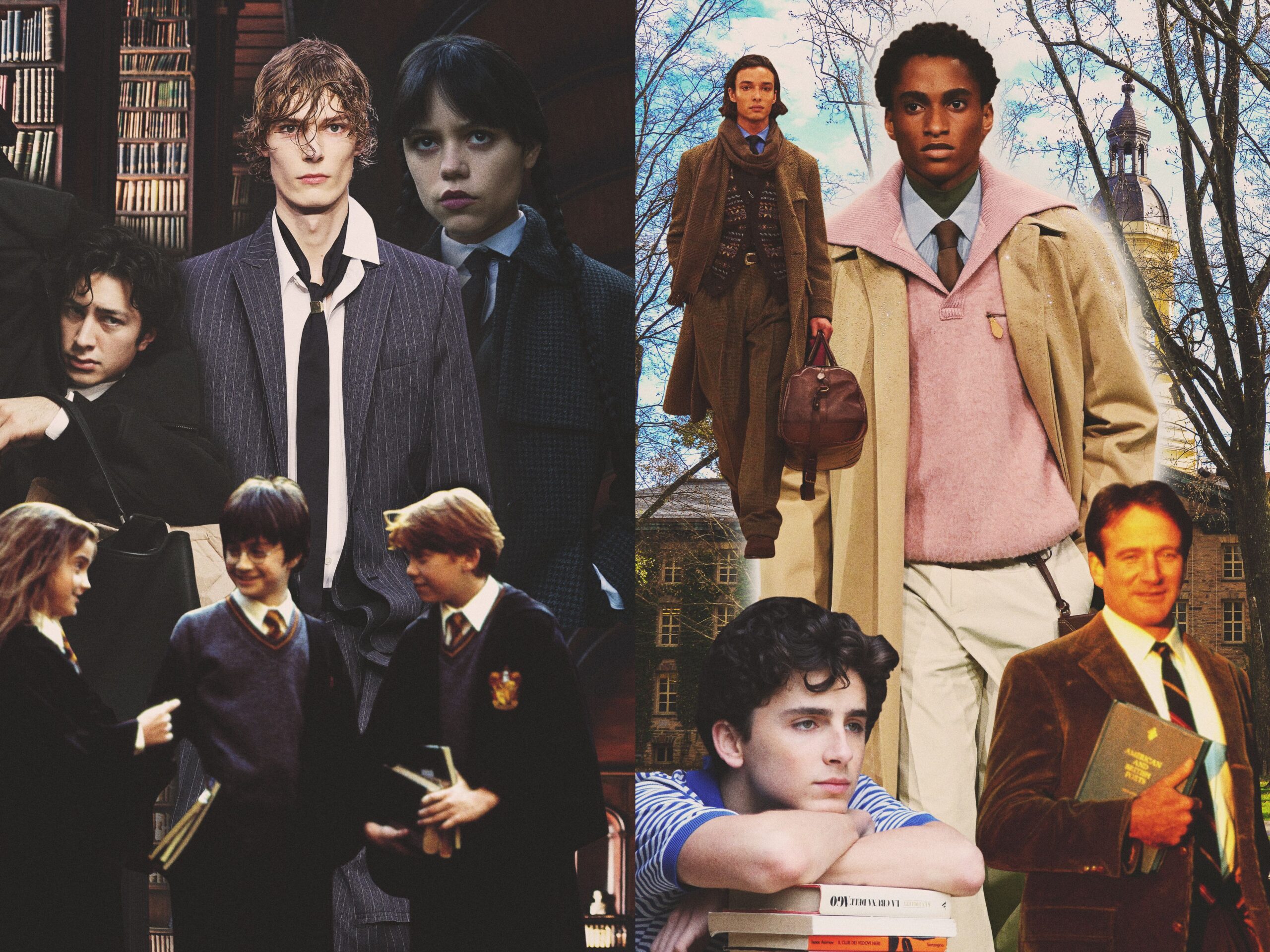
The ivy-covered walls of elite schools and universities have long been a subject of intense cultural intrigue, evoking a profound curiosity about the arcane rituals and intellectual transformations occurring within these storied institutions. For decades, the insular nature of academia has fostered a sense of exclusivity, leaving those on the outside wondering: what do the students within those hallowed halls know that the rest of us do not? This mystique is not merely a product of architectural grandeur or historical prestige; it is a carefully cultivated atmosphere that has been fueled by a century of popular media, from the literary juggernaut of the Harry Potter series to the 1989 cult classic Dead Poets Society. This enduring fascination has birthed two of the most resilient subcultures on the modern internet: "dark academia" and "light academia," styles that have transcended simple fashion choices to become full-fledged lifestyles for a global community of enthusiasts.
On TikTok, a platform known for its rapid-fire consumption of trends, the academia aesthetic has proven to have remarkable staying power. While most microtrends—the hyper-niche "cores" like gnomecore or coastal grandmother—tend to flicker and fade within a single season, academia has remained a constant source of inspiration for Millennials and Gen Z since the early heyday of Tumblr in the 2010s. The visual language of the trend is unmistakable: men and women sporting heavy wool trousers, structured dark overcoats, and carrying leather-bound books as if rushing to a lecture on 19th-century existentialism. The digital footprint of this movement is staggering; currently, on TikTok alone, there are over 700,000 videos tagged under #darkacademia and more than 80,000 under #lightacademia. These numbers reflect a broader cultural shift toward a romanticized version of intellectualism that prioritizes the aesthetic of learning as much as the pursuit of knowledge itself.

Both dark and light academia deliver curated, autumnal ensembles that evoke the crisp, anticipatory feeling of the first day of a new semester. Each aesthetic favors a heavily layered approach to dressing, utilizing garments that suggest both durability and tradition: tweed jackets, chunky cable-knit sweaters, and turtlenecks. However, the two branches diverge sharply in their emotional resonance and color palettes. Dark academia leans into a gothic, moody sensibility, favoring charcoal, forest green, burgundy, and black. It is the aesthetic of the midnight library, the secret society, and the "mad, bad, and dangerous to know" scholar. Light academia, by contrast, offers a preppier, cozier vibe. It utilizes a palette of creams, beiges, and pastels, suggesting a sun-drenched afternoon in a New England coffee shop or a leisurely stroll through a campus garden.
While these styles are rooted in historical dress, their growth in the contemporary market is driven by data-backed consumer interest. According to Pinterest, searches for menswear that channels these specific aesthetics have skyrocketed year over year. Users are increasingly seeking out the foundational pieces of the academic wardrobe: searches for "wool trousers outfits" have surged by 235%, "white oxford shirt outfits" by 220%, "long overcoats" by 150%, and the quintessential academic footwear, "brogues," by 115%. Interestingly, the trend is no longer confined to the classroom or the weekend. The aesthetic is infiltrating the professional sphere as well, with searches for "dark academia office outfits" up by 70%, suggesting that workers are looking to trade the sterile "business casual" look for something with more character and intellectual weight.
To understand why these visual signifiers are so attractive, one must look at the psychological and sociological undercurrents of higher education. Dr. Joshua Bluteau, an assistant professor at Coventry University and author of Dressing Up: Menswear in the Age of Social Media, notes that there is something inherently enamoring about the "transformational power" associated with universities. Old-school universities—with their grand Gothic architecture, traditional formalwear, and persistent reverence for 19th-century European literature—capture a fantasy version of higher education that feels isolated from the chaotic, rapidly changing modern world. This version of academia, though often a departure from the grueling reality of modern student life, offers what Bluteau describes as a "romantic idea of having three or four years just to think." In an era defined by the "hustle culture" and digital distraction, the idea of slow, deliberate thought is a luxury in itself.

Dark academia, in particular, has maintained a iron grip on the cultural imagination since it emerged from the "studyblr" community on Tumblr over a decade ago. This subculture grew out of a community that glorified the act of studying through moodboards, poetry reblogs, and a shared fantasy of attending a prestigious, old-world university surrounded by brilliant, if slightly unhinged, peers. Ari Levine, Tumblr’s vice president of brand partnerships, explains that the aesthetic crystallized around "romantic melancholy" and the notion that intellectual obsession could be beautiful. Much of this imagery is drawn from "campus novels," a literary genre that explores the dark underbelly of academic life. Donna Tartt’s 1992 masterpiece, The Secret History, serves as the foundational text for dark academia. Centered on a group of murderous classics students at a Vermont college, the novel perfectly encapsulates the aesthetic’s blend of high intellect and moral decay.
The influence of dark academia extends into mainstream pop culture juggernauts. From the scholarly robes of Hogwarts to the moody, occult-tinged uniforms of Nevermore Academy in Netflix’s Wednesday, the "moody schoolboy" look has become a shorthand for mystery and prestige. This has not gone unnoticed by the high-fashion industry. Recent runway shows from Sacai, Dries Van Noten, and Craig Green have all riffed on academic uniforms, while Balenciaga’s recent campaigns have leaned into the allure of the elite, brooding scholar. Even the world of sports and celebrity is getting involved; fashion-forward stars are increasingly seen adopting the "academic" look, bridging the gap between the library and the red carpet.
Light academia, meanwhile, serves as the brighter, more accessible sibling to the dark aesthetic. It is characterized by its "pastel-y beigeness" and is closely aligned with classic "Ivy Style." This look has seen a "dirtbag renaissance" lately, as Gen Z revitalizes preppy classics from legacy brands like Ralph Lauren and J.Press. The aesthetic is also bolstered by a renewed interest in historical figures like JFK Jr., whose style during his years at Brown University in the early 1980s is considered the gold standard of light academia. This version of the trend conjures images of an idyllic New England town, a coffee in hand, and the rustle of falling leaves. Media examples like Gilmore Girls, Call Me By Your Name, and even the Regency-era Bridgerton all contribute to this through-line of pale-toned, European-inflected preppiness.

Beyond the clothes, academia-based styles carry a heavy subtext of "unspoken wealth." Dr. Bluteau points out that dressing in this way suggests access to a different kind of life—one defined by leisure and intellectual pursuit rather than labor. There is a "high-class shabbiness" to the academic look that mirrors the "old money" and "quiet luxury" trends. It stands in direct contrast to the traditional business suit, which has fallen out of favor as it became emblematic of a "banker aesthetic" associated with financial crises and corporate privilege. The academic look, by comparison, feels "luscious" and "hard-wearing." It is smart and well-put-together, yet idiosyncratic and textured, appealing to a generation that values personal expression over corporate conformity.
As the trend evolves, it is beginning to fragment into even more specialized niches. Sydney Stanback, global trends and insights lead at Pinterest, notes the rise of "poetcore." This offshoot maintains the intellectual, vintage backbone of academia but adds a more romantic, "lived-in" feel, incorporating cultural cues like dog-eared paperbacks, typewriters, and messy notebooks. This fragmentation reflects a broader cultural desire for fashion that feels timeless and meaningful rather than disposable. Furthermore, the academia aesthetic is uniquely accessible. Many of its hallmark pieces—the wool blazer, the cable-knit sweater, the Oxford shirt—are staples of thrift stores. This is a crucial factor for Gen Z, who have driven massive growth in the secondhand market as they seek out affordable, eco-conscious, and durable clothing.
Ultimately, the enduring popularity of dark and light academia speaks to a profound longing for an idealized intellectual life. As Ari Levine points out, the longing isn’t for a real past, but for a romanticized version of education—one stripped of student debt, inaccessible institutions, and the friction of the real world. In an age where AI and automation have disincentivized the slow, human act of learning, these aesthetics offer a sanctuary. They celebrate the beauty of handwritten notes, the silence of a library, and the depth of a conversation held over coffee. Whether or not one has ever stepped foot on an Ivy League campus, the academia aesthetic allows anyone to channel an air of learnedness and a commitment to the life of the mind, proving that even in a digital age, the allure of the ivory tower remains as strong as ever.