
 By admin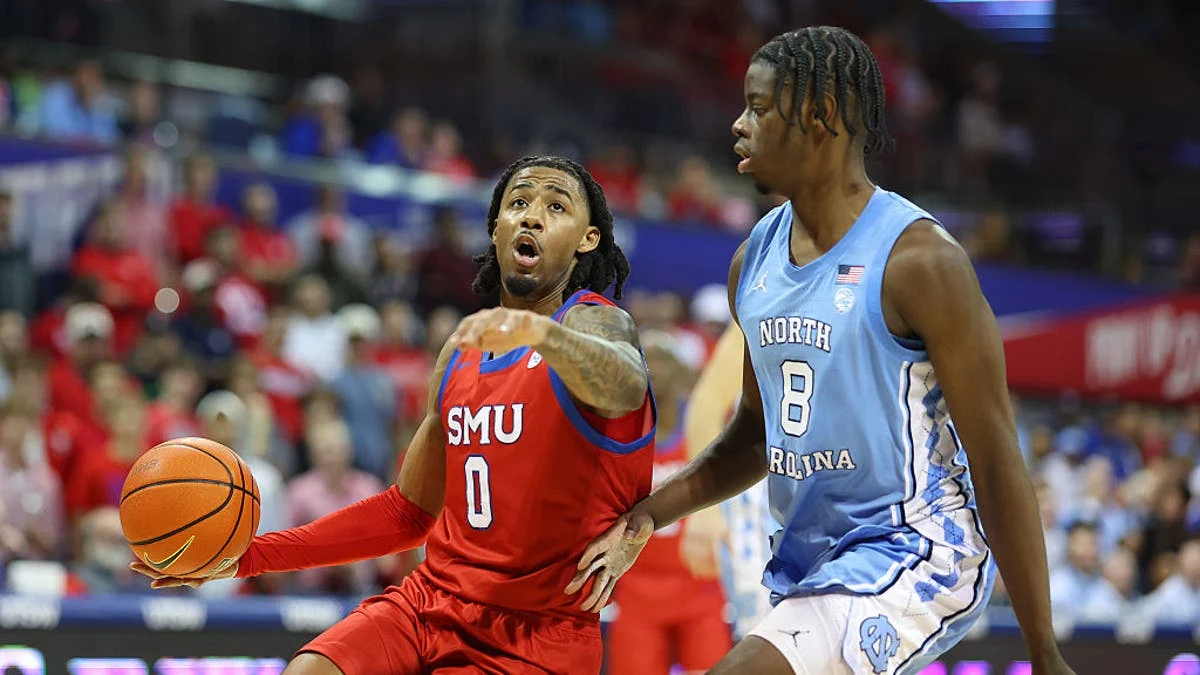
The pivotal question that emerged in the aftermath of the loss was the exact reasoning behind SMU’s inclusion in the NCAA Tournament field. NCAA selection committee chair Keith Gill, when pressed on the matter, offered a revealing, albeit contentious, explanation. "One of their important players, (BJ) Edwards, lost five of six of those games," Gill stated regarding SMU’s inclusion. "He’s coming back. He’s the third leading scorer, defensive player. And so, the quality of wins and obviously them getting back to full strength allowed them to kind of get that last spot." This statement, intended to clarify the committee’s decision-making process, instead inadvertently opened a Pandora’s Box of ethical questions and accusations of potential deception.
The core of the controversy lies in the apparent reliance of the NCAA Selection Committee on the reported health status of a player on a team considered to be on the bubble. The implication from Gill’s statement is that the committee factored in the imminent return of B.J. Edwards, a key contributor, as a significant factor in their decision to grant SMU a tournament bid. This raises a fundamental question: Should the NCAA be placing such significant weight on the projected availability of a player, especially when that information originates from the very institution seeking the tournament berth? The financial implications of making the NCAA Tournament are substantial, not only in terms of revenue generated by participation but also through increased national exposure and potential future recruiting advantages. This financial incentive, critics argue, could create an environment where a program might be tempted to exaggerate a player’s readiness or downplay the severity of an injury to bolster their case for inclusion.
The timeline of events further fueled the suspicion. Leading up to "Selection Sunday," the narrative surrounding Edwards’ injury was carefully managed. SMU reportedly communicated to the NCAA that Edwards was expected to play in their opening tournament game. This communication, likely delivered through official channels and social media statements, was apparently taken at face value by the committee. However, the reality that unfolded on game day painted a different picture. Two hours before tip-off against Miami (OH), the official injury report listed B.J. Edwards as "out." This sudden discrepancy between the communicated expectation and the final status immediately triggered accusations that SMU may have strategically presented a more optimistic health outlook to secure their tournament spot.
The NCAA, by its own admission, seems to have placed a degree of trust in the information provided by SMU. "Ok, so they trusted a school that was on the bubble to give correct information on a player’s availability with a spot in the tournament on the line," the article points out, effectively placing the onus back on the NCAA. The sentiment here is that the governing body for college athletics bears a significant responsibility to verify such critical information, especially when it directly influences a decision as significant as tournament inclusion. The article continues, "Sorry, NCAA, that’s on you. Just making the tournament is a financial gain for the Mustangs, and maybe they actually did think Edwards would be available for the opening game against Miami (OH)." This perspective suggests that while SMU might have indeed harbored genuine hope for Edwards’ participation, the NCAA’s reliance on this hopeful projection, rather than concrete confirmation, proved to be a strategic misstep.
Following the loss, SMU head coach Andy Enfield addressed the media regarding Edwards’ absence. Enfield explained that while Edwards had looked good in practice and had been shooting well in the preceding days, he ultimately did not feel "game ready." "He looked really good in practice today, last couple days, he shot the ball well," Enfield stated. "He’s moving well, but I think there’s a thing called game readiness, and he just didn’t feel like he was quite game ready. He said, ‘I could definitely play on Friday, if we win this game,’ definitely going to play on Friday, but just not quite game ready. Really, that was probably a day short." This explanation, while plausible from a player’s perspective, did little to assuage the concerns of those who questioned the timing and the perceived ambiguity of the situation. The notion of "game readiness" being a subjective assessment, particularly in a high-stakes scenario, allows for considerable interpretation and, unfortunately, potential manipulation.
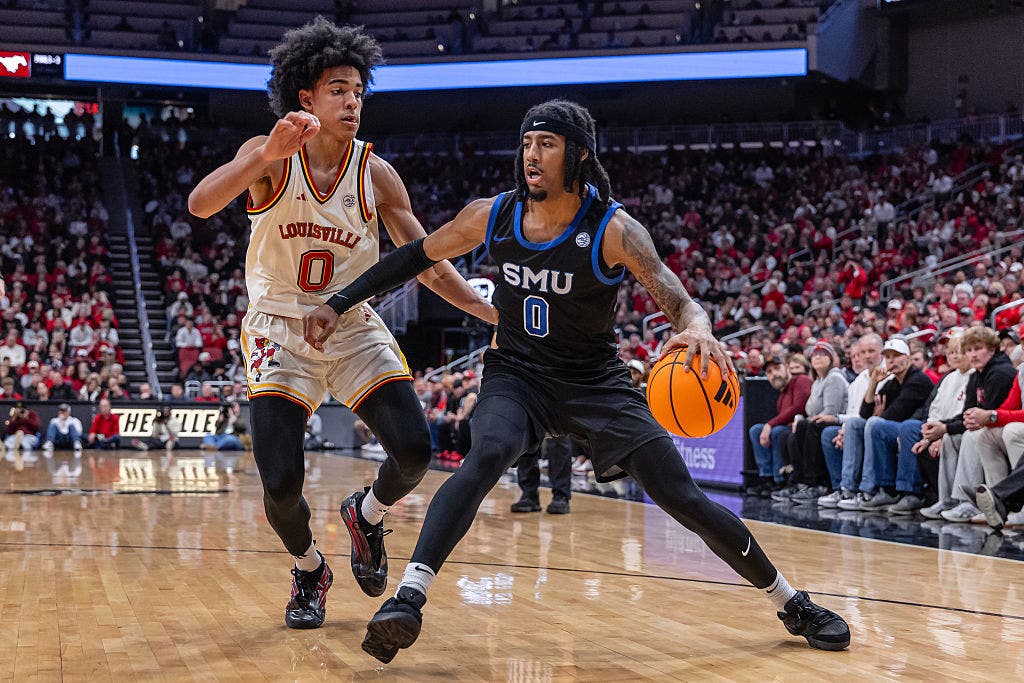
To gain further insight into the complexities of such situations, OutKick reached out to a Power-4 head coach, who offered a candid perspective on the ordeal. "I’m sure the Edwards kid had the intention of playing. But, if you’re relying on the school to give you full transparency with a spot in the tournament on the line, it’s on the NCAA for relaying the message that this was a main reason as to why they got in," the coach remarked. This expert opinion highlights a critical vulnerability in the NCAA’s selection process: the over-reliance on self-reported information from teams with a vested interest in the outcome. The coach further elaborated, "What’s SMU supposed to say? They weren’t going to imply that he’d be ready by the second game, but not the first. If that were the case, it didn’t sound as if the NCAA would have put them in." This statement underscores the perceived pressure on teams to present a narrative that aligns with the committee’s apparent preferences, even if it involves navigating a fine line of transparency. The implication is that if SMU had been more forthright about Edwards’ lingering issues and uncertain availability for the initial game, they might have been excluded from the tournament altogether.
The ramifications of this incident extend beyond the immediate controversy surrounding SMU. It raises broader questions about the integrity and transparency of the NCAA Tournament selection process. For years, discussions have swirled about the subjective nature of bubble teams and the criteria used to differentiate between worthy contenders and those on the outside looking in. The SMU-Edwards situation exemplifies how perceived manipulation of player health information can become a significant factor in these high-stakes decisions.
One of the key takeaways from this event is the potential need for the NCAA to implement more rigorous verification protocols for player availability, especially for teams vying for tournament berths. Relying solely on a school’s self-reported status, particularly when financial incentives are so pronounced, appears to be an inadequate safeguard against potential misrepresentation. This could involve independent medical evaluations for key players on bubble teams or a more stringent system for confirming injury status closer to game time.
Furthermore, the incident may prompt a re-evaluation of how the committee weighs the "getting back to full strength" factor. While the return of a key player can undoubtedly elevate a team’s performance, the NCAA must ensure that this consideration is based on objective, verifiable evidence rather than optimistic projections. The risk of penalizing teams that are genuinely healthy and at full strength, while inadvertently rewarding teams that might have strategically managed injury information, is a significant concern.
The article concludes with a hopeful, yet cautionary, note: "Either way, hopefully the NCAA learned a lesson from this ordeal. And next time, I’d imagine the selection committee won’t trust an availability report for a team on the bubble, or a team looking to increase its seeding in the tournament." This sentiment reflects a widespread desire for a more transparent and equitable selection process. The hope is that the controversy surrounding B.J. Edwards and SMU will serve as a catalyst for change, leading to a more robust and trustworthy system that upholds the spirit of fair competition and ensures that tournament bids are awarded based on merit and verifiable circumstances, not on potentially misleading information. The future of March Madness selection may hinge on the lessons learned from this particular controversy, ensuring that the integrity of the tournament remains paramount.