
 By admin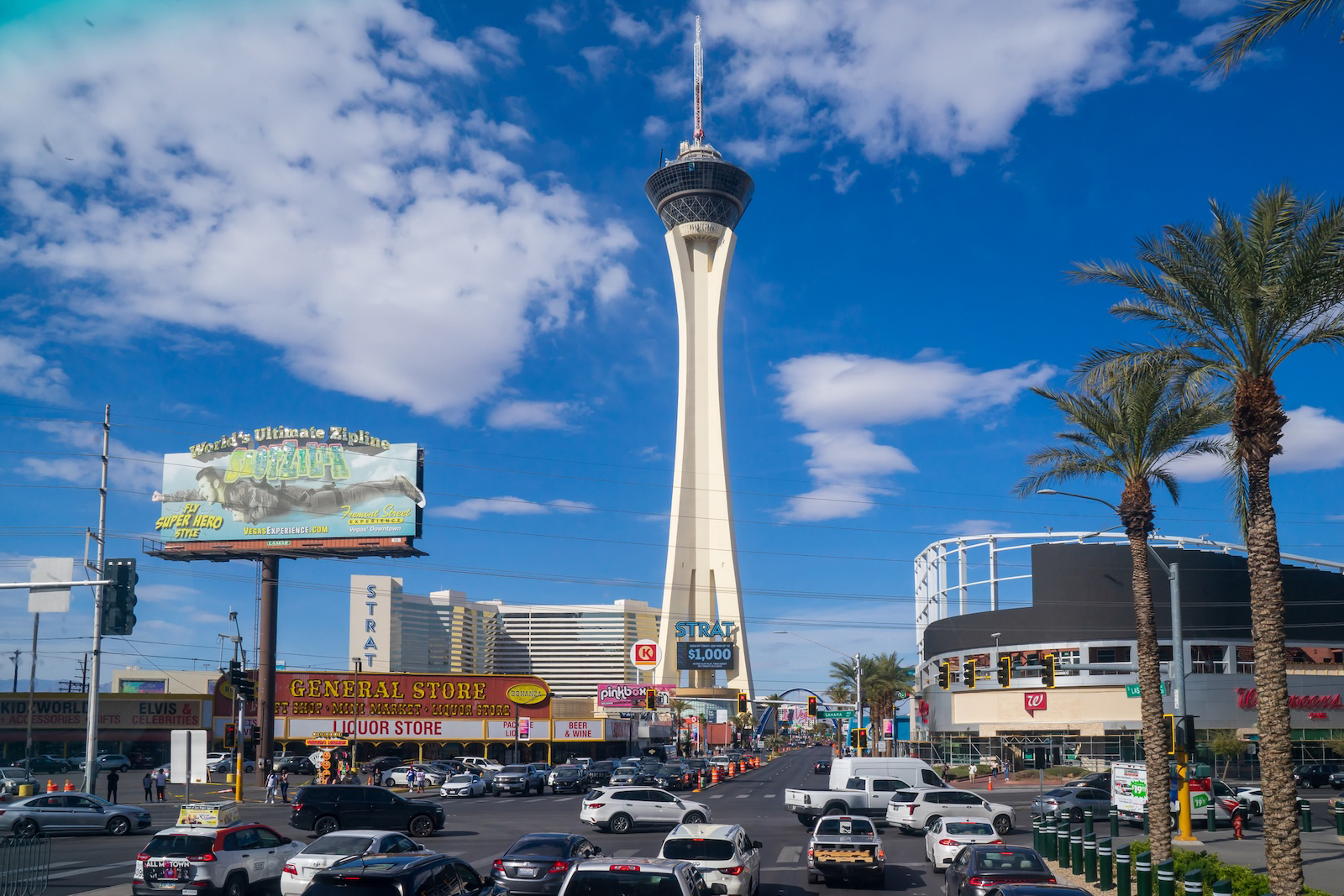
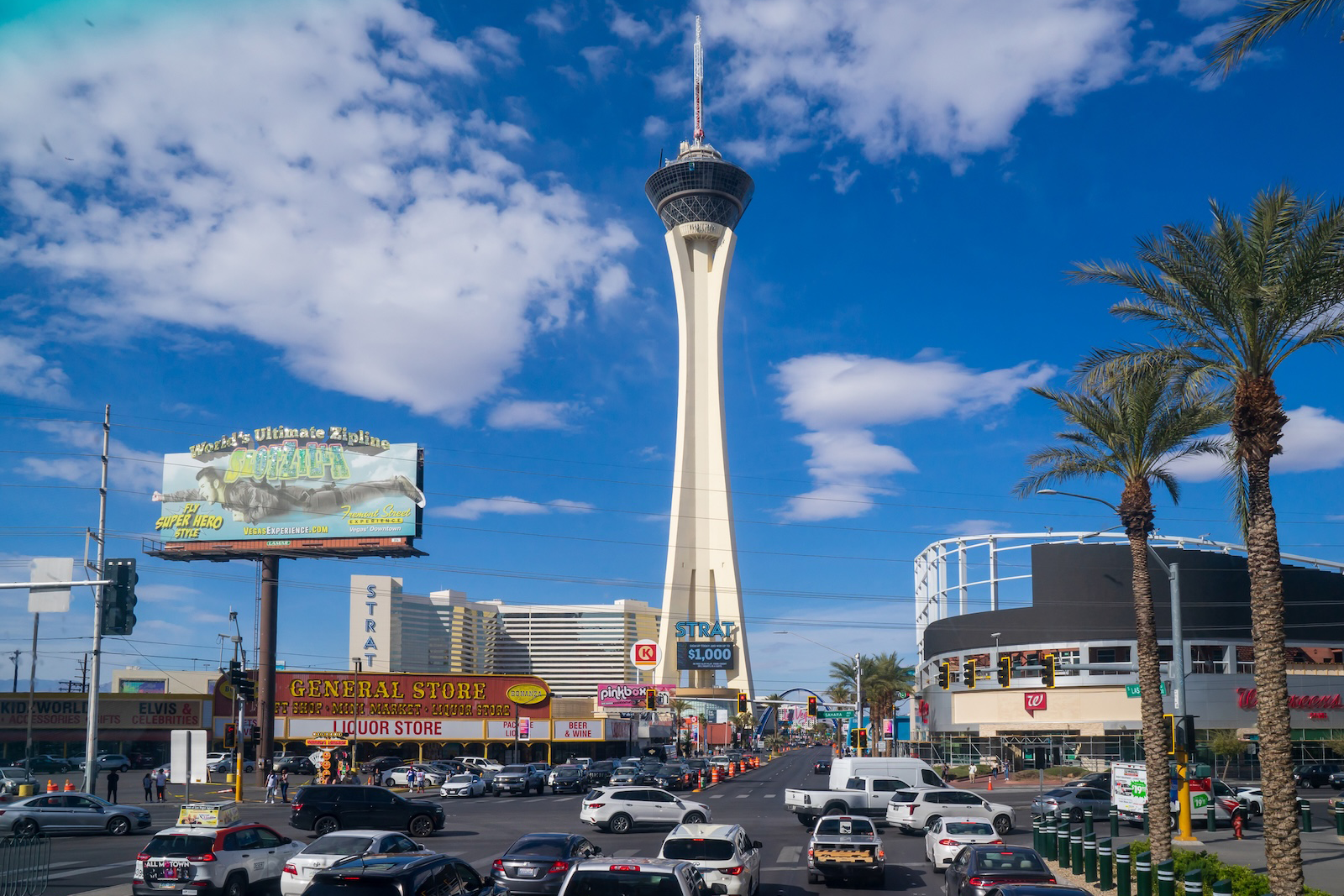
For Mikel Wilham, the spring of last year was supposed to be a season of renewal and celebration. After enduring a grueling year-long battle with cancer and finally completing chemotherapy, he and his wife, Christe, sought the neon-lit solace of Las Vegas. They checked into The Strat, a landmark hotel and casino known for its iconic tower, hoping for a few days of well-deserved respite. Instead, their trip ended with a jarring $396 "smoking fee" tacked onto their final bill. The Wilhams, lifelong nonsmokers who had spent the previous twelve months prioritizing Mikel’s respiratory health during his oncological treatment, were baffled. When they challenged the charge, the general manager at The Strat pointed to what he described as "definitive proof": a digital report generated by a hidden air-quality sensor manufactured by a company called Rest.
The report was clinical and uncompromising, stating that the data indicated a smoking event had occurred during their stay. Despite the couple’s pleas for an immediate physical inspection of the room to prove the absence of odor or ash, the hotel management refused. The Wilhams were caught in a modern-day Kafkaesque trap, where a machine’s algorithm served as the sole judge, jury, and executioner. This experience is far from an isolated incident. Across the United States, a growing number of travelers are finding themselves embroiled in multi-month battles to reclaim hundreds of dollars in fees based on the readings of "smart" sensors that hotels increasingly rely upon to enforce smoke-free policies.

As the hospitality industry moves toward greater automation to cut labor costs and improve efficiency, the human element of guest services is being replaced by proprietary technology. While these sensors are marketed as foolproof tools to protect hotel assets and ensure a clean environment for subsequent guests, evidence is mounting that they are prone to false positives triggered by common grooming products, steam, and environmental factors. For the Wilhams, it took the intervention of a consumer advocate and the submission of private medical records to prove their nonsmoking status before the executives at The Strat—who are typically shielded from direct customer complaints—finally issued a refund.
The financial stakes of these automated accusations are significant. At the Kimpton Palladian Hotel in Seattle, Joseph Tincher and his pregnant partner were hit with a $500 smoking fee following a two-night stay last September. Tincher, who suffers from asthma, intentionally chooses smoke-free properties to protect his health and that of his expecting partner. When he discovered the charge two days after checkout, he assumed it was a clerical error. However, the hotel’s front desk insisted that the Rest sensor in their room had flagged cigarette smoke. Tincher even offered to undergo a nicotine test to prove his innocence, but the general manager declined, asserting that the sensor’s technology was infallible.
The dispute escalated to the Better Business Bureau (BBB), where the hotel management publicly doubled down, stating they had reviewed the detection notes with the system vendor and confirmed their validity. This highlights a critical flaw in the current system: hotels often view the sensor data as an absolute truth, ignoring the context of the guest’s life or the possibility of mechanical error. Tincher eventually filed a credit card dispute under the Fair Credit Billing Act, a federal law designed to protect consumers from unfair billing practices. However, the credit card issuer ultimately sided with the hotel because the property provided the "official" air-quality report as evidence. In the eyes of a bank, a digital printout from a third-party sensor often carries more weight than a customer’s word.

The resolution for Tincher only came four months later when a new general manager took over the Kimpton Palladian. This manager offered a more nuanced perspective, acknowledging that sensors should be used in conjunction with other indicators—such as physical inspections—rather than as standalone proof. He noted that the lack of a room inspection immediately following the alert made the charge indefensible. This admission points to a systemic issue: if a sensor triggers an alert, why are hotels not inspecting the rooms in real-time to catch the "violation" in progress? Often, the answer lies in understaffing or a reliance on the technology to provide "passive" revenue through fines.
The technological limitations of these sensors become even more apparent when considering the case of Justin Hasty and his wife at the Home2 Suites Philadelphia City Center. The couple, members of the Church of Jesus Christ of Latter-day Saints, adhere to a strict religious covenant that prohibits smoking and vaping. Despite this, they were charged $300 based on a Rest sensor alert. Their defense was ironclad: time-stamped photos showed they were miles away at a gaming convention at the exact moment the sensor claimed they were smoking in their room. After mediation, the vice president of the Wurzak Hotel Group, which manages the property, refunded the fee and admitted the case was being forwarded to Rest for a review of potential false positives.
Analysis of these cases suggests a recurring culprit: the chemistry of grooming. In the case of Patrick Brown and his girlfriend at The Strat, a $566 fee was triggered after his girlfriend spent hours in the bathroom using a combination of egg whites, hairspray, gel, a blow dryer, and a flat iron to create a "standup mohawk" for a punk rock event. The molecular signatures of certain aerosols, when combined with high heat from styling tools, appear to mimic the particulate matter or chemical markers that the sensors are programmed to identify as smoke or vapor. Despite the Rest sensor reports explicitly stating that aerosols cannot trigger the device, the real-world data from these disputes suggests otherwise.
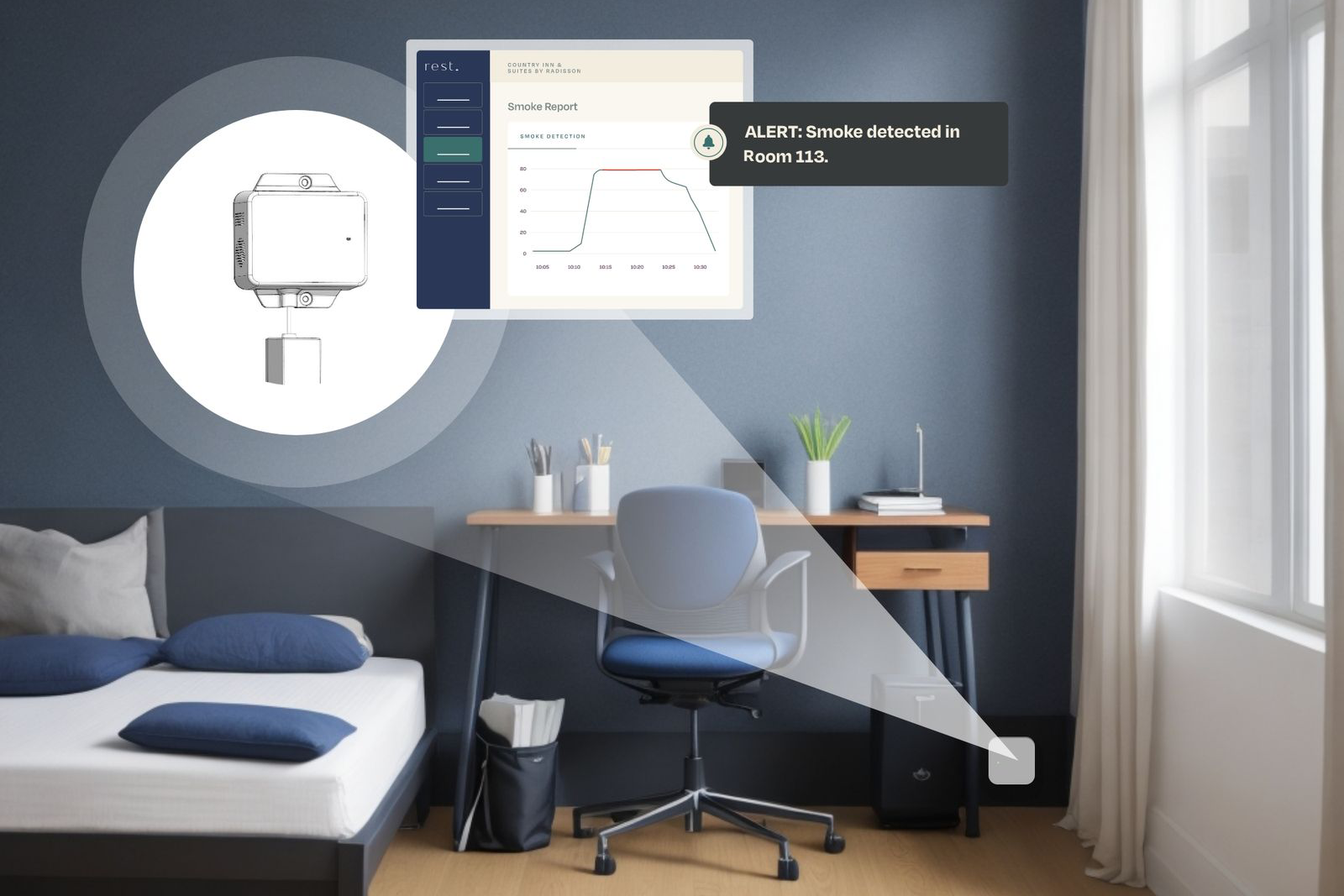
The Rest sensor is a prominent player in the "PropTech" (property technology) market, used by major brands including Hilton and IHG. These devices are designed to detect the combustion of tobacco and marijuana, as well as the chemical markers of vaping. For hotel owners, the value proposition is clear: smoking in a room can cost hundreds of dollars in deep-cleaning fees, involving ozone machines, carpet shampooing, and lost "room nights" while the space is remediated. However, when the technology is used without human oversight, it transforms from a maintenance tool into a liability for guest relations.
A spokesperson for Rest clarified that the company does not issue charges or make enforcement decisions; they merely provide data to the hotels. The spokesperson also encouraged partners to "exercise discretion" and consider "environmental factors." This suggests a disconnect between the manufacturer’s intended use of the product and the way hotel managers are actually deploying it. Many managers use the "definitive" language in the sensor’s printout to shut down guest complaints, effectively using the technology as a shield against the labor-intensive process of investigating a dispute.
To protect themselves, travelers must now adopt a more defensive posture during hotel stays. Experts suggest checking recent reviews for mentions of "false smoking fees" before booking, as some properties have higher rates of these complaints than others. Upon check-in, guests should ask if sensors are installed and where they are located. If a room has a preexisting odor of smoke or cleaning chemicals, it must be reported immediately to ensure the current guest isn’t blamed for a predecessor’s actions. Furthermore, when using hairspray or heat-based styling tools, guests should always use the bathroom fan or ensure the room is well-ventilated to prevent the accumulation of particulates that might trigger an alert.
If a guest is hit with a surprise fee, the most effective course of action is to demand an immediate room inspection while still on the property. If the hotel refuses, the guest should document the names of the staff members and the time of the request. While credit card disputes are often unsuccessful in these cases, providing medical records or religious affidavits can sometimes sway a corporate executive if the local manager remains obstinate. Finally, reporting the incident to the state’s Attorney General can help regulators identify patterns of "junk fees" or predatory billing practices associated with specific hotel brands.
The evolution of hotel technology should ideally serve both the business and the consumer. However, the current reliance on air-quality sensors like Rest demonstrates a dangerous trend toward "automated accusation." As long as hotels prioritize the data of a machine over the lived experience and evidence provided by their guests, the hospitality industry risks eroding the very trust that is fundamental to its brand. Human oversight, common sense, and a willingness to investigate before fining remain the only way to ensure that a celebratory getaway doesn’t turn into a multi-month legal and financial nightmare. The burden of proof should remain with the accuser, not the guest who is simply trying to enjoy a smoke-free stay.