
 By Rifan Muazin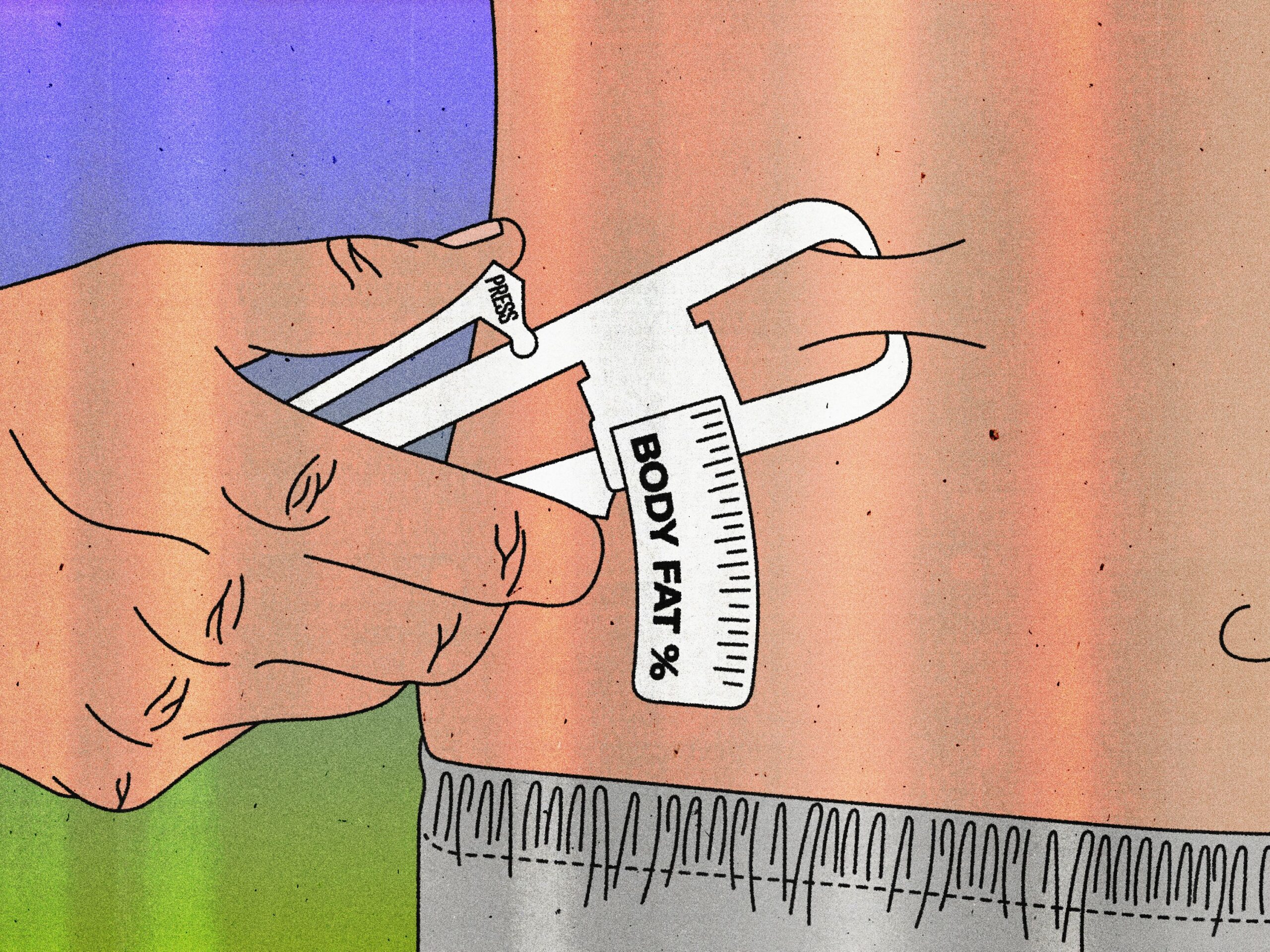
Body fat percentage—the specific ratio of your total body mass that is comprised of adipose tissue—has long served as the ultimate metric within the fitness community, often superseding total body weight in importance. While the number on the scale provides a generalized view of mass, body fat percentage is the variable that determines whether the hours spent performing core exercises actually translate into visible muscle definition. However, as medical science advances, the conversation around body fat is shifting from a purely aesthetic pursuit to a critical indicator of long-term health, metabolic resilience, and systemic inflammation.
In the traditional "gym bro" lexicon, body fat is often viewed as an obstacle to be minimized at all costs, yet modern endocrinology suggests a more nuanced reality. According to Paul Kriegler, RD, CPT, a registered dietitian and director of nutritional product development at Life Time, body fat is one of the most potent predictors of both healthspan and lifespan. It is not merely an inert storage depot for excess calories; rather, it is an active endocrine organ that influences how the body manages disease, recovers from physiological stress, and regulates inflammatory responses. The level of body fat an individual carries dictates the body’s functional capacity over decades, acting as either a protective reserve or a driver of chronic illness.
Despite its importance, experts like Kevin Gendreau, MD, a board-certified obesity medicine physician, warn that obsessing over reaching the lowest possible percentage can be as detrimental to health as ignoring the metric entirely. Dr. Gendreau suggests framing body fat similarly to other clinical markers, such as waist circumference or blood glucose levels. It is a data point that reflects the efficiency of an individual’s metabolism. Whether the goal is to reveal a "Marvel movie" six-pack or to move out of a high-risk medical category, understanding the physiological implications of body fat is essential for any sustainable wellness strategy.
The quest for visible abdominal muscles is perhaps the most common driver for monitoring body fat. The fitness industry frequently cites the adage that "abs are made in the kitchen," a sentiment backed by biological reality. A person can possess world-class core strength and hypertrophy, yet those muscles will remain obscured if the layer of subcutaneous fat covering them is too thick. Paul Kriegler notes that body fat is essentially the "reveal" factor. When individuals focus exclusively on hypertrophy in the gym while neglecting nutritional precision, they often find themselves in a state of "perma-bulk," where muscle mass increases but definition remains elusive.
Achieving the level of leanness required for visible abs necessitates a calculated caloric deficit coupled with high protein intake to preserve lean muscle tissue. For most men, the threshold for abdominal visibility begins at approximately 15% body fat. However, this is not a universal rule. Kriegler explains that fat distribution is heavily influenced by genetics; some men may appear lean at 15%, while others—due to a predisposition for storing fat in the midsection—may not see significant definition until they dip below 10%. Dr. Gendreau echoes this, noting that factors such as muscle density and the location of adipose tissue deposits mean that a "shredded" look is highly individualized.
Beyond the mirror, the medical necessity of managing body fat is tied to the dangers of excess adipose tissue, particularly visceral fat. Unlike subcutaneous fat, which sits just under the skin, visceral fat is stored deep within the abdominal cavity, surrounding vital organs such as the liver, pancreas, and intestines. This type of fat is metabolically active in a way that is profoundly harmful to the human body. Kriegler points out that excess fat produces inflammatory signals and disruptive hormones. The longer this fat remains, the higher the risk of cardiovascular disease and systemic metabolic dysfunction.
One of the most significant risks associated with high visceral fat is its role as a driver of insulin resistance. Dr. Gendreau explains that as fat accumulates around the organs, it interferes with the body’s ability to process glucose efficiently. This creates a feedback loop: insulin resistance makes it easier for the body to store more fat, which in turn further degrades metabolic health. Managing body fat percentage is therefore not just about looking fit; it is a primary defense against Type 2 diabetes and metabolic syndrome.
To provide a roadmap for health, experts have established general ranges for what constitutes a "healthy" body fat percentage, though these numbers shift with age. For men, a range of 10% to 20% is generally associated with the best long-term health outcomes. Dr. Gendreau breaks this down further by age group: for men aged 20 to 39, a healthy range is 10% to 20%; for those aged 40 to 59, the range shifts slightly to 12% to 22%; and for those over 60, the bottom end of the range is typically 14%, extending up to 24%. These adjustments account for the natural physiological changes that occur as the body ages, including changes in bone density and muscle retention.
However, the pursuit of leanness has a "dark side" that is often ignored in fitness media. Fat is a vital component of the human endocrine system, playing a role in temperature regulation, energy storage, and the production of essential hormones, including testosterone. When body fat drops into the low single digits—a state often sought by competitive bodybuilders or extreme fitness enthusiasts—the body enters a state of physiological crisis. Dr. Gendreau warns that when fat levels are too low for too long, biological systems begin to malfunction.
The stress required to maintain extreme leanness can take a heavy toll on mental and physical health. Kriegler notes that pushing the body to its absolute limits can strain neurotransmitter production, leading to declines in mood, cognitive function, memory, and focus. Hormonal production can shift in a negative direction, often resulting in "low-T" symptoms in men, such as fatigue and loss of libido. Furthermore, the extreme caloric restriction often required to maintain sub-10% body fat can lead to bone density loss and muscle wasting, as the body begins to catabolize its own structural tissues for energy.
In the current medical landscape, the rise of GLP-1 receptor agonists (such as Ozempic and Wegovy) and other weight-loss peptides has introduced new complexities. While these tools are revolutionary for treating clinical obesity, their use among individuals who are already relatively lean or healthy presents unique risks. Kriegler expresses concern that aggressive use of these medications can lead to the loss of "good" fat—the adipose tissue that insulates the nervous system—as well as significant loss of lean muscle mass. Without proper supervision and a focus on resistance training, rapid weight loss through these methods can leave an individual with a "skinny fat" physique, where they have a low body weight but a high relative body fat percentage and poor metabolic health.
Measuring body fat percentage also requires an understanding of the limitations of various technologies. While the standard bathroom scale uses Bioelectrical Impedance Analysis (BIA) to estimate body fat, these readings can be highly inaccurate, influenced by hydration levels, recent meals, and skin temperature. More accurate methods include skinfold calipers used by a trained professional, or the "gold standard" of body composition testing: the Dual-Energy X-ray Absorptiometry (DEXA) scan. DEXA scans provide a detailed breakdown of fat mass, lean mass, and bone mineral density, offering a comprehensive view of an individual’s internal health that a simple scale cannot provide.
Ultimately, the consensus among medical and fitness professionals is that while body fat percentage is a critical metric, it should not be the sole focus of a person’s identity or wellness journey. Chasing single-digit body fat is often a full-time commitment that requires sacrificing social flexibility, mental energy, and sometimes long-term physical health. For the vast majority of people, the goal should be "metabolic flexibility"—the ability of the body to efficiently switch between burning carbohydrates and fats, while maintaining a body fat percentage that supports hormonal health and minimizes systemic inflammation.
A sustainable philosophy toward body fat involves recognizing it as a tool for longevity rather than just a prerequisite for a six-pack. By maintaining a body fat percentage within the recommended 10% to 20% range (depending on age), individuals can enjoy the aesthetic benefits of a fit physique while ensuring their internal systems are optimized for the decades ahead. As Dr. Gendreau summarizes, "abs do not equal health," but a balanced, informed approach to body composition is one of the most powerful ways to take control of one’s biological future. High-performance living is not about reaching the lowest possible number, but about finding the "sweet spot" where the body is lean enough to function optimally and resilient enough to thrive.