
 By Rifan Muazin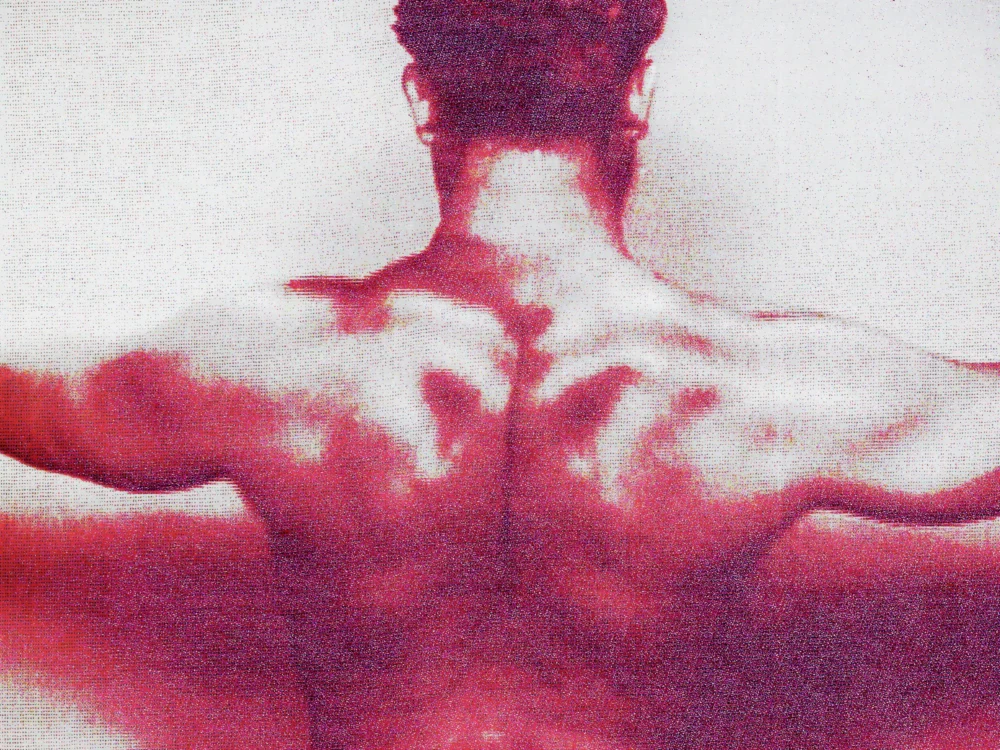
There is a universal, almost primal satisfaction found in the first reach of the day—that instinctive, wide-armed yawn and back-arching flex that accompanies the transition from sleep to wakefulness. For most of us, this "big stretch" feels like a physical necessity, a way to shake off the literal and figurative stiffness of the night. However, the profound sense of calm that follows a focused stretch of the upper back and neck has remained somewhat of a physiological mystery until now. New research, recently published in the journal Physiological Reports, has finally provided a clinical explanation for why rolling your shoulders and flexing your upper back acts as a powerful, near-instantaneous lever for stress relief. The study suggests that this simple mechanical action triggers a profound shift in the body’s autonomic nervous system, activating the parasympathetic "rest and digest" response and effectively silencing the "fight or flight" alarms that dominate modern life.
To uncover the mechanics behind this phenomenon, a team of physicians and researchers from the University of Minnesota Medical School and the Johns Hopkins University School of Medicine conducted a focused study on the hemodynamic responses to upper body stretching. Led by Dr. Jorge L. Reyes-Castro, a cardiac electrophysiology fellow at the University of Minnesota, the researchers sought to understand why certain movements elicit such a disproportionately high sense of well-being. The study involved 24 healthy adults who were subjected to a specific, controlled stretching protocol designed to isolate the muscles of the upper back and neck—areas where most modern workers carry the brunt of their psychological tension.
The experimental movement was deceptively simple: participants were asked to roll their shoulders back and upward toward the level of their ears while simultaneously stretching their neck backward. They were instructed to hold this position for at least ten seconds while maintaining a steady, normal breathing rhythm. While the movement itself was minor, the internal physiological reaction was anything but. Dr. Reyes-Castro and his team observed a "substantial" and "dramatic" drop in blood pressure almost immediately upon the execution of the stretch.
In the world of cardiovascular physiology, a sudden drop in blood pressure is usually met with an immediate counter-response. "Usually, what you expect in normal physiology is that when you have a drop in blood pressure, you will have a compensatory increase in your heart rate," Dr. Reyes-Castro explains. This is the body’s way of maintaining homeostasis; if pressure falls, the heart beats faster to ensure blood continues to reach the brain and vital organs. However, the researchers discovered a "hemodynamic paradox" during the upper back stretch: despite the significant drop in blood pressure, the heart rate did not see a meaningful increase. This lack of a compensatory spike is crucial to the sensation of relaxation. By lowering blood pressure without forcing the heart to work harder, the stretch bypasses the body’s typical stress-response loops, creating a unique window of physiological tranquility.
The researchers hypothesize that this specific movement triggers a reflex that directly engages the parasympathetic nervous system (PNS). To understand the significance of this, one must look at the dual nature of the human autonomic nervous system. The system is divided into the sympathetic nervous system (SNS) and the parasympathetic nervous system. The SNS is the "accelerator," responsible for the "fight or flight" response that increases heart rate, dilates pupils, and prepares the body for intense action or perceived danger. Conversely, the PNS is the "brake," responsible for calming the body, slowing the heart rate, and facilitating recovery and digestion.
In the context of modern life, many individuals exist in a state of chronic sympathetic dominance. Stressful emails, traffic, and the constant hum of digital notifications keep the SNS perpetually engaged. When you perform an upper back and neck stretch, you are effectively pulling the parasympathetic lever. "When you are resting or calm, then your parasympathetic system is activated and the sympathetic system withdraws," says Dr. Reyes-Castro. "So, what you are probably doing with this stretch is enhancing and activating the parasympathetic system, resulting in a state of pleasure, relaxation, and calmness."
The anatomical "why" likely involves the complex network of nerves and receptors located in the neck and upper thorax. The neck is home to the carotid sinus, which contains baroreceptors—sensors that detect changes in blood pressure and relay that information to the brain. It is possible that the mechanical pressure and elongation of the neck and shoulder muscles during a deep stretch stimulate these receptors or the vagus nerve, which is the primary highway of the parasympathetic system. The vagus nerve wanders from the brainstem through the neck and down to the heart and digestive tract; by physically manipulated the tissues surrounding it, we may be sending a "safety signal" directly to the brain’s regulatory centers.
Furthermore, this research offers a vital counter-perspective to the "tech neck" epidemic. As millions of people spend hours hunched over laptops and smartphones, the muscles of the upper back and neck become chronically shortened and tense. This posture is not just a physical burden; it is a neurological one. A hunched posture is often associated with higher levels of cortisol and a more reactive stress response. By reversing this posture—rolling the shoulders back and opening the chest—individuals are not just stretching muscle fibers; they are resetting their neurological baseline.
While the study’s participants were seated, the applications of these findings are remarkably versatile. Dr. Reyes-Castro notes that the same hemodynamic benefits are observed whether a person is sitting or standing. This makes the "shoulder-to-ear" stretch an incredibly accessible tool for stress management in nearly any environment. Whether standing in a grocery store line, sitting in a boardroom, or pausing during a workout, the ten-second stretch can serve as a "biological reset button."
However, with these promising results comes a necessary medical caveat. While the drop in blood pressure is significant, Dr. Reyes-Castro is quick to clarify that this should not be viewed as a clinical treatment for chronic hypertension. For those diagnosed with high blood pressure, the stretch is a supplementary tool for emotional and physiological regulation, not a replacement for prescribed medication or lifestyle interventions. "This is not a treatment for hypertension," he warns. "You still need to take your pills." The drop in pressure observed in the study is a transient, acute response—a "dip" rather than a permanent lowering of the body’s baseline pressure.
Instead, the upper back stretch should be categorized alongside other evidence-based "micro-interventions" like breathwork and meditation. Much like the 4-7-8 breathing technique or a two-minute mindfulness break, the shoulder roll is a way to communicate with the body in its own language. While the mind might be racing with anxieties about the future or regrets about the past, the body only understands the present moment’s physical signals. By providing the body with the signal of a relaxed, open posture and a stimulated parasympathetic system, the mind often follows suit.
The implications of this research extend into the broader field of "somatic experiencing"—the idea that we can process and release emotional stress through physical movement. In moments of high emotion or acute stress, the body "braces" for impact. This bracing usually manifests as raised shoulders and a tightened jaw. By consciously performing the exact opposite movement—dropping the shoulders back and stretching the neck—we interrupt the feedback loop between the brain and the body. We are telling the brain that we are safe, and the brain, in turn, allows the blood pressure to drop and the muscles to soften.
As we continue to navigate an era of unprecedented mental fatigue, the value of such "low-cost, high-reward" interventions cannot be overstated. The University of Minnesota and Johns Hopkins study reinforces the idea that the body is not just a vessel for the mind, but a sophisticated partner in our emotional well-being. The "morning stretch" is more than just a way to wake up; it is a sophisticated neurological calibration. By taking ten seconds to roll your shoulders to your ears, stretch your neck back, and breathe, you are performing a mini-miracle of internal engineering—silencing the noise of the world and returning your body to its natural state of baseline calm. It is a reminder that sometimes, the most profound solutions to our modern stresses are built directly into our own anatomy, waiting to be activated by a simple, intentional movement.