
 By Rifan Muazin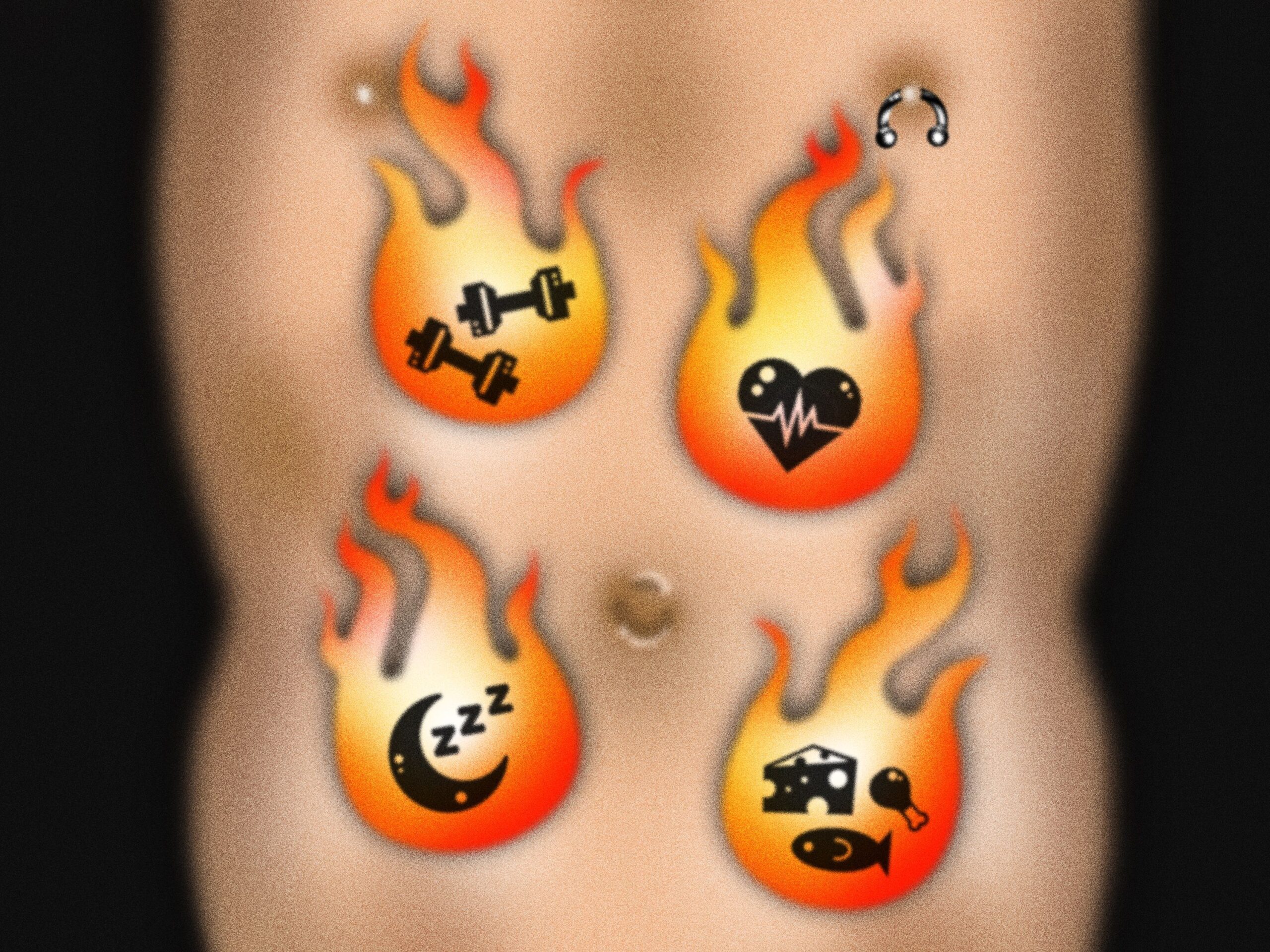
Of all the baseless fitness myths to have been peddled through ages of late-night infomercials and social media influencers alike, the notion that you can “blast belly fat” or "sculpt your midsection" through targeted exercises is among the most audacious and scientifically inaccurate. Targeted fat loss, commonly known as spot reduction, is simply not a biological process that human bodies are equipped to perform. Despite the multi-billion dollar industry built around ab-rollers, waist trainers, and "belly-burning" supplements, the physiological reality remains steadfast: you cannot choose where your body burns fat.
“You can’t spot reduce, no matter how promising the marketing and ads that tell you that’s the case,” says Chris Mohr, PhD, RD, a seasoned nutrition consultant and cofounder of Mohr Results. The human body does not draw energy exclusively from the fat stores located nearest to the muscles being worked. When you perform a crunch, your abdominal muscles are indeed contracting and strengthening, but the energy required for that contraction is pulled from the bloodstream and fat stores distributed throughout the entire body, determined by genetics, hormones, and sex. “While it would be nice if you could lose fat from wherever you’d like, your body handles fat as it wants,” Mohr adds.
However, while you may not be able to bump belly fat to the front of your fat-loss queue, that is not to say you cannot shed it. You absolutely can, and for the sake of your long-term health, you probably should. Unlike the other 90% or so of fat that we carry on our bodies—the "pinchable" kind that provides insulation and energy—belly fat, or visceral fat, is a particularly dangerous brand of biological baggage. It has been shown to significantly raise the risk of a long list of serious, life-altering health conditions. The longer this deep-seated fat is ignored, the more it integrates into your metabolic profile, making it increasingly difficult to shake. Understanding the distinction between types of fat is the first step toward a healthier, more functional body.
The Biological Divide: Subcutaneous vs. Visceral Fat
Generally speaking, when we discuss body fat in a cosmetic context, we are referring to subcutaneous fat. This is the adipose tissue that resides just below the skin. It is the fat you can feel on your arms, legs, buttocks, and back. While society often views subcutaneous fat through a negative aesthetic lens, it is not inherently pathological. In fact, it serves vital roles in temperature regulation, hormone signaling, and cushioning against physical impact.
Visceral fat, on the other hand, is an entirely different beast. It resides much deeper inside the abdominal cavity, hidden behind the firm wall of the abdominal muscles. It does not just sit there; it nestles up against—and even infiltrates—vital organs such as the heart, liver, and intestines. Because of its location, visceral fat is outside the reach of common cosmetic procedures like liposuction or "cool sculpting," which only target the subcutaneous layer. Visceral fat is often invisible to the naked eye in its early stages, revealing itself only as the waistline expands and the abdomen becomes firm rather than soft.
“The reason visceral fat matters is it is highly inflammatory,” says Rekha Kumar, MD, MS, chief medical officer at Found and associate professor of clinical medicine at Weill Cornell Medical College. Unlike subcutaneous fat, which is relatively inert, visceral fat acts like an independent endocrine organ. It actively secretes inflammatory markers known as cytokines, such as interleukin-6 and tumor necrosis factor-alpha. These chemicals interfere with normal hormonal function and trigger a state of chronic, low-grade inflammation throughout the body.
The health consequences of elevated visceral fat are staggering. Beyond the well-known risks of cardiovascular disease and type 2 diabetes, the reach of visceral fat extends to the brain and respiratory system. One landmark study conducted by the Kaiser Permanente Division of Research found that men with high levels of visceral fat in their midlife were more than three times as likely to develop dementia decades later compared to those with smaller waistlines. Other research has uncovered strong correlations between visceral adiposity and asthma, as well as various types of cancer, including colorectal and breast cancer. “It puts people at a higher risk for those specific diseases, and probably more that we don’t even know about yet,” warns Dr. Mohr.
Assessing the Risk: How Much is Too Much?
The gold standard for measuring visceral fat involves advanced imaging technology like CT scans, MRIs, or DEXA (Dual-Energy X-ray Absorptiometry) scans. These tools can provide a precise cross-sectional view of how much fat is marbled around your internal organs. However, these procedures are expensive and rarely covered by insurance for purely preventative reasons. Fortunately, a simple, low-tech alternative is remarkably effective: the waist-to-hip ratio.
“Basically, it’s the ratio of your waist-to-hip circumference,” explains Dr. Kumar. To calculate this, measure the narrowest part of your waist and the widest part of your hips, then divide the waist measurement by the hip measurement. For men, a ratio above 1.0 indicates a significantly higher risk of health complications, as it suggests the waist is larger than the hips. A ratio of 0.95 or lower is generally considered a low health risk.
Beyond the tape measure, there are systemic warning signs that visceral fat is beginning to take a toll on your metabolism. These include elevated fasting blood sugar levels, high triglycerides, and low testosterone in men. Interestingly, some signs are mechanical. “As you accumulate visceral fat, you’re probably slowly accumulating fat around other organs, like the esophagus and the trachea,” says Dr. Kumar. This can manifest as new-onset snoring, sleep apnea, or even a persistent feeling of trouble swallowing.
The Roadmap to Reduction: Exercise and Metabolism
The accumulation of visceral fat follows a logic similar to financial debt. When your body’s subcutaneous fat "storage lockers" reach their capacity—a limit determined by your individual "fat cell threshold"—excess calories begin to overflow into the visceral "overdraft" account. While you cannot tell your body to "pay off" the belly fat first, you can create a metabolic environment that favors the oxidation of deep fat stores.
The most effective tool in this endeavor is resistance training. A long-term Harvard study that tracked over 10,500 American men over a 12-year period concluded that weight training was significantly more effective at reducing waistline circumference than any other form of exercise, including moderate-to-vigorous aerobic activity.
“When you strength train, two powerful things are happening,” says Luke Carlson, founder and CEO of Discover Strength. “The first is that you add lean muscle tissue to your body; the more lean muscle tissue you have, the more calories you’re burning at rest.” Muscle is metabolically expensive; it requires energy just to exist, whereas fat is largely dormant. By increasing your basal metabolic rate, you ensure that fewer surplus calories are available to be stored as visceral fat.
“The second is that when we do a tough strength training workout, we acutely burn five to nine percent more calories for the next three days,” Carlson adds, referring to the "afterburn effect" or Excess Post-exercise Oxygen Consumption (EPOC). Furthermore, lifting weights directly combats insulin resistance. Visceral fat is both a cause and a result of insulin resistance, a state where the body’s cells stop responding effectively to the hormone that regulates blood sugar. “Building muscle treats insulin resistance, which in turn reduces the body’s drive to store belly fat,” explains Dr. Kumar.
While steady-state cardio (like long, slow jogging) is excellent for heart health, it is less efficient at targeting the hormonal drivers of visceral fat than High-Intensity Interval Training (HIIT). Research published in the journal Sports Medicine suggests that HIIT can significantly reduce both subcutaneous and visceral fat mass. For those looking to maximize their time, combining resistance exercises with interval-based bursts—often called metabolic conditioning—provides a "one-two punch" that maximizes calorie burn and hormonal optimization.
Nutritional Strategies for Fat Loss
In the world of nutrition, carbohydrates are frequently demonized, but the science suggests that fat loss is less about the specific elimination of a macronutrient and more about the consistent maintenance of a caloric deficit. However, the composition of those calories matters immensely for preserving the muscle mass you are working so hard to build.
Noelle McKenzie, CPT, cofounder of Leading Edge Personal Trainers, emphasizes that protein is the non-negotiable component of a fat-loss diet. “You can lift all the weights in the world, but if you don’t have enough protein in your diet to support muscle growth, you’re going to fall short of your goal,” she says. Experts generally recommend aiming for 0.7 to 1.0 grams of protein per pound of body weight. This high protein intake serves two purposes: it provides the amino acids necessary for muscle repair and it has a high "thermic effect," meaning the body burns more energy digesting protein than it does digesting fats or carbs.
Hydration and fiber are the secondary pillars of nutritional success. Nate Feliciano, owner of Studio 16, notes that many people fail to lose fat simply because they are chronically dehydrated. “If your goal is to burn belly fat, I would have you drink half your body weight in ounces of water per day, mandatory,” he says. Proper hydration is essential for lipolysis—the chemical process of breaking down fats.
Similarly, fiber is a powerful tool for satiety. “Most people are only eating half to a third of the fiber they actually need in a day,” says Dr. Mohr. High-fiber foods like legumes, cruciferous vegetables, and whole grains slow down digestion and prevent the insulin spikes that signal the body to store fat in the abdominal region. By staying fuller for longer, you are less likely to succumb to the "hyper-palatable" snacks that contribute to caloric surplus.
The Forgotten Factor: Sleep and Stress
Perhaps the most overlooked element in the fight against belly fat is the quality of one’s recovery. You can have a perfect diet and a rigorous gym routine, but if you are chronically sleep-deprived, your body will fight to keep its visceral fat stores.
A study published in the journal Sleep Medicine reported a significant inverse association between sleep duration and visceral fat mass. Researchers found that the less sleep participants received, the more visceral fat they accumulated over time. Crucially, the study noted that subcutaneous fat was not affected in the same way, suggesting a unique biological link between sleep deprivation and deep abdominal fat. This is likely due to the hormone cortisol. Lack of sleep spikes cortisol levels, which signals the body to protect its most vital energy stores—those located deep within the abdomen—while simultaneously increasing cravings for sugar and fat.
“We know that sleep plays a huge role in weight loss and weight gain,” says Dr. Mohr. “It’s a big piece of the puzzle that we need to think about.” Most experts agree that seven to eight hours of quality sleep is the "sweet spot" for metabolic health. Beyond eight hours, the benefits seem to plateau, but falling below six hours consistently is a near-guarantee of metabolic dysfunction.
Conclusion: A Holistic Approach
Losing belly fat is not about "blasting" or "shredding" through gimmicks; it is about a systematic recalibration of your lifestyle. It requires the patience to understand that your body will relinquish fat in its own order, and the discipline to maintain the habits that force it to do so. By prioritizing heavy lifting to build metabolic machinery, consuming high-protein and high-fiber foods to manage insulin, and respecting the body’s need for sleep, you can effectively reduce visceral fat. This journey is not merely about fitting into a smaller pair of jeans; it is about reducing systemic inflammation and protecting your brain, heart, and liver for decades to come. The "six-pack" might be the visual reward, but the true prize is a longer, more vibrant life.