
 By admin
Airfares are notoriously volatile, operating within a complex ecosystem where prices can swing hundreds of dollars in a single afternoon. These fluctuations are often driven by macroeconomic factors and geopolitical tensions that seem entirely unrelated to a traveler’s specific destination. Currently, the ongoing conflict in the Middle East has sent ripples through the global energy market, leading to concerns about a significant spike in jet fuel prices. For the average traveler, this translates to a looming threat of higher ticket costs for summer vacations and holiday travel through 2025 and 2026. However, the modern aviation landscape offers a unique silver lining: the death of the "change fee." Since 2020, most major U.S. carriers have eliminated change fees on standard economy and premium tickets, creating a massive opportunity for consumers to engage in "price protection" by rebooking their own flights when costs drop.

The strategy is simple in theory but tedious in practice: book your flight as soon as you are ready to commit, and then monitor the price daily until the moment of departure. If the price decreases, you can reprice the itinerary and claim the difference as a refund or, more commonly, an airline credit. The challenge, of course, is that most travelers do not have the time or the inclination to check airline websites every morning. To bridge this gap, a new generation of financial technology tools and AI-driven services has emerged. These range from free price-tracking alerts to sophisticated "set-it-and-forget-it" concierge services that handle the legal and administrative heavy lifting of filing claims on your behalf.
The Rise of Automated Refund Concierges
For frequent flyers, the most efficient way to capture savings is to utilize a service that monitors itineraries automatically. These platforms typically require you to forward your confirmation emails or link your inbox, after which they use algorithms to scan for fare decreases across the specific "fare buckets" associated with your ticket.
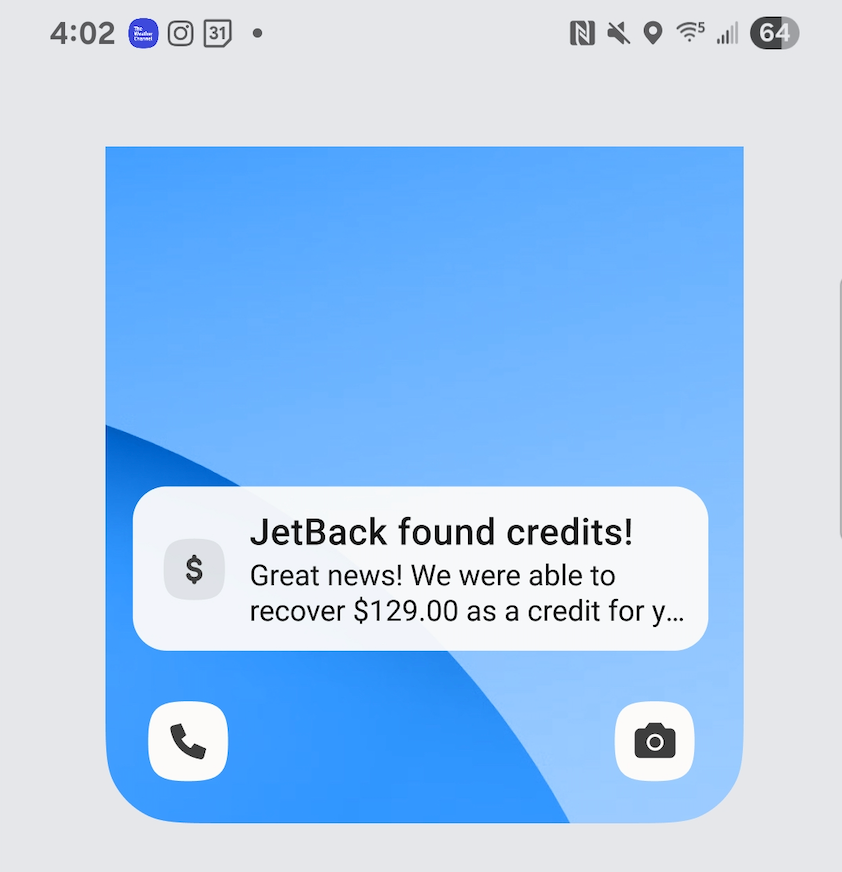
One of the most prominent newcomers in this space is JetBack. Designed for the high-volume traveler, JetBack operates on a subscription model rather than a commission-based one. For an annual fee of $100, the service provides unlimited monitoring and claim filing. When a lower fare is detected, the JetBack team initiates a claim with the airline to secure a credit for the difference. This service is particularly robust because it covers the "Big Three" (Delta, United, and American) as well as Southwest, Alaska, and JetBlue. However, travelers should note that JetBack’s subscription is tied to the individual; you generally cannot use one subscription to track flights for friends or extended family unless you are on the same reservation.
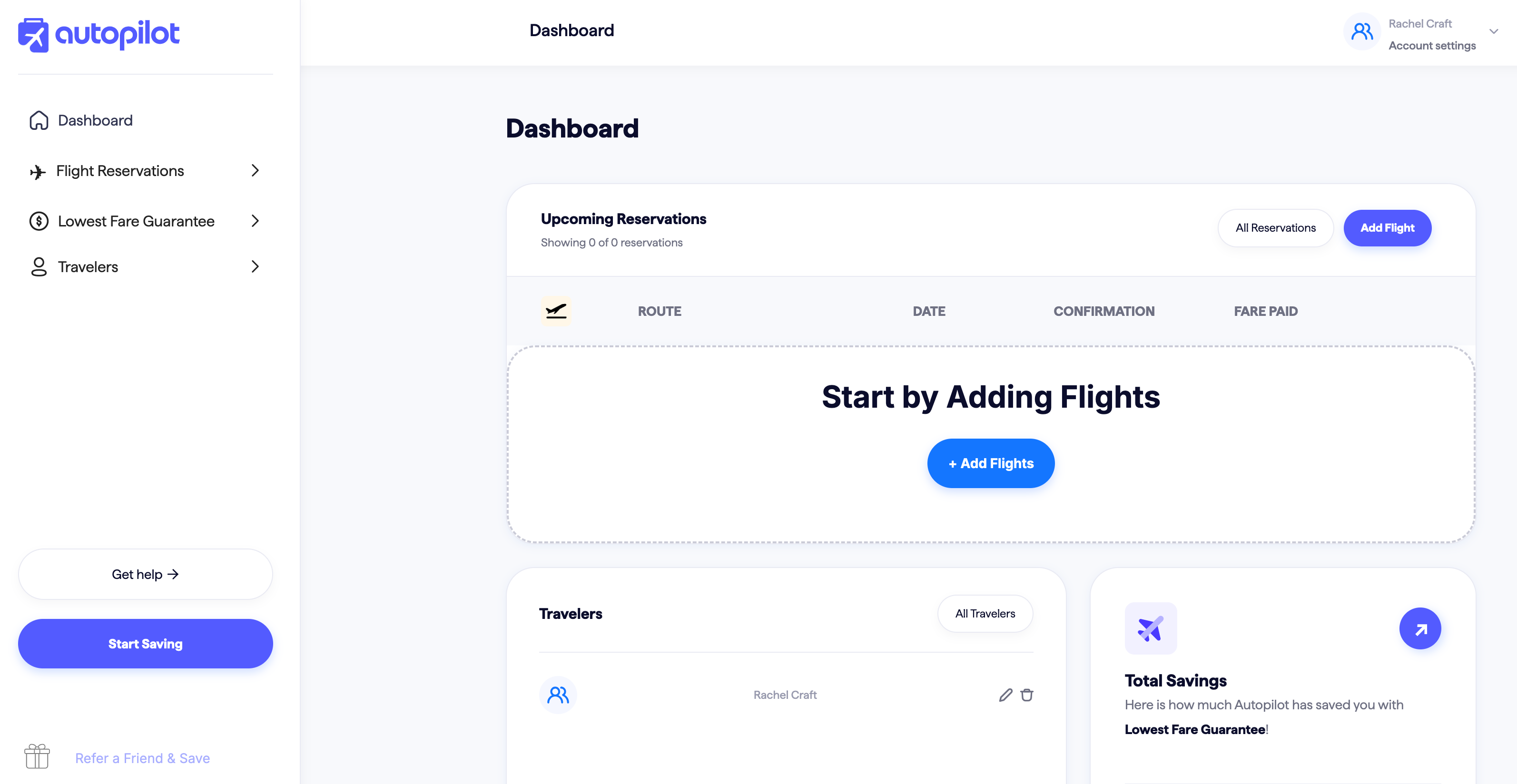
In contrast to the subscription model, Autopilot offers a "pay-as-you-go" approach that appeals to more casual travelers. Autopilot integrates directly with Gmail to pull flight data and will automatically rebook you in the same fare class if the price drops by $20 or more. They charge a 25% commission on the savings they secure, meaning if they save you $100, they keep $25. For those who fly more frequently, they offer a "Pro" plan for $9.99 a month which drops the commission to 15%. A standout feature of Autopilot is its ability to track award flights—those booked with points and miles—potentially putting valuable currency back into your loyalty account.
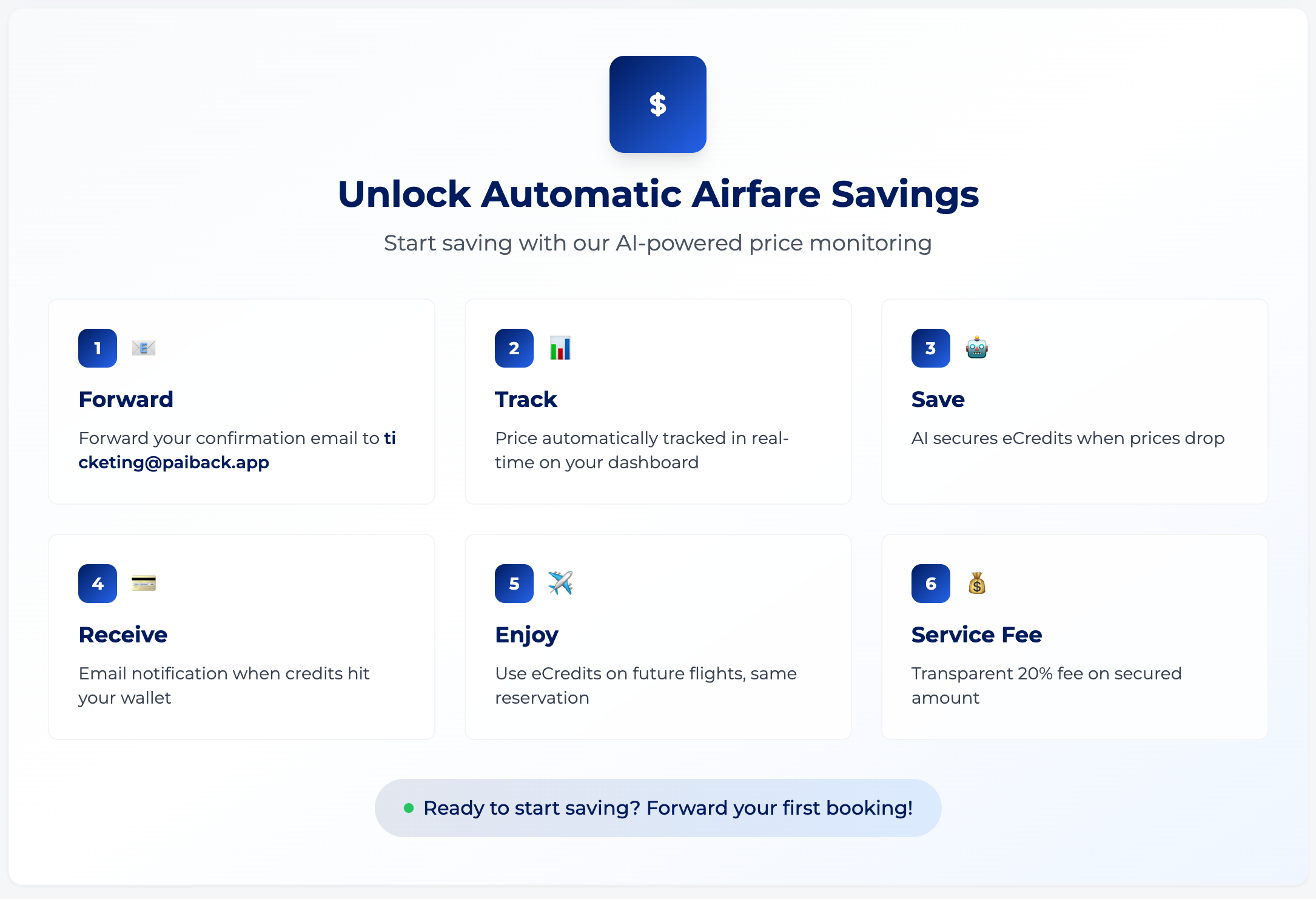
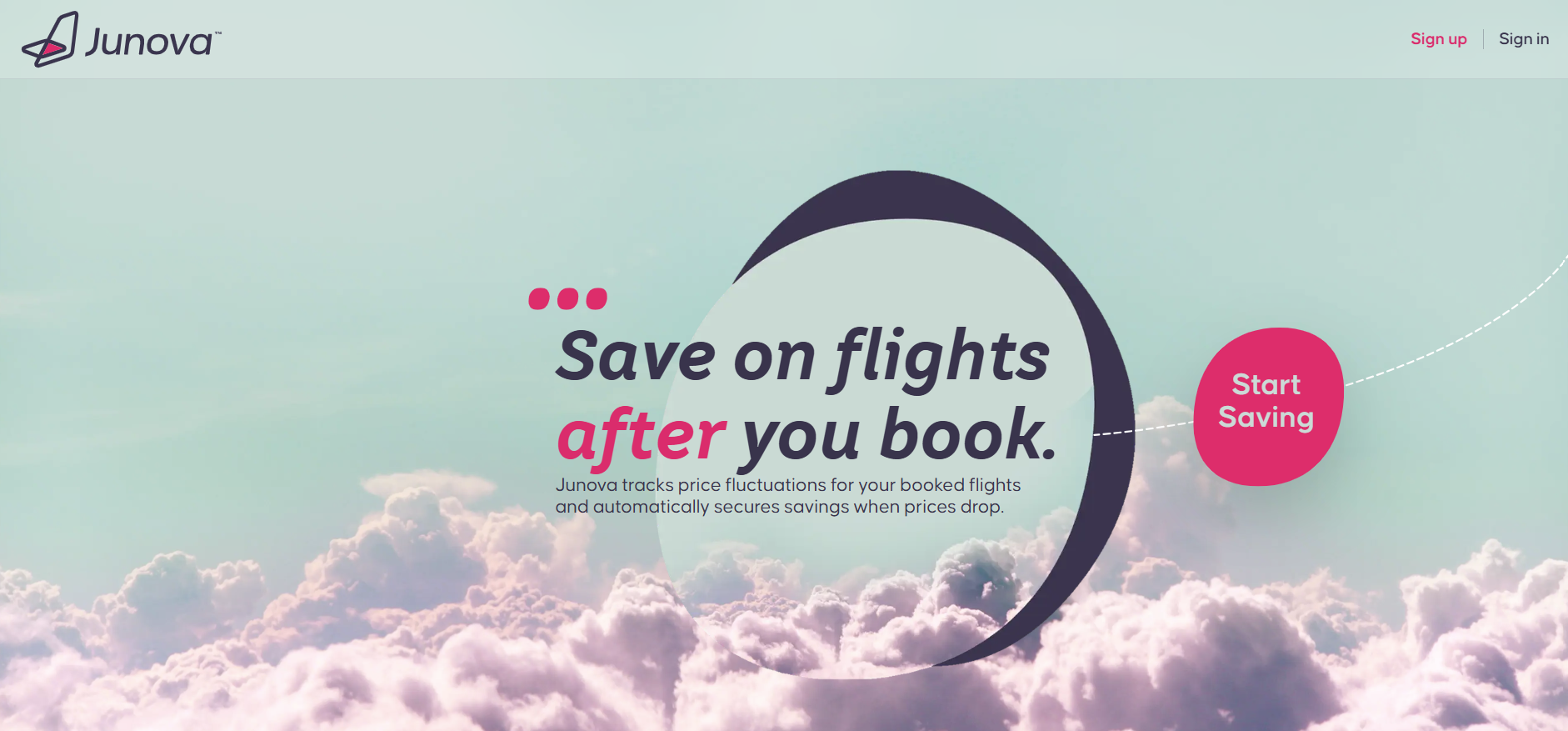
Other AI-centric tools like pAiback and Refare have entered the market with similar value propositions. pAiback utilizes artificial intelligence to monitor fares 24/7 and takes a 20% cut of any eCredits they secure. Their primary selling point is a "non-interference" guarantee: they promise to never change your seat or itinerary, only to negotiate the price difference. Refare follows a similar logic, charging a 25% commission but expanding its reach to international carriers like Emirates and KLM, in addition to domestic giants like Southwest and Spirit. Finally, Junova has joined the fray, claiming that more than half of all flights experience a price drop at some point between booking and takeoff. Junova is currently free to join and operates on a 20% success fee, focusing on cash tickets for major U.S. carriers.
The Legal and Ethical Landscape of Third-Party Rebooking
A common concern among savvy travelers is whether these services violate the "Contract of Carriage" of major airlines. American Airlines, for instance, has strict language in its terms of service prohibiting travelers from sharing confirmation codes with third-party aggregators or managing reservations through unauthorized websites. To navigate this, these services have had to evolve.
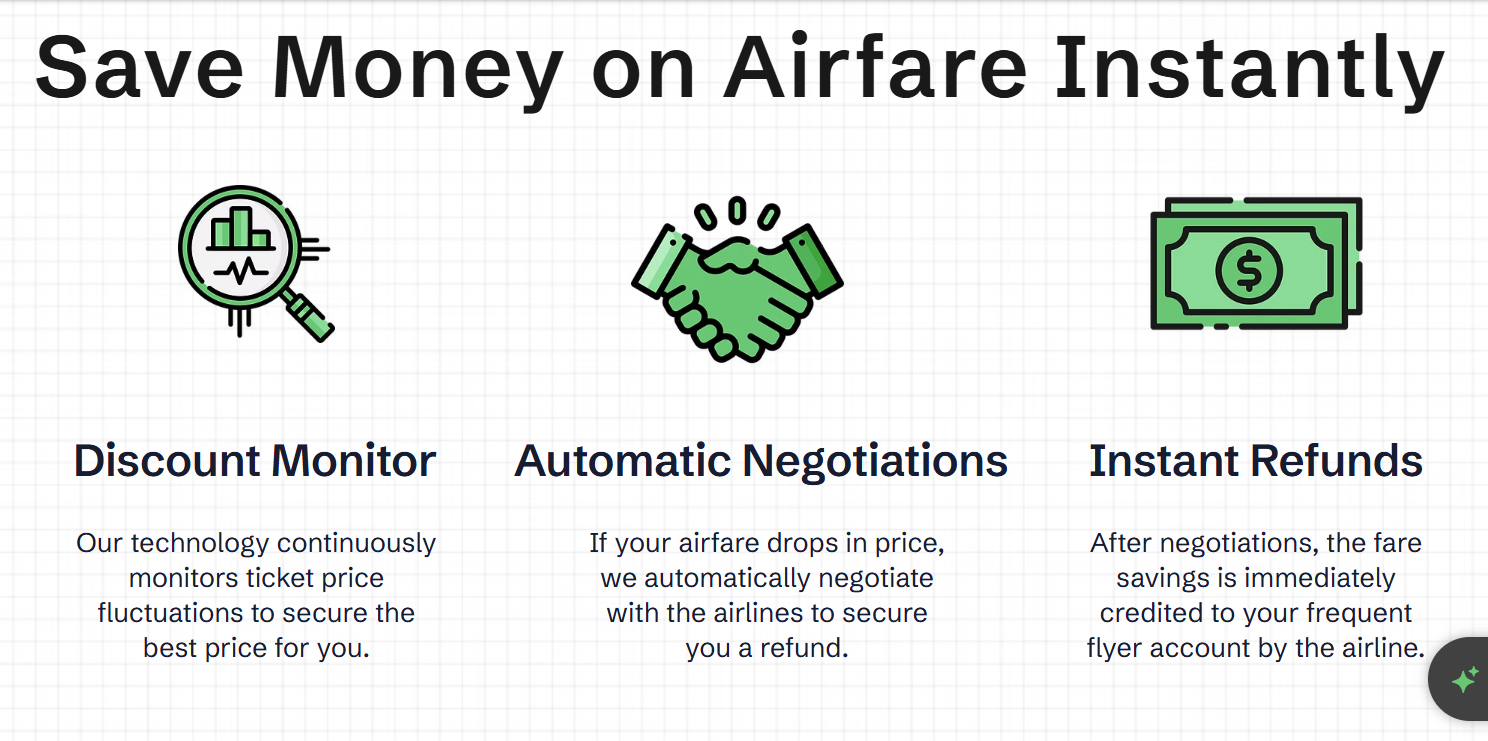
Most of these platforms now emphasize that they do not "manage" the reservation in a way that alters the travel plans. Instead, they act as authorized representatives to file claims for price adjustments. Sam Hollander, the founder of Autopilot, has noted that his company consulted with legal counsel to ensure their processes—especially regarding American Airlines—remain compliant with carrier policies. By focusing on the "claim" process rather than "rebooking" the entire itinerary, these tools attempt to stay within the good graces of airline revenue management departments.
Built-In Protection: Portals and OTAs
If you prefer not to use a third-party app, several booking portals have integrated price protection directly into their platforms. Capital One Travel is a leader in this regard. Their portal, powered by the data-science firm Hopper, includes a "Price Prediction" tool. If the tool recommends that you "Book Now" but the price subsequently drops within 10 days, Capital One will automatically credit you the difference up to $50. While the 10-day window and $50 cap are limiting, the service is entirely free for Venture X and Venture cardholders, making it a frictionless way to capture small wins.
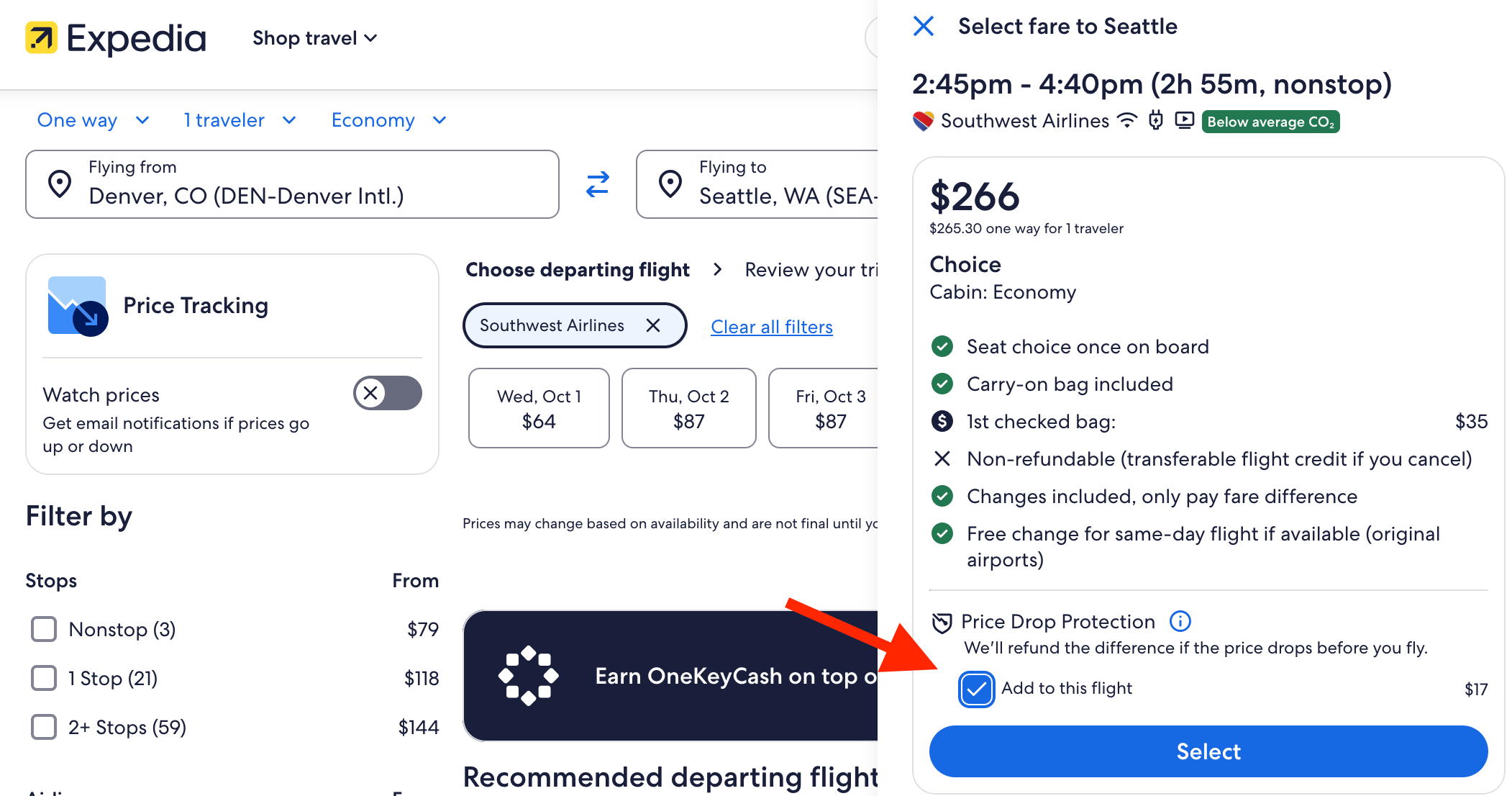
Online Travel Agencies (OTAs) like Expedia have also introduced paid price protection. For a nominal fee—often around $15 to $20 depending on the total fare—Expedia will monitor your flight until the moment you take off. If a lower price is found, they refund the difference directly to your original form of payment after the trip is completed. This is a significant distinction: while airlines usually offer "credits" or "vouchers," these paid protection plans often return actual cash to your credit card. However, travelers must calculate the "break-even" point; if you pay $17 for protection on a $200 flight, the price needs to drop by at least $18 for you to see any actual benefit.
The DIY Strategy: Leveraging Free Tools
For the budget-conscious traveler who refuses to pay commissions or subscriptions, the manual "DIY" method remains the most profitable, albeit time-consuming, option. The gold standard for this is Google Flights. By using the "Track Prices" toggle on a specific flight or route, Google will send you an email notification the moment a price change is detected.
Strategic travelers use Google Flights in conjunction with the airline’s own app. When a notification arrives, the traveler can log into their airline account, select "Change Flight," and "re-select" the exact same flight they are already on. If the price is lower, the airline system will show a negative balance (e.g., -$60), which is then issued as a future flight credit.
TripIt Pro is another powerful ally for the manual rebooker. For $49 a year, TripIt Pro monitors your forwarded itineraries and sends "Price Drop" alerts. Because TripIt already stores your flight details, it saves you the step of having to manually set up alerts in Google Flights for every leg of your journey.

Important Caveats: The Basic Economy Trap
It is crucial to understand that almost all of these strategies and tools share one major limitation: they do not apply to Basic Economy tickets. In their effort to segment the market, airlines have stripped Basic Economy of almost all flexibility. These tickets are typically non-changeable and non-refundable. Therefore, even if a $500 Basic Economy ticket drops to $200, the airline will not allow you to reprice it. To take advantage of airfare fluctuations, you must book at least a "Main Cabin" or "Standard Economy" fare. While these tickets cost more upfront, the ability to recoup $100 or $200 in future credits often makes them the more economical choice in the long run.
Conclusion: Making Volatility Work for You
The psychology of airfare shopping is often rooted in the fear of "missing out" on a lower price. However, by shifting your perspective from "finding the lowest price today" to "protecting the price for tomorrow," you can remove much of the stress from the booking process.
Whether you choose a high-end automated service like JetBack, a commission-based AI like Autopilot, or the manual vigilance of Google Flights alerts, the goal remains the same: ensuring that you never pay more than necessary for a seat. In an era where oil prices and geopolitical shifts make airfare unpredictable, these tools represent a vital shift in power back toward the consumer. By staying informed and utilizing the right technology, the modern traveler can turn market volatility into a source of significant savings.